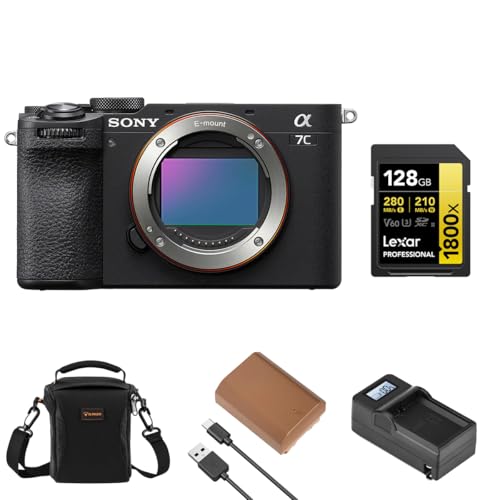
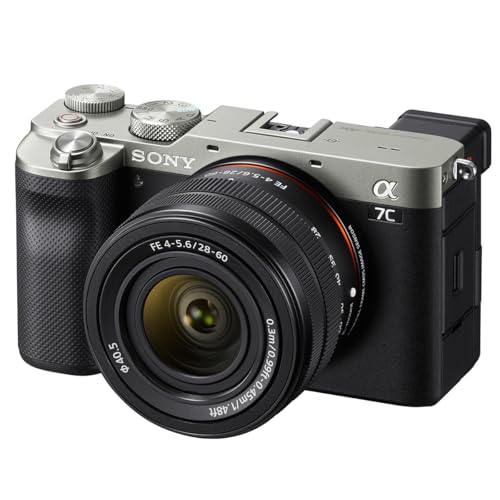
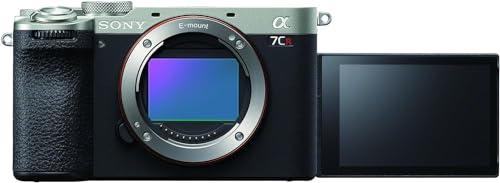
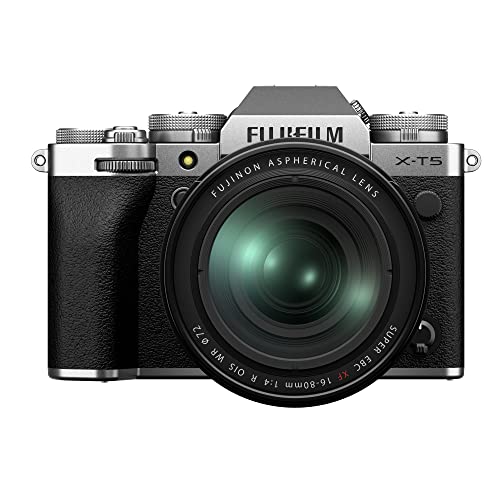
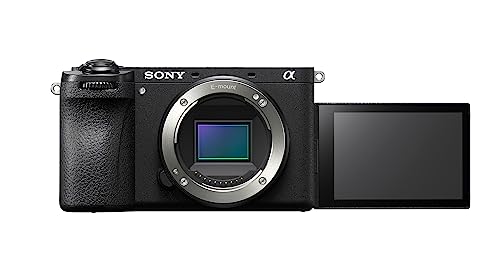
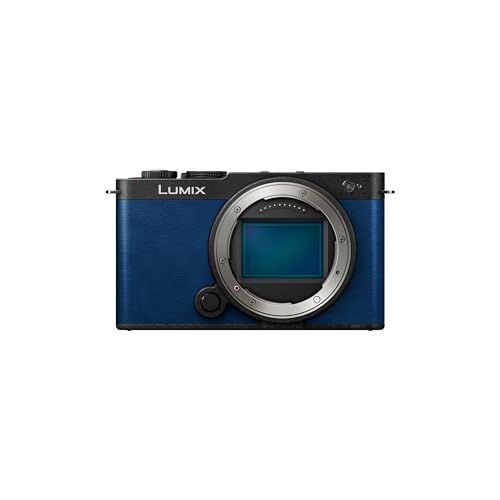
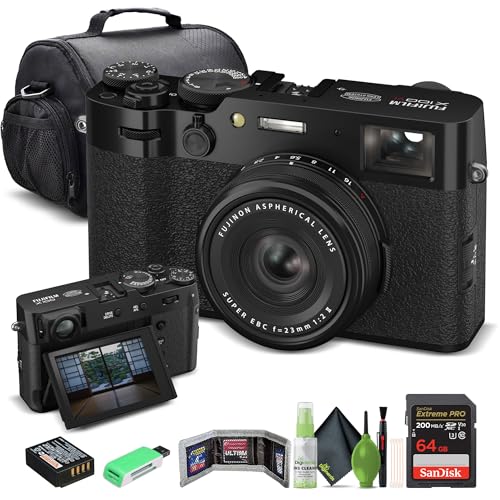
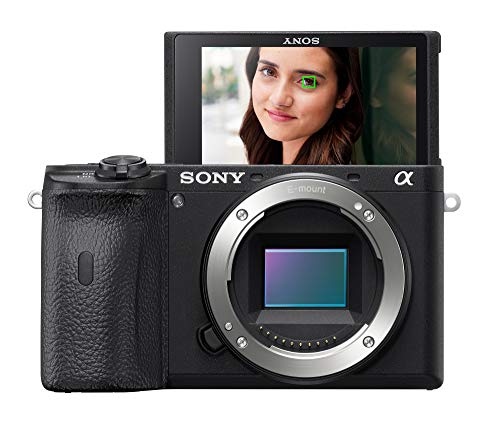
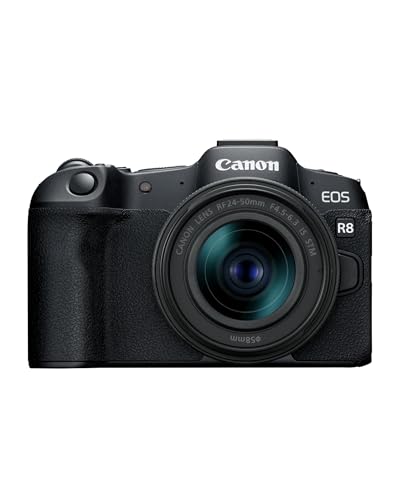
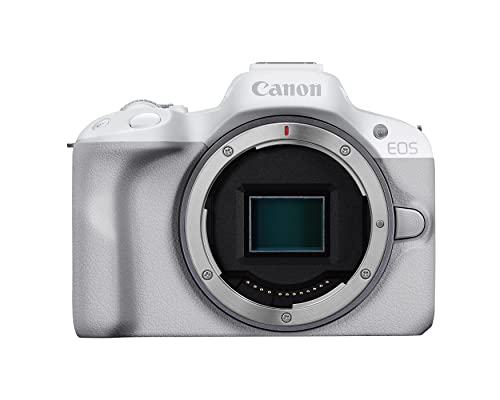
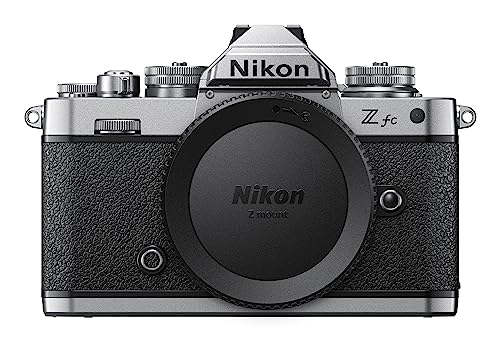
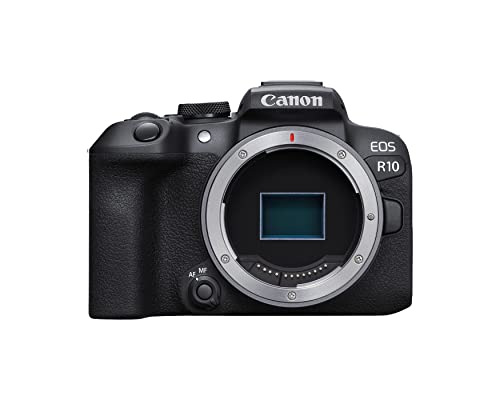
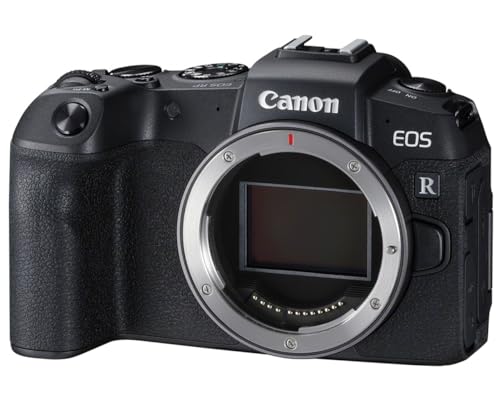
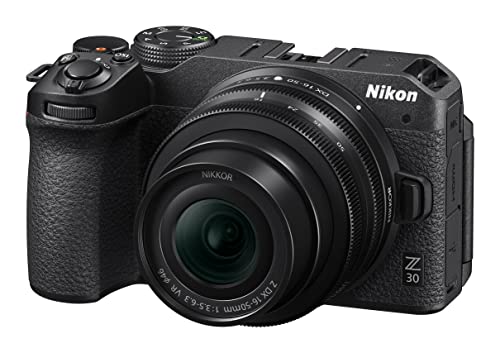
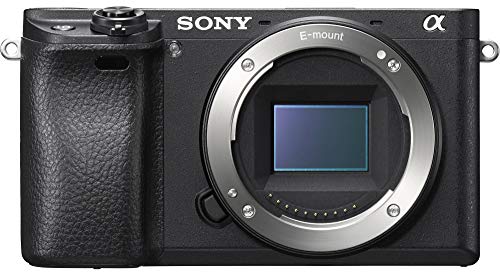
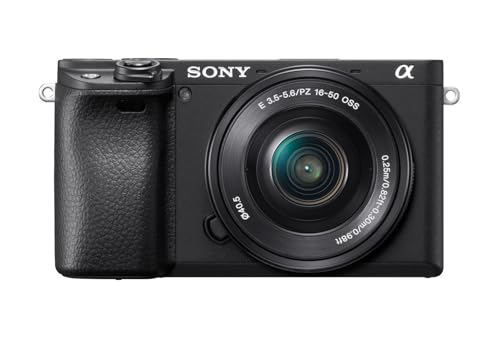
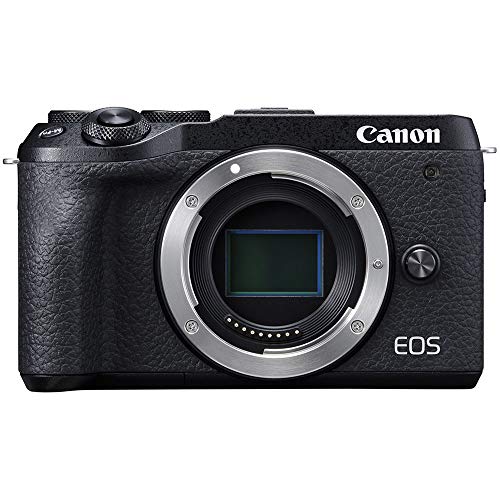
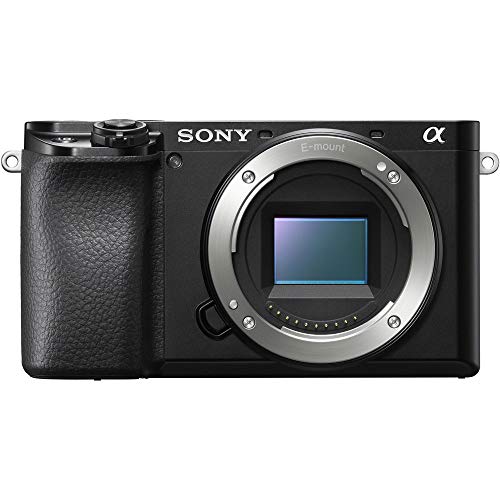
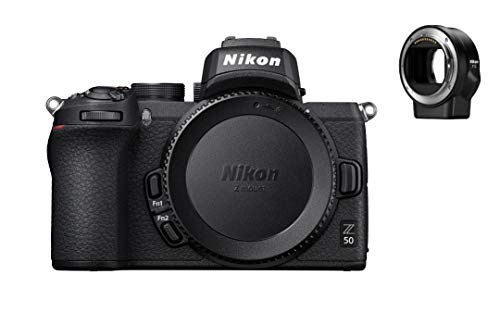
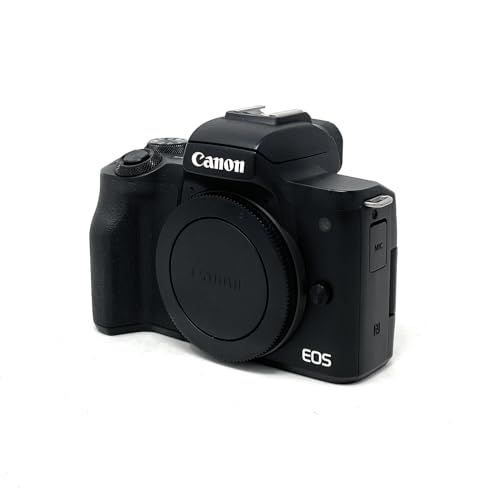
A camera is suitable for street photography when it is easy to carry, quick to wake, quiet to operate, and simple to control without breaking attention from the scene. Fast single-shot autofocus matters, but reliable continuous focus and eye detection also help when people approach or cross the frame.
Direct dials, exposure compensation, auto ISO with a configurable minimum shutter speed, and a clear viewfinder or tilting screen make changing light easier to manage. Zone focusing and a distance scale can be valuable with wide lenses, allowing the photographer to react without waiting for focus.
The complete camera-lens combination should look and feel unobtrusive. A small body paired with a large f/1.4 zoom defeats the purpose, while a compact prime can keep the camera ready under a jacket or in a small shoulder bag. Weather resistance and dependable battery life matter for long walks, but they should not add more bulk than the photographer will actually carry.
How much do size and weight matter on cameras for street photography?
Size and weight matter greatly for street photography because a camera left at home captures nothing. Bodies around 250–500 g with a compact prime or pancake zoom are easy to carry for several hours, while a 700 g body and large lens can make the photographer more conspicuous and less willing to explore.
Very small bodies can also compromise handling. A shallow grip, tiny buttons, or no viewfinder may slow operation, especially in winter or bright sun. The best balance is usually the smallest kit that still offers secure one-handed control and direct access to exposure.
Consider depth and lens protrusion, not only body weight. A fixed-lens camera or compact 28/35/40 mm prime can fit a coat pocket or small bag, whereas a bright zoom may require a dedicated case. A comfortable strap and fast access often matter more than saving the final 50 g.
The chart below compares the weight distribution of street photography cameras.
[vertical-chart-09458230407350024666183390424517442592581293507924]
How useful is autofocus on cameras for street photography?
Autofocus is highly useful for street photography because expressions, gestures, and spacing change quickly. Fast eye detection can lock onto a person near the edge of the frame, while zone or wide-area AF handles subjects entering unexpectedly.
Low-light sensitivity and acquisition speed matter more than a huge focus-point count. The camera should focus confidently under shop lighting, on dark clothing, and against backlit streets without repeatedly hunting. Touch focus on a tilting screen is useful for discreet low-angle framing.
Autofocus is not the only approach. Zone focusing with a 28 or 35 mm lens at f/5.6–8 can keep a broad distance range sharp, especially in daylight. The best camera supports both responsive AF and clear manual-focus aids so the photographer can choose the faster method for the scene.