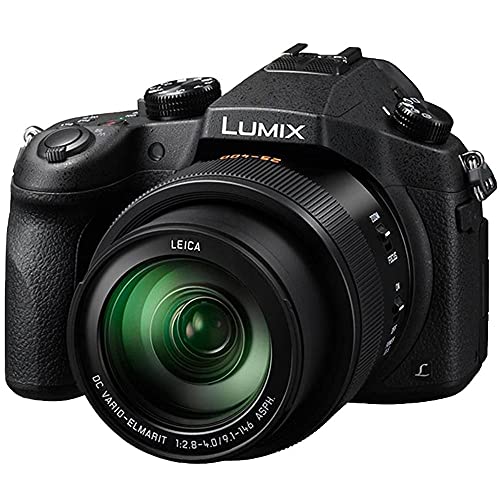
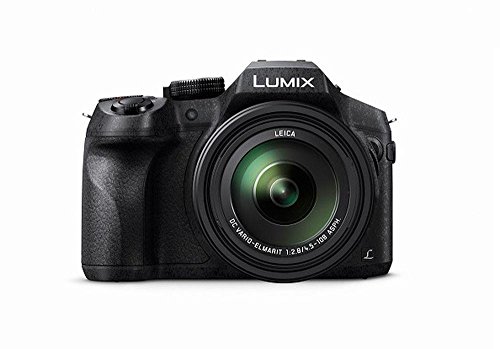
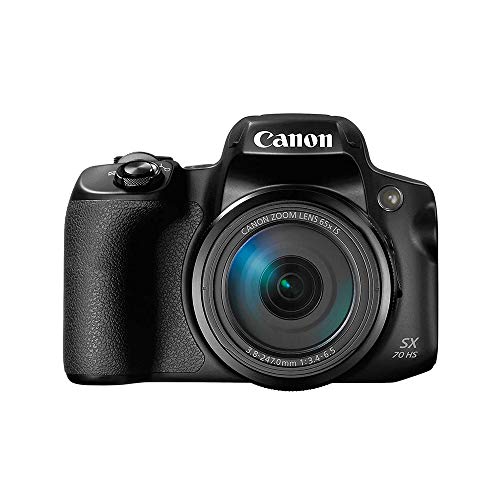
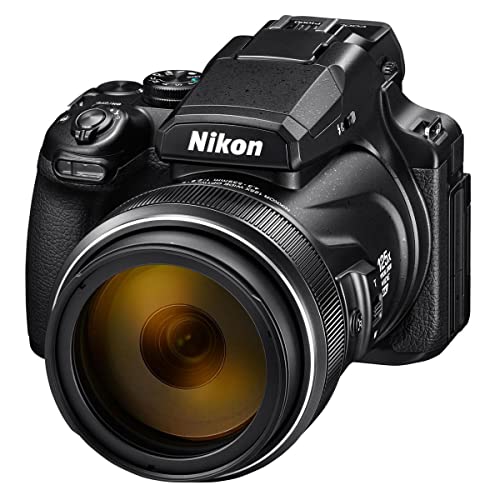
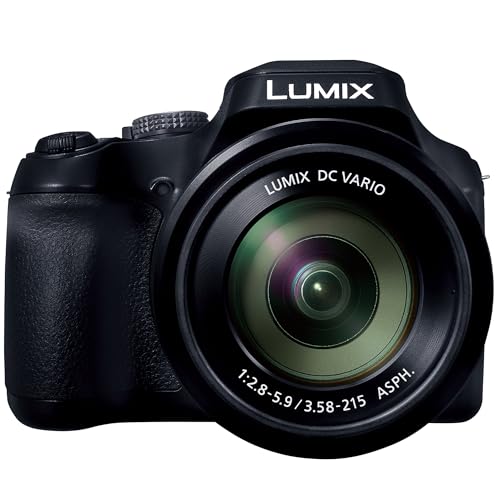
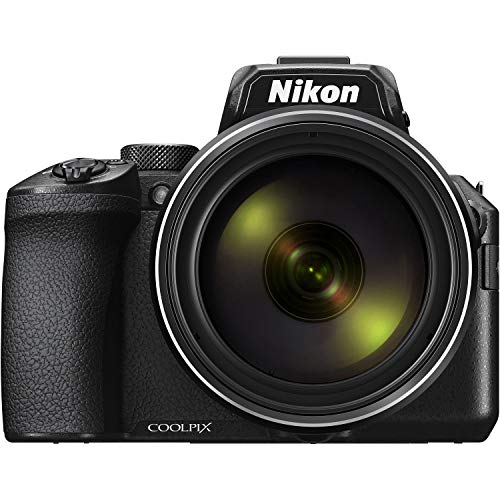
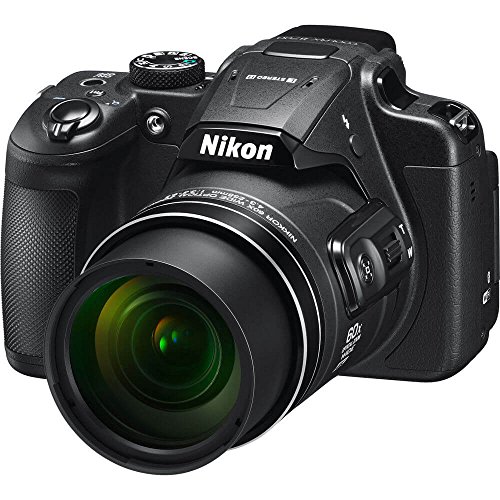
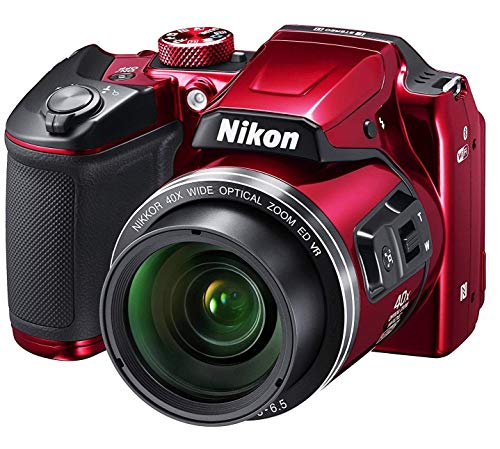
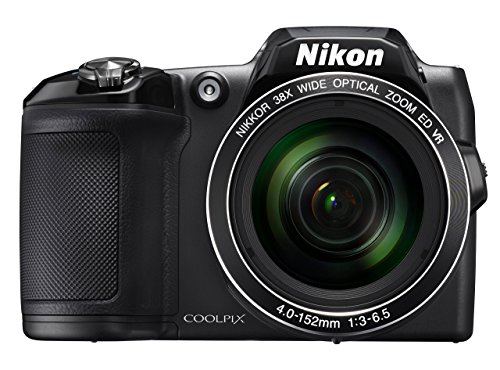
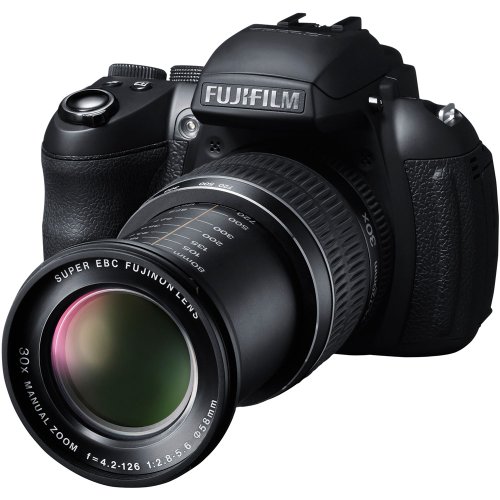
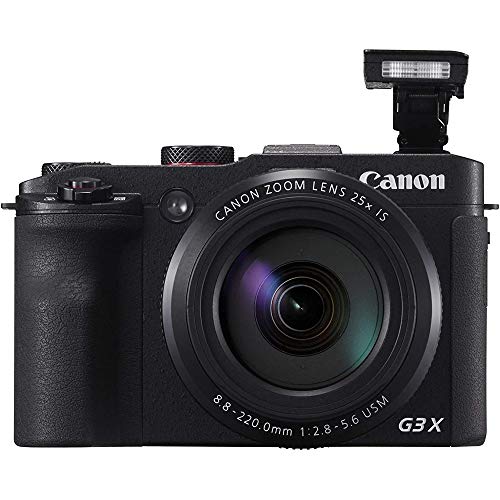
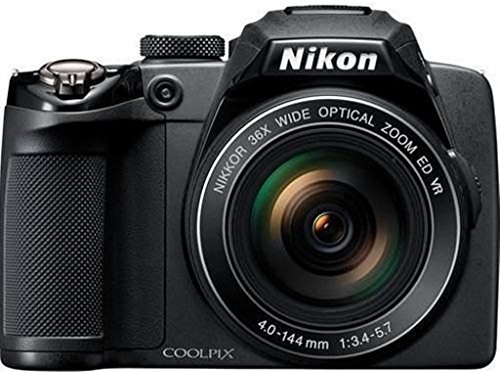
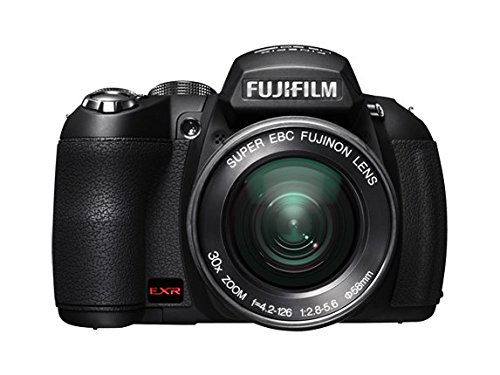
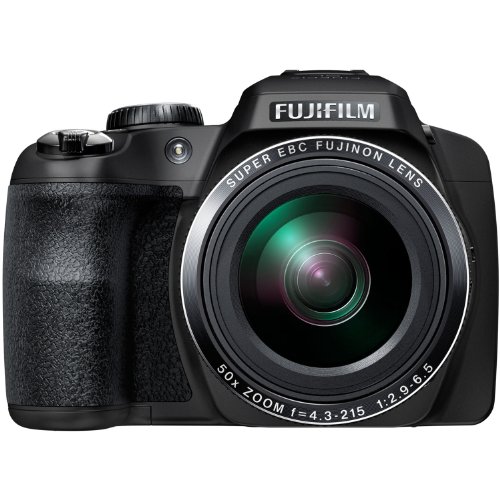
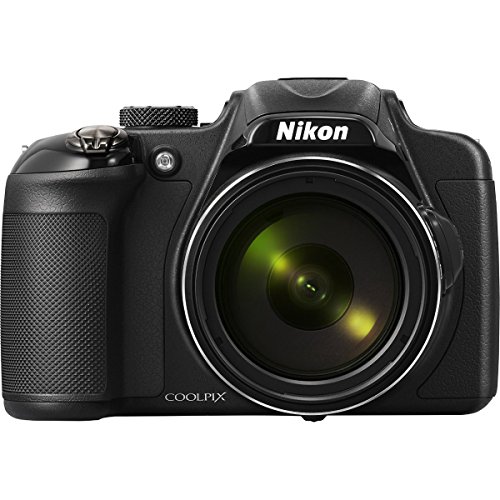
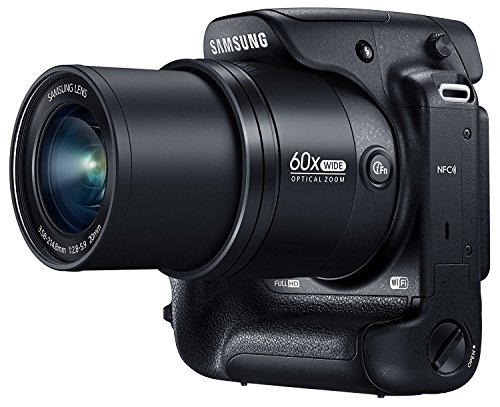
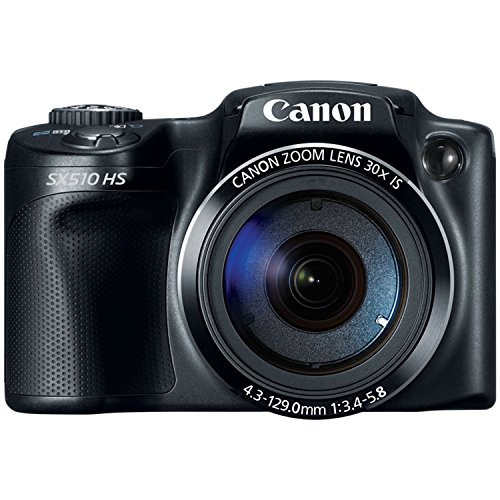
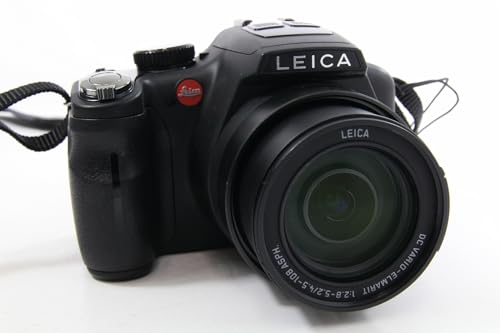
A bridge camera is a fixed-lens digital camera that combines DSLR-like handling with a zoom range far broader than most interchangeable lenses. It typically has a pronounced grip, electronic viewfinder, manual exposure modes, and a lens that cannot be removed.
Most bridge cameras use a 1/2.3-inch sensor to keep very long zoom lenses manageable, commonly delivering about 24×–65× optical zoom and sometimes 83×–125×. Premium models use a larger 1-inch sensor with a shorter range, often around 8×–25×, to improve low-light detail, dynamic range, and depth-of-field control.
This design suits travel, wildlife in good light, family events, and users who want one lens from wide angle to distant subjects. It avoids lens changes and sensor exposure, but the fixed lens means the camera cannot later be upgraded for a brighter aperture, wider view, or specialized macro work.
How do bridge cameras differ from DSLR and mirrorless cameras?
Bridge cameras differ from DSLR and mirrorless cameras mainly by using a permanently attached zoom lens and, in most cases, a smaller sensor. They provide an all-in-one shooting range without the cost, bulk, and lens changes of an interchangeable-lens kit.
A typical bridge camera can cover wide-angle scenes and distant wildlife with one 24×–65× lens, while an equivalent DSLR or mirrorless range would require at least two lenses and could weigh considerably more. Extreme 83×–125× models reach farther still, although atmospheric haze, camera shake, and a small maximum aperture limit how much detail that reach can deliver.
Interchangeable-lens cameras usually have APS-C or full-frame sensors, giving them cleaner high-ISO files, broader dynamic range, and stronger background blur. They also accept bright primes, specialist macro lenses, and professional telephotos, whereas a bridge camera remains limited to its built-in lens.
Bridge cameras are therefore more convenient but less expandable. Choose one when a single stabilized zoom and familiar camera-shaped handling matter most; choose mirrorless or DSLR when low-light quality, fast action, specialized lenses, or long-term system growth has priority.