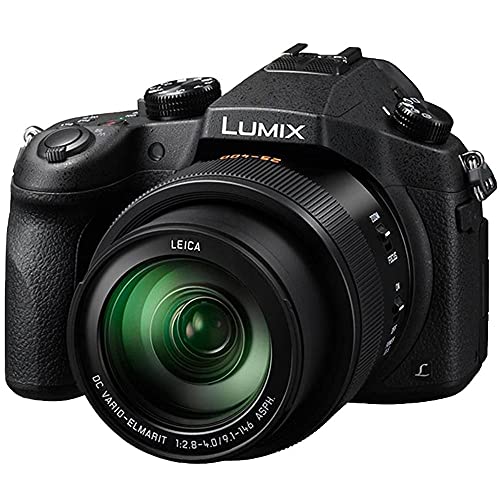
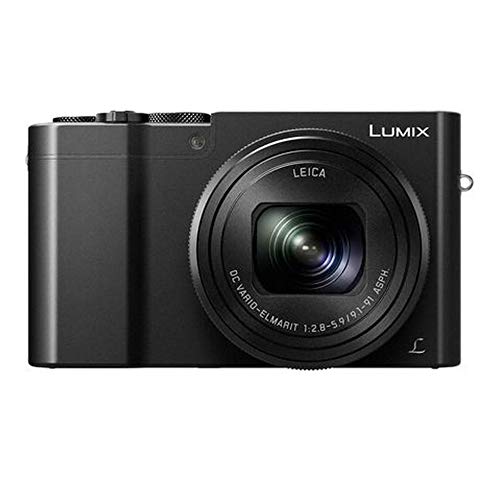
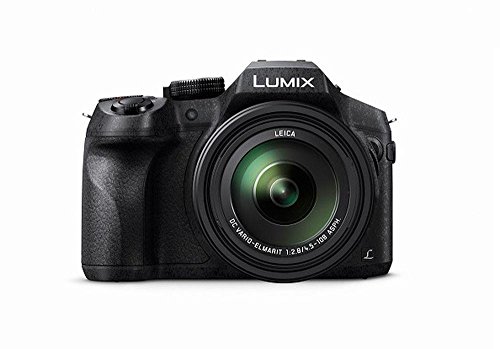
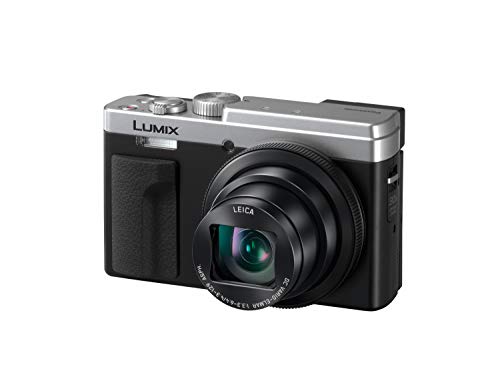
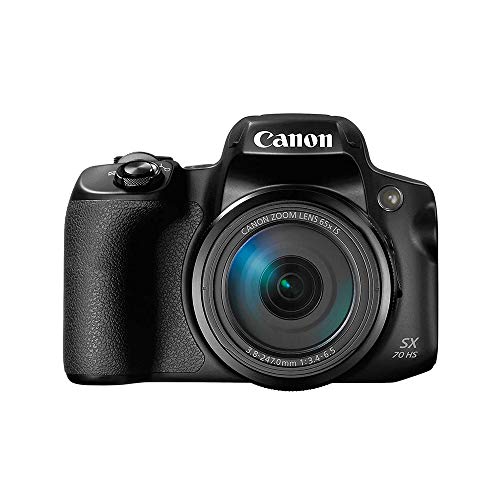
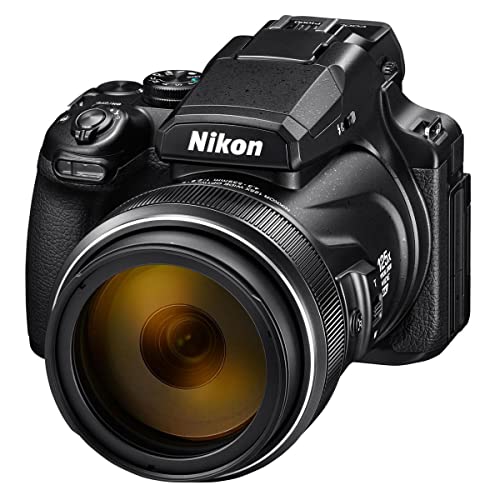
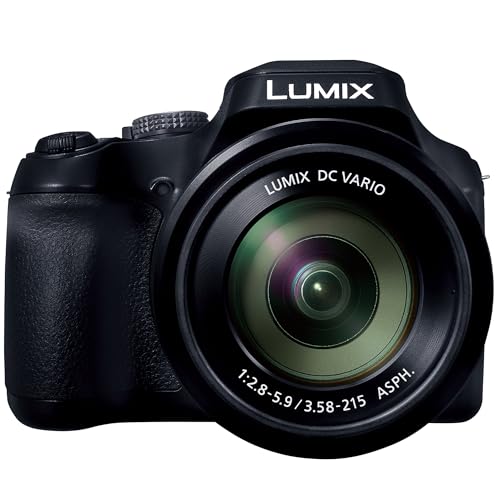
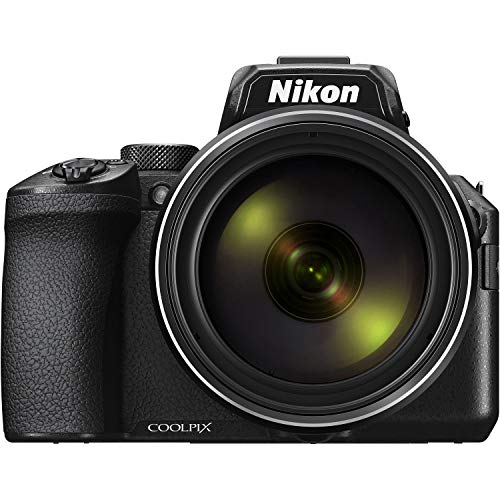
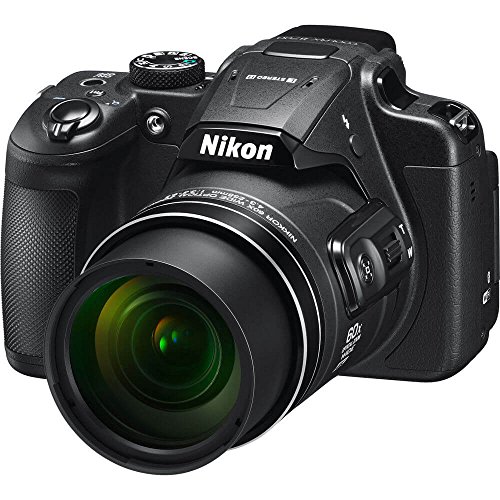
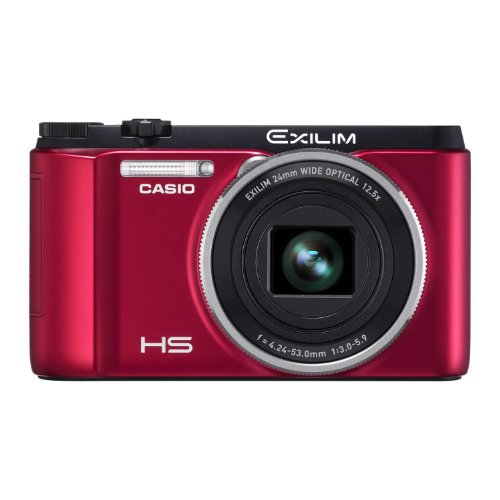
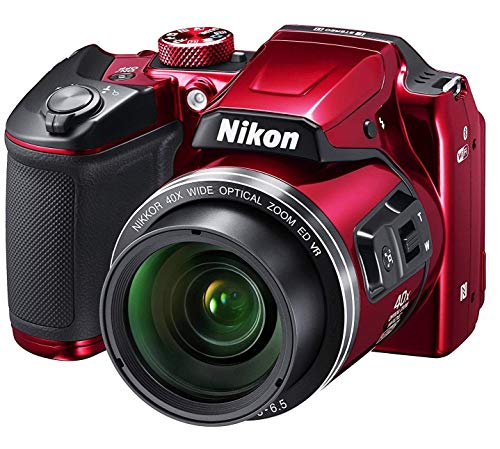
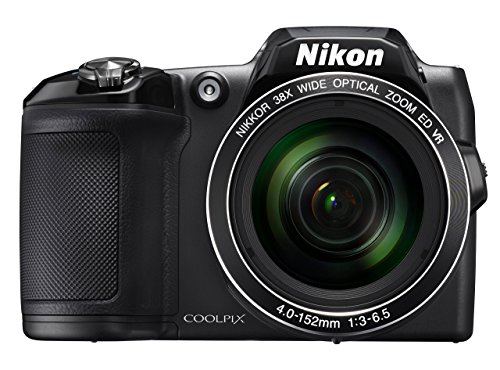
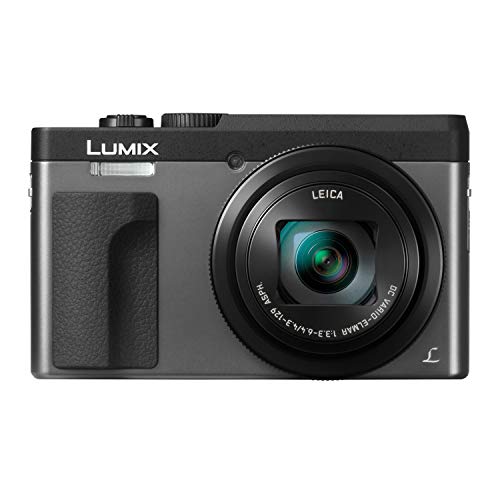
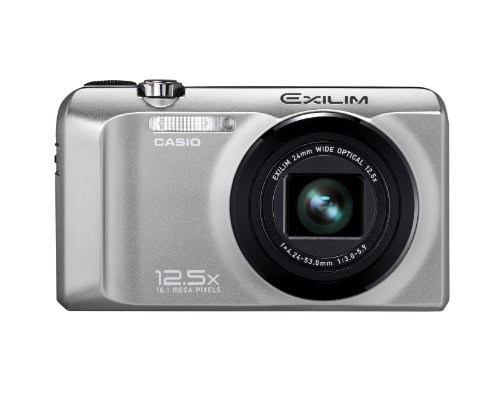
A camera with good zoom is worth buying when distant subjects are central to the photography and carrying several interchangeable lenses would be inconvenient. Travel, wildlife, aircraft, outdoor sport, concerts, and architectural details all benefit from real optical reach, particularly when the lens begins around 24–28 mm equivalent and extends beyond 240–300 mm.
The camera must remain usable at the long end. Check the maximum aperture, stabilization, autofocus speed, viewfinder, and whether image quality becomes soft or heavily processed. A 10× lens covering 24–240 mm can be more useful than a 30× lens starting at 28 mm if wide interiors and landscapes matter.
Zoom cameras are also attractive as self-contained systems: one battery, one sensor, and no lens changes in dust or rain. They are less compelling when low-light quality, shallow depth of field, or the fastest action tracking matters more than reach; a larger-sensor system with a shorter but brighter telephoto lens may then be preferable.
How much optical zoom is useful on a camera with a good zoom?
About 10×–20× optical zoom is useful for most travel and family photography, while 20×–40× provides stronger reach for wildlife, aircraft, and outdoor events. Ratios above 50× are specialist tools for very distant subjects and require good light, careful technique, and realistic expectations about atmospheric haze.
Equivalent focal length explains more than the ratio. A 24–240 mm lens is 10× and covers wide scenes through useful telephoto; a 35–350 mm lens is also 10× but is much less practical indoors or for landscapes. For birds and distant sport, a long end around 600 mm equivalent is a meaningful target, while 1000–3000 mm-equivalent settings are mainly useful for small distant subjects in bright conditions.
More zoom does not guarantee more resolved detail. Lens sharpness, sensor resolution, stabilization, autofocus, shutter speed, and air quality determine whether the extra magnification is usable. Compare sample images near full telephoto and check whether the camera can focus and frame steadily there.
What are the main limits of cameras with a good zoom?
The main limits of cameras with good zoom are as follows:
- Small sensors: Extreme zoom lenses are usually paired with 1/2.3-inch sensors to keep size and cost manageable. This reduces low-light quality and dynamic range compared with 1-inch or interchangeable-lens cameras.
- Dim telephoto apertures: A lens may begin near f/2.8–3.5 but narrow to f/5.9–6.5 or even slower at full zoom. Higher ISO or slower shutter speeds then reduce fine detail.
- Camera shake: Tiny movements are magnified at 600 mm equivalent and beyond. Stabilization helps, but stable posture, a viewfinder, and sometimes a monopod or tripod remain important.
- Slow subject acquisition: Long zoom can make it difficult to find a moving bird, athlete, or aircraft in the frame. A zoom-assist button, responsive viewfinder, and suitable autofocus area improve usability.
- Atmospheric distortion: Heat shimmer, humidity, haze, and dust soften distant subjects regardless of lens quality. Very long reach is most effective over shorter air paths and in cool, clear conditions.
- Softer edges and corrections: Large zoom ranges require optical compromises, and cameras may rely on distortion, chromatic-aberration, and sharpening corrections. Inspect detail at wide, middle, and telephoto settings.
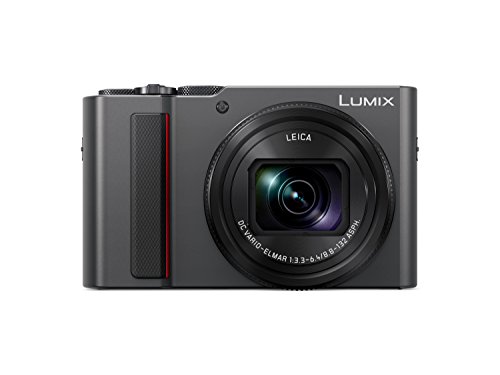
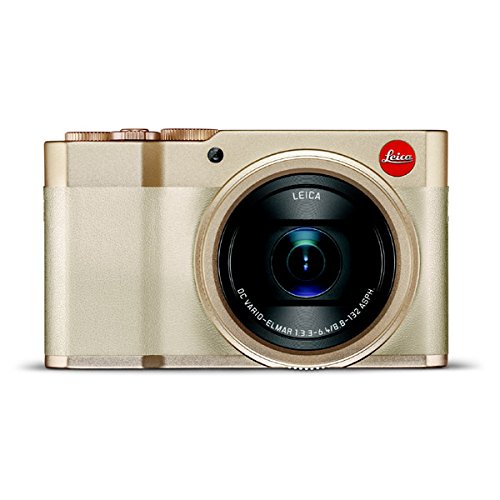
- Bulk or poor balance: Bridge cameras can approach small-DSLR size, while pocket zooms may have shallow grips. The lens specification should be judged together with carrying comfort and stability.