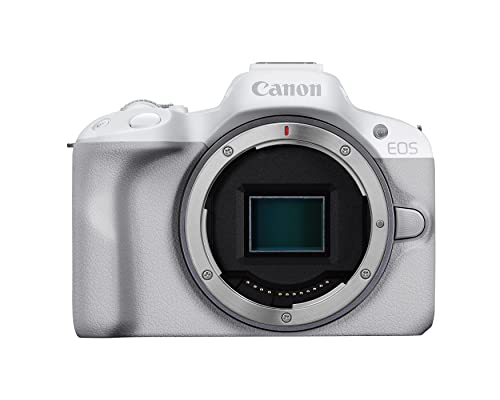
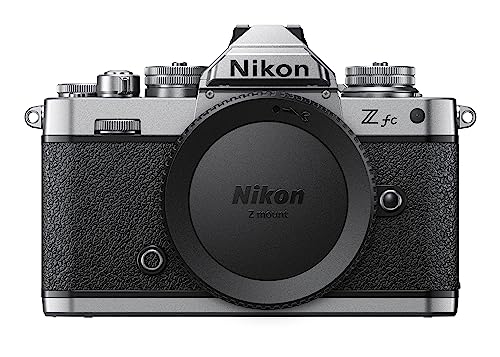
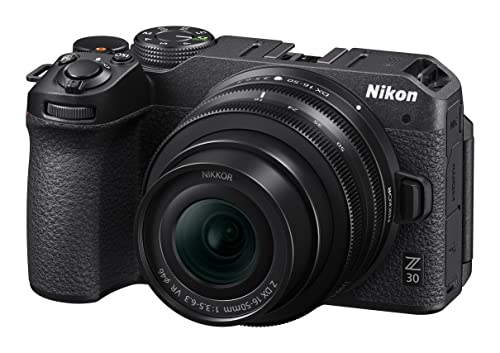
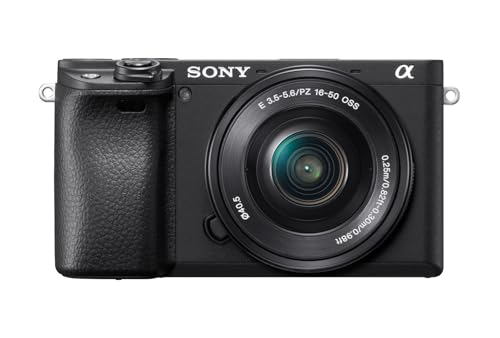
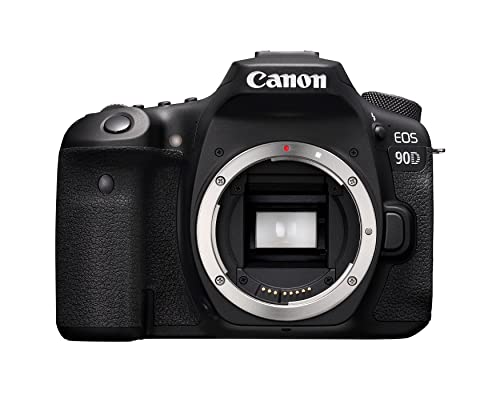
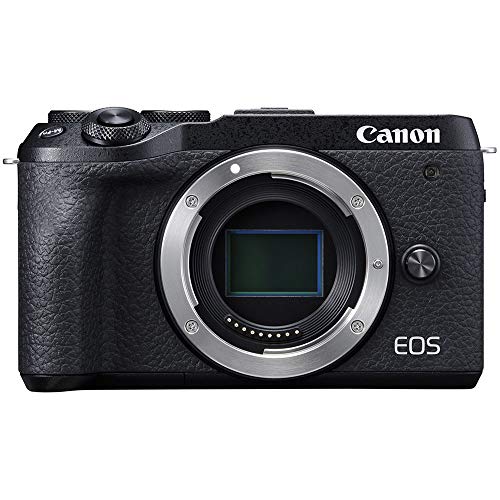
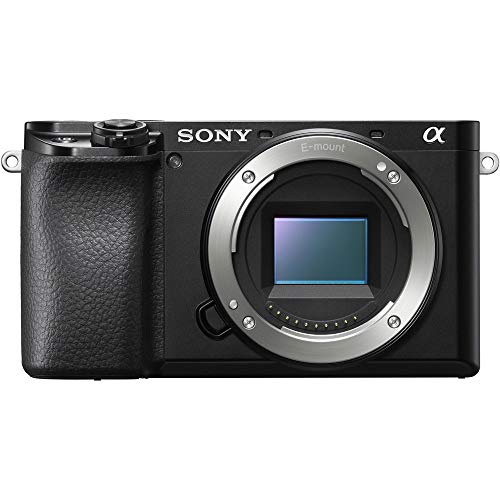
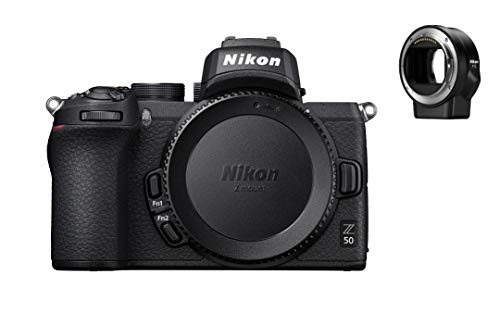
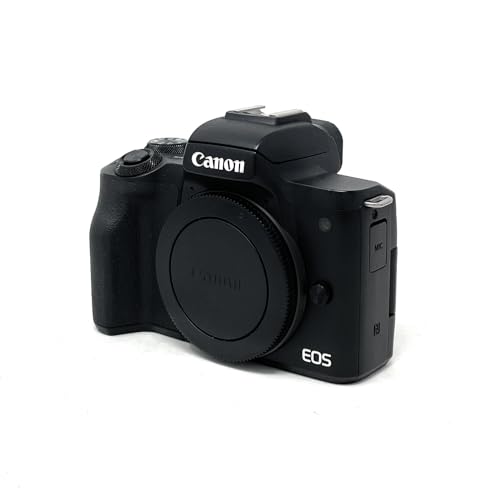
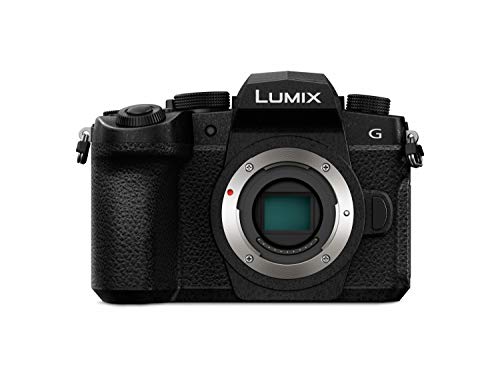
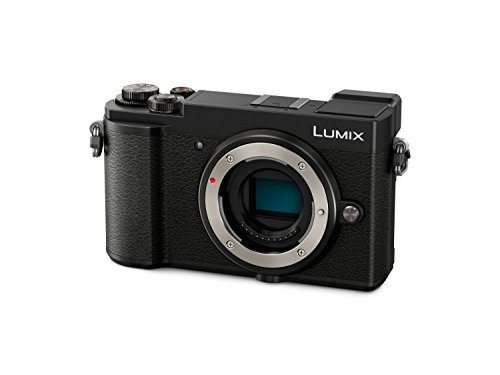
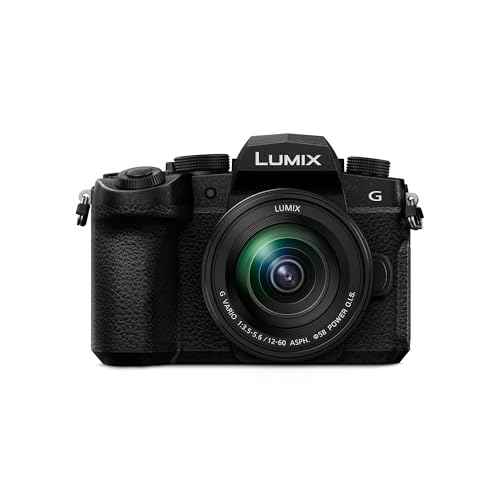
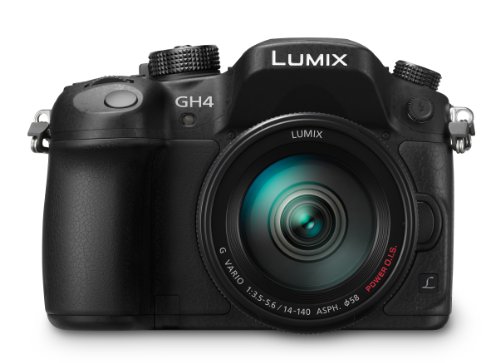
A camera is suitable for beginners when it removes avoidable obstacles but still provides room to learn photography. The body should feel comfortable, the menus and exposure information should be understandable, and automatic modes should produce dependable results while aperture priority, shutter priority, manual exposure, and RAW remain available.
Purchase fit matters as much as specification. A compact body around 350–600 g is easier to bring regularly, but it still needs a secure grip and controls large enough to use confidently; face and eye autofocus should handle family, pets, travel, and casual movement without constant intervention. A touchscreen that supports focus selection and menu navigation can shorten the learning curve.
The complete kit should stay within budget and remain useful beyond the first months. Check the price of a kit lens, spare battery, memory card, and the next lens likely to be needed, and favor a system with clear tutorials, dependable phone transfer, and enough battery life for a day of casual shooting.
How easy are cameras for beginners to learn?
Beginner cameras are easy to learn when their controls show a clear relationship between aperture, shutter speed, ISO, focus, and the resulting image. A live-view exposure preview, histogram, focus-point display, and touch selection give immediate feedback that a phone or fully automatic camera can hide.
Start with program or full auto to learn framing and timing, then move to aperture priority for depth of field and shutter priority for motion. Exposure compensation is the most useful early control because it brightens or darkens the image without requiring full manual operation.
Good guided modes can explain why the background becomes blurred or why motion freezes, but they should not be the only route to key settings. A well-labeled mode dial, one or two control dials, an accessible quick menu, and a customizable button make it easier to progress without relearning the camera.
Learning also depends on repetition. A lightweight camera with fast startup, reliable automatic focus, and simple phone transfer is more likely to be used often, while a technically stronger body that stays at home teaches very little. Beginners should expect a few focused practice sessions rather than instant mastery, but the camera should make mistakes understandable rather than mysterious.
What lens systems are best on cameras for beginners?
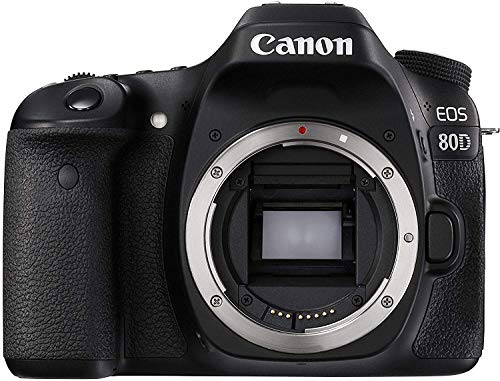
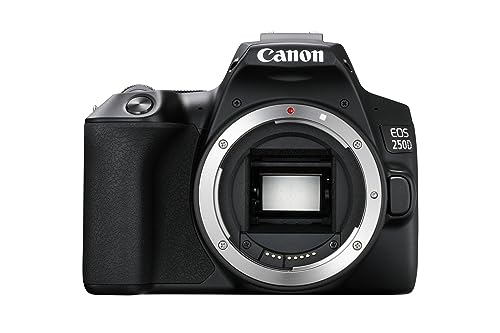
APS-C mirrorless systems are the best general lens choice for beginners because they combine manageable bodies, strong image quality, modern autofocus, and a growing range of compact lenses. Micro Four Thirds is especially attractive when low weight and affordable telephoto reach matter, while entry DSLR systems remain useful when low-cost lenses, an optical viewfinder, and long battery life have priority.
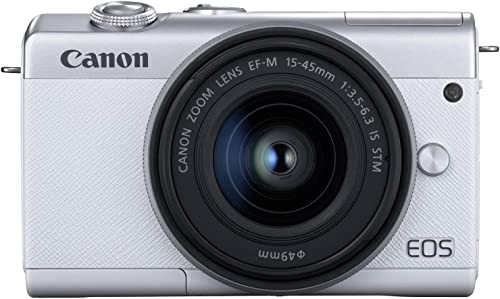
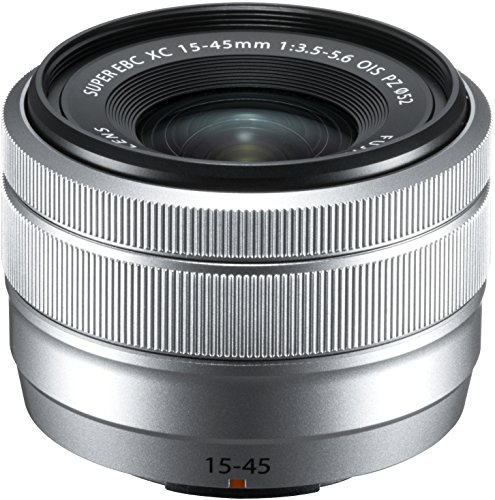
Begin with a stabilized kit zoom such as 15–45 mm, 16–50 mm, 18–55 mm, or 12–32 mm, depending on the sensor format. It covers everyday wide-angle through short-telephoto views and helps the photographer discover which focal lengths are used most, though its typical f/3.5–5.6 aperture is limited indoors.
The first additional lens should solve a clear problem. A compact f/1.7–f/2 prime improves low-light photography and background blur, a consumer telephoto serves sport and wildlife, and an ultra-wide lens helps interiors and landscapes. Check native lens prices before choosing the body, because mounts are not directly interchangeable and a cheap camera can become expensive if the needed lenses are scarce.