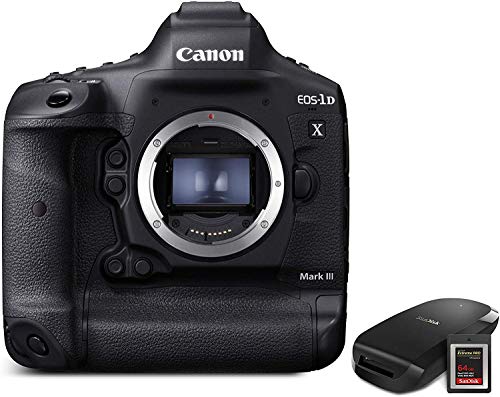
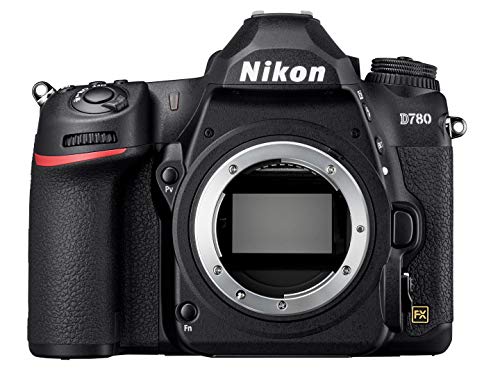
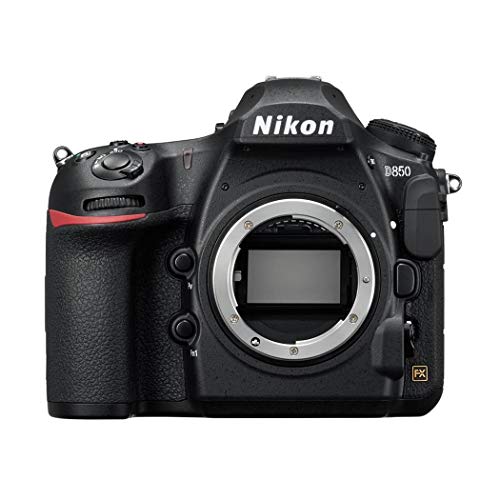
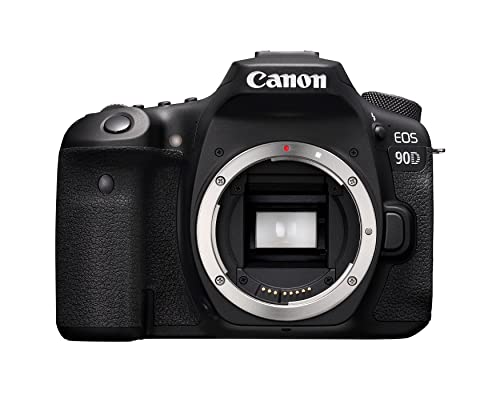
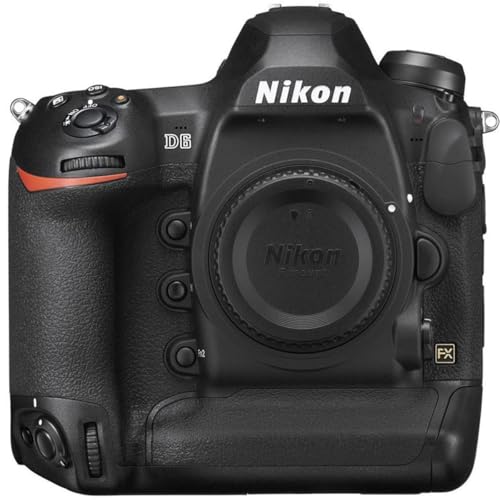
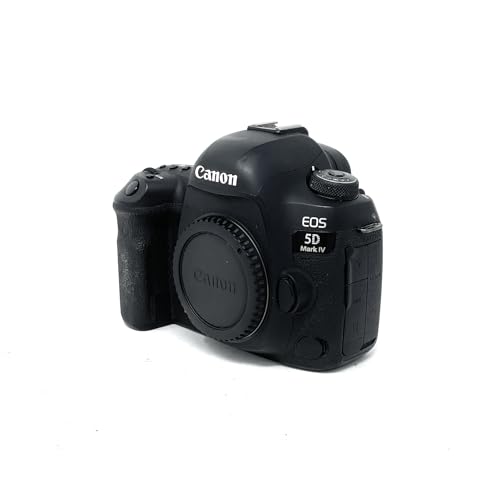
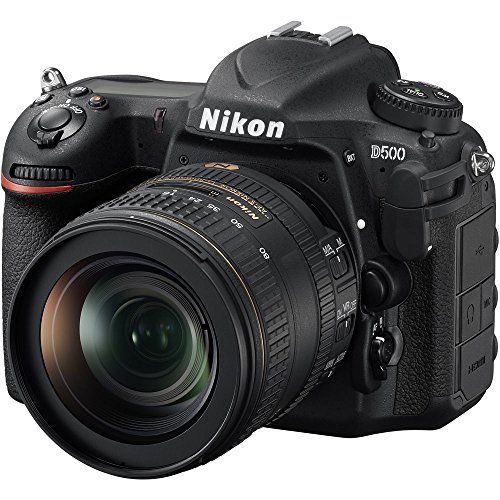
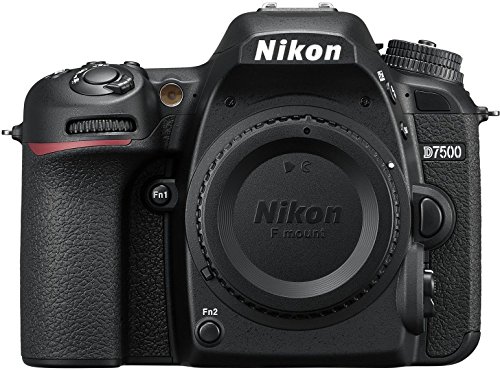
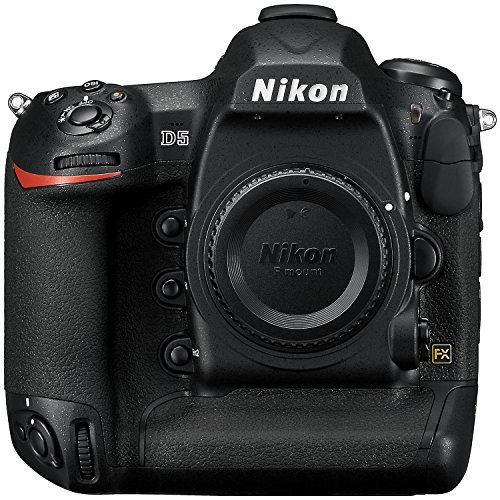
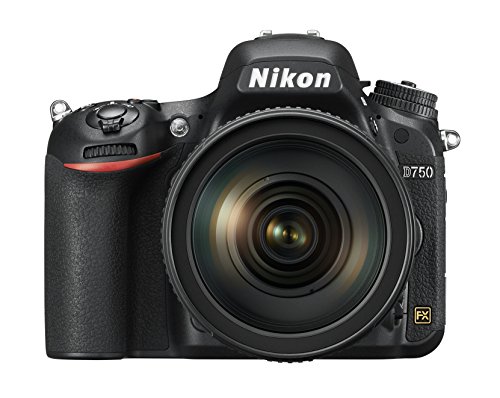
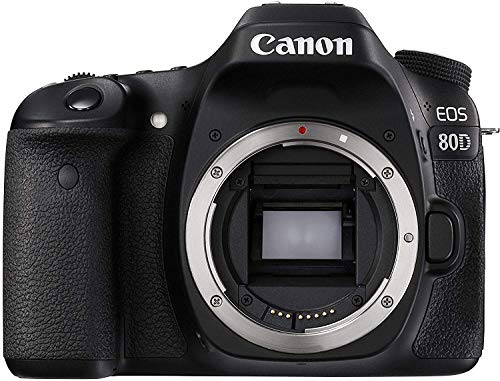
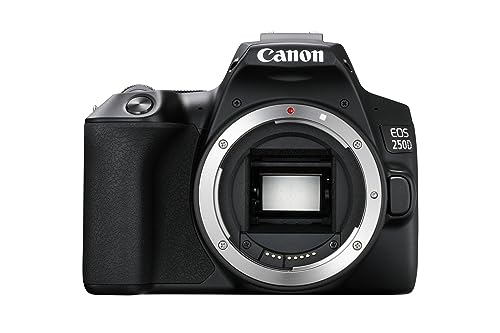
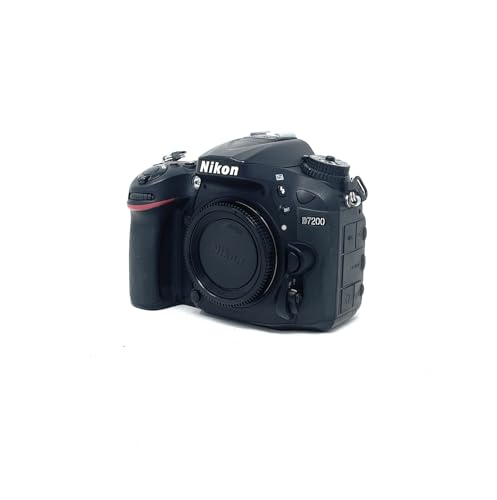
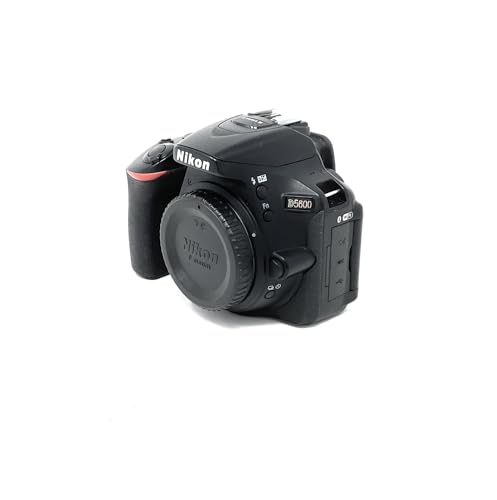
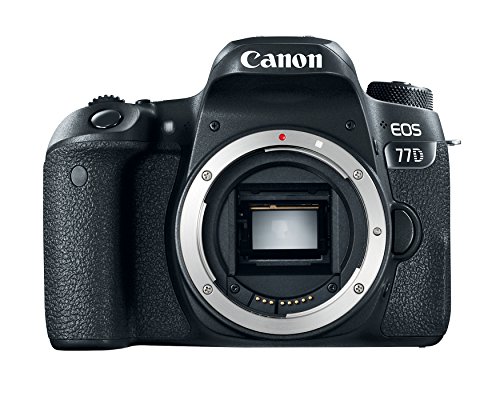
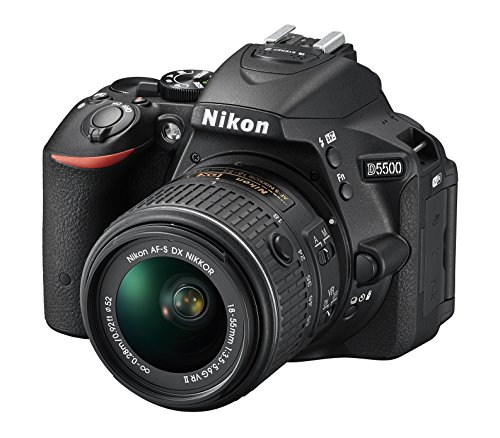
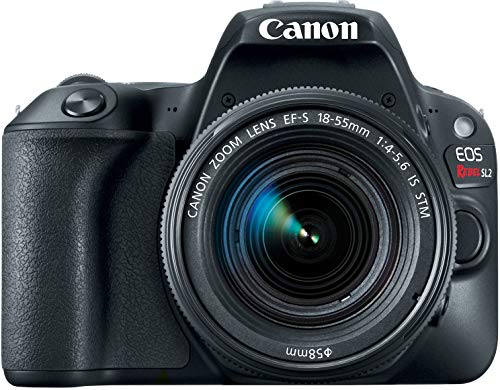
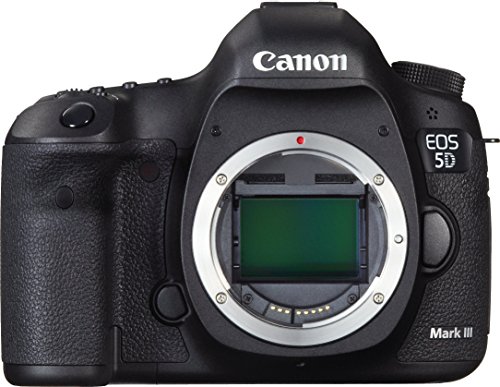
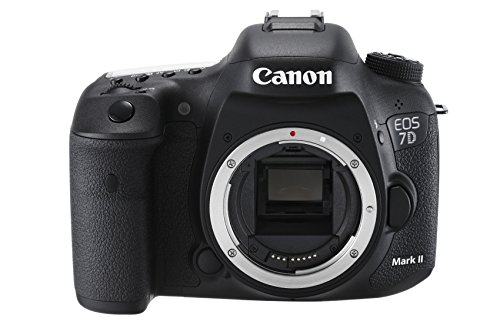
A DSLR camera is a digital interchangeable-lens camera that uses a reflex mirror to direct light from the lens into an optical viewfinder. When the shutter is released, the mirror swings upward, the shutter exposes the image sensor, and the viewfinder briefly goes dark.
Most DSLRs use an APS-C sensor of roughly 22.3 × 14.9 mm in Canon bodies or about 23.5 × 15.6 mm in many Nikon and Pentax bodies; full-frame models use a 36 × 24 mm sensor. The separate phase-detection autofocus module normally operates while the mirror is down, giving the camera fast viewfinder focusing without continuously powering a display.
In live view or video mode, the mirror remains raised and the rear screen shows the sensor feed. Performance then depends heavily on the model: cameras with on-sensor phase detection or Canon Dual Pixel CMOS AF can focus smoothly, while older contrast-detection systems may hunt or react slowly.
How do DSLR cameras differ from mirrorless cameras?
DSLR cameras differ from mirrorless cameras mainly by using a reflex mirror and optical viewfinder instead of showing a continuous sensor feed in an electronic viewfinder. A DSLR optical viewfinder has no display lag, uses almost no power while composing, and shows the scene naturally, but it cannot preview exposure, white balance, or picture profiles before capture.
Mirrorless bodies remove the mirror box, which allows shorter lens mounts, smaller bodies, autofocus coverage across more of the frame, and easier subject detection for both stills and video. Their electronic viewfinders can magnify focus and preview the finished exposure, although they consume more battery and may show lag or noise in very dark conditions.
The practical gap depends on the model. A DSLR often lasts roughly 600–1,600 CIPA-rated shots and balances comfortably with long telephoto lenses, whereas many mirrorless cameras are lighter and stronger for eye detection, silent shooting, stabilization, and modern video. DSLRs remain attractive for optical-viewfinder shooting and established lens collections, but mirrorless systems now receive most new body and lens development.
Lens choice can outweigh the body difference. Switching from Canon EF, Nikon F, or Pentax K to a mirrorless mount may require an adapter or replacement lenses, so compare the cost and autofocus compatibility of the complete system rather than body specifications alone.