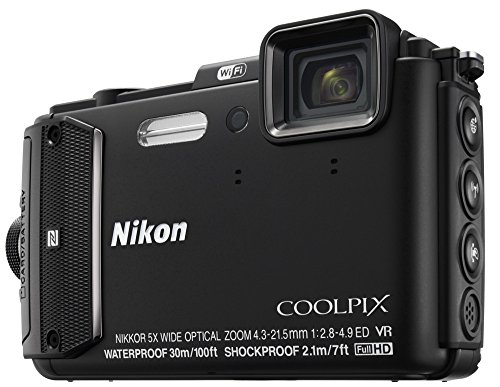
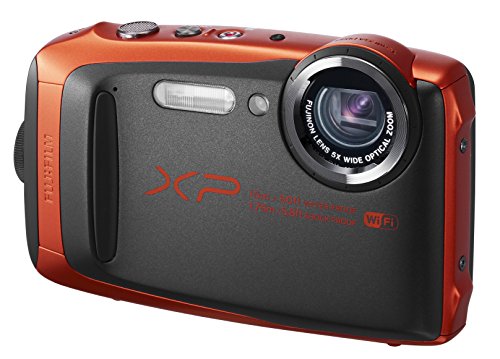
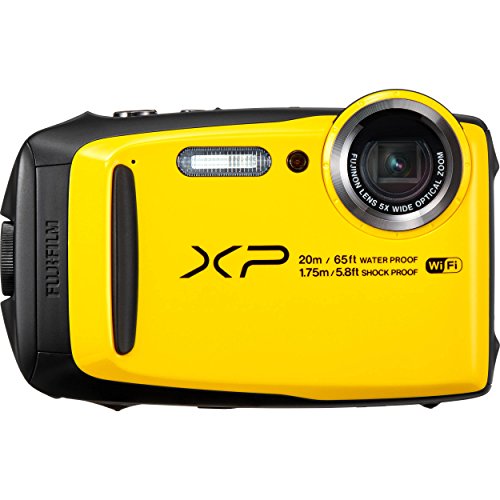
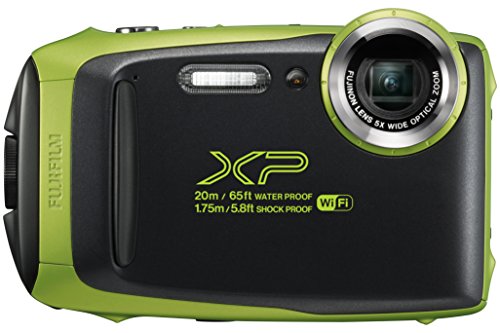
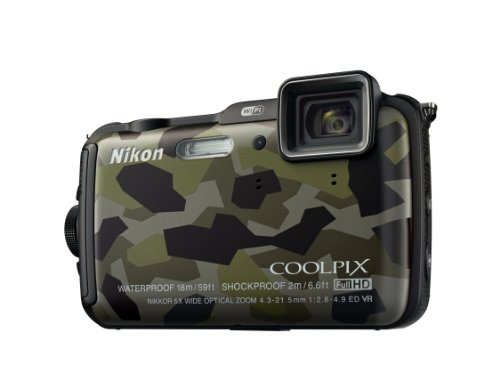
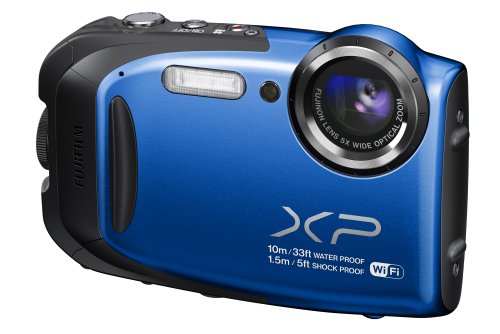
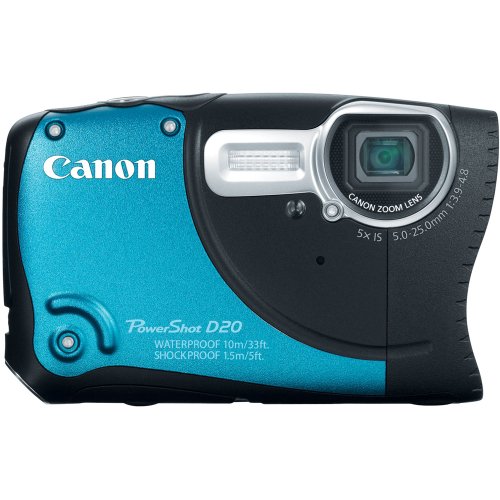
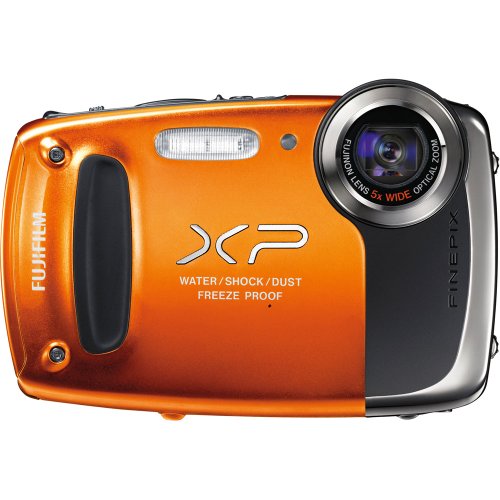
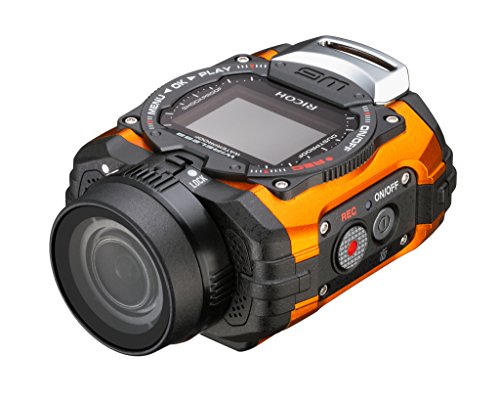
A camera is suitable for underwater use when its depth rating, sealing, controls, lens, and imaging features match the planned water activity. A body rated to 10 m can suit pools and shallow snorkelling, whereas regular descents near 20–30 m require a camera or housing explicitly rated beyond the maximum planned depth with a sensible safety margin.
Underwater handling matters as much as sealing. Large separated buttons, a secure wrist strap, a bright screen, a lens that starts around a 24–28 mm equivalent field of view, and reliable autofocus make framing easier when visibility is poor or gloves reduce dexterity; touchscreen-only functions are of little value once submerged.
Image and video controls should compensate for the way water absorbs red and orange light. Custom white balance, underwater scene modes, RAW files, flash or external-light support, and stabilization improve results, but color filters and built-in flash have limited useful ranges and cannot replace adequate lighting in deeper or murkier water.
How waterproof are underwater cameras without a housing?
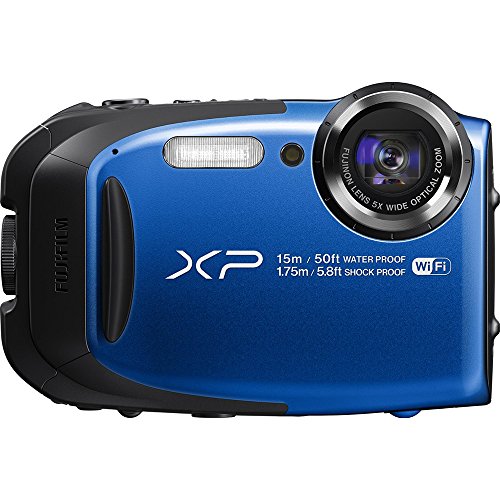
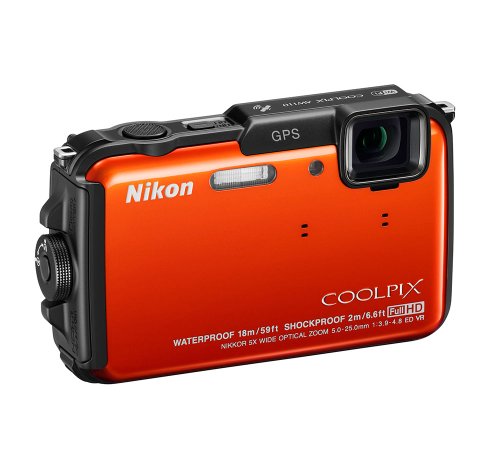
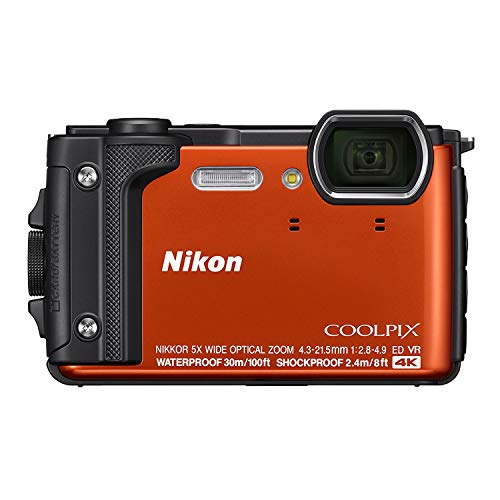
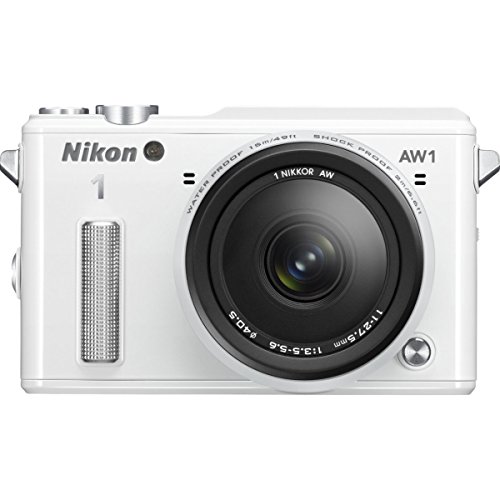
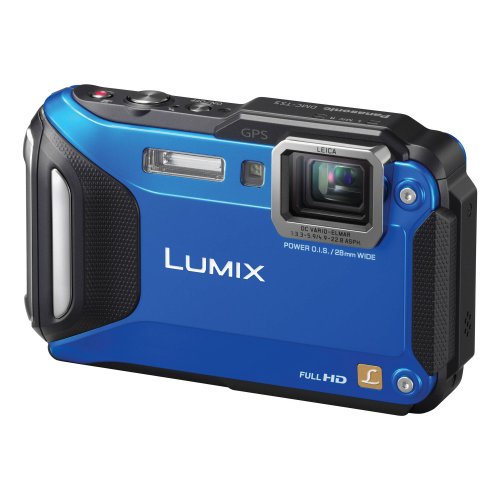
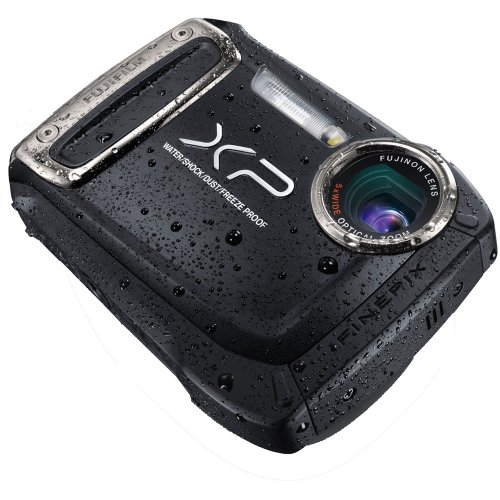
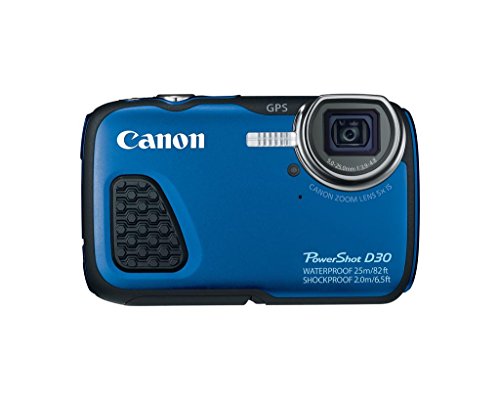
Underwater cameras without a housing are commonly waterproof to about 10–20 m, with the strongest rugged compacts reaching roughly 30–31 m. Ratings near 3–5 m are suitable for splashes, pools, and very shallow use, while 10–15 m covers most recreational snorkelling; the printed limit is a maximum test condition, not a target depth to exceed.
A depth rating applies only when every door, latch, seal, and connector cover is fully closed according to the instructions. Pressure rises by about one atmosphere for every 10 m of seawater, and dynamic impacts from jumping, waves, or jets can stress seals differently from a controlled static test, so stay within both the depth and activity guidance.
The chart below compares the waterproof depth ratings of underwater cameras.
[vertical-chart-12498974981125745756038290215252832785322016767621]
Do underwater cameras need a separate housing?
Underwater cameras need a separate housing for scuba depths beyond their native rating, but a correctly rated rugged camera can be used bare for pools, kayaking, and shallow snorkelling. A camera rated to 15 m should not be taken on a 25 m dive simply because the planned time at depth is short.
Dedicated housings commonly extend compact, action, mirrorless, or DSLR systems to about 40–60 m, while specialist housings may go deeper. The housing must match the exact camera model because button positions, lens clearance, port geometry, and heat management differ even between closely related bodies.
A housing also enables larger controls, trays, handles, external strobes, video lights, vacuum leak checks, and interchangeable dome or flat ports. Dome ports preserve a wider field of view for wide-angle lenses, while flat ports magnify the scene underwater and are often more appropriate for macro or narrower lenses.
The complete system should be assembled and tested exactly as its manufacturer specifies before a dive. Keep the housing rating, port rating, extension rings, cables, and accessories within their individual limits, because the shallowest-rated component sets the safe maximum for the whole rig.