
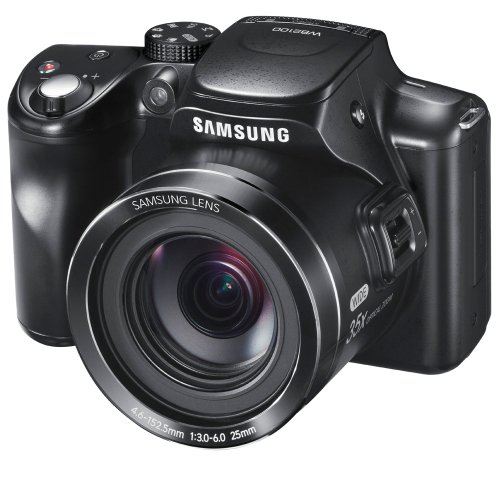
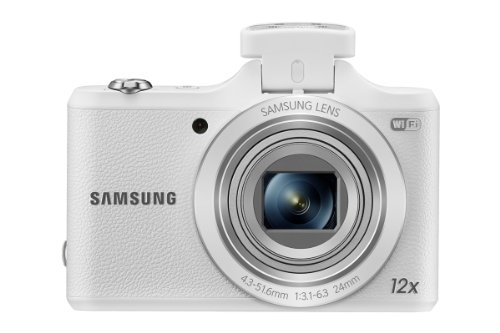
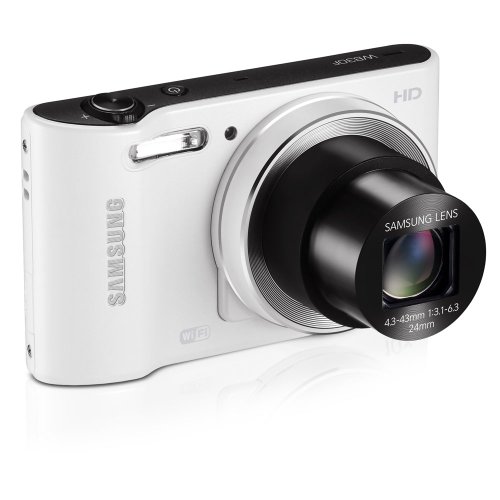
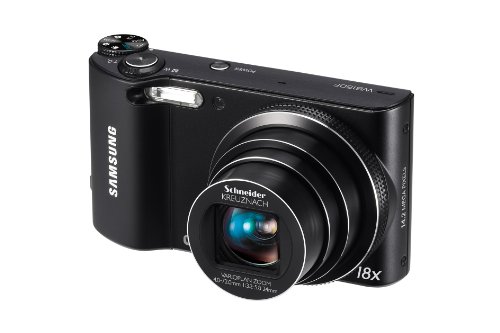
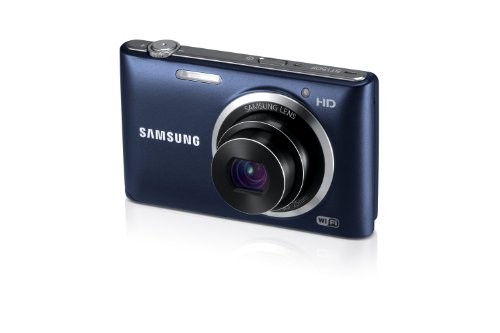
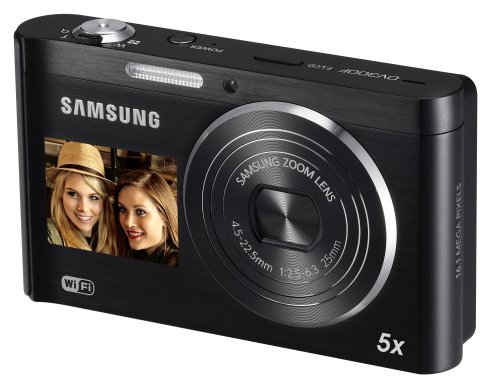


Are Samsung cameras good?
Samsung cameras have an average overall score of 5.3, ranking #11 among comparable camera brands, and a user rating of 8.5, placing them at #8 based on user reviews.
some Samsung cameras were technically excellent for their time, but they are only sensible today if the limitations of a discontinued system are acceptable.
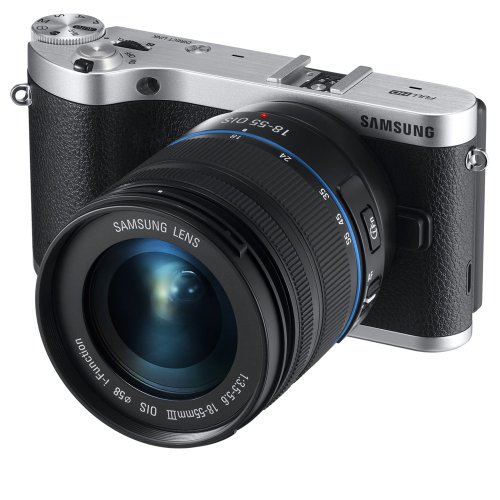
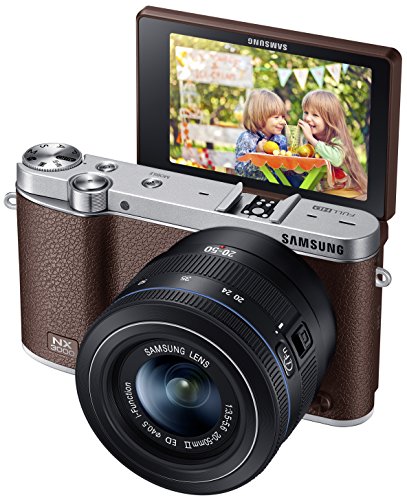
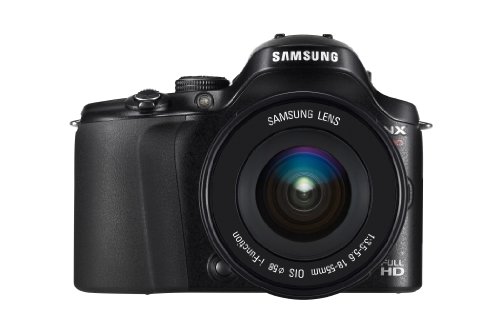
The NX1 was exceptional for its time, combining a 28.2 MP APS-C BSI sensor, hybrid autofocus, bursts up to 15 fps, weather resistance, and internal 4K H.265/HEVC video. The smaller NX500 carried much of that imaging pipeline into a compact body. The decisive weakness is continuity: Samsung makes no new camera bodies or NX lenses, NX and NX-M lenses are incompatible, service and accessories are limited, and some Wi-Fi or Android functions may no longer work. Buyers who need current subject detection, 10-bit video, manufacturer support, or a system that can grow should choose an active camera brand.
The chart below compares Samsung with other camera brands by average overall score.
[horizontal-chart-01577259834648091757105710739110051238292053984796]What are the main advantages of Samsung cameras?
The main advantages of Samsung cameras are as follows:
- Advanced APS-C sensor technology: The NX1 and NX500 featured a 28.2 MP backside-illuminated APS-C CMOS sensor at a time when that combination of resolution and readout speed was uncommon. Their files can still provide useful detail and cropping latitude at low and moderate ISO settings.
- Fast flagship performance: The NX1 offered bursts up to 15 fps with on-sensor phase-detection autofocus and a deep, weather-resistant body. That made it unusually capable for action and wildlife in its generation, although current cameras use more sophisticated subject-recognition algorithms.
- Early 4K video: NX1 and NX500 brought 4K recording and H.265/HEVC compression to compact interchangeable-lens cameras early. The codec reduced file size for its quality, but modern editing support, 10-bit capture, log workflows, and rolling-shutter performance should not be assumed.
- Connected controls and displays: Samsung integrated Wi-Fi, NFC, touch interfaces, and high-quality AMOLED screens across much of the NX range. The i-Function lens button also allowed exposure settings to be adjusted from the lens, giving the system a distinctive control method.
- Compact native lenses: The APS-C NX mount included small primes such as the 16 mm, 20 mm, 30 mm, and 45 mm options alongside stabilized zooms and higher-end S-series lenses. The catalogue was never as broad as mature Canon or Sony systems, but several lenses balanced size and image quality well.
What are the main disadvantages of Samsung cameras?
The main disadvantages of Samsung cameras are as follows:
- The camera system is discontinued: Samsung stopped developing dedicated cameras and NX lenses around 2015–2016, leaving no current bodies, firmware roadmap, or official upgrade path. This affects long-term service, replacement parts, batteries, flashes, and compatibility support.
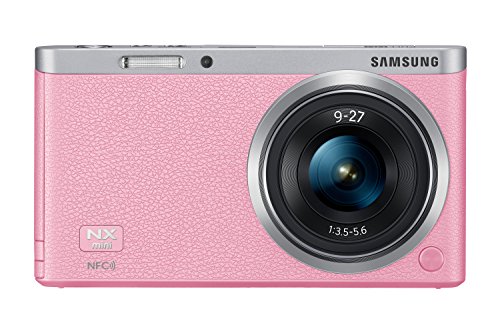
- NX and NX-M are different mounts: Standard Samsung NX cameras use the APS-C NX mount, while the NX Mini uses the smaller one-inch NX-M mount. The lenses are not directly interchangeable, and the limited NX-M catalogue makes that branch especially restrictive.
- Native lens choice is permanently fixed: No new autofocus NX lenses are being developed, and adapting NX lenses to current mirrorless mounts is difficult because of flange distance and electronic aperture and focus control. A lens investment therefore cannot move naturally into a modern Samsung successor body.
- Autofocus and stabilization are dated: The NX1 and NX500 had hybrid phase-detection systems, but they lack current human, animal, bird, and vehicle recognition. Samsung bodies also generally rely on optical stabilization in selected lenses rather than in-body image stabilization, so unstabilized primes receive no sensor-shift correction.
- Video and connectivity have aged: H.265 support is now common, but NX video is primarily an older 8-bit workflow without the internal 10-bit, log, open-gate, and high-frame-rate options expected from modern hybrids. Mobile apps, Android services, wireless sharing, and remote-control features may also depend on software or network support that is no longer maintained.