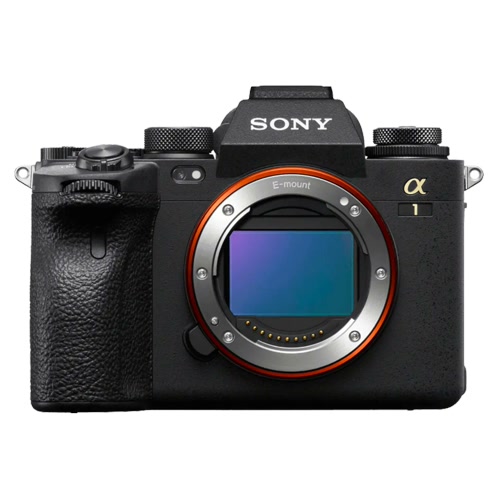
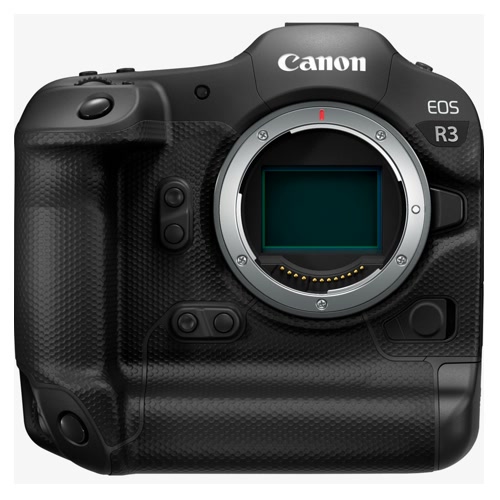
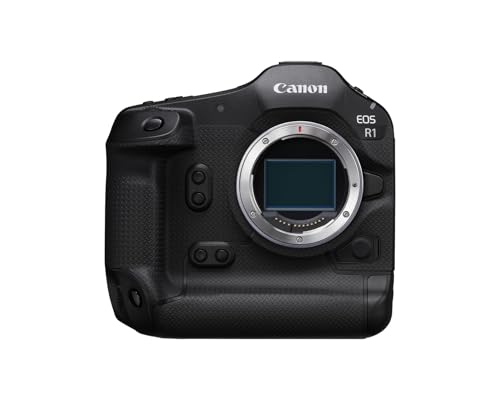
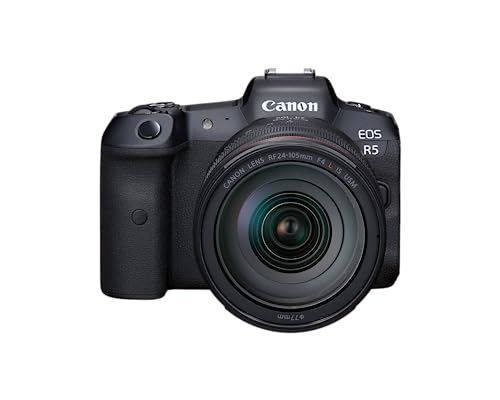
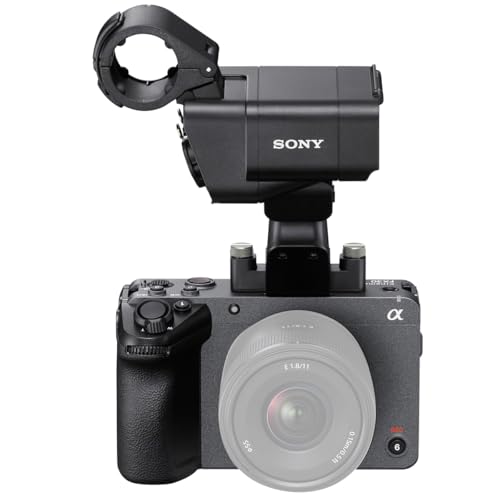
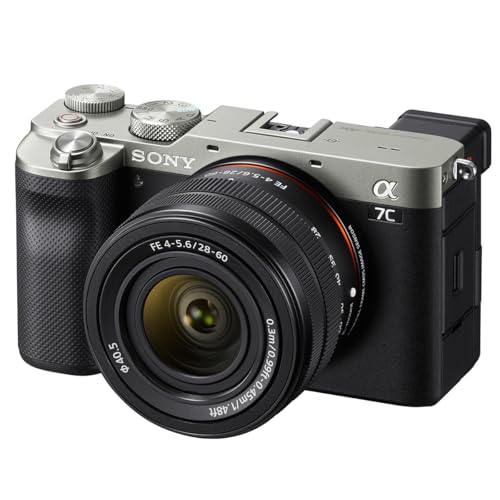
A 4K camera is a camera that records video with a horizontal resolution of at least about 4,000 pixels, most commonly Ultra HD at 3840 × 2160. That frame contains about 8.3 million pixels, four times the pixel count of 1920 × 1080 Full HD.
Some cameras also offer Digital Cinema Initiatives 4K at 4096 × 2160, which is slightly wider and is commonly associated with cinema workflows. The 4K label describes output resolution only; it does not guarantee high bitrate, 10-bit color, fast sensor readout, good autofocus, or strong low-light performance, so those specifications must be assessed separately.
How do 4K cameras differ from Full HD cameras?
4K cameras capture four times as many pixels per frame as Full HD cameras, so they can preserve finer texture, support larger displays, and allow more reframing before a 1080p export. Ultra HD uses 3840 × 2160 pixels, while Full HD uses 1920 × 1080.
The extra resolution is most visible in detailed landscapes, architecture, product shots, and footage viewed on a large 4K screen. It also allows an editor to crop, straighten, or apply modest digital stabilization while still delivering a sharp Full HD result. However, a well-processed 1080p image can look better than soft or heavily compressed 4K from a weak sensor readout.
4K files demand more storage, processing power, and battery energy. They can also expose rolling shutter, heat limits, lens softness, and focusing errors more clearly, so the practical improvement depends on bitrate, codec, sensor crop, frame rate, and the computer used for editing rather than resolution alone.