
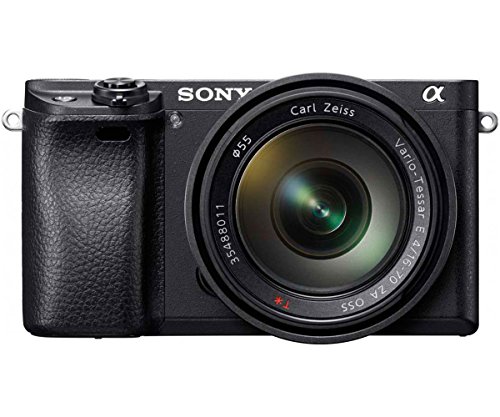
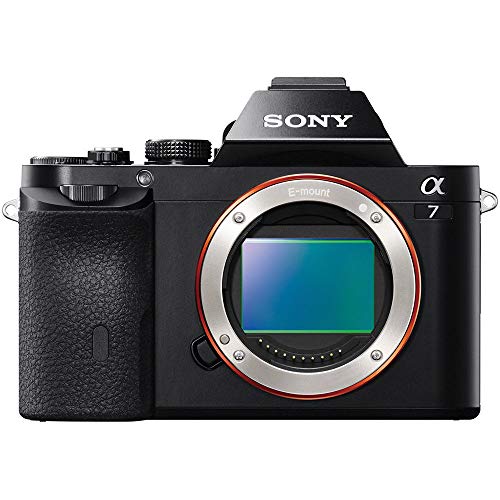


Are Sony cameras good?
Sony cameras have an average overall score of 8.7, ranking #1 among comparable camera brands, and a user rating of 9.1, placing them at #4 based on user reviews.
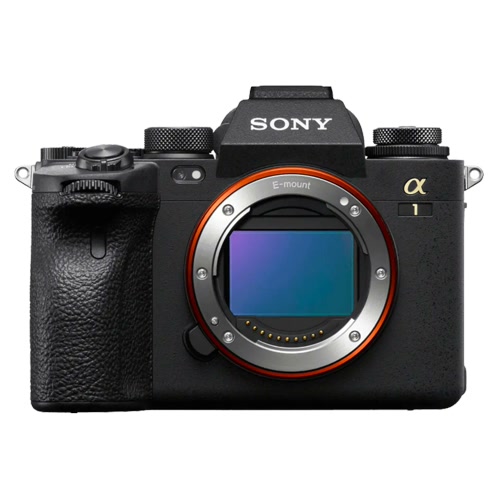
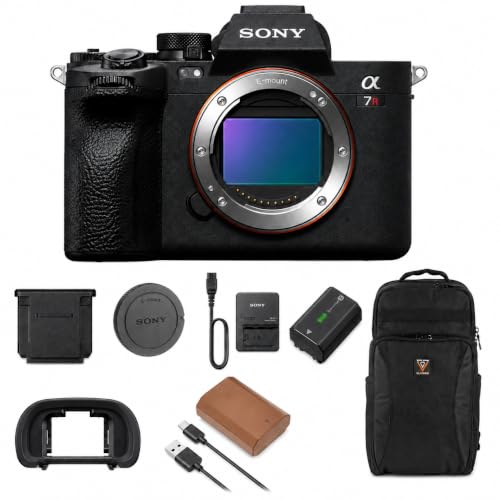
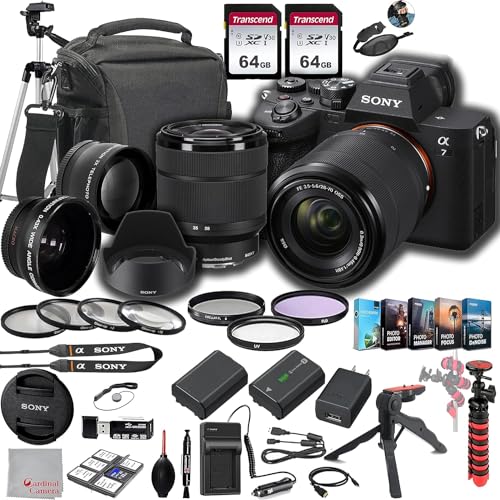
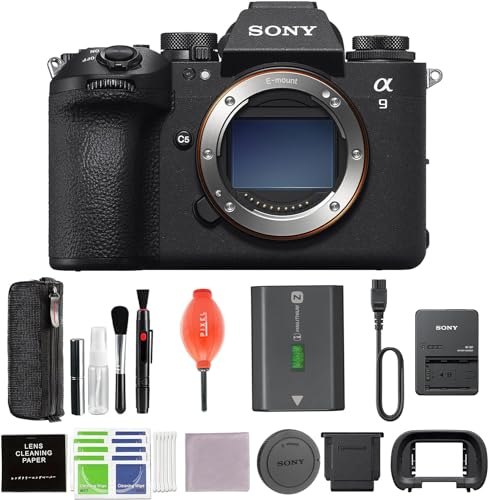
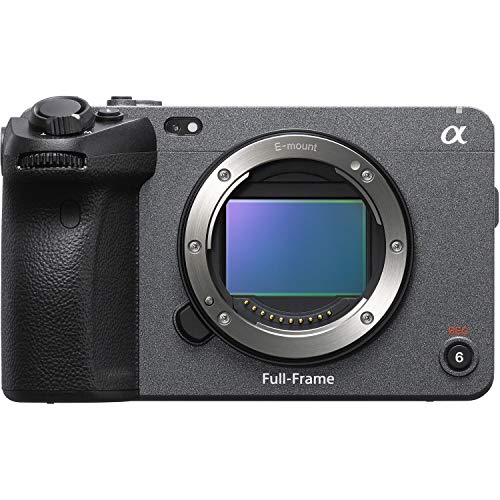
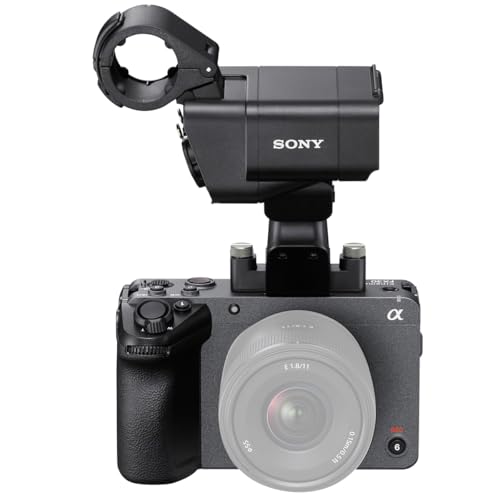
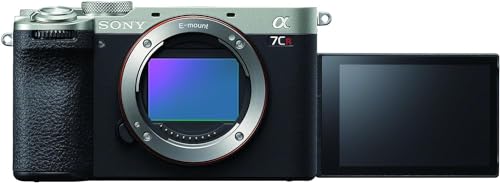
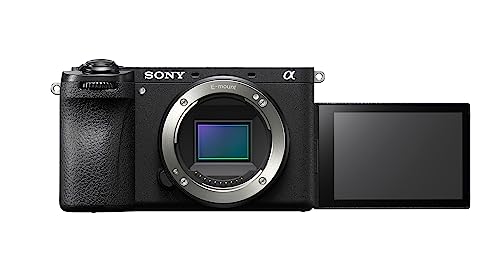
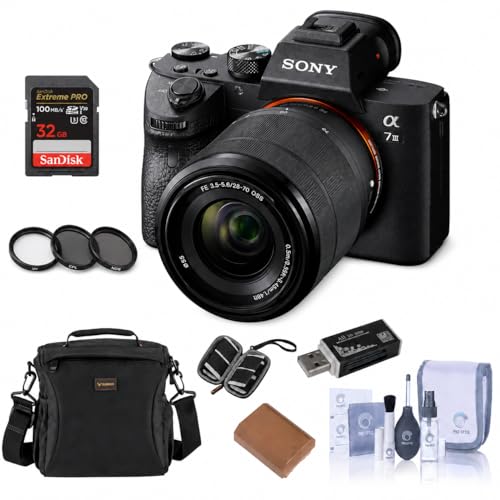
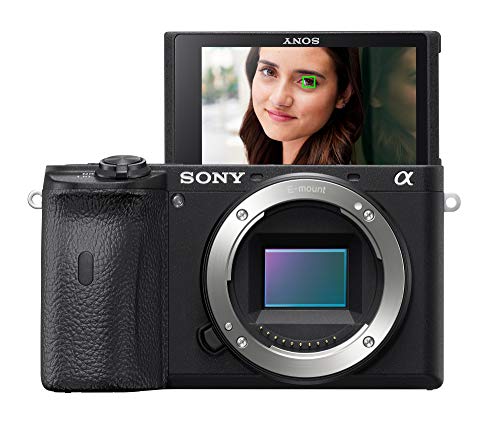
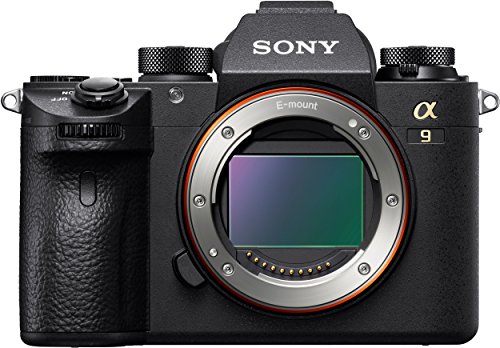
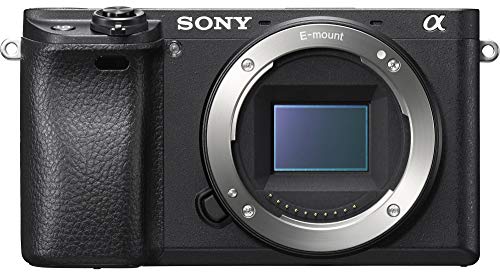
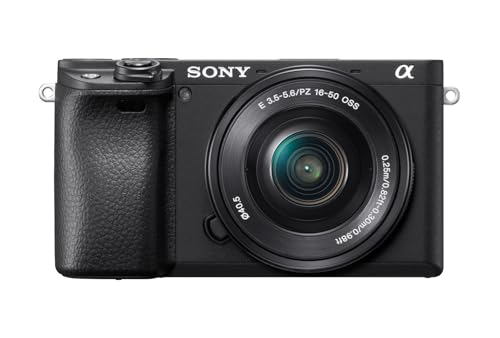
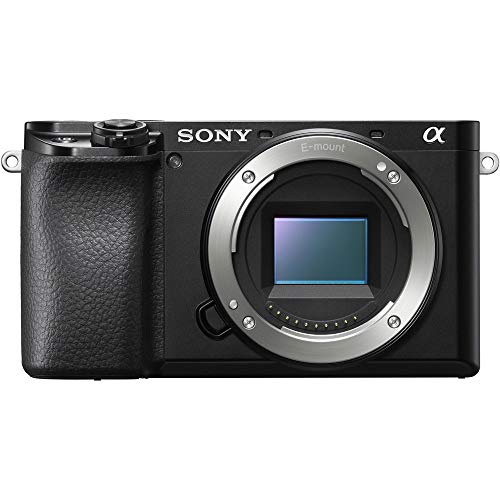
Sony cameras are very good for photographers and filmmakers who value reliable subject tracking, strong sensors, and a broad E-mount lens choice. The range spans compact APS-C bodies, high-resolution full-frame cameras, stacked-sensor sports models, and video-focused options.
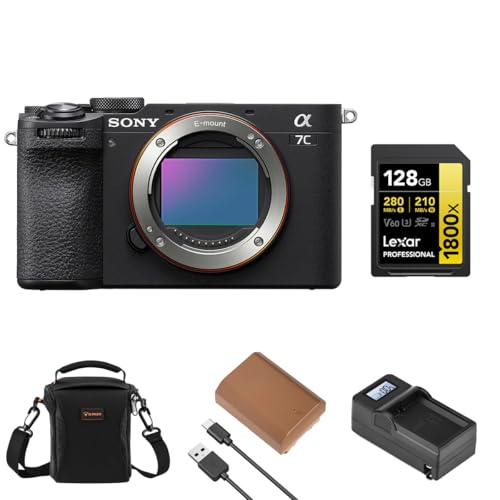
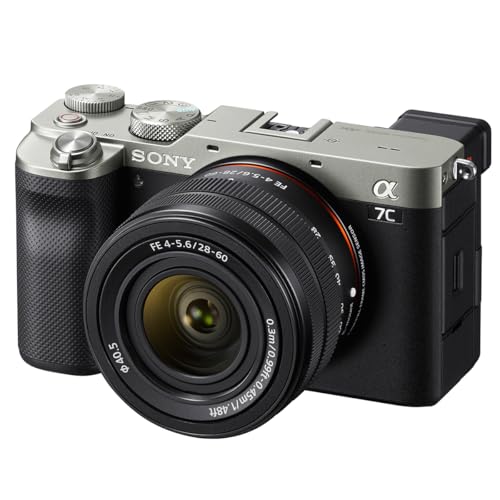
Alpha 1 and Alpha 9 models prioritize speed, Alpha 7R resolution, Alpha 7S and ZV video, and the Alpha 6000 series compact APS-C kits. E-mount also has extensive Sigma, Tamron, Samyang, and Zeiss support. The main trade-offs are cramped grips with large lenses, weaker menus on older bodies, and rolling shutter from some non-stacked sensors, so choose by handling and the exact shooting mode as well as headline autofocus specifications.
The chart below compares Sony with other camera brands by average overall score.
[horizontal-chart-01577259834648091757105710739110051238292053984796]What are the main advantages of Sony cameras?
The main advantages of Sony cameras are as follows:
- Autofocus and subject recognition: Recent Alpha cameras combine wide frame coverage with dependable eye detection and subject tracking for people, animals, birds, vehicles, and other targets. This reduces the need to move a focus point manually during sports, wildlife, events, and self-recorded video.
- Sensor choice and speed: Sony offers high-resolution sensors for cropping and studio work, lower-resolution sensors optimized for low light and video, and stacked sensors designed for rapid readout. Buyers can therefore choose between detail, sensitivity, and burst performance instead of accepting one sensor formula across the range.
- E-mount lens selection: Full-frame FE and APS-C E lenses share the same physical mount, and the system has unusually broad support from Sony, Sigma, Tamron, Samyang, Zeiss, and specialist manufacturers. That creates more choices at different sizes and prices, from compact primes to professional f/2.8 zooms and long wildlife lenses.
- Strong hybrid-video tools: Many current bodies offer 4K recording, log profiles, microphone connectivity, subject-tracking autofocus, and articulated or tilting displays. Higher models add features such as 10-bit recording, high-frame-rate 4K, full-size HDMI, advanced heat management, or minimal-crop oversampled modes, although the exact combination varies.
- Compact system options: Alpha 6000-series and Alpha 7C bodies place capable interchangeable-lens systems in relatively small packages, while ZV and RX models reduce size further for creators or travel. The advantage is most noticeable with compact primes and small zooms; large GM lenses can erase much of the body-size benefit.
What are the main disadvantages of Sony cameras?
The main disadvantages of Sony cameras are as follows:
- Handling can be cramped: Several Alpha bodies are deliberately compact, but a shallow grip and tightly packed controls may be uncomfortable with an f/2.8 zoom or long telephoto. Photographers who work for hours should try the body with the intended lens and compare joystick, dial, and button placement rather than judging body weight alone.
- Menus differ sharply by generation: Newer Sony cameras use a clearer tabbed interface and often provide touch-enabled navigation, while older Alpha and RX models retain denser menu systems with limited touch operation. Moving between generations can therefore feel less consistent than staying within one recent body family.
- Rolling shutter varies by sensor: The electronic shutter on a conventional, non-stacked sensor can bend vertical lines, distort fast subjects, or create banding under artificial lighting. Alpha 1 and Alpha 9-class stacked sensors read out much faster, but buyers of other models may need the mechanical shutter for action and should test video pans at the intended resolution and frame rate.
- Video features are model-specific: Some bodies apply an APS-C crop at particular 4K frame rates, omit 10-bit recording, use micro-HDMI, or have shorter practical recording endurance in warm conditions. A ZV label or an Alpha S badge does not guarantee every professional connection or codec, so the exact crop, bit depth, heat behavior, and card requirement matter.
- The complete kit can become expensive: Sony offers inexpensive third-party lenses, but premium GM zooms, fast primes, CFexpress Type A cards, spare NP-FZ100 batteries, cages, and audio accessories raise the total quickly. A small body is not necessarily a small or affordable system once the lenses required for sports, wildlife, or professional video are included.