


Are Polaroid cameras good?
Polaroid cameras have an average overall score of 3.8, ranking #15 among comparable camera brands. The available weighted user-review sample is not sufficient for a reliable brand-level user-rating average or position.
Polaroid cameras are good for parties, portraits, creative projects, scrapbooks, gifts, and photographers who value a large one-of-a-kind print more than sharpness, speed, or low running cost.
Now and Flip models automate exposure and focus, Now+ adds app-connected creative controls, I-2 provides the most advanced autofocus and exposure options, and Go uses a smaller portable print. Standard i-Type and 600 film produces an image around 79 × 79 mm, and eight-shot film packs often cost around £20 in European markets. Dynamic range is limited and development reacts to light and temperature, so choose Polaroid for its large print, soft color, and deliberate unpredictability rather than technical consistency.
The chart below compares Polaroid with other camera brands by average overall score.
[horizontal-chart-01577259834648091757105710739110051238292053984796]What are the main advantages of Polaroid cameras?
The main advantages of Polaroid cameras are as follows:
- Large iconic square prints: i-Type, 600, and SX-70 film produce the familiar white-bordered frame with an image area of roughly 79 × 79 mm. The print is larger than Instax Square and has enough border for notes, dates, signatures, or display.
- Immediate physical sharing: Each exposure develops into a unique object without a printer, phone, cloud account, or editing session. This changes social photography because the picture can be handed to the subject or placed directly into an album.
- Several levels of creative control: Now and Flip emphasize automatic operation, Now+ adds Bluetooth app functions, and I-2 provides manual exposure, aperture priority, shutter priority, multiple exposure, self-timer, and external-flash options. Buyers can therefore choose simplicity or deliberate control without leaving the same large Polaroid film family.
- Active support for several film generations: Current production includes battery-free i-Type film for modern rechargeable cameras, battery-equipped 600 and SX-70 packs for compatible classic systems, and smaller Go film. Continued film manufacture keeps major Polaroid formats usable even though their electrical and sensitivity requirements differ.
- Distinctive rendering: Polaroid chemistry produces softer detail, restrained dynamic range, visible development variation, and color that changes subtly with light and temperature. For portraits, fashion, events, and experimental work, that imperfect rendering can feel more expressive than a technically cleaner digital print.
What are the main disadvantages of Polaroid cameras?
The main disadvantages of Polaroid cameras are as follows:
- High cost per photograph: Standard i-Type, 600, and SX-70 packs normally contain eight exposures and often cost about £20. Go film is cheaper per frame, but its image is substantially smaller.
- Slow and sensitive development: Color film commonly needs around 10–15 minutes to develop and should be shielded from strong light during the early stage. Cold conditions can push color toward blue and slow chemistry, while excessive heat can shift color and contrast in the opposite direction.
- Limited exposure latitude: Bright skies, dark interiors, backlighting, and subjects beyond the flash range can exceed what the film records cleanly. Even I-2's manual controls cannot recover clipped highlights or blocked shadows after the chemical image has formed.
- Fixed lenses and approximate framing: Most Polaroid cameras have a fixed lens, optical viewfinder parallax, and a minimum focusing distance that matters for close portraits. Autofocus may choose between zones or lens elements rather than track a subject like a digital mirrorless camera.
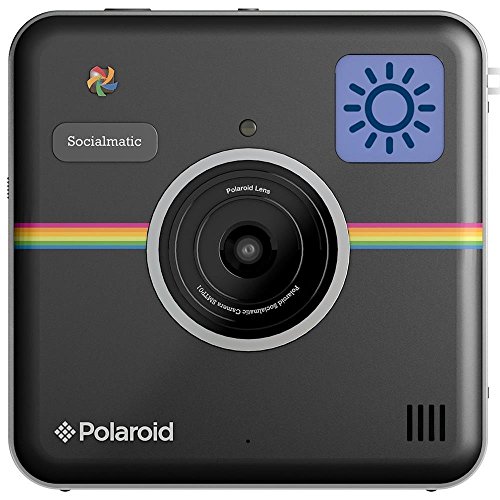
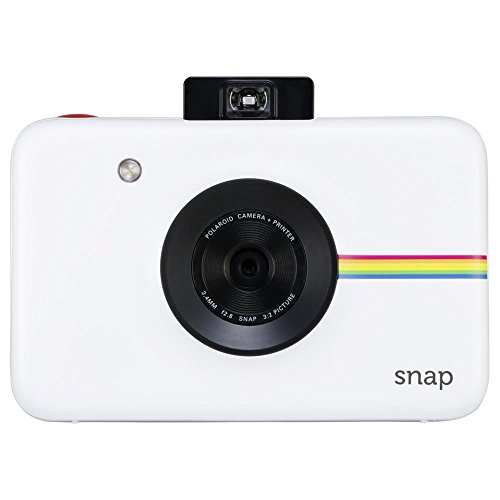
- Film formats are not interchangeable: i-Type and 600 share the same frame size, but i-Type packs omit the battery required by many 600 cameras; SX-70 film is much less sensitive, and Go film is physically smaller. Snap and Socialmatic use ZINK paper instead of instant film, so their consumables are completely separate.