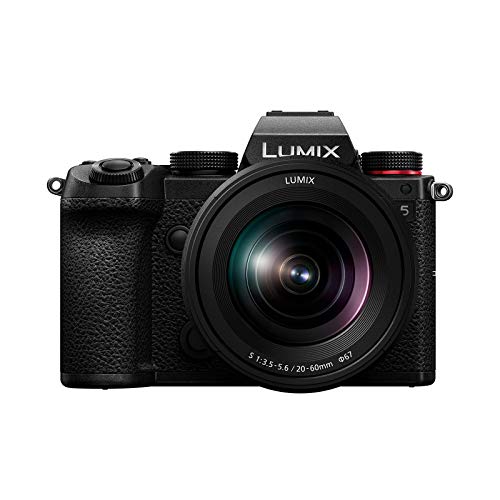
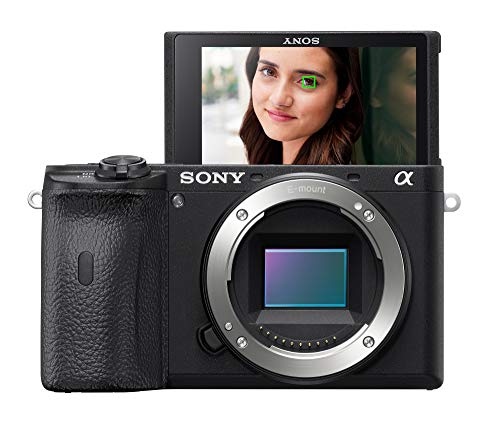
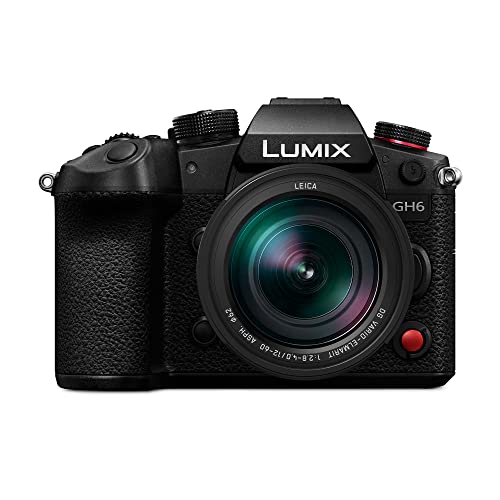
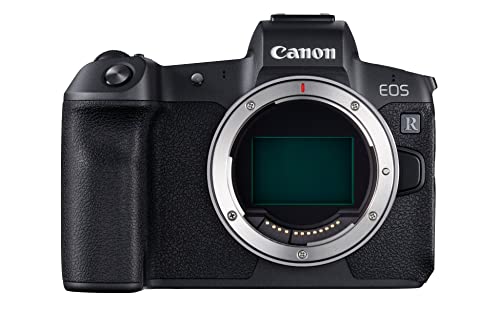
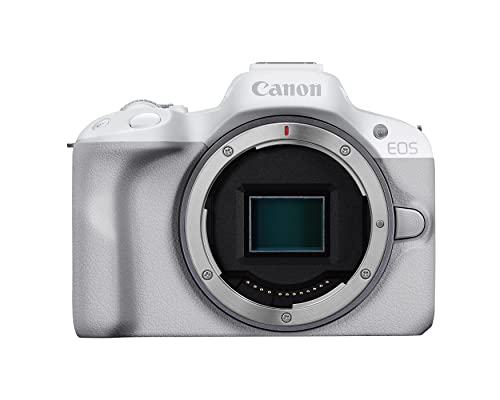
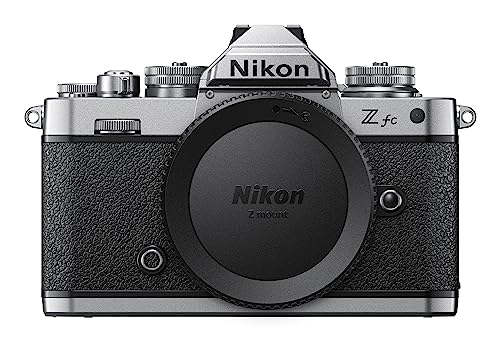
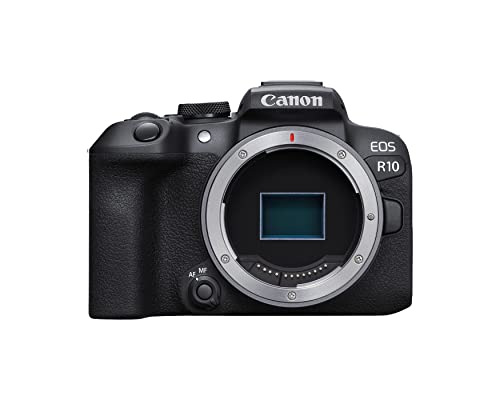
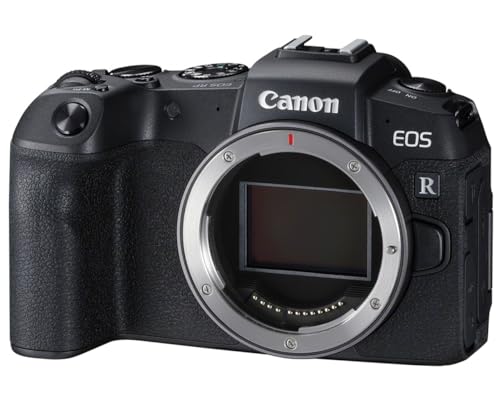
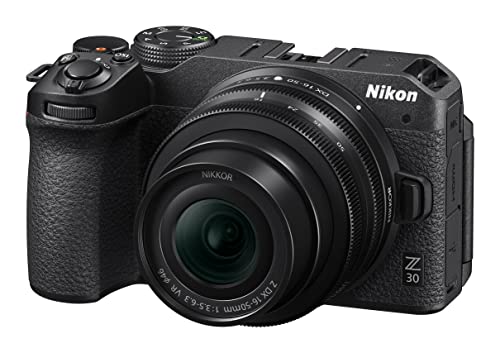
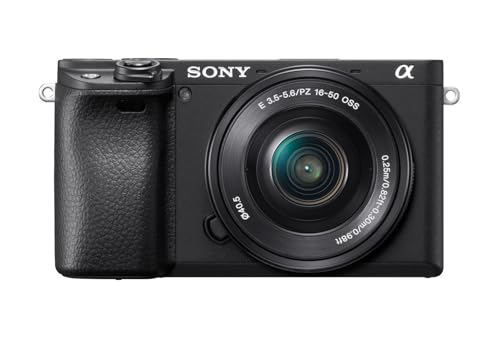
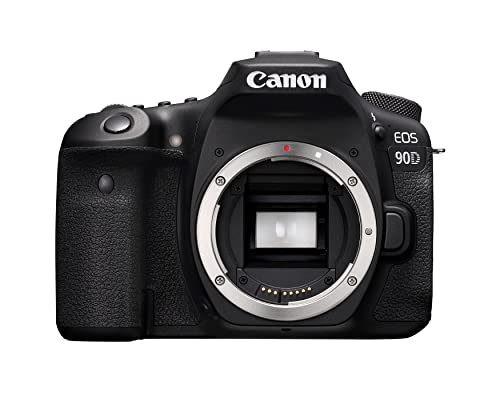
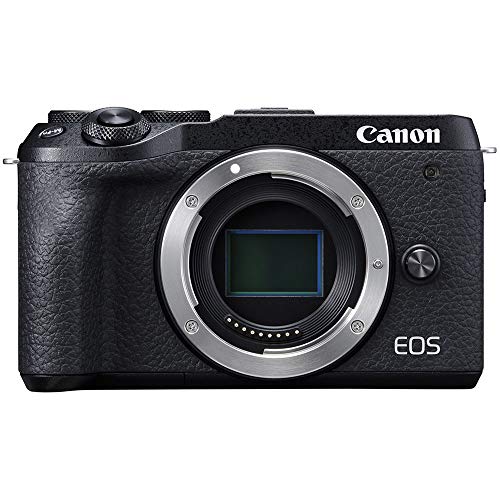
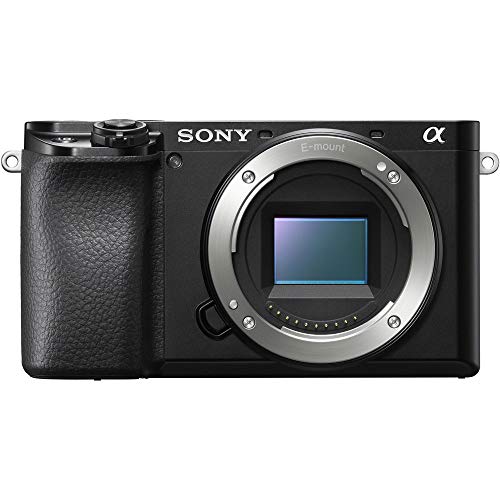
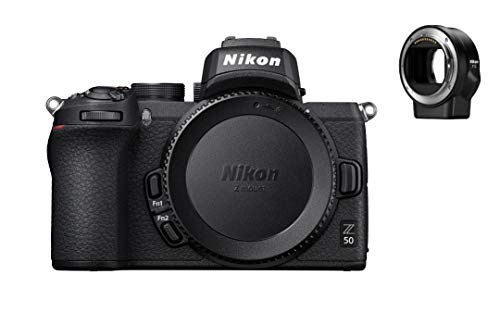
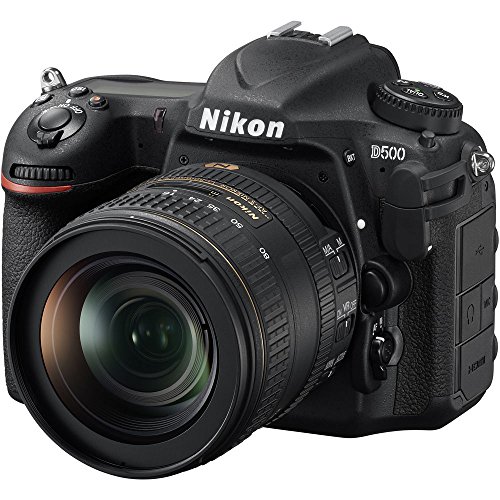
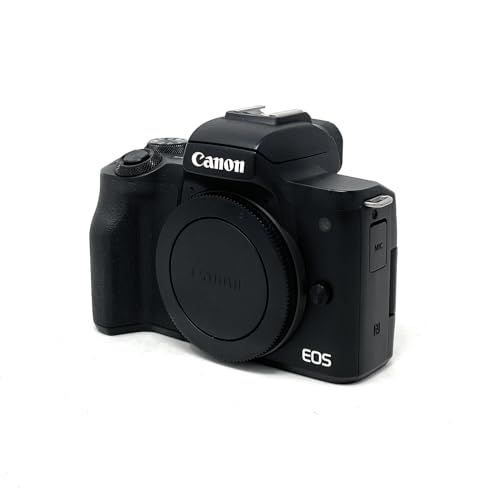
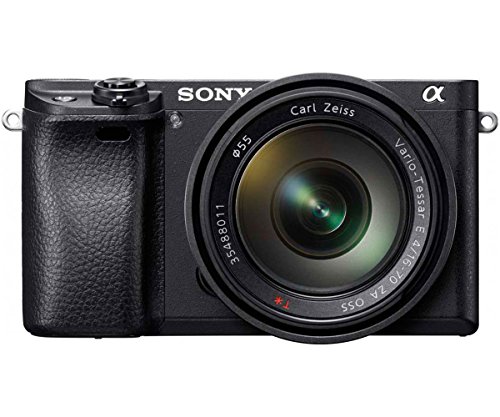
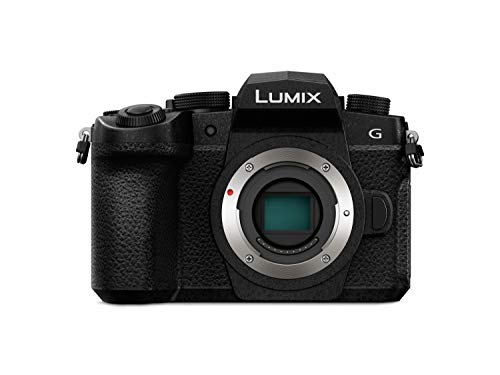
Cameras under £860 can deliver enthusiast-level still-image quality, responsive autofocus, useful RAW bursts, and genuinely capable 4K video. This budget includes many APS-C and Four Thirds mirrorless bodies, well-equipped DSLRs, premium compacts, long-zoom bridge cameras, and discounted or older full-frame models.
Compared with the under-500 class, phase-detection autofocus, RAW capture, touchscreens, microphone inputs, better viewfinders, and faster mechanical bursts become much more common. Sensor-shift stabilization is available on selected models rather than universal, and the best implementation may depend on whether the buyer prioritizes handheld stills or stabilized video.
Expect the strongest value around a clear use case. Travel photographers may prefer a compact body with a 16–80 mm or 18–135 mm-class zoom, portrait photographers benefit more from a bright 35/50/85 mm prime, and action photographers should prioritize tracking and buffer depth. The £860 ceiling is enough for a strong camera, but not always for a strong body and every desired lens.
The following chart shows how camera prices are distributed within the £860 limit.
[vertical-chart-04650919904156684232093373859478918281650521574164]
What compromises are common on cameras under £860?
The most common compromises on cameras under £860 are as follows:
- Body-only pricing: Attractive specifications may fit the limit only before a useful lens is added. A higher-end body with a basic kit zoom can be less effective than a cheaper body paired with better optics.
- Selective weather protection: Some models seal the body but require a sealed lens to complete the system, while others provide no formal protection. Weather resistance should not be assumed from a metal body or premium appearance.
- Inconsistent stabilization: Sensor-shift stabilization is available in this range but not standard, and its rating can change with focal length or video mode. Cameras without it depend on stabilized lenses or electronic cropping.
- Limited sustained action performance: Headline bursts of 10–20 fps may use electronic shutter, reduced bit depth, fixed exposure, or a shallow buffer. Mechanical speed, RAW depth, card type, and buffer-clearing time should be checked separately.
- Midrange video restrictions: 4K may be limited to 30 fps, use a crop, overheat, or lack 10-bit internal recording and headphone monitoring. Faster 4K/60p and professional codecs remain model-specific.
- Single-card designs: Most cameras below £860 use one SD slot, often UHS-I on older models. This is sufficient for general use but provides no immediate backup and can slow long RAW bursts.
- Smaller controls or viewfinders: Compact bodies may use one command dial, fewer custom buttons, or a modest electronic viewfinder. Handling can become uncomfortable with large lenses even when image quality is excellent.