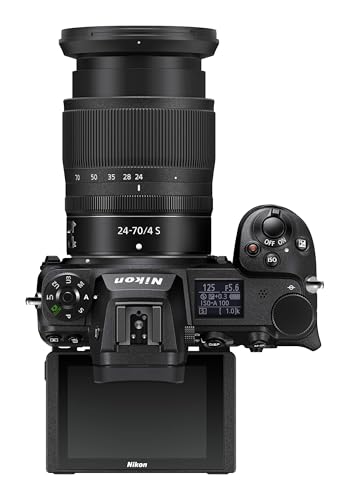
Nikon Z6 II review. Compare 108 technical specifications and user reviews to see how it ranks among cameras and if it is worth buying.
Overall score
What it is: An overall evaluation of the camera's quality, based on technical analyses and user reviews.
When it matters: When you need a quick reference to identify the best cameras on the market.
Score components:
90.0%
Technical Score
10.0%
User score
Technical Score
What it is: An assessment of the camera's technical performance, covering eight key areas: image quality, autofocus, video features, stabilization, lens compatibility, connectivity, battery, and design.
When it matters: When you want to compare cameras based on technical performance and available features.
Score components:
28.0%
Sensor & Image
25.0%
Photo Features
18.0%
Video & Audio
14.0%
Display & Design
8.0%
Battery & Power
7.0%
Connectivity & Storage
User score
What it is: A rating that combines user reviews and the total number of reviews received by the camera.
When it matters: When real-world owner satisfaction and review volume matter to your decision.
Score components:
70.0%
User reviews
30.0%
Popularity
Score components:
25.0%
Sensor size
20.0%
Main camera megapixels
20.0%
Dual card slots
15.0%
N. of focus points
10.0%
RAW photo capture
10.0%
Phase-detection autofocus (photos)
Score components:
35.0%
Weight
30.0%
Battery life (CIPA)
20.0%
Sensor-shift stabilization
15.0%
GPS
Score components:
30.0%
Price
20.0%
Weight
20.0%
AF tracking
20.0%
Battery life (CIPA)
10.0%
Touchscreen
Score components:
30.0%
Main camera megapixels
25.0%
Sensor size
20.0%
Main camera pixel size
15.0%
Sensor-shift stabilization
10.0%
RAW photo capture
Score components:
30.0%
Weight
25.0%
Thickness
20.0%
AF low-light sensitivity
15.0%
Sensor-shift stabilization
10.0%
Eye detection AF (human)
Score components:
30.0%
Sensor size
25.0%
Main camera pixel size
20.0%
Eye detection AF (human)
15.0%
Main camera megapixels
10.0%
Sensor-shift stabilization
Score components:
30.0%
Weight
25.0%
Battery life (CIPA)
20.0%
Min operating temperature
15.0%
Sensor-shift stabilization
10.0%
GPS
Available: ranking among products currently available (including other versions of this product).
All: ranking among all products in the database.
#3 in Best Nikon Cameras
#11 in Best Low Light Cameras
#12 in Best Cameras
#12 in Best Digital Cameras
#12 in Best Mirrorless Cameras
#12 in Best 4K Cameras
#12 in Best Cameras for Portraits
#12 in Best Full-Frame Cameras
#168 in Best Travel Cameras
What it is: An assessment of the camera's technical performance, covering eight key areas: image quality, autofocus, video features, stabilization, lens compatibility, connectivity, battery, and design.
When it matters: When you want to compare cameras based on technical performance and available features.
Score components:
28.0%
Sensor & Image
25.0%
Photo Features
18.0%
Video & Audio
14.0%
Display & Design
8.0%
Battery & Power
7.0%
Connectivity & Storage
What it is: A rating that combines user reviews and the total number of reviews received by the camera.
When it matters: When real-world owner satisfaction and review volume matter to your decision.
Score components:
70.0%
User reviews
30.0%
Popularity
What it is: An indicator that combines the camera's overall rating with its cost.
When it matters: When you want to know how much overall quality you get for the price.
Score components:
60.0%
Overall score
40.0%
Price
Importance: HIGH
Good value: Full frame or larger
Importance: HIGH
Good value: At least 20 MP
Importance: HIGH
Good value: At least 3.5 µm
Importance: LOW
Importance: MEDIUM
Good value: At least ISO 25,600
Importance: MEDIUM
Importance: MEDIUM
Good value: At least 14-bit
Importance: LOW
Importance: LOW
Importance: LOW
Importance: LOW
Importance: LOW
Importance: LOW
Importance: LOW
Importance: LOW
Importance: MEDIUM
Importance: LOW
Importance: LOW
Importance: LOW
Importance: LOW
Importance: LOW
Importance: HIGH
Good value: At least 200 points
Importance: HIGH
Importance: MEDIUM
Importance: LOW
Importance: LOW
Importance: MEDIUM
Importance: MEDIUM
Importance: HIGH
Good value: At least 5 stops
Importance: LOW
Importance: MEDIUM
Good value: At least 10 fps
Importance: LOW
Importance: LOW
Importance: LOW
Importance: LOW
Importance: LOW
Importance: LOW
Importance: LOW
Importance: LOW
Importance: LOW
Importance: LOW
Importance: LOW
Importance: LOW
Importance: LOW
Importance: LOW
Importance: LOW
Importance: LOW
Good value: At least 200,000 actuations
Importance: LOW
Good value: At least 10x
Importance: HIGH
Good value: At least 3840 px
Importance: MEDIUM
Good value: At least 200 Mbps
Importance: MEDIUM
Good value: At least 10-bit
Importance: LOW
Importance: LOW
Importance: LOW
Importance: LOW
Importance: LOW
Importance: LOW
Importance: LOW
Good value: At least 30 min
Importance: LOW
Importance: LOW
Importance: LOW
Importance: LOW
Importance: LOW
Good value: At least 2 microphones
Importance: LOW
Importance: LOW
Importance: LOW
Importance: LOW
Importance: MEDIUM
Good value: 500 g or less
Importance: LOW
Importance: LOW
Importance: LOW
Importance: MEDIUM
Importance: MEDIUM
Good value: At least 2.36 million dots
Importance: LOW
Good value: 100%
Importance: LOW
Importance: LOW
Good value: At least 120 Hz
Importance: MEDIUM
Good value: At least 3 in
Importance: LOW
Importance: LOW
Importance: LOW
Importance: LOW
Importance: LOW
Importance: LOW
Importance: LOW
Good value: At least 10 m
Importance: LOW
Importance: LOW
Importance: LOW
Importance: LOW
Importance: MEDIUM
Good value: At least 400 shots
Importance: LOW
Good value: At least 1,500 mAh
Importance: LOW
Importance: LOW
Importance: LOW
Importance: LOW
Importance: LOW
Importance: LOW
Importance: LOW
Importance: LOW
Importance: LOW
Importance: LOW
Importance: LOW
Importance: LOW
Importance: LOW
Importance: LOW
Importance: LOW
Importance: LOW
Importance: LOW
Importance: LOW
Importance: HIGH
Good value: At least 200 points
Importance: MEDIUM
Importance: HIGH
Importance: MEDIUM
Good value: At least ISO 25,600
Importance: MEDIUM
Good value: At least 10 fps
Importance: HIGH
Good value: At least 3.5 µm
Importance: LOW
Importance: MEDIUM
Good value: At least 200 Mbps
Importance: MEDIUM
Good value: 500 g or less
Importance: LOW
Importance: LOW
Importance: MEDIUM
Good value: At least 14-bit
Importance: LOW
(Reviews last updated: July 2026)
The DPReview Nikon Z6 II review characterizes the model as a highly capable enthusiast multimedia camera, highlighting its dual processors, added dual card slots (CFexpress/XQD and UHS-II SD), and excellent 24.5MP image quality, particularly in low light. Its notable pros include robust build quality with good ergonomics, reliable subject-tracking autofocus, improved video capabilities with 4K output, and convenient features like USB-C power delivery. YouTube · However, the review outlines that the AF system, while capable, is less intuitive for tracking compared to competitors, and the camera faces limitations in high-speed, 14-bit RAW burst shooting. Further cons include unexceptional battery life and a significant 1.5x crop applied to 4K/60p video recording.
The Photography Life review awards the Nikon Z6 II a Gold Award, highlighting it as a top all-around camera with excellent high ISO performance, dynamic range, and accurate AF. Key improvements include dual processors, dual card slots, 14 FPS shooting, and better, more reliable eye-tracking. Photography Life Conversely, the review notes the Z6 II struggles with fast, erratic subject tracking compared to competitors and limits vertical shooting due to a screen that only tilts, not flips. Other downsides include the lack of illuminated buttons, a self-timer that resets, and an overly sensitive EVF sensor. Photography Life
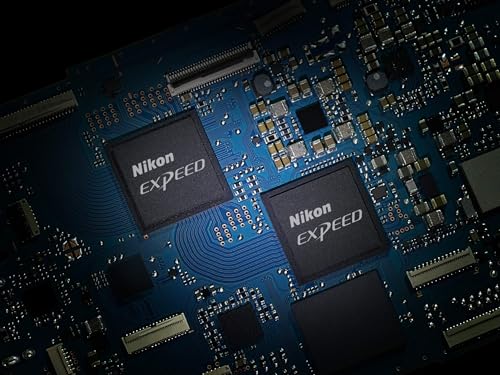
The Nikon Z6 II is an enthusiast-level full-frame mirrorless camera that serves as a refined update to the original Z6, utilizing a 24.5MP CMOS BSI sensor to hit a sweet spot between high resolution and efficient processing power. Under the hood, the notable upgrade to dual Expeed 6 processors doubles the camera's processing grunt, resulting in faster continuous burst speeds of 14fps (with single-point AF), a higher buffer depth of up to 124 12-bit RAW files, and superior low-light performance where exposure metering now operates down to -6EV. On the video front, the camera shoots full-readout 4K at 30p and offers 4K 60p capabilities via a firmware update, alongside improved video autofocus that includes Animal Eye-AF tracking. Lab data reveals that while its fine detail resolution is marginally softer than some competitors, it captures excellent dynamic range and delivers exceptionally clean, low-noise images at high sensitivities of ISO 6400 and above. The review highlights distinct pros and cons regarding the camera's design and features. On the positive side, the standout pros include the long-awaited addition of two memory card slots...
The Nikon Z6 II is a 24.5-megapixel full-frame mirrorless camera featuring enhanced performance over its predecessor, including 14fps continuous shooting, 5-axis image stabilization, and a secondary SD card slot. Highlighted pros include excellent image quality, strong low-light AF performance, and robust, ergonomic handling. Cons identified in the review focus on the short battery life, which often requires carrying spares, and the lack of a fully articulating screen, which limits framing options for vloggers. Despite this, it is recognized as a versatile, high-performing all-rounder suitable for various photography styles.
Nikon Z6 II Review Summary The Nikon Z6 II is a highly capable full-frame mirrorless camera that improves upon its predecessor by addressing critical performance gaps for professionals and action photographers. Priced at $1,996.95, it introduces dual Expeed 6 processors, dual memory card slots (XQD/CFexpress and SDXC) for crucial data redundancy, and compatibility with a fully functional battery grip. The camera boasts impressive shooting speeds of up to 14 FPS, an expanded buffer depth, and a rugged, fully weather-sealed magnesium alloy body. Additionally, its hybrid 273-point autofocus system features highly reliable real-time subject, human, and animal eye-tracking that performs well even in challenging lighting conditions. Videographers and time-lapse creators will particularly benefit from its over-sampled 4K video capabilities and the ability to run the camera indefinitely via external USB-PD power banks without draining the internal battery. Despite its stellar performance, the review highlights several areas for improvement. A major ergonomics complaint is the less practical placement of the Menu button and drive mode dial on the lower right of the body, making them awkward to reach compared to traditional layouts....
The Amateur Photographer long-term test highlights the Nikon Z6 II as a robust, reliable, and versatile full-frame camera, featuring a 24.5MP BSI CMOS sensor that produces excellent JPEGs and a comfortable, ergonomic design with dual card slots. Key performance strengths include improved low-light autofocus, a massive buffer for 14fps bursts, and a sharp EVF, making it a well-rounded tool for daily photography. Conversely, the review notes the Z6 II offers only incremental upgrades over the original model rather than a major technological leap. Key limitations include an autofocus system that still trails competitors for erratic action and the absence of a fully articulating screen, which limits versatility for video and high/low-angle shooting.
The Nikon Z6II is highly praised in this long-term review as a reliable, robust, and versatile full-frame mirrorless "workhorse" camera that continues to deliver excellent professional results years after its initial late-2020 release. The reviewer, Mark G. Adams, highlights its exceptional 24.5-megapixel image quality, specifically lauding its 14.7 stops of dynamic range that allow for effortless shadow recovery, alongside impressive noise control that makes shooting at auto-ISO settings up to 6400 or 12800 entirely worry-free. Ergonomically, the camera excels with a perfectly sized handgrip, an intuitive and tactile button layout accessible while using the electronic viewfinder, a dual EXPEED 6 processing system, and the highly requested addition of dual memory card slots (CFexpress/XQD and SD). While the reviewer notes that the autofocus system is incredibly effective for weddings, portraits, and low-light tracking, he emphasizes that it requires the user to actively understand and switch to specific modes for different scenarios rather than expecting a single setting to handle everything automatically.
The Shotkit review highlights the Nikon Z6 II as a high-value, full-frame mirrorless camera, praising its excellent image quality, ergonomic design, and dual-card slot upgrade. Key strengths include reliable 5-axis image stabilization, accurate eye-tracking autofocus, and superior performance in low-light environments. Conversely, the review identifies limitations such as average battery life, a rear screen that does not flip forward for vlogging, and a slow startup time. Other drawbacks include the lack of continuous autofocus in Pinpoint mode and a generally slower wake-up speed.
Nikon Z 6II Review Overview The Nikon Z 6II is a high-quality, full-frame mirrorless system camera designed for both professionals and ambitious hobbyists, achieving a "Very Good" (1.4) overall rating in the CHIP test center. Built around a 24-megapixel BSI sensor, the camera delivers outstanding low-light performance and an excellent dynamic range that retains sharp details across highlights and deep shadows. Key upgrades from the original Z6 include a dual Expeed 6 processor setup, which boosts the continuous shooting speed to 14 frames per second and extends the RAW buffer capacity to 106 images. Additionally, Nikon improved the autofocus system by improving tracking accuracy, adding eye detection for both photo and video modes, and significantly reducing startup times to under one second. The camera excels in ergonomics, featuring a comfortable grip, intuitive touch menus, an informative top shoulder display, and dual memory card slots (XQD/CFexpress and UHS-II) that fix a major complaint of the previous model. Its robust internal 5-axis stabilization offers 4 to 5 stops of tolerance to assist in darker environments. Video capabilities are robust, allowing for detailed...
The digitalkamera.de review highlights the Nikon Z 6II as a mature full-frame mirrorless camera, praising its robust, weather-sealed build, excellent ergonomics, and dual memory card slots (CFexpress/SD) for improved professional workflow. Key performance advantages include a significantly faster autofocus system with improved tracking and a larger buffer driven by dual EXPEED 6 processors, alongside top-tier 24.5MP sensor image quality. On the downside, the review notes the rear LCD screen only tilts rather than flips, which limits usability for vloggers. Additionally, 4K 60p video recording incurs a 1.5x APS-C crop factor, reducing the wide-angle capabilities of lenses.
The digitalkamera.de comparative review highlights the Nikon Z 6II as a mature, ergonomic full-frame camera that resolves predecessor criticisms, featuring dual card slots and dual EXPEED 6 processors for 14 fps shooting. Key strengths include excellent low-light performance from the 24.5-megapixel sensor, effective 5-axis stabilization, and enhanced autofocus for human/animal eyes. However, the review notes limitations, specifically identifying that the autofocus struggles with animal eyes on darker fur, and lacks native eye detection for birds. Additionally, the screen is only a tilting type rather than fully articulating, and some users may find the tracking interface less intuitive compared to competitors.
of the Nikon Z 6II The Nikon Z 6II is a highly capable full-frame mirrorless camera featuring a 24.3-megapixel BSI sensor and a newly integrated dual image processor. It delivers exceptional image quality with minimal noise up to ISO 3,200, and files remain highly usable up to ISO 12,800. Thanks to its dual processors, continuous shooting speeds reach an impressive 14.1 frames per second. The camera handles beautifully with a robust, weather-sealed magnesium alloy body, an ergonomic grip, a sharp 3.69-million-subpixel electronic viewfinder, and a tilting 3.2-inch touchscreen. Autofocus performance is significantly upgraded from its predecessor, achieving a lightning-fast focus time of 0.11 seconds. Additionally, videographers benefit from professional tools, including oversampled 4K video up to 60p (via firmware update) and Full HD up to 120p. Key Pros and Cons Pro: Outstanding detail rendering and low-light performance up to ISO 3,200. Pro: Rapid autofocus (0.11s) and a top burst rate of 14.1 fps with a generous buffer. Pro: Dual memory card slots (CFexpress and SD) for instant in-camera backups. Pro: High-performance 5-axis sensor-shift image stabilization. Pro: Weather-sealed body, sharp EVF,...
The Nikon Z 6IIGo to product viewer dialogue for this item., reviewed by fotoMAGAZIN, is lauded as an exceptionally fast, ergonomic, full-frame mirrorless camera with a 0.2-second shutter delay and 14 frames per second (fps) continuous shooting using the mechanical shutter. Key advantages include refined handling, effective in-body image stabilization (IBIS), and improved performance over its predecessor. Limitations noted include a drop in maximum burst rate to 12 fps with the electronic shutter and further reductions when shooting uncompressed 14-bit RAW, dropping to 8 fps with the electronic shutter. Despite these specific frame-rate constraints under maximum quality settings, the camera remains a highly capable, balanced option, according to the review.
The Nikon Z6 II is a highly capable full-frame mirrorless system camera that balances top-tier performance with excellent handling. A primary highlight is its 24.34-megapixel image sensor paired with dual Expeed 6 processors, which significantly boost continuous shooting speed to 13 frames per second and expand the buffer capacity up to 200 shots. The autofocus system utilizes 273 phase-detection points and features an upgraded, highly precise face and eye-detection tracking mechanism that functions seamlessly within a wide-area autofocus grid. Physically, it boasts a weather-sealed magnesium alloy body with an integrated 5-axis image stabilizer, a large, detail-rich electronic viewfinder, and a high-capacity EN-EL15c battery that supports direct power delivery over USB-C. Furthermore, the addition of a secondary UHS-II SD card slot alongside the ultra-fast CFexpress slot provides critical backup capabilities for professional event and wedding photography. Pros and Cons Overview Pro: Superb low-light image quality yielding sharp, low-noise results even at extreme ISO settings like ISO 6400. Pro: Highly detailed electronic viewfinder (3.69 million subpixels) and large tilting display panel. Pro: Dual memory card slots supporting both premium CFexpress and highly...
The Nikon Z 6II successfully addresses the biggest flaw of its predecessor by adding a second memory card slot, which supports UHS-II SD cards alongside the existing XQD/CFexpress slot for reliable backup creation. Equipped with dual Expeed processors, the mirrorless camera delivers improved autofocus speed and a faster continuous shooting rate of up to 14 frames per second. The 24.5-megapixel full-frame sensor delivers exceptional image quality with clean, noise-free results and an impressively high dynamic range even at elevated sensitivities up to ISO 6,400. Additionally, its built-in image stabilization ensures incredibly sharp handheld shots, allowing photographers to easily shoot at slow shutter speeds like 1/4 of a second. Despite these performance upgrades, the camera maintains the same high-quality handling as the original version, utilizing a sharp 0.5-inch electronic viewfinder with 3.69 million dots and a top OLED settings display. However, a notable con is that the 3.2-inch touchscreen monitor is only tiltable and cannot be fully rotated or flipped out, limiting flexibility for certain shooting angles. Priced fairly at €2,099, the reviewer notes that while the Z 6II does not...
Gunther Wegner’s review concludes that the Nikon Z 6II and Z 7II are excellent upgrades that bring vital performance fixes over the original models. The biggest pros stem from the new dual Expeed 6 processors, which greatly boost speed. This change allows for faster burst rates (14 fps on the Z 6II), a much larger buffer memory, and highly improved autofocus tracking. For low-light shooters, the cameras offer enhanced AF light sensitivity and a noticeably brighter, clearer Liveview screen for night photography. Photographers will also love the new dual memory card slots (one CFexpress/XQD and one SD), direct USB-C power delivery during operation, 900-second manual exposure options, and a built-in sensor hot-pixel mapping tool. On the other hand, the reviewer notes several cons and missed opportunities. Video shooters might be disappointed with the 4K 60fps video mode; while the Z 7II handles it well, the Z 6II applies a heavy 1.5x APS-C crop. Additionally, several old complaints remain unresolved: the camera still does not show a true depth-of-field preview past f/5.6 in Liveview, the automatic DX lens crop mode cannot...
The Nikon Z6 II is a robust, well-built full-frame mirrorless camera designed for demanding use, offering an exceptionally comfortable grip and highly intuitive handling. The camera features an outstanding, crystal-clear electronic viewfinder that matches the clarity of traditional prism finders, alongside a stable 3.2-inch tilting touchscreen and a practical top shoulder display for quick setting checks. Key hardware upgrades include a dual memory card setup—incorporating one fast XQD/CFexpress slot and one standard SD slot—addressing a major criticism of its predecessor. Performance-wise, its 24.5-megapixel stabilised CMOS sensor and dual processors deliver an impressive burst rate of 14 frames per second with reliable tracking, alongside a highly capable hybrid autofocus system that successfully pinned sharp focus on a nearly invisible single spiderweb thread during testing. However, the review highlights distinct limitations, particularly regarding autofocus subject recognition and system cross-compatibility. While native Z-mount lenses work seamlessly, using older F-mount lenses via the FTZ adapter yielded mixed results. Modern F-mount lenses with eight electronic contacts match native performance, but older lenses (such as 20-year-old models or a 2010 Tamron zoom) suffered from unpredictable communication...
The Sony Cyber-shot DSC-RX100 VII premium compact camera, reviewed by Stiftung Warentest, features a 20.1-megapixel sensor and a 24-200mm Zeiss lens, offering exceptional 20 fps autofocus performance and high-quality 4K video. Its primary drawbacks include a limited maximum aperture of f/4.5 at the telephoto end, a complex menu system, and a high price point. The camera also exhibits a noticeable 4K video crop of 1.08x, which increases to 1.19x when using active stabilization.
The Calumet Photo Video review evaluates the Nikon Z6 II as a highly versatile, powerful mirrorless full-frame camera that successfully upgrades its predecessor through notable hardware enhancements. The integration of Dual EXPEED 6 processors provides a noticeable performance boost, enabling a faster burst shooting speed of 14 frames per second and sharper, more responsive tracking for the 273-point hybrid autofocus system. Photographers and videographers alike will benefit from excellent image quality delivered by the 24.5 MP CMOS sensor, which handles difficult lighting well by offering a wide dynamic range and low noise at high ISO sensitivities. Additionally, the video features are expanded to include 4K recording at up to 60fps alongside standard Full HD at 120fps for smooth slow-motion footage. The review explicitly highlights several pros and cons regarding the camera's design and daily operation: Pros: The most significant layout upgrade is the inclusion of dual card slots (supporting XQD/CFexpress and UHS-II SD cards parallelly), addressing a major point of criticism from the original model by offering vital backup safety and data separation. The robust, weather-sealed magnesium alloy body ensures...
Overview and Key Enhancements The Nikon Z6 II is a full-frame mirrorless camera that offers a solid, well-built ergonomic design featuring moisture and dust resistance, a touchscreen, and in-body image stabilization. Serving as a minor evolution of the original Z6, its most notable hardware upgrades include the integration of dual Expeed 6 processors and a much-requested secondary storage slot that accommodates both SD (UHS-II) and CFexpress/XQD cards. The dual-processor configuration dramatically enhances low-light autofocus speeds—making it twice as fast as its predecessor—and expands the buffer capacity significantly to handle over 150 consecutive RAW files during a 14 frames-per-second continuous burst. On the video front, the camera introduces 4K UHD recording at 60 fps (albeit with an APS-C crop) via a subsequent firmware update. Performance Limitations and Cons Despite these practical performance upgrades, the 24.5-megapixel camera struggles with aggressive JPEG processing that introduces noticeable smoothing starting at ISO 3200, lagging behind competitors like the Panasonic Lumix S5 in image preservation. The autofocus tracking is also perfectible; the eye-detection system drops off beyond 5 metres and occasionally misses faces entirely even when...
The Nikon Z6 II is a highly capable and versatile full-frame mirrorless camera that refines its predecessor by directly addressing user feedback. Equipped with dual Expeed 6 image processors, the camera delivers an upgraded burst shooting speed of 14 frames per second with a significantly expanded buffer capacity of up to 124 RAW images. It retains a high-performing 24.5-megapixel backside-illuminated (BSI) CMOS sensor and highly effective 5-axis in-body image stabilisation. Autofocus reliability is also improved, boasting low-light sensitivity down to -4.5 EV and upgraded Eye AF tracking available across more focus area modes in both photo and video. On the video front, it captures detailed uncropped 4K video up to 30p, with 4K 60p available via firmware updates. Key Pros and Cons
The Labo Fnac review rates the Nikon Z6II mirrorless camera highly, awarding it a perfect 5 out of 5 stars and praising it as a formidable mid-range hybrid option. The laboratory tests highlight an exceptional optical quality score of 10/10 and highly commendable overall versatility. Additionally, the review notes excellent daylight sensor sensitivity (7/10) and beautiful, vivid color rendering (8.3/10), though it mentions the colors can slightly lack absolute accuracy. It is noted as a strong, responsive choice for standard, wide-angle, and telephoto photography alike. However, the review points out clear limitations when the camera is pushed into low-light environments, where it earned its lowest score of 5.7/10. The testers also expressed a desire for a higher overall sensor resolution (which scored an 8/10), noting that its megapixel count is not particularly exceptional when compared directly to its closest market competitors. Despite these minor low-light and resolution drawbacks, the consensus remains overwhelmingly positive regarding its value and general performance.
Nikon Z 6II Review Summary The Nikon Z 6II is a highly versatile full-frame mirrorless camera that refines its predecessor by introducing dual Expeed 6 image processors, a dual card slot configuration (supporting both SD and XQD/CFexpress cards), and vertical grip compatibility with dedicated exposure controls. Designed with an expert-to-professional build quality, it features robust weather sealing, an ergonomic body layout, and a highly responsive 3.69-million-dot OLED electronic viewfinder that eliminates eye fatigue during extended use. Its 24-megapixel sensor delivers exceptional low-light performance with minimal noise up to ISO 3,200 (and highly manageable quality up to ISO 25,600), further enhanced by an effective 5-axis in-body image stabilization system that facilitates handheld night photography. For videographers, the camera offers quiet operation, 4K UHD video capabilities, and updated firmware paths that support advanced formats like Blackmagic RAW via external recording. Pros & Cons Pros Cons Dual card slots: Offers peace of mind and data redundancy via SD and XQD/CFexpress compatibility. Unchanged sensor core: Features the exact same image sensor and primary electronics as the original Z 6. Upgraded internals: Dual processors boost...
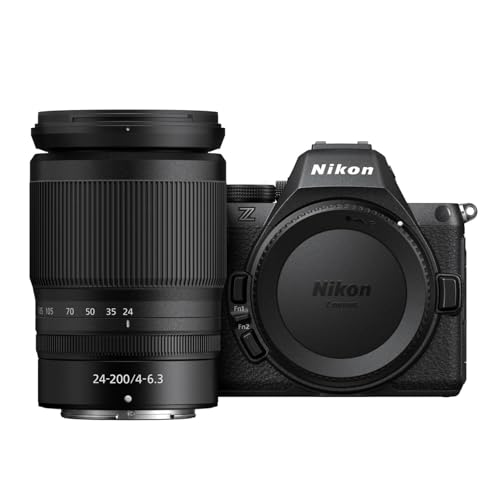
The MPB field review identifies the Nikon Z6 II paired with the NIKKOR Z 24-200mm f/4-6.3 VR as a versatile, all-in-one solution for landscape photographers. Key strengths include the 24.5-megapixel sensor's rich color rendering, robust 5-axis in-body stabilization for handheld shooting, and a versatile zoom range that eliminates the need to change lenses in harsh conditions. While offering high portability, the setup has minor drawbacks, including reduced edge sharpness at the extreme ends of the zoom range and a variable f/4-6.3 maximum aperture that limits low-light performance. Furthermore, the lens lacks dedicated physical switches for stabilization or autofocus, making it less ideal for specialized, technical photography.
Based on the author's three-year field test, the Nikon Z6 II is reviewed as a highly capable and ergonomic full-frame mirrorless camera, particularly well-suited for non-action genres like portraiture, macro, landscape, and reportage. The main advantages highlighted in the review include its comfortable handling and lightweight design, which the author successfully extends for long shoots by adding a custom cage or half-case. Furthermore, its 24MP sensor delivers exceptional, competitive image quality, dynamic range, and low-light ISO sensitivity that easily hold their own against newer camera models. The reviewer also praises specific advanced features like the built-in automatic focus bracketing, which is ideal for creative focus stacking. Conversely, the review identifies a clear bottleneck regarding the camera's autofocus system, which the author notes is less performant than competing brands. While the autofocus remains reliable and highly responsive under normal, well-lit shooting conditions, it struggles significantly in low-light environments and falls short during high-speed, fast-moving action scenes. Additionally, the author expresses disappointment with Nikon's lack of firmware updates, pointing out that while flagship models have received extensive software revisions, the Z6 II...
The Photolari review outlines that the Nikon Z6 II is an incremental "Mark II" update rather than a revolutionary leap, aiming primarily to retain existing Nikon users moving from DSLRs to mirrorless systems. On the positive side (pros), the camera maintains an excellent, robust design with standout ergonomics and a high-quality electronic viewfinder. Key hardware upgrades include the highly requested addition of a second memory card slot (SD) alongside the existing XQD/CF Express slot, compatibility with a true vertical battery grip, and the ability to charge the device via its USB port. Driven by a new dual Expeed 6 processor, the camera pushes burst shooting speeds up to 14 frames per second. Furthermore, its 24-megapixel full-frame sensor continues to deliver excellent overall image quality with great dynamic range and noise control. On the negative side (cons), the review notes that the continuous autofocus system, despite being slightly more agile and adding human/animal eye detection to wide-area tracking, still lags behind competitors like Sony and Canon. For video creators, the screen is only tilting rather than fully articulating, which limits its...
This comprehensive review highlights how the Nikon Z 6II successfully corrects the most glaring omissions of its predecessor while providing noticeable performance upgrades through its new dual Expeed processor. On the positive side, the camera introduces a highly requested dual card slot (supporting one CFexpress/XQD and one SD card) and native compatibility with the MB-N11 battery grip, which features vertical shooting controls. Performance is significantly boosted with continuous burst shooting up to 14 fps with an expanded buffer capable of holding 200 shots, alongside a revamped autofocus system that introduces Wide-Area AF (People) and improved low-light focusing down to -6EV. It retains outstanding ergonomics, excellent matrix metering, and sublime corner-to-corner image sharpness courtesy of the wide Z-mount diameter. Furthermore, a new extended manual shutter speed option expands exposures up to 15 minutes, and the inclusion of USB-C power delivery allows the camera to be powered externally during active operation. Conversely, the review and specifications reveal several distinct limitations to keep in mind before upgrading. In terms of core imaging output, the camera produces identical image quality, dynamic range, and high-ISO...
The Nikon Z6 II review by Israel Gutier on TravelPhoto Magazine evaluates the full-frame mirrorless camera through real-world testing in Ibiza. The reviewer praises the camera as a highly versatile, reliable all-rounder that delivers exceptional results for both enthusiasts and professionals. Structurally, it features a robust magnesium alloy body with reliable weather sealing that easily handled rainy conditions. Key performance advantages highlighted include outstanding ergonomics with a deep, natural handgrip, an excellent electronic viewfinder, and impressive 5-axis sensor stabilization. The image sensor excels with fantastic dynamic range, seamless shadow recovery, and clean, highly usable imagery at high sensitivities up to ISO 25,600. Furthermore, the addition of a dual card slot (including a standard SD slot) eliminates the mandatory expense of high-end CFexpress cards, while a swift 14 fps burst mode and an all-day battery life provide great utility in the field. Despite these strengths, the review pinpoints several design and operational limitations. A notable physical downside is the lack of a fully articulating screen, as the display only tilts vertically and cannot fold out horizontally. The top status LCD screen...
based on the provided text: The Nikon Z6 II is a mature, high-quality 24-megapixel full-frame mirrorless camera that builds safely on its predecessor's layout and user experience, making it an excellent transition for existing Nikon DSLR users. Powered by dual Expeed 6 processors, the camera significantly improves performance over the first generation by boosting burst shooting speeds to 14 frames per second (12 in RAW) and more than tripling the buffer capacity to handle over 120 RAW images. Its real-world performance is highlighted by exceptional low-light autofocus capabilities, superb dynamic range that preserves details in both deep shadows and intense highlights, and reliable eye-tracking autofocus that now functions natively during video capture. For video creators, it supports high-quality 4K HDR HLG output via a sturdy mini-HDMI port, which delivers clean footage with noticeably reduced low-light noise compared to older models. On the downside, the camera suffers from occasional, unpredictable autofocus drops where it briefly loses tracking on a subject's face or eye for reasons that are not entirely clear. Non-Nikon users may also face a steep learning curve due to...
The Nikon Z6 II is an incremental yet powerful evolution of its predecessor, shifting from a single processor to dual EXPEED 6 processors to significantly boost overall operational speed, autofocus performance, and continuous shooting rates. The layout remains practically identical to the original Z6, but under the hood, the dual processors introduce tracking modes like face and animal detection across expanded autofocus areas. Furthermore, continuous shooting scales up to 14 frames per second with a vastly deeper 124-shot buffer. Physical functionality sees notable upgrades as well, including an extended shutter speed threshold reaching 900 seconds, direct USB-C power delivery for long-duration tasks like timelapses, and improved battery performance using the EN-EL15c model. The camera's pros lie in its highly accurate, dual-processor-powered autofocus tracking, the inclusion of a secondary SD UHS-II card slot alongside the existing XQD slot, and the ability to film 4K video up to 60p. However, the review highlights specific limitations regarding these new features. A major con for videographers is that the dual storage configuration cannot be used for simultaneous real-time video backup—it only supports photo backups...
The Nikon Z 6 II is a highly versatile full-frame mirrorless camera that improves on its predecessor by integrating dual EXPEED 6 image processors to boost performance and responsiveness. It retains the same 24.5-megapixel back-illuminated CMOS sensor with an optical low-pass filter, offering a native ISO range of 100 to 51,200. Key hardware updates include an expanded buffer that allows the camera to sustain a continuous shooting burst of up to 14 frames per second for up to 124 uncompressed 12-bit RAW files. Furthermore, Nikon addressed a major user demand by adding a second card slot for UHS-II SD cards alongside the high-performance XQD/CFexpress Type B slot. Autofocus functionality has also been enhanced, lowering low-light sensitivity to -6 EV and allowing eye and face detection to work within Wide-Area AF modes. Key Pros & Cons Pro: Dual processors dramatically increase buffer depth and speed. Pro: Dual memory card slots provide excellent file flexibility. Pro: Improved low-light autofocus down to -6 EV. Pro: Competitively priced compared to its direct rival, the Canon EOS R6. Con: 4K 60p video capabilities require a...
Nikon Z6 II Review Summary The Nikon Z6 II resolves the primary design flaws of its predecessor by introducing an essential second memory card slot (supporting UHS-II SD alongside XQD/CFexpress) and a dual EXPEED 6 processor setup. This hardware boost increases the burst shooting speed to 14 fps, expands the buffer capacity to hold up to 124 RAW files, and lowers low-light autofocus tracking sensitivity down to an impressive -6 EV. Retaining the highly-regarded 24.5 MP full-frame BSI CMOS sensor, the body features a deeply comfortable grip, robust weather-sealing equivalent to the professional D850, a 5-axis in-body image stabilization system, and the welcome ability to handle power delivery over USB-C while shooting. Key Pros and Cons Pros: It delivers top-tier, detailed image quality with clean performance at high ISO levels, enhanced battery life, and video upgrades allowing 4K/60p recording. Cons: The tilting rear screen does not fully articulate for modern video monitoring, and the 273-point autofocus tracking remains noticeably less advanced for fast action when compared directly to its rivals from Sony and Canon.
In his review of the Nikon Z6II, photographer Iuri Niccolai highlights the mirrorless camera as a significant upgrade that addresses major flaws of the original Z6, making it a reliable tool for professional daily use, particularly in reportage and wedding photography. The most praised improvement is the addition of a dual card slot, which offers crucial instant backup and peace of mind during shoots. Additional key advantages include an excellent ergonomic grip that minimizes hand fatigue, a massive buffer capacity alongside a fast 14 fps burst rate, superb high-ISO noise performance, 5-axis image stabilization, and highly intuitive custom user modes. Niccolai also commends the seamless real-time exposure feedback from the electronic viewfinder and the innovative ability to map exposure compensation directly to the lens ring. Conversely, the reviewer points out several limitations, focusing heavily on the autofocus (AF) system as the camera's main weak point. He criticizes the AF tracking box for being too large and notes that the automated eye-detection algorithms fail to let the photographer choose a specific target eye in a crowd. He also lists a slower...
The Italian Tech review from La Repubblica calls the Nikon Z6 II a highly versatile camera that offers excellent performance for its price. This mid-to-high-end mirrorless camera is built for both advanced amateurs and professionals. It stands out because it delivers great value, starting at around €1,800 for the body alone. The review highlights several pros and cons for the camera: Pros: The camera features a 24.5MP BSI-CMOS sensor and 5-axis in-body image stabilization. It has a very sharp 3.85 million-dot electronic viewfinder and can shoot fast bursts up to 14 frames per second. Video quality is also very good, supporting 4K video at 60p. Cons: The main downside mentioned for video creators is that shooting in 4K 60p forces a crop on the sensor, meaning you lose some of the wide-angle view. The review also notes that the camera faces very tough competition from other brands in this price range.
Compare