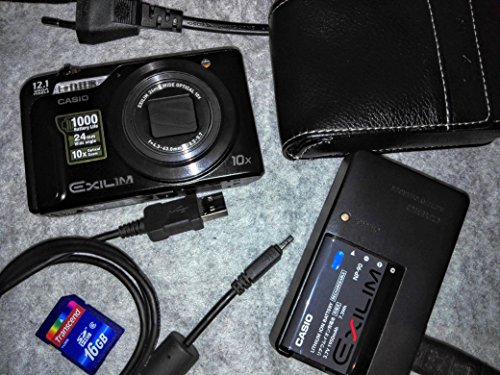
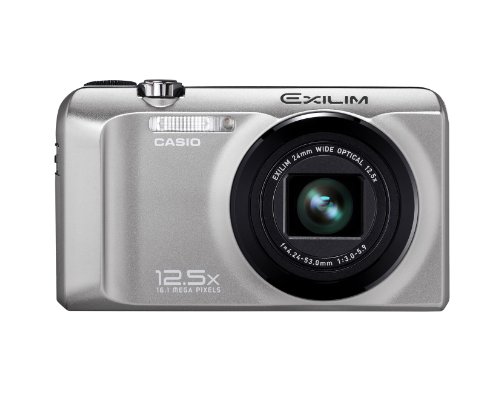
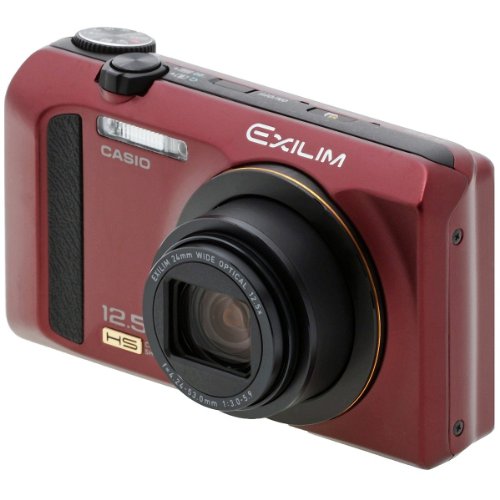
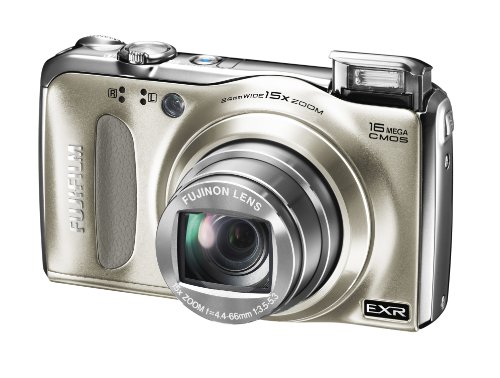
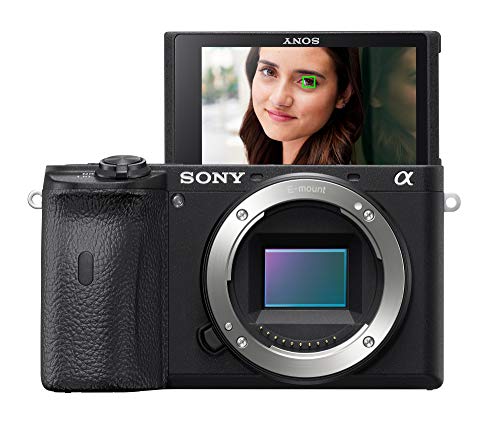
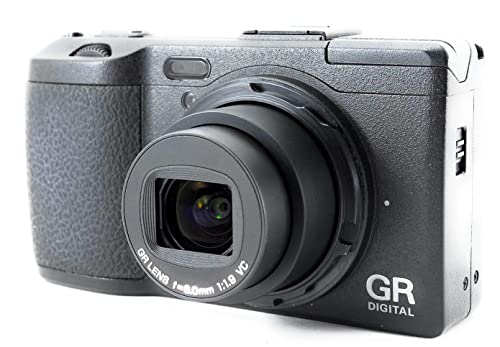
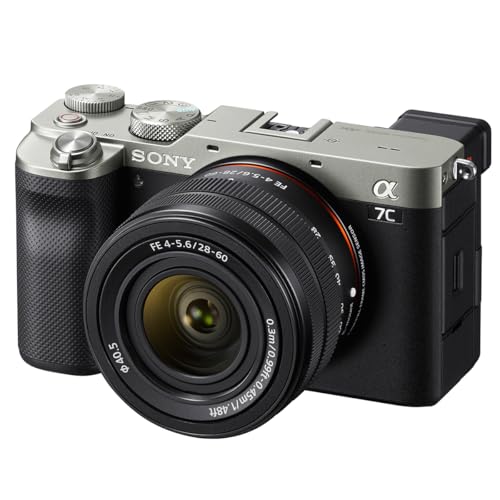
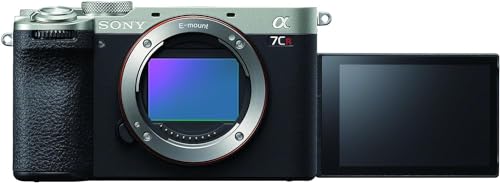
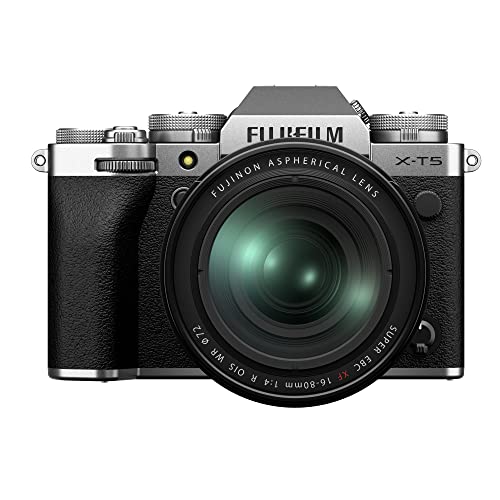
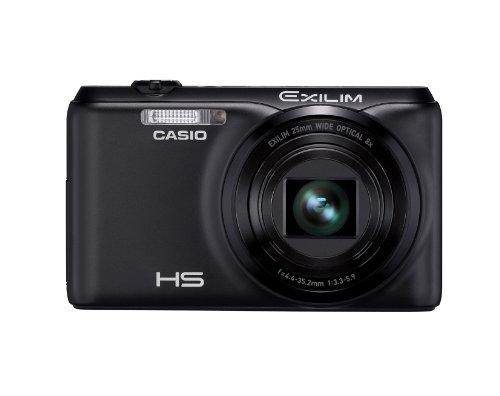
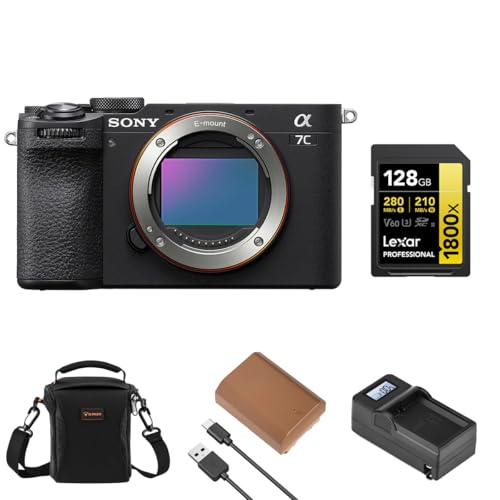
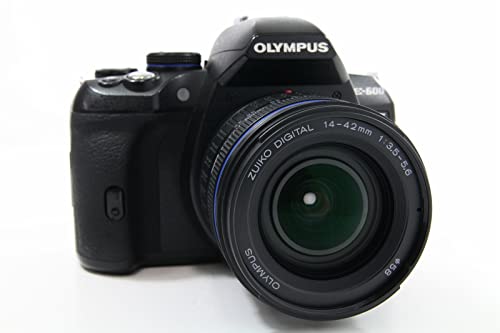
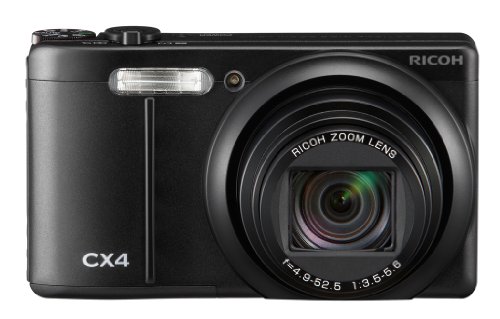
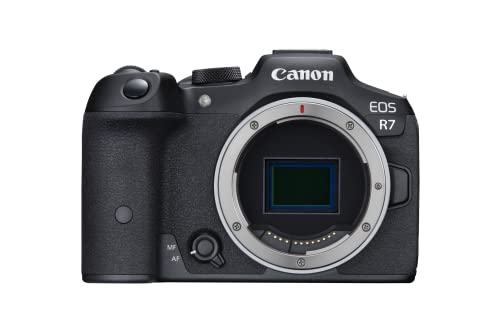
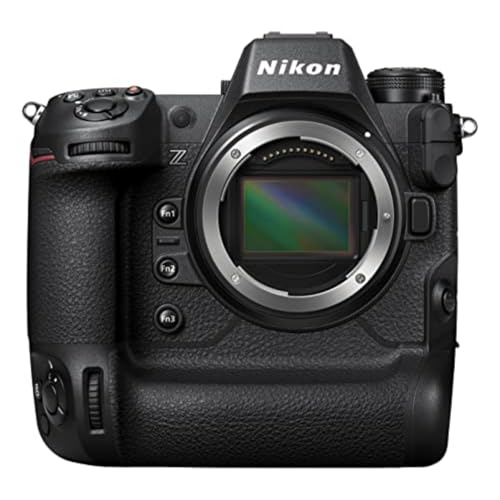
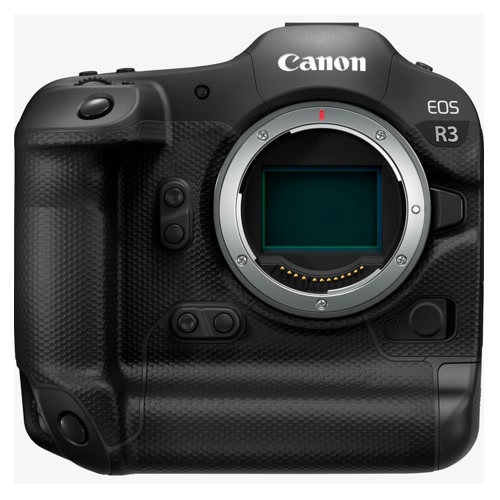
A camera is suitable for travel when it delivers the required subjects and image quality with a lens system, power setup, and level of protection that remain practical throughout the trip. The deciding question is not whether one body has the highest specification, but whether the complete setup can cover landscapes, people, interiors, street scenes, or wildlife without leaving important capability at home.
A versatile lens often matters more than adding another body. A 24–70 mm equivalent range suits cities and general sightseeing, 24–120 mm or 24–200 mm reduces lens changes, and a bright prime improves night scenes; optical or sensor-shift stabilization helps static subjects in low light but cannot freeze moving people.
Travel reliability also includes enough battery capacity for a full day, USB charging from a common adapter or power bank, accessible memory cards, quick phone transfer, and appropriate weather protection. GPS is convenient for mapping a route, though phone-linked geotagging can provide the same record while using less camera power.
How portable are cameras for travel?
Cameras for travel range from genuinely pocketable models around 100–115 mm wide and 200–350 g to interchangeable-lens kits that occupy a small shoulder bag and weigh 700 g to well over 1.5 kg. A typical small mirrorless body is roughly 115–130 mm wide, 65–85 mm high, and 40–70 mm deep before a lens is attached, so body dimensions alone do not describe how easily it packs.
Compare the carried configuration: body, lens, battery, charger, spare battery, strap, filters, and any protective pouch. A 350–500 g body with a 250 g compact zoom remains comfortable for long walks, while a bright full-frame zoom can add 700–1,000 g and require a deeper bag; a smaller grip may save space yet become tiring when paired with a front-heavy lens.
The chart below compares the weight distribution of cameras suitable for travel.
[vertical-chart-08784060358811070449101776571876100382942284253647]
How much zoom is useful on a camera for travel?
A 5× to 10× zoom covering roughly 24–120 mm or 24–240 mm equivalent is useful for most travel photography. The wide end handles architecture, landscapes, and interiors, while the telephoto end frames portraits, details, and moderately distant subjects without requiring a lens change.
City trips rarely need extreme reach, but safaris, birds, mountain details, and events can justify 300–600 mm equivalent coverage. Longer zooms magnify hand shake and atmospheric haze, usually have smaller maximum apertures, and may reduce image quality toward the end of the range, so stabilization and good daylight become increasingly important.
Interchangeable-lens users can choose a compact 24–70 mm equivalent zoom plus a small prime, or a single superzoom for convenience. A 16–50 mm lens on APS-C behaves approximately like 24–75 mm on full frame, while a 14–140 mm Micro Four Thirds lens gives about a 28–280 mm equivalent view; compare equivalent focal lengths rather than the printed numbers alone.