Nikon Zf review. Compare 108 technical specifications and user reviews to see how it ranks among cameras and if it is worth buying.
Overall score
What it is: An overall evaluation of the camera's quality, based on technical analyses and user reviews.
When it matters: When you need a quick reference to identify the best cameras on the market.
Score components:
90.0%
Technical Score
10.0%
User score
Technical Score
What it is: An assessment of the camera's technical performance, covering eight key areas: image quality, autofocus, video features, stabilization, lens compatibility, connectivity, battery, and design.
When it matters: When you want to compare cameras based on technical performance and available features.
Score components:
28.0%
Sensor & Image
25.0%
Photo Features
18.0%
Video & Audio
14.0%
Display & Design
8.0%
Battery & Power
7.0%
Connectivity & Storage
User score
What it is: A rating that combines user reviews and the total number of reviews received by the camera.
When it matters: When real-world owner satisfaction and review volume matter to your decision.
Score components:
70.0%
User reviews
30.0%
Popularity
Score components:
25.0%
Sensor size
20.0%
Main camera megapixels
20.0%
Dual card slots
15.0%
N. of focus points
10.0%
RAW photo capture
10.0%
Phase-detection autofocus (photos)
Score components:
35.0%
Weight
30.0%
Battery life (CIPA)
20.0%
Sensor-shift stabilization
15.0%
GPS
Score components:
30.0%
Price
20.0%
Weight
20.0%
AF tracking
20.0%
Battery life (CIPA)
10.0%
Touchscreen
Score components:
30.0%
Main camera megapixels
25.0%
Sensor size
20.0%
Main camera pixel size
15.0%
Sensor-shift stabilization
10.0%
RAW photo capture
Score components:
30.0%
Weight
25.0%
Thickness
20.0%
AF low-light sensitivity
15.0%
Sensor-shift stabilization
10.0%
Eye detection AF (human)
Score components:
30.0%
Sensor size
25.0%
Main camera pixel size
20.0%
Eye detection AF (human)
15.0%
Main camera megapixels
10.0%
Sensor-shift stabilization
Score components:
30.0%
Weight
25.0%
Battery life (CIPA)
20.0%
Min operating temperature
15.0%
Sensor-shift stabilization
10.0%
GPS
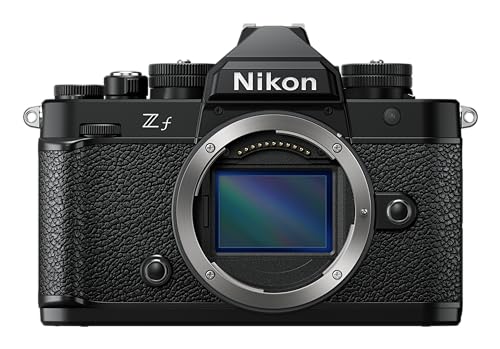
Available: ranking among products currently available (including other versions of this product).
All: ranking among all products in the database.
#2 in Best Nikon Cameras
#4 in Best Vlogging Cameras
#4 in Best Cameras for YouTube
#5 in Best Low Light Cameras
#6 in Best Cameras
#6 in Best Digital Cameras
#6 in Best Mirrorless Cameras
#6 in Best 4K Cameras
What it is: An assessment of the camera's technical performance, covering eight key areas: image quality, autofocus, video features, stabilization, lens compatibility, connectivity, battery, and design.
When it matters: When you want to compare cameras based on technical performance and available features.
Score components:
28.0%
Sensor & Image
25.0%
Photo Features
18.0%
Video & Audio
14.0%
Display & Design
8.0%
Battery & Power
7.0%
Connectivity & Storage
What it is: A rating that combines user reviews and the total number of reviews received by the camera.
When it matters: When real-world owner satisfaction and review volume matter to your decision.
Score components:
70.0%
User reviews
30.0%
Popularity
What it is: An indicator that combines the camera's overall rating with its cost.
When it matters: When you want to know how much overall quality you get for the price.
Score components:
60.0%
Overall score
40.0%
Price
Importance: HIGH
Good value: Full frame or larger
Importance: HIGH
Good value: At least 20 MP
Importance: HIGH
Good value: At least 3.5 µm
Importance: LOW
Importance: MEDIUM
Good value: At least ISO 25,600
Importance: MEDIUM
Importance: MEDIUM
Good value: At least 14-bit
Importance: LOW
Importance: LOW
Importance: LOW
Importance: LOW
Importance: LOW
Importance: LOW
Importance: LOW
Importance: LOW
Importance: MEDIUM
Importance: LOW
Importance: LOW
Importance: LOW
Importance: LOW
Importance: LOW
Importance: HIGH
Good value: At least 200 points
Importance: HIGH
Importance: MEDIUM
Importance: LOW
Importance: LOW
Importance: MEDIUM
Importance: MEDIUM
Importance: HIGH
Good value: At least 5 stops
Importance: LOW
Importance: MEDIUM
Good value: At least 10 fps
Importance: LOW
Importance: LOW
Importance: LOW
Importance: LOW
Importance: LOW
Importance: LOW
Importance: LOW
Importance: LOW
Importance: LOW
Importance: LOW
Importance: LOW
Importance: LOW
Importance: LOW
Importance: LOW
Importance: LOW
Importance: LOW
Good value: At least 200,000 actuations
Importance: LOW
Good value: At least 10x
Importance: HIGH
Good value: At least 3840 px
Importance: MEDIUM
Good value: At least 200 Mbps
Importance: MEDIUM
Good value: At least 10-bit
Importance: LOW
Importance: LOW
Importance: LOW
Importance: LOW
Importance: LOW
Importance: LOW
Importance: LOW
Good value: At least 30 min
Importance: LOW
Importance: LOW
Importance: LOW
Importance: LOW
Importance: LOW
Good value: At least 2 microphones
Importance: LOW
Importance: LOW
Importance: LOW
Importance: LOW
Importance: MEDIUM
Good value: 500 g or less
Importance: LOW
Importance: LOW
Importance: LOW
Importance: MEDIUM
Importance: MEDIUM
Good value: At least 2.36 million dots
Importance: LOW
Good value: 100%
Importance: LOW
Importance: LOW
Good value: At least 120 Hz
Importance: MEDIUM
Good value: At least 3 in
Importance: LOW
Importance: LOW
Importance: LOW
Importance: LOW
Importance: LOW
Importance: LOW
Importance: LOW
Good value: At least 10 m
Importance: LOW
Importance: LOW
Importance: LOW
Importance: LOW
Importance: MEDIUM
Good value: At least 400 shots
Importance: LOW
Good value: At least 1,500 mAh
Importance: LOW
Importance: LOW
Importance: LOW
Importance: LOW
Importance: LOW
Importance: LOW
Importance: LOW
Importance: LOW
Importance: LOW
Importance: LOW
Importance: LOW
Importance: LOW
Importance: LOW
Importance: LOW
Importance: LOW
Importance: LOW
Importance: LOW
Importance: LOW
Importance: HIGH
Good value: At least 200 points
Importance: MEDIUM
Importance: HIGH
Importance: MEDIUM
Good value: At least ISO 25,600
Importance: HIGH
Good value: At least 5 stops
Importance: MEDIUM
Good value: At least 10 fps
Importance: MEDIUM
Good value: At least 200 Mbps
Importance: HIGH
Good value: At least 3.5 µm
Importance: MEDIUM
Good value: 500 g or less
Importance: LOW
Importance: LOW
Importance: LOW
(Reviews last updated: July 2026)
The DPReview review of the Nikon Zf rates the camera highly (90%) for blending a nostalgic design with advanced full-frame performance, powered by the EXPEED 7 processor. Key strengths include excellent image quality from the 24MP BSI CMOS sensor, a durable magnesium alloy body with premium mechanical controls, and an effective 8-stop in-body image stabilization (IBIS) system. However, the review identifies significant handling drawbacks, specifically poor ergonomics due to the lack of a substantial handgrip, which makes the camera uncomfortable with larger lenses. Additionally, the design lacks a dedicated autofocus joystick and features a less-than-ideal dual card slot configuration combining SD with a slower MicroSD, according to the analysis. YouTube
The Nikon Zf combines a 1983-inspired vintage body with advanced full-frame technology, utilizing the same 24-megapixel sensor as the Z6 II alongside the flagship autofocus capabilities of the Z8 and Z9. Standout performance benefits include an innovative in-body image stabilisation (IBIS) system that optimises stability based on your specific focus point, and the unique ability to use subject detection during manual focus with vintage lenses. Photographers will also appreciate the dedicated physical switch for instant monochrome shooting, deep low-light focus capabilities down to -10EV, and a basic 96-megapixel multi-shot mode. However, the camera features several notable ergonomic and technical limitations. The dual storage layout is less convenient than standard configurations because it pairs one fast UHS-II SD slot with a smaller microSD slot. For video and action tracking, the electronic viewfinder maxes out at 60 frames per second, the sensor suffers from slow readout speeds resulting in poor rolling shutter, and 4K 60p video is restricted by a 1.5x crop. Finally, while the physical dials provide an enjoyable tactile experience for stills, they are far less intuitive to navigate when...
Nikon ZF Review Summary The Nikon ZF is a highly capable full-frame mirrorless camera that perfectly blends a stunning retro design inspired by the classic FM2 with modern, flagship-level performance. It features a 24-megapixel sensor, exceptional 14.5-stop dynamic range, and a dual base ISO system that delivers clean low-light performance up to ISO 6,400. Powered by the EXPEED 7 processor, it inherits the elite subject-detection and autofocus capabilities of the pricier Z8 and Z9 models. Photographers and videographers alike will benefit from its impressive 8 stops of in-body image stabilization—outperforming Nikon's flagship bodies—along with Pixel Shift technology for 96MP high-resolution shots and 10-bit internal H.265 N-Log video recording. Unique build touches include solid brass control dials designed to wear down and develop a personalized patina over time. Despite its top-tier internals, the camera has a few design and functional drawbacks. Its primary flaw is a completely flat physical grip, which makes handling uncomfortable when paired with larger, heavier lenses—though this can be easily corrected with affordable third-party grip extensions from brands like Neewer or SmallRig. Storage flexibility is somewhat compromised...
The Nikon Zf is a full-frame 24 MP mirrorless camera that combines a retro, magnesium-alloy chassis inspired by the 1980s FM2 film camera with cutting-edge technology. It serves as a highly responsive powerhouse for both photo and video, utilizing the advanced autofocus tracking modes found in Nikon's flagship Z9. Reviewer Steve Huff highlights the camera as an exceptional value at $1,995, noting that its large 3.69-million dot EVF makes it the premier body for adapting small, jewel-like manual focus lenses, such as those from Voigtlander. On the video front, it excels with oversampled 4K recording, a fully articulating flip-out LCD screen, and remarkably rich external microphone preamps that outshine those in the more expensive Z9. While the review praises its performance, it notes several design compromises. The camera's compact and lightweight body can feel uncomfortable during extended use, causing the user's pinky finger to hang off the bottom and creating a need for an aftermarket grip. Ergonomically, the reviewer disliked that the dual memory card slots (one SD and one microSD) are buried inside the bottom battery compartment rather than...
The Nikon Zf balances a retro, 1970s-inspired tactile design with top-tier modern performance. It stands out for its superior dynamic range at lower ISOs up to 800 when using the mechanical shutter, making it the better choice for studio and landscape photography. It is also more affordable, coming in at $500 less than its counterpart. On the downside, its flat body lacks a substantial ergonomic grip, making it poorly balanced for heavy telephoto lenses. Furthermore, its electronic shutter suffers from notable rolling shutter issues, and its storage layout relies on an unusual, fiddly combination of one standard SD card slot and one microSD card slot. In contrast, the Nikon Z6 III is a modern hybrid powerhouse optimized for fast-action photography and professional video production. Its core strengths include a superior, high-resolution 5.69-million dot electronic viewfinder (EVF) and a partially stacked sensor that minimizes rolling shutter distortions while enabling ultra-fast burst rates of up to 20 RAW frames per second. Video shooters benefit from internal RAW recording and uncropped 4K/60p video capture. It also sports a deep, secure handgrip and a...
In his comprehensive Nikon Zf review, wedding photographer Sam Hurd hails the retro-styled body as one of his top three favorite cameras ever made, considering it an absolute home run. Equipped with the same full-frame sensor as the Nikon Z6II and paired with modern auto-focus mechanics, the camera stands out for its high ISO cleanliness, exceptional colors, and robust dynamic range that holds its own against the flagship Nikon Z8 and Z9. A major highlight of the system is its remarkable mount flexibility; utilizing third-party autofocus adapters like the Techart TZM-2, Hurd successfully achieved seamless tracking and zero AF limitations when stacking vintage manual focus lenses or Canon EF glass. Despite his overwhelming praise—which led him to purchase the body twice—Hurd highlights a few notable design drawbacks. On the downside, the camera's flat ergonomic profile means you are absolutely going to want to purchase a third-party grip extender to hold it comfortably. Additionally, while he appreciates that the vari-angle screen matches the flexibility of Canon's system, he notes that the articulating mechanism could still be improved by adopting a newer...
of the Nikon Z f The Nikon Z f successfully combines a retro, magnesium-alloy exterior inspired by the classic 1980s FM2 analog film camera with powerful modern technology. It stands out as an exceptionally well-built camera featuring durable brass dials, a high-resolution 3.69 million-pixel tilt-and-swivel viewfinder, and a dedicated black-and-white switch. Internally, it relies on a well-balanced 24-megapixel full-frame sensor paired with the high-end EXPEED 7 processor found in the Z8 and Z9. This combination delivers snappy, professional-grade autofocus tracking, excellent low-light performance, natural color reproduction, and highly capable 10-bit N-Log 4K video recording. Additionally, the camera ingeniously saves space by utilizing a MicroSD slot as a secondary backup to the main SD slot, allowing it to house a full-size EN-EL15C battery that delivers over 1,000 shots per charge. Pros and Cons Despite its technical triumphs, the review highlights distinct ergonomic and functional drawbacks. Pros Premium Build: A sturdy magnesium-alloy body paired with vintage-styled brass dials that develop a natural patina over time. Elite Performance: Exceptionally reliable autofocus, eye tracking, and subject recognition powered by the EXPEED 7 processor. Excellent...
The Nikon Z f is a full-frame mirrorless camera merging vintage design with high-tier performance, featuring exceptional dynamic range, effective IBIS, and robust, tactile controls. Its standout RAW image quality and capable low-light performance make it an excellent choice for photography enthusiasts and street shooters. RTINGS.com However, the camera's flat-front, retro design limits ergonomics, leading to a lack of a secure, comfortable handgrip, and it suffers from underwhelming battery life. While it offers advanced autofocus, users may find it imbalanced with larger lenses or challenging for all-day shooting. RTINGS.com
The Nikon Zf is a retro-styled, full-frame mirrorless camera that offers exceptional value for money and a highly engaging shooting experience distinct from soulless, computer-like alternatives. In terms of performance, the camera shines with class-leading low-light performance backed by 8 stops of stabilization, a pleasing shutter sound, and a dedicated tactile switch for black-and-white photography. Its 24MP RAW files render exceptional colors, particularly handling difficult skin tones, blues, and greens with a quality that rivals high-end Leica sensors. Additionally, it features a large, clear electronic viewfinder (EVF) and a highly capable eye-detection autofocus system that holds its own against industry-leading Sony technology. However, the camera's vintage aesthetics introduce several prominent ergonomic and design drawbacks. Its flat, retro shape results in uncomfortable handling that causes hand fatigue after prolonged use, which is difficult to resolve even with third-party grips. The physical design also lacks an autofocus joystick for quick point selection and utilizes a fully articulated screen that feels misaligned with the needs of traditional photography enthusiasts. Finally, the native Z-mount lens ecosystem lacks high-quality, vintage-styled autofocus options, forcing users to...
The Nikon Zf is a full-frame mirrorless camera that successfully blends a nostalgic, magnesium-alloy body styled after the classic FM2 with modern performance powered by the EXPEED 7 processor. The reviewer notes that the camera excels in low-light environments, features highly responsive 273-point autofocus with flawless subject tracking, and delivers clean 4K video footage in N-Log. It even proves capable of handling challenging wildlife photography, such as capturing gannets in flight. The tactile response of the mechanical top dials provides an immersive and rewarding shooting flow once the user adapts to adjusting settings with both hands. However, the camera suffers from a complete lack of modern ergonomics, making comfortable single-handed operation nearly impossible and causing hand fatigue without an optional external grip. It features very few custom buttons compared to standard modern entry-level DSLRs, and omitting a dedicated ISO button complicates layout muscle memory for existing Nikon users. Finally, native lens compatibility presents a aesthetic and functional disconnect; Nikon's modern Z-mount lenses lack dedicated physical aperture rings, while third-party autofocus alternatives face uncertain future compatibility due to ongoing patent lawsuits.
The Nikon Zf blends retro aesthetics with robust performance, featuring a durable magnesium-alloy body, tactile manual controls, and a 24.5-megapixel sensor that produces excellent, vibrant colors. Key performance benefits include a precise Exceed 7 autofocus system and 8-stop in-body image stabilization (IBIS). Conversely, the camera suffers from poor ergonomics, featuring a flat, slippery grip that can cause fatigue, along with an awkward, non-identical microSD secondary card slot. Additionally, the lack of a dedicated AF joystick and unconventional dial logic are notable drawbacks.
The Digitalkamera.de review highlights that the Nikon Z f combines retro design with modern technology, featuring a 24.4MP full-frame sensor and the Expeed 7 processor for excellent low-light performance. The camera is praised for its advanced AF system, effective 5-axis image stabilization, and durable tactile controls. Conversely, the review notes ergonomic drawbacks including a shallow grip, challenging handling with heavy lenses, and an inconvenient bottom-loaded battery compartment. Other disadvantages mentioned include the use of MicroSD cards and specific color accuracy issues.
The Nikon Zf is a full-frame mirrorless camera that blends a vintage 1980s retro aesthetic—inspired by classic SLR models like the Nikon FE—with cutting-edge modern components. Equipped with a 24.4-megapixel image sensor and the high-performance Expeed 7 processor found in Nikon’s flagship professional models, the camera delivers outstanding, detail-rich photos and exceptional image quality even in extreme low-light environments up to ISO 6400. Its advanced autofocus system inherits professional-grade automatic subject recognition (for people, animals, and vehicles) and precise tracking. For videographers, the Zf captures high-quality 4K video using full-sensor oversampling up to 30p, supports professional 10-bit HLG and N-Log formats, and offers a generous continuous recording time of up to 125 minutes. Key Pros and Cons The review highlights several distinct strengths and weaknesses of the camera: Pros: Top-tier image quality in low light, highly accurate and rapid subject-tracking autofocus, premium 4K video features, and an extended 125-minute video recording limit. Cons: The prominent ergonomic drawback is the complete absence of a built-in handgrip, which makes the camera unwieldy and uncomfortable to hold when paired with large or heavy...
The Galaxus review highlights the Nikon Z f as a stunning, retro-styled full-frame camera that successfully merges classic Nikon FM2 aesthetics with high-performance modern technology. Key advantages include its robust build, excellent low-light performance with the 24.5-megapixel sensor, highly reliable AF down to -10 EV, and powerful 5-axis, 8-stop image stabilization. Conversely, the review notes significant ergonomic "rough edges," specifically criticizing the flat, uncomfortable grip when paired with larger lenses and the inconvenient placement of the battery and memory card slots. Further drawbacks include a limiting MicroSD/SD card slot configuration and a steep learning curve due to the unconventional, analog-focused control layout. YouTube
The Nikon Zf is a full-frame mirrorless camera that masterfully combines a robust, tactile retro design with high-end modern performance. The reviewer notes that the camera has a solid, substantial weight and features satisfying brass control dials that offer an immersive, deliberate shooting experience reminiscent of 1970s and 1980s film cameras. In terms of advantages, the Zf boasts a highly advanced autofocus system with exceptional face, eye, and animal detection, which functions perfectly even when using manual vintage lenses via an adapter. Furthermore, it serves as a highly capable tool for video creators by supporting internal 10-bit N-Log recording alongside a fully articulating touchscreen monitor. Highly practical software features like "Pre-Release Capture"—to avoid missing fast actions—and a dedicated physical switch for deep monochrome photography further elevate its day-to-day usability. Despite its stellar performance, the camera has a few drawbacks regarding ergonomics and form factor. Its overall dimensions and physical weight are surprisingly larger and heavier than expected, especially for users transitioning from the smaller Nikon Zfc. The authentic vintage layout lacks a pronounced modern grip, making the camera somewhat uncomfortable...
The Nikon Zf is a full-frame mirrorless camera that blends classic analog design, inspired by the iconic Nikon FM2, with advanced modern hardware. It features a premium magnesium alloy body with brass elements, a 24.4-megapixel CMOS sensor, and the powerful Expeed-7 processor inherited from the flagship Z8 and Z9 models. This processing power drives a fast, accurate autofocus system with specialized subject tracking (including birds) and low-light responsiveness. Image quality is excellent, maintaining low noise levels and strong sharpness up to ISO 6,400, though fine detail drops sharply at ISO 12,800. For video, the camera records 10-bit 4K UHD up to 60p, though it applies a minor crop factor at 60p and lacks internal RAW video support. Key Pros & Cons Pro: Robust magnesium construction with elegant tactile brass control dials. Pro: Flagship-tier autofocus performance and AI-driven subject recognition tracking. Pro: High-Res Pixel-Shift mode for stationary scenes up to 96 megapixels. Pro: Fully articulating 3.2-inch touchscreen display for versatile shooting angles. Con: Compromised ergonomics with a shallow grip that makes handling heavier lenses difficult. Con: Sacrificed physical controls including the...
The Nikon Zf is a 24.5-megapixel full-frame mirrorless camera that blends an aesthetic vintage design—inspired by the analog Nikon FM2—with advanced modern features like the fast Expeed 7 processor, 3D tracking autofocus, and a dedicated physical black-and-white mode switch. In real-world testing with the Nikkor Z 35mm f/1.4 lens, the camera delivers excellent full-frame dynamic range, a robust magnesium-aluminum body with weather sealing, and creative flexibility through specialized monochrome modes (Monochrome, Flat, and Deep Tone). It also includes a unique "Pre-Release Capture" feature that saves JPEG images up to one second before fully pressing the shutter button. Ultimately, the reviewer gives the camera an overall score of 82%, highlighting it as a high-value, high-performance tool, particularly when paired with the retro-styled Nikkor Z 40mm f/2 SE kit lens. Despite its high performance, the review identifies several notable design and functional drawbacks. On the downside, the camera suffers from poor ergonomics due to a nearly flat grip, and the viewfinder sits so flush with the articulating rear touchscreen that it easily smudges the glass. Photographers may also find the handling cumbersome...
The Nikon Z f is highly praised by community reviewers for successfully marrying a vintage, analog aesthetic with flagship-level modern technology. Underneath its retro chassis, which pays homage to classic film cameras, lies a 24.5-megapixel full-frame CMOS sensor and advanced internal hardware shared with higher-end models like the Nikon Z8 and Z9. Users consistently highlight its exceptional autofokus speed and subject detection capabilities—specifically eye and animal tracking—as a massive generational leap over older mirrorless bodies like the Z6 II. Additional prominent pros include first-class image quality in low-light environments, highly effective in-body image stabilization (IBIS), and a fully articulating touchscreen monitor that is unique to the Nikon full-frame family. However, the camera's dedication to nostalgic design creates notable ergonomic tradeoffs. Reviewers frequently complain that the slim, flat camera body lacks a prominent built-in handgrip, making it physically awkward and fatiguing to hold during long shooting sessions. This imbalance becomes particularly problematic when pairing the camera with large zoom lenses or heavy prime lenses, forcing many users to purchase an external SmallRig accessory grip to make it comfortable. Additionally, some users...
The Nikon Zf is a full-frame mirrorless camera launched in September 2023 that successfully blends a vintage aesthetic inspired by the classic FM2 film camera with cutting-edge internal technology. Priced at €2,349 (body only), it features a well-regarded 24.5 MP BSI CMOS sensor paired with Nikon's latest Expeed 7 processor. This powerful pairing allows the camera to punch well above its weight class, inheriting advanced deep-learning autofocus, 3D tracking, and subject detection from the flagship Z8 and Z9 models. The review highlights exceptional image quality with impressive high-ISO noise control up to ISO 6,400, a high-performing 5-axis stabilization system (Focus Point VR) reaching up to 8 stops, a dedicated monochrome switch for deep black-and-white photography, and a 96 MP Pixel Shift high-resolution mode. Video capabilities are robust as well, delivering oversampled 4K UHD video at 30 fps without cropping and 4K at 60 fps in DX format (cropped).
The Nikon Zf is a full-frame mirrorless camera that combines a premium, vintage metal body—reminiscent of the classic Nikon FM2—with advanced modern performance driven by the Expeed 7 processor. A major highlight of the review is its top-tier autofocus system, which borrows heavy-hitting features from the pro-level Nikon Z8 and Z9 models. It utilizes deep learning AI to instantly recognize and track nine different subject types, offers 3D tracking, and delivers exceptional low-light focusing down to -10 EV. Image quality remains very clean with excellent color rendering up to ISO 3,200 and highly manageable results at ISO 6,400. Additional strong points include an upgraded built-in sensor stabilization system, a fully articulating touchscreen display, dual card slots (one SD and one Micro-SD), and a unique pixel-shift mode that allows photographers to create massive 96-megapixel high-resolution images.
The Nikon Z f is reviewed as a highly capable, mid-range mirrorless camera that successfully balances retro charm with modern full-frame performance. A key highlight is its beautiful, vintage-inspired design that incorporates physical exposure dials, a high-quality 3.69-million-dot OLED viewfinder, and a fully articulating touchscreen. Driven by the advanced Expeed 7 processor, the camera features a fast, precise autofocus system capable of automatic subject detection and tracking, which performs remarkably well even down to low-light conditions of -10 EV. Furthermore, its 24.5-megapixel full-frame sensor delivers superb image quality, excellent high-ISO noise handling up to 3200 ISO, and impressive dynamic range. The reviewer also praises specialized features such as the 8-stop sensor stabilization, an innovative high-resolution Pixel Shift mode, and a dedicated physical switch for effortlessly capturing gorgeous black-and-white photos. Despite these strengths, the review notes several design compromises and ergonomic flaws. The classic aesthetic results in a flat, narrow handgrip that makes the camera fatiguing and unreliable to hold during long sessions. The tactile controls can become confusing, as the PSAM mode switch occasionally overrides the manual dials, creating a...
The Nikon Z f is a full-frame mirrorless camera that masterfully combines a robust, magnesium-alloy retro design inspired by the 1980s FM2 film camera with high-end modern technology. Powered by the advanced Expeed 7 processor found in flagship models, it delivers outstanding autofocus tracking (including 3D tracking), 8 stops of 5-axis image stabilisation, and impressive low-light performance. Photographers will appreciate its tactile layout featuring dedicated physical dials for ISO, shutter speed, and exposure compensation, alongside a fully articulating LCD touchscreen and dedicated physical switch for beautiful black-and-white shooting modes. On the video front, it is highly capable, supporting internal 10-bit H.265 recording, 4K at 25p without a crop, and 4K at 50p with a 1.5x crop. Despite its premium features, the review highlights several ergonomic and practical drawbacks. Its vintage design lacks a pronounced grip, making the body feel heavy and unbalanced with larger lenses unless you purchase an additional SmallRig grip accessory. There is no physical joystick to move autofocus points, forcing users to rely on the touchscreen or directional pad. Furthermore, Nikon's current native lens lineup only features...
Steven Berruyer’s review characterizes the Nikon Z f as a successful blend of vintage design and high-tier, full-frame performance, acting as a modern successor to the Nikon Df. Key strengths highlighted include robust weather-sealed construction, tactile controls, the advanced Expeed 7 processor enabling top-tier autofocus and 3D tracking, superb low-light capabilities, a dedicated monochrome mode, and a versatile articulating screen. Conversely, the review notes significant handling limitations, primarily citing a flat, uncomfortable grip that often requires an additional accessory for better ergonomics. Other cons include the inconvenient placement of a Micro SD card for the secondary slot, high-resolution pixel-shift mode limitations, and noticeable rolling shutter effects. For a detailed look at the camera's performance, visit Steven Berruyer. YouTube
In this review, Derek Harbinson evaluates the full-frame mirrorless Nikon Zf, highlighting its blend of classic retro styling and powerful modern technology. The camera excels in its high-end video capabilities, supporting internal 10-bit N-Log recording alongside a bright, sharp vari-angle touchscreen that makes it highly effective for vlogging. Harbinson notes several performance pros, including an exceptionally fast and sharp autofocus system complete with advanced subject detection for people, vehicles, and various animals like dogs. He also praises the rugged, solid build quality—featuring solid brass mechanical dials—and clever ergonomics such as the "touch Fn" feature for blind AF-point shifting, a quick-switch dedicated monochrome mode, and subject detection compatibility during manual focus. However, the review highlights distinct ergonomic challenges and physical tradeoffs. Upon unboxing, the camera feels surprisingly large and heavy, making it noticeably bulkier than its APS-C sibling, the Nikon Zfc. The vintage design lacks a pronounced built-in grip, prompting Harbinson to recommend an optional SmallRig handgrip to achieve a comfortable hold during extended use. Additionally, users accustomed to modern camera bodies will face a learning curve, as the retro physical...
The Nikon Z f is a full-frame mirrorless camera that masterfully combines a gorgeous vintage aesthetic inspired by classic film cameras with modern, high-tier performance. Featuring a 24.5-megapixel sensor and the powerful Expeed 7 processor shared with flagship models, it delivers outstanding image quality, remarkable low-light performance up to ISO 3200, and a highly responsive autofocus system that boasts robust subject detection and 3D tracking. Reviewers highlight its highly effective 8-stop mechanical image stabilization and a unique physical switch that grants instant access to dedicated, beautifully tuned monochrome modes. It also introduces a "Pixel Shift" multi-shot mode capable of producing ultra-high-resolution 96-megapixel images through external desktop software processing. However, the review points out several design trade-offs made in pursuit of the retro style. Its flat, vintage-inspired grip makes the camera uncomfortable to hold when paired with heavy or long telephoto lenses, though this can be remedied with a separate aftermarket handle. Ergonomically, the omission of a dedicated joystick forces users to rely on the directional pad or the touchscreen to shift focus points. Additionally, storage flexibility is slightly compromised by...
The Frandroid review awards the Nikon Zf an overall score of 8/10, highlighting it as a highly anticipated full-frame neo-retro camera that successfully blends timeless aesthetics with top-tier performance. Under the hood, it marries an established 24.5 Mpx full-frame sensor with Nikon's latest Expeed 7 processor. Key strengths include a striking retro design inspired by vintage film cameras, a large and bright electronic viewfinder, and a fully articulating touchscreen—a long-awaited feature for vlogging and versatile shooting. Furthermore, its performance is a standout asset, inheriting the exceptional Deeplearning-boosted 3D tracking autofocus from higher-end models (Z8/Z9) and delivering stunning low-light image quality alongside a dedicated, mechanical-switch-activated monochrome mode. However, the review outlines clear compromises stemming from this vintage aesthetic. The camera's ergonomics are far from flawless; it carries a substantial weight of 710 grams (with battery and memory card) and its flat design offers a poor grip, making an additional SmallRig handle highly recommended for secure handling. Reviewers also noted minor layout issues, such as the strap attachment positioning interfering slightly with the index finger during shooting. On the technical side, while...
The 33 Iso review highlights the Nikon Zf as a high-performance, retro-styled full-frame camera powered by the Expeed 7 processor, delivering excellent dynamic range, stellar high ISO noise management, and robust autofocus. Key advantages include its distinctive aesthetic, dedicated tactile dials, a specialized black-and-white mode switch, and a premium build quality. YouTube · Conversely, the review highlights significant ergonomic shortcomings, noting that the flat, vintage design lacks a proper handgrip, leading to discomfort and fatigue with larger lenses. Additionally, the control layout is described as less practical for fast-paced, modern shooting compared to conventional designs, with specific criticisms aimed at the flimsy battery door and Micro SD card slot integration. YouTube ·anybodyshoots (gio)
The Nikon Z f is a full-frame mirrorless camera that perfectly balances a vintage aesthetic inspired by the classic FM2 film camera with modern, high-performance technology. It is powered by the advanced Expeed 7 processor, which delivers an incredibly responsive autofocus system with AI-driven subject tracking inherited from the professional Z 8 and Z 9 models. Equipped with a 24.5 Mpx BSI CMOS sensor, the camera offers specialized deep monochrome modes accessible via a physical switch, continuous shooting speeds up to 30 fps in JPEG, and 8 stops of in-body image stabilization. Additionally, it features a unique manual focus assist tool that uses subject recognition to guide users, alongside modern design implementations like a fully articulating touchscreen and a dual card slot system comprising one SD UHS-II slot and one microSD UHS-I slot. Pros & Cons Pros Cons Excellent Performance: High-speed 30 fps JPEG burst rate and generational leaps in overall responsiveness compared to older models like the Z 6II. Poor Ergonomics: Near-total absence of a built-in handgrip or thumb rest, making an external SmallRig grip practically essential for heavy...
The Nikon Zf is a full-frame mirrorless camera that combines a premium retro aesthetic, inspired by the classic Nikon FM2, with modern performance features inherited from higher-end models like the Z8 and Z9. Built around a 24-megapixel CMOS sensor, it shares excellent image quality, rich dynamic range, and strong high-ISO performance with the Z6 II. Key advantages highlighted in the review include an exceptionally agile autofocus system with advanced subject detection and tracking capabilities, an internal 5-axis image stabilisation system offering up to 5 effective stops in real-world testing, and a dedicated, easily accessible physical switch for black-and-white modes. Videographers also benefit from a noteworthy upgrade over the Z6 II: the ability to record 10-bit 4K video internally with the N-Log profile. However, the review notes several design and functional drawbacks that prevent the camera from being flawless. Structurally, the bottom plate and the battery compartment door feel noticeably flimsy compared to the otherwise solid metal build. While it features dual storage slots, the choice to use one standard SD slot and one much smaller MicroSD slot is highly criticised...
The Zoom.nl test panel praises the Nikon Z f for combining retro design with top-tier image quality, high-speed autofocus, and a dedicated monochrome switch. Testers highlighted the fully articulating screen and lightweight performance when paired with compact lenses. However, the flat, traditional body design drew criticism for its lack of a deep grip, leading to ergonomic issues and uncomfortable handling for some users, particularly with heavier lenses. The panel concluded that while performance is excellent, the ergonomics require a compromise compared to modern mirrorless designs.
The Nikon Z f is an exceptional hybrid full-frame mirrorless camera that perfectly fuses a nostalgic 1980s-inspired DPReview aesthetic with top-tier modern performance. Underneath its premium magnesium-alloy and brass exterior—modeled after the legendary analog Nikon FM2—lies the highly advanced EXPEED 7 processor DPReview. This hardware combination delivers deep-learning autofocus tracking for nine subject categories, a rapid burst speed of up to 30 frames per second, and an impressive 8-stop 5-axis image stabilization system. Reviewers heavily praise its superior low-light noise control on the 24.5-megapixel sensor, the dedicated tactile monochrome switch for black-and-white shooting, a high-resolution 96MP pixel-shift mode, and rich 4K/60p video capabilities. Despite receiving critical acclaim and multiple awards, the camera does feature prominent ergonomic drawbacks. Reviewers from DPReview and various photo magazines consistently note that its flat retro design provides almost no physical handgrip. This makes the camera heavy, awkward, and uncomfortable to hold for long durations, especially when mounting larger, modern full-frame Z-mount zoom lenses. Additionally, the deliberate omission of a modern autofocus joystick to preserve the retro styling forces photographers to rely on the D-pad or...
The Nikon Z f (bundled with the 40mm f/2 SE kit lens) is an exceptionally capable full-frame camera that provides rich, information-dense RAW images and remarkable value for its price. The reviewer transitioned to this camera after eight years with an APS-C Fujifilm X-T20, using it extensively for cityscapes and landscape photography. Its standout features include a lightning-fast Expeed 7 processor, an incredibly effective in-body image stabilisation (IBIS) system that allows sharp handheld shots at shutter speeds as slow as 1/4 second, and a highly responsive, quiet autofocus that excels even in low light, mist, or direct backlight. Users also benefit from a fully articulating screen that can be closed completely to protect it, a solid weather-sealed construction, and a battery life that comfortably yields around 500 shots per charge. However, the camera's vintage aesthetic introduces significant ergonomic drawbacks, most notably an extremely shallow grip that makes one-handed operation insecure and tiring, especially when paired with heavy lenses like the Nikon S 24-120mm f/4. The reviewer partially mitigated this by purchasing a third-party Neewer handgrip. Other major constraints include the...
The Nikon Zf is an exceptionally capable full-frame mirrorless camera that perfectly balances a classic 1970s and 1980s retro aesthetic with robust, modern technology. In terms of performance, it operates as a video and photography powerhouse by utilizing a fast autofocus system that uniquely maintains its advanced subject detection (such as for faces, birds, and vehicles) even when using manual focus or vintage lenses paired via an FTZ adapter. For content creators, it provides elite convenience by supporting internal 10-bit N-Log video recording and featuring a fully articulating vari-angle touchscreen. The physical dials, made of solid machined brass with inlaid numbers, promote a highly tactile, "considered" shooting workflow and allow users to instantly toggle to a dedicated monochrome mode for checking tonal ranges. Conversely, the review notes distinct ergonomic drawbacks, as the camera is noticeably heavier and larger than expected—especially when compared to the smaller Nikon Zfc. Because the retro flat-body design lacks a substantial built-in grip, the reviewer emphasizes that the Zf can feel less secure to hold unless paired with an optional, third-party SmallRig grip extension. Furthermore, the...
Compare