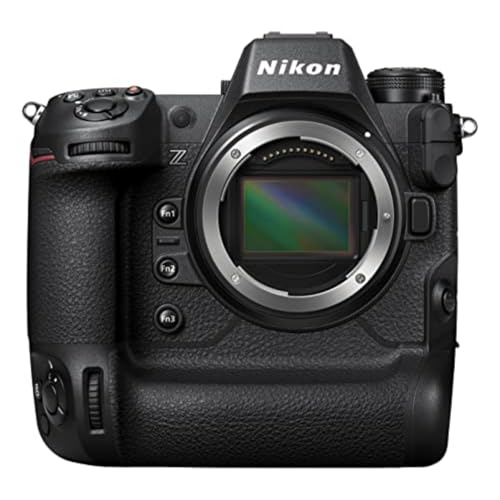
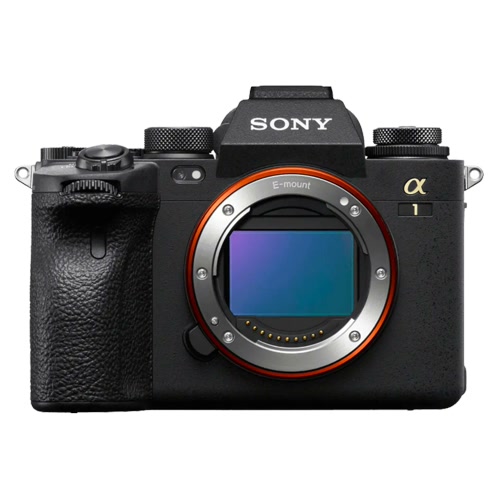
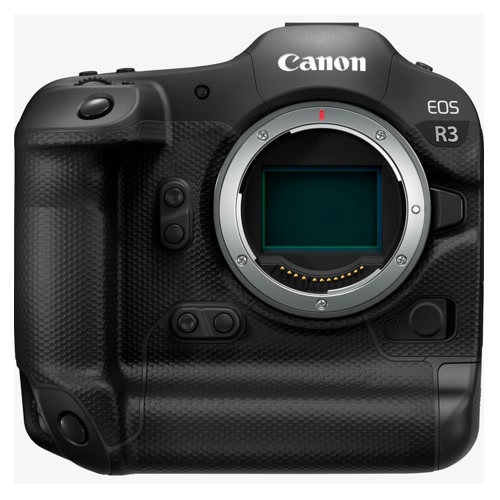
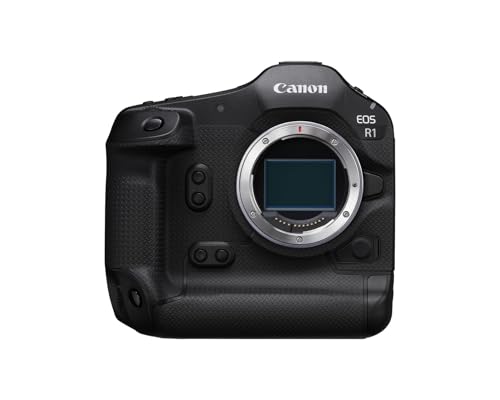
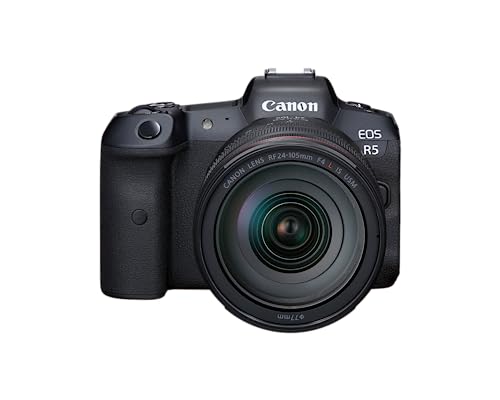
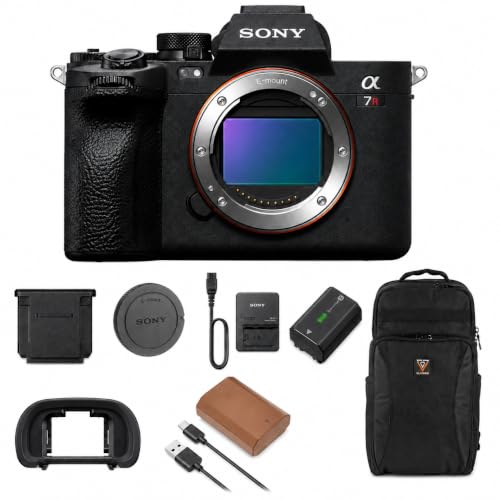
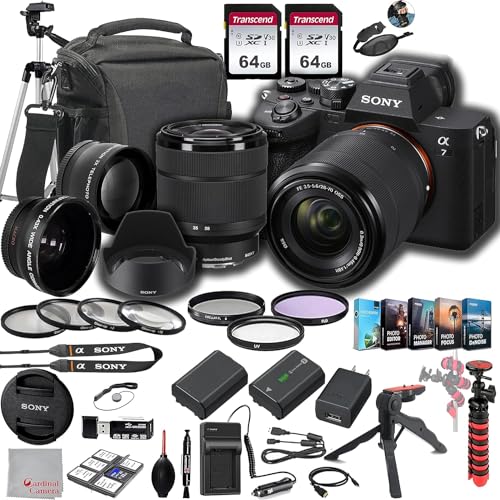
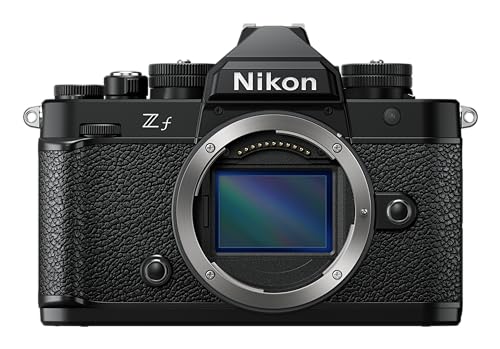
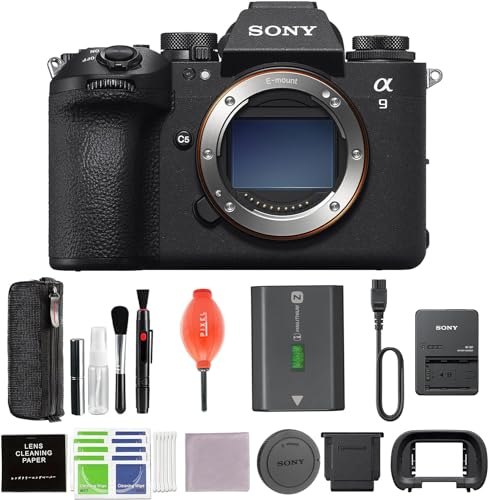
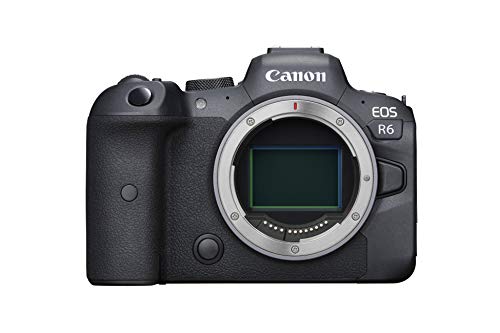
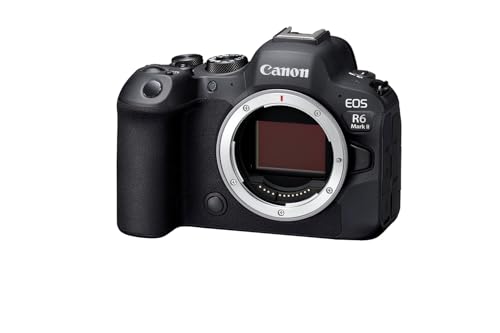
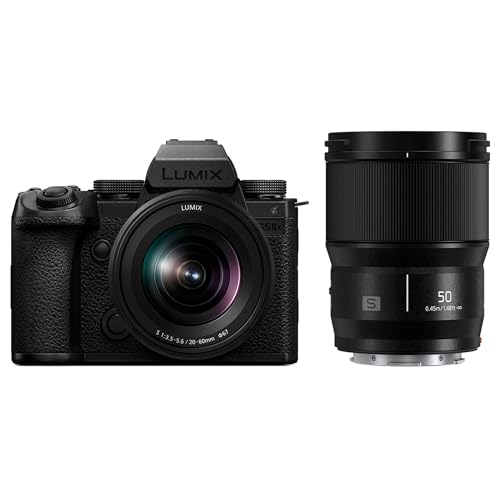
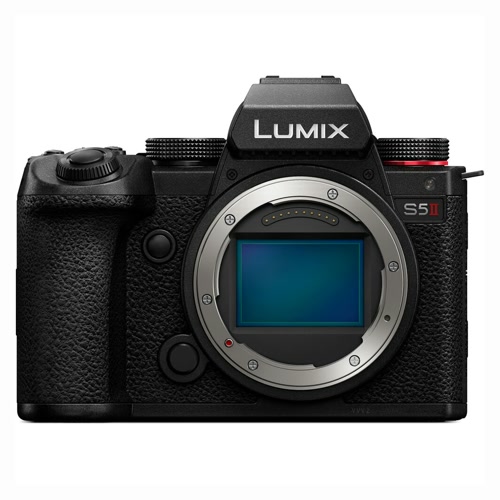
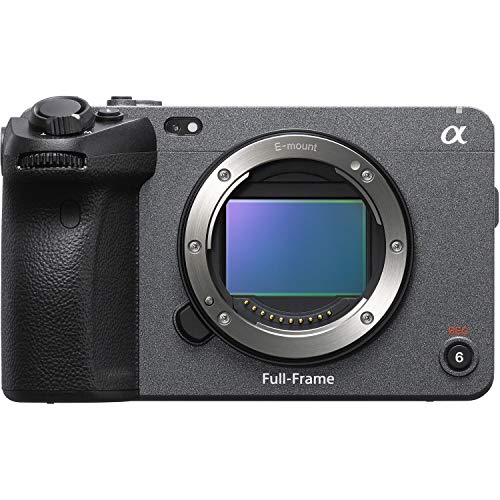
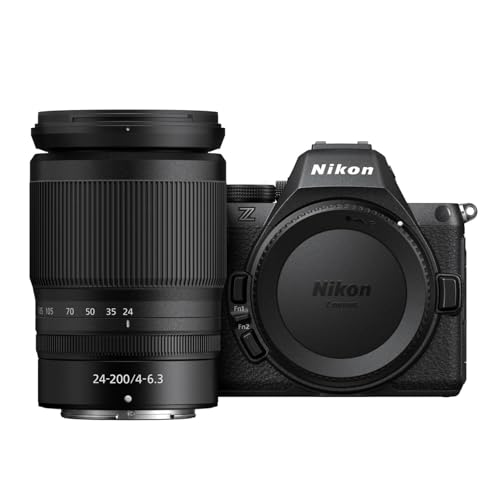
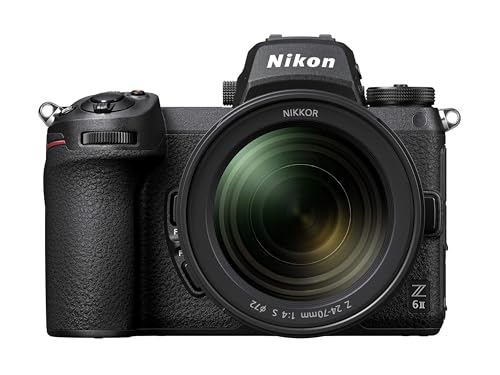
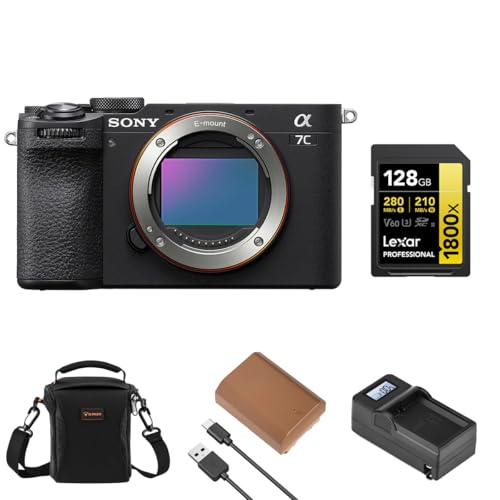
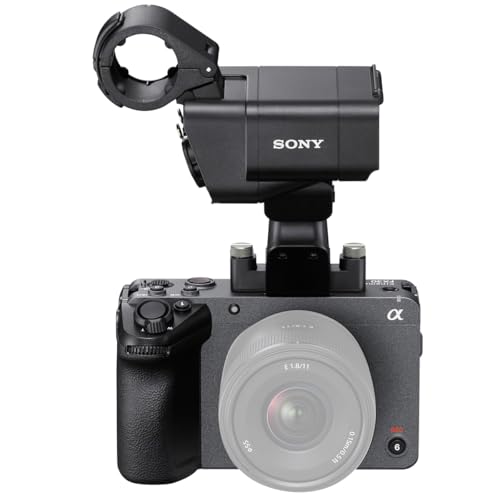
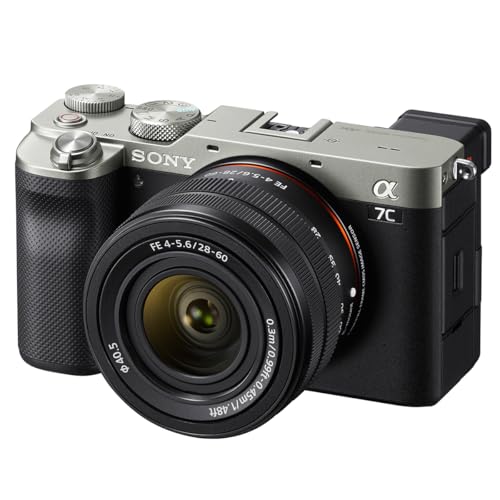
A mirrorless camera is a digital interchangeable-lens camera that sends light directly to the imaging sensor instead of using the moving mirror and optical-viewfinder assembly found in a DSLR. The live sensor feed is displayed on the rear screen or through an electronic viewfinder, so exposure, white balance, focus aids, and depth-of-field effects can be previewed before capture.
Removing the reflex mirror permits shorter lens-mount distances and can make bodies more compact, although a complete kit is not necessarily small once a large full-frame zoom is attached. The design also enables autofocus points across much of the frame, silent electronic shooting, and advanced video features, but it increases reliance on the sensor, processor, display, and battery.
How do mirrorless cameras differ from DSLR cameras?
Mirrorless cameras differ from DSLRs mainly by replacing the DSLR's reflex mirror and optical viewfinder with a continuous sensor feed and an electronic display. This lets mirrorless bodies preview exposure and color, place autofocus coverage across more of the image, and use features such as eye detection, focus peaking, and silent electronic shutters.
DSLRs still offer a direct optical view with no display lag and commonly deliver much longer battery life when the rear screen is not used. Their mature Canon EF, Nikon F, and Pentax K systems also include many lenses, though new product development has shifted strongly toward mirrorless mounts.
Mirrorless cameras are usually stronger for hybrid stills and video because the same on-sensor focusing system works in both modes. Body size can be smaller, but comparable bright full-frame lenses remain large, and fast electronic shutters can introduce rolling-shutter distortion or banding unless the sensor readout is sufficiently quick.