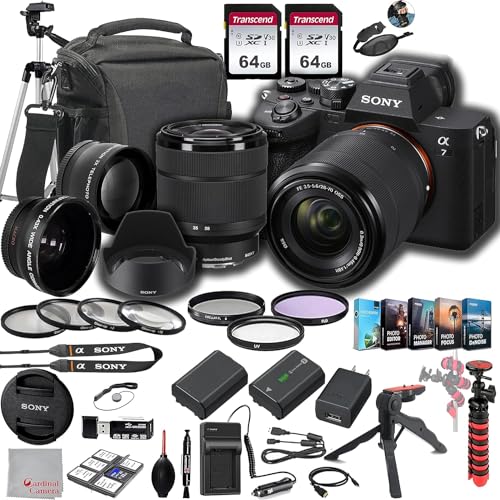
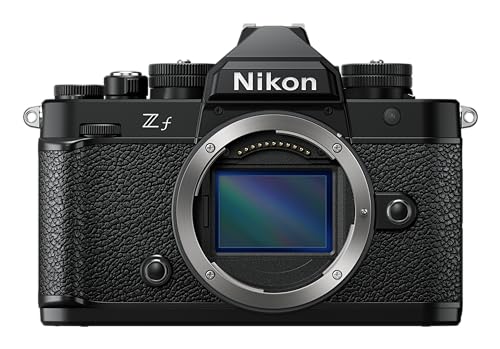
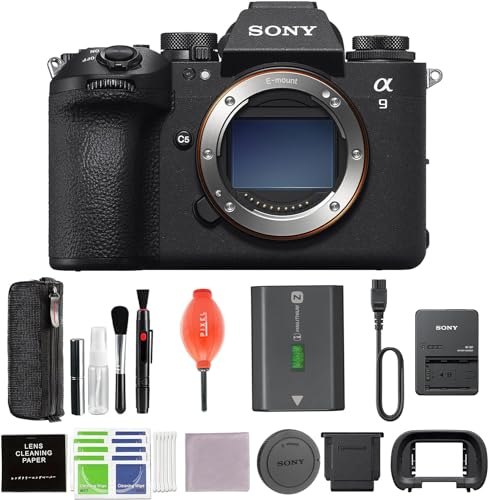
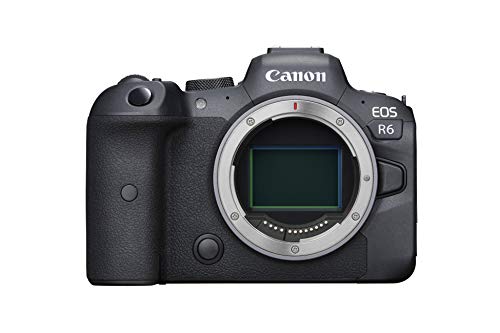
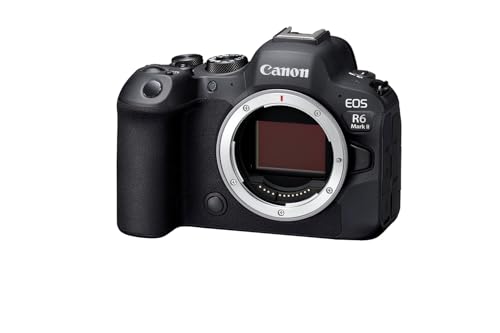
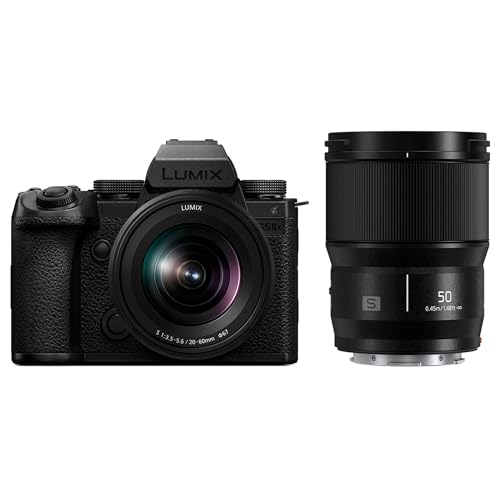
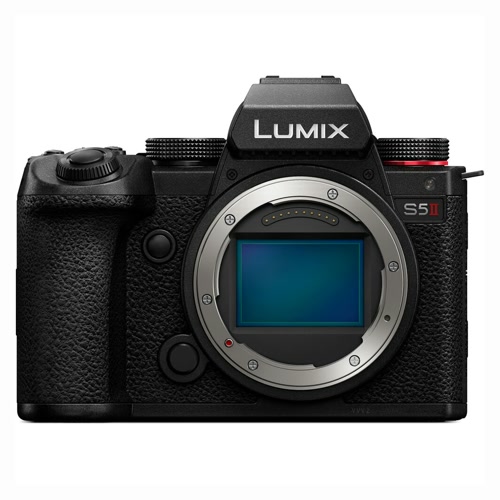
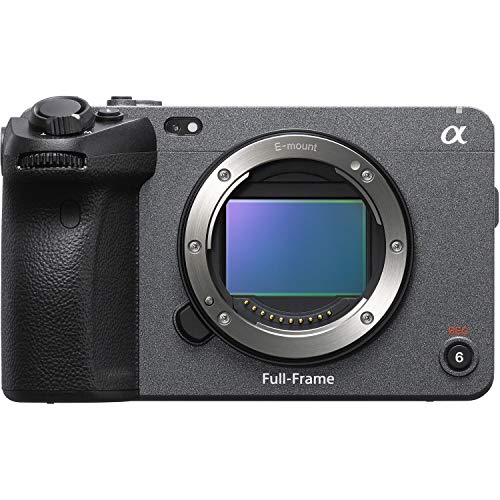
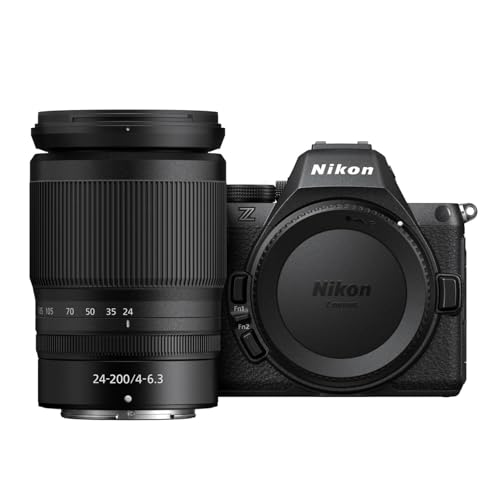
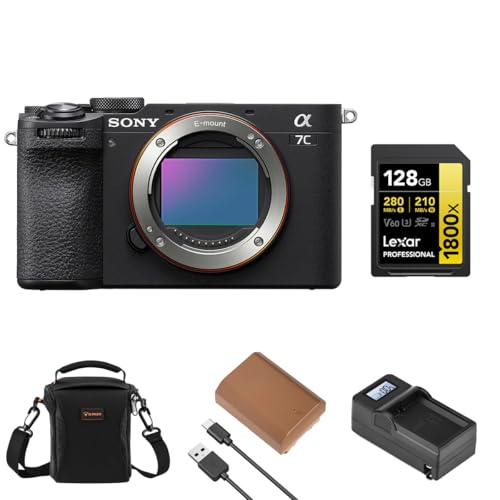
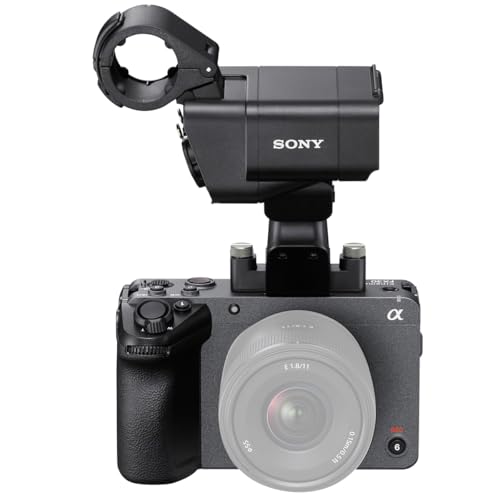
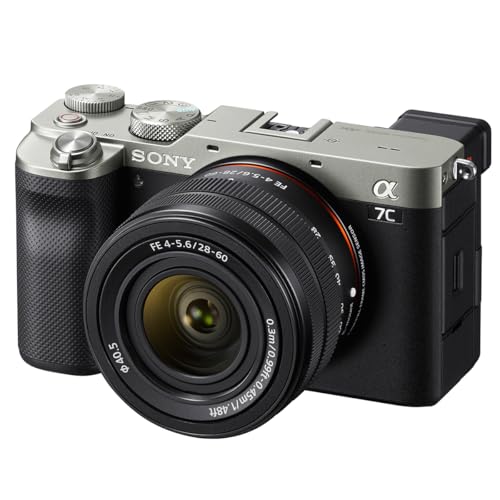
A camera is suitable for vlogging when it lets one person frame, focus, record, and monitor clear video and audio without a separate operator. A front-facing flip screen and microphone input are core requirements, while reliable eye autofocus, a sufficiently wide lens, and manageable weight keep self-recording practical.
For handheld talking footage, look for 4K at 24/25/30 fps with a modest crop, smooth exposure transitions, and face tracking that remains active during recording. A lens equivalent to roughly 16–24 mm on full frame gives a useful arm's-length view; wider framing is especially important when electronic stabilization applies an additional crop.
The complete setup matters more than the body alone. Optical or in-body stabilization helps with static handheld shots, electronic stabilization can smooth walking at the cost of field of view, and a small directional or wireless microphone usually improves intelligibility more than a jump in resolution. USB-C power, a bright screen, sensible heat limits, and controls accessible while facing the lens make longer sessions easier.
How important is autofocus on a camera for vlogging?
Autofocus is critical on a camera for vlogging because the presenter often cannot operate the focus controls while standing in front of the lens. Dependable face and eye detection should keep the eyes sharp as the subject leans, walks, or turns, and it should recover smoothly after an object briefly blocks the face.
Test continuous autofocus in the exact video resolution and frame rate you plan to use. Some cameras track well in 4K 24/30 fps but reduce coverage, subject detection, or responsiveness at 4K 50/60 fps, in low light, or with an adapted lens; a bright native lens can also improve focusing consistency indoors.
Transition behavior matters as much as speed. Fast, abrupt focus changes can look distracting in a talking video, so adjustable transition speed and subject-shift sensitivity are useful when moving between a face and an object held toward the camera. Product-priority modes can help reviewers, but they should return reliably to the presenter's eye when the object is lowered.
Manual focus remains valuable for locked-off pieces, overhead demonstrations, and predictable movement. Focus peaking and magnification make setup easier, but for handheld solo work, trustworthy eye autofocus normally contributes more usable footage than a very high burst rate or extra still-photo resolution.
Do cameras for vlogging need flip screens and microphone inputs?
Yes, a practical camera for solo vlogging should have both a front-facing flip screen and a microphone input. The screen confirms framing, exposure, focus, battery status, and recording state, while the 3.5 mm input allows a directional or wireless microphone to place the sound pickup closer to the speaker than the built-in microphones can.
A side-hinged screen is usually the most flexible because it remains visible above a grip or tripod, but an attached microphone or HDMI cable can partly obstruct it if the ports are poorly positioned. Check whether touch controls work while recording, whether the display remains bright outdoors, and whether the camera shows audio meters and clipping warnings. A headphone output is valuable for interviews and paid work, though compact entry models often omit it; in that case, use a microphone with its own monitoring or record a short test before each take.