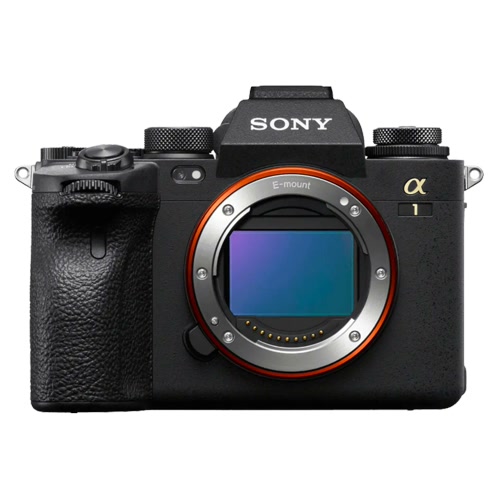
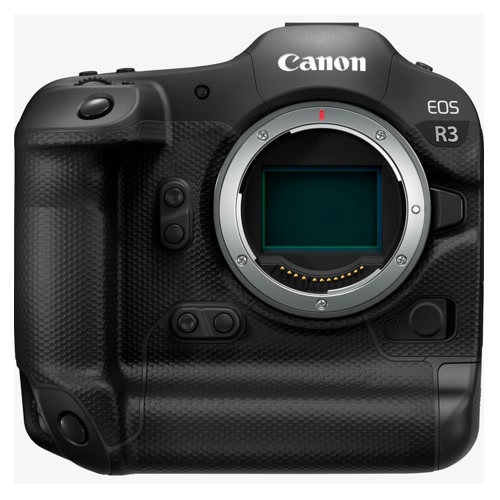
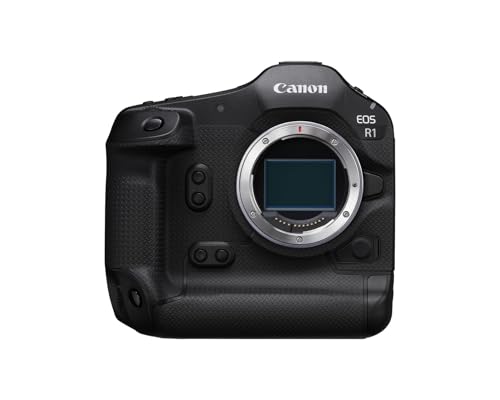
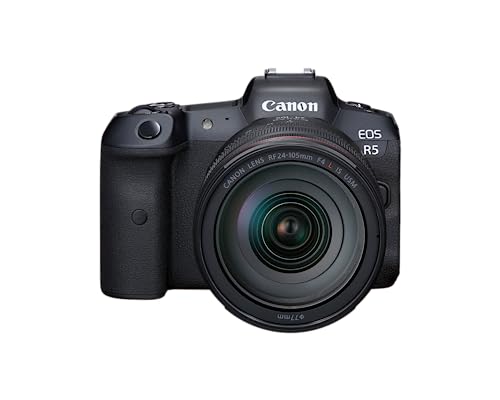
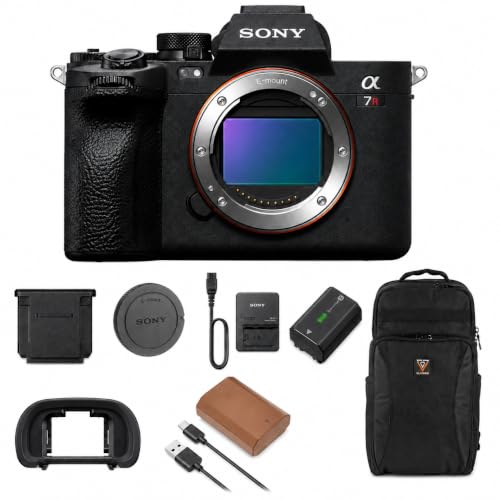
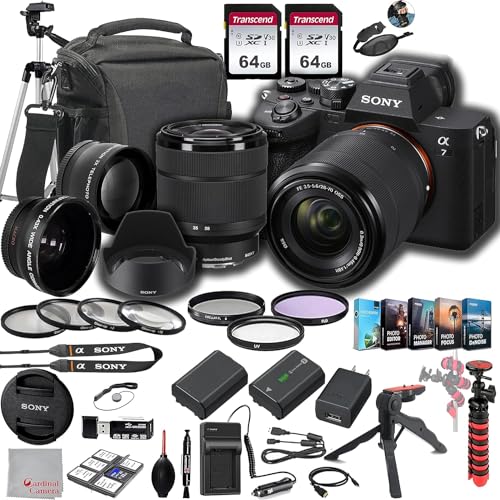
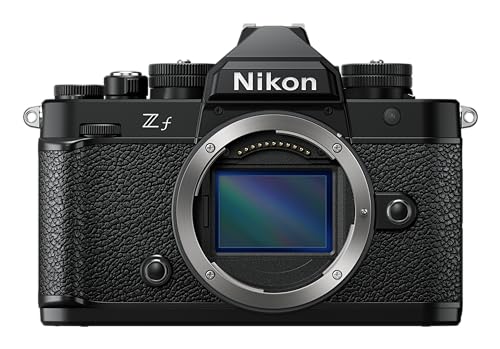
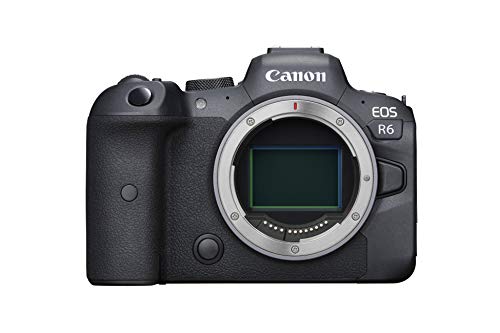
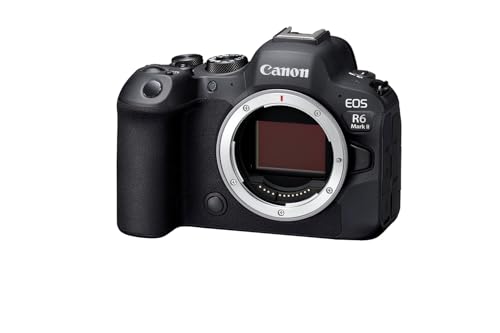
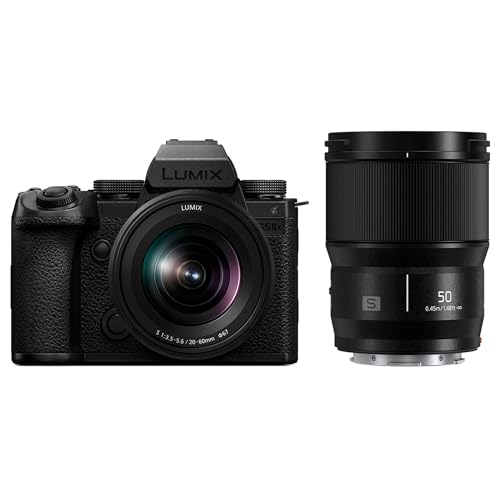
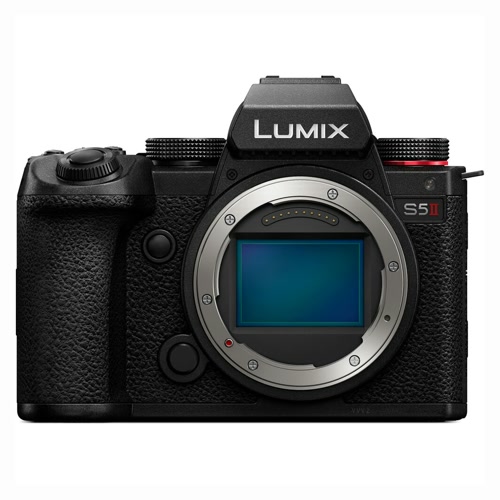
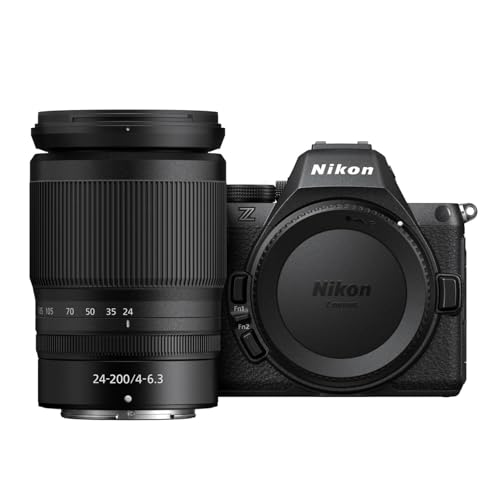
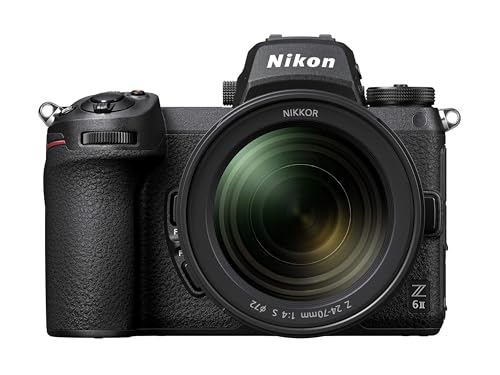
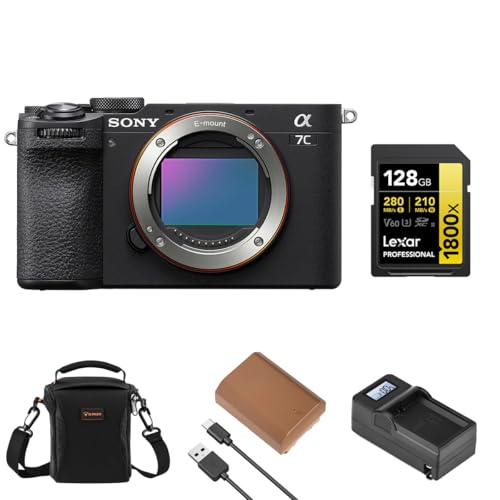
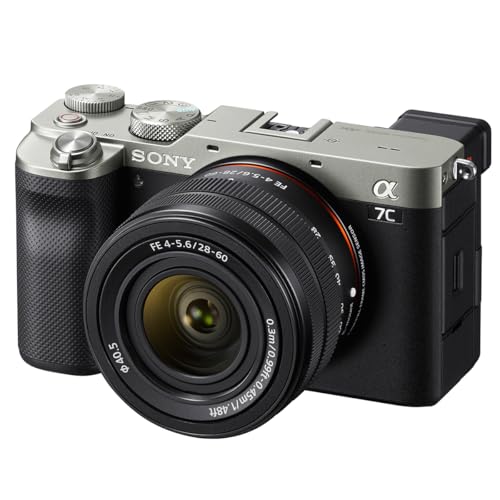
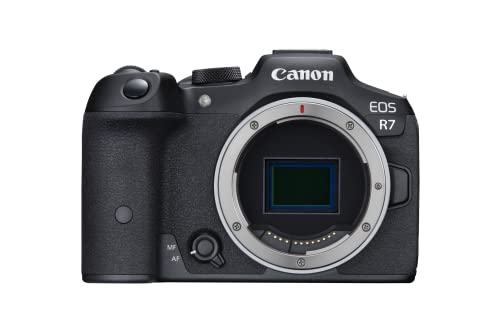
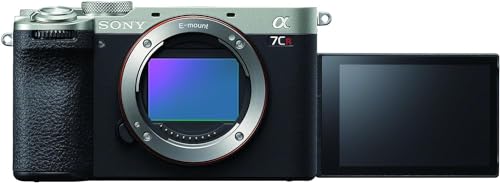
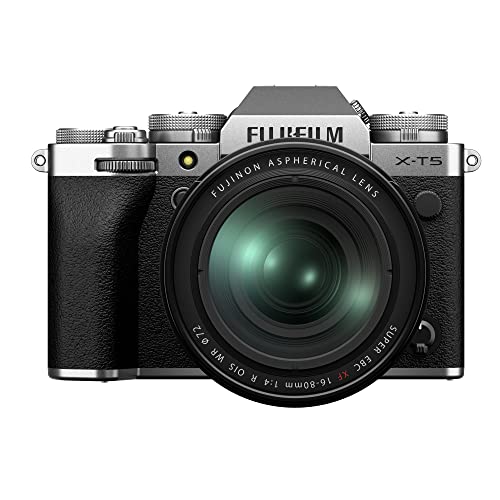
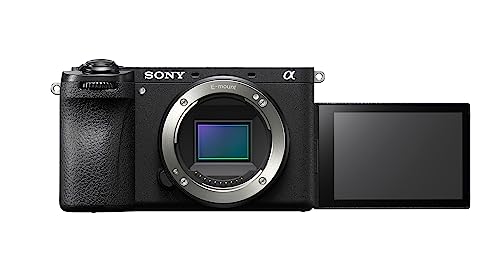
A camera is suitable for wildlife photography when it can acquire a small or moving subject quickly, track it across a wide part of the frame, and record a sustained burst without blocking the view or filling the buffer immediately. Phase-detection autofocus, animal or bird recognition, at least about 8–10 fps mechanical shooting, and responsive controls are more important than an unusually high pixel count alone.
Resolution around 20–33 MP is a practical balance for many photographers, providing cropping room without making files excessively large during long bursts. APS-C gives a narrower field of view with the same lens, which can help distant subjects, while full frame generally offers cleaner high-ISO files and more flexibility in dim woodland or at dawn; neither format replaces sufficient focal length.
The body must also work as part of a telephoto system. Look for a deep grip, a clear viewfinder, customizable AF buttons, weather-resistant construction, dual fast card slots where missed images would be costly, and battery capacity suitable for extended tracking. Fast wake-up, quiet or electronic shutter options, and in-body stabilization are useful, but rolling shutter and flicker must be checked before using silent modes on fast action.
How important is autofocus on a camera for wildlife photography?
Autofocus is essential for wildlife photography because subjects can move unpredictably, occupy only a small part of the frame, and disappear behind vegetation in a fraction of a second. A strong system combines broad phase-detection coverage with animal, bird, or insect recognition and continuous tracking that stays on the head or eye as the subject approaches, turns, or crosses a busy background.
The number of focus points is useful only when their placement, sensitivity, and processing are effective. Test the size and position of tracking zones, low-light acquisition, subject switching, and whether eye detection works at the planned burst rate; some cameras reduce live-view refresh, AF calculations, or tracking options in their fastest drive mode. Native telephoto lenses also tend to focus more consistently than adapted lenses with limited communication.
Birds in flight benefit from a wide zone or subject-tracking mode, while perched animals may be easier with a small area that prevents branches from taking priority. Adjustable tracking sensitivity helps the camera ignore brief obstructions without clinging to a lost subject for too long. Back-button focus can separate tracking from the shutter release, although the best control layout is the one the photographer can change without leaving the viewfinder.
Lens aperture affects autofocus as well as exposure. A 400 mm f/2.8 or 600 mm f/4 supplies more light to the AF system than an f/6.3 zoom at the long end, but modern bodies can still track well with compact variable-aperture zooms in good light. When using a 1.4× or 2× teleconverter, confirm the effective aperture and which AF areas remain available.
What lens options are best for wildlife photography?
A 100–400 mm or 150–600 mm stabilized zoom is the best general lens choice for wildlife photography because it combines useful reach with the flexibility to find and reframe moving subjects. On APS-C, a 100–400 mm lens gives an angle of view similar to roughly 150–600 mm on a 1.5× body or 160–640 mm on a 1.6× body, which is especially useful for birds and distant mammals.
A 70–300 mm lens is lighter and less expensive for zoos, larger animals, and subjects that can be approached safely, but it is often short for small birds. Variable-aperture 100–500 mm or 150–600 mm f/5–6.3-class zooms provide strong daylight reach at manageable cost and weight; their slower long-end aperture requires higher ISO or lower shutter speed in woodland, at dawn, or under cloud.
Prime telephotos such as 300 mm f/2.8, 400 mm f/2.8, 500 mm f/4, and 600 mm f/4 deliver faster autofocus, brighter viewing, stronger subject separation, and better compatibility with teleconverters. They are also heavy and expensive, so a monopod, tripod head, or practiced handheld technique may be necessary. Compact 400 mm f/4.5, 500 mm f/5.6, 600 mm f/6.3, and 800 mm f/6.3 designs trade aperture for easier carrying.
Check minimum focus distance, stabilization modes, weather resistance, autofocus limiter switches, collar compatibility, and balance on the intended body. A 1.4× converter increases focal length by 40% and costs one stop of light, while a 2× converter doubles focal length and costs two stops; both can slow focusing and reduce sharpness. The best system is usually the lens that can be carried and held steadily for the entire outing.