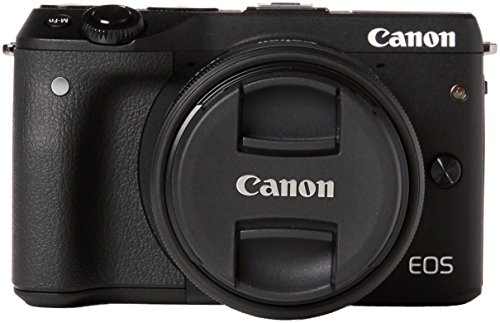
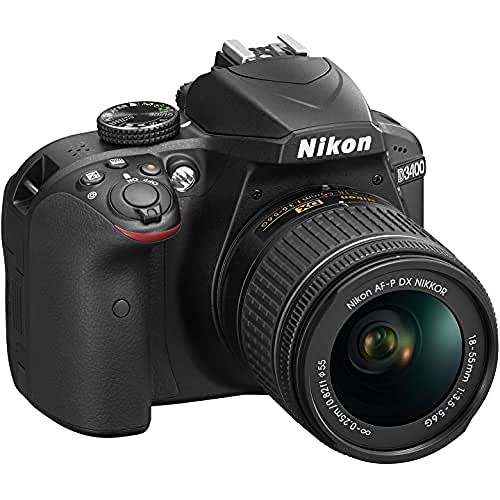
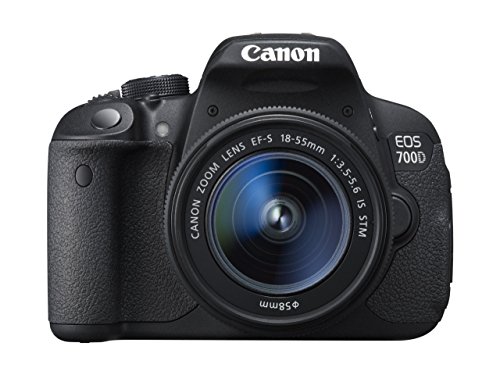
Cameras under £260 can provide attractive daylight photos, useful optical zoom, and simpler dedicated controls than a phone, but most models are designed around one strong feature rather than balanced all-round performance. Pocket compacts favor portability, bridge cameras favor reach, instant cameras favor physical prints, and discounted system cameras favor sensor size and lens choice.
New fixed-lens models commonly use small sensors and offer around 12–20 MP. They are generally dependable outdoors, while indoor motion, night scenes, and strong highlight recovery expose their limits. A larger-sensor camera can improve image quality, but the £260 cap may cover only an older body or a basic kit lens.
Expect Full HD video to be more common than strong 4K implementation, and check whether Wi-Fi, RAW, a viewfinder, or manual exposure is actually included. Optical zoom and stabilization are more valuable than inflated digital-zoom or megapixel claims.
The following chart shows how camera prices are distributed within the £260 limit.
[vertical-chart-00515572190968198180125890128126341990781867590686]
What compromises are common on cameras under £260?
The most common compromises on cameras under £260 are as follows:
- Small sensors: Many new compacts and bridge cameras use a 1/2.3-inch sensor. It keeps the lens affordable but produces more noise and less dynamic range than Four Thirds or APS-C, especially above ISO 800–1600.
- Dim zoom lenses: Long zooms often narrow to about f/5.9–6.5 at full reach. The camera then needs higher ISO or a slower shutter just when magnification makes shake more visible.
- Basic autofocus: Face detection and single-subject focus may work well for snapshots, but continuous tracking is less reliable for sport, children, or animals. A large focus-point number does not guarantee fast acquisition.
- Limited RAW and manual control: Basic models may omit RAW, exposure bracketing, manual focus aids, or direct command dials. This reduces flexibility in difficult light and slows learning.
- Modest screens and viewfinders: Fixed 2.7–3-inch screens are common, and many pocket cameras omit a viewfinder. Framing in bright sunlight or from low angles can therefore be awkward.
- Simplified video: Full HD is typical, while low-cost 4K may be cropped, limited to 24/30 fps, or paired with weak autofocus and stabilization. Microphone inputs are uncommon.
- Older connectivity: Discounted cameras may use slow Wi-Fi, outdated apps, proprietary charging, or batteries that are becoming harder to source. Confirm current phone and accessory support.