
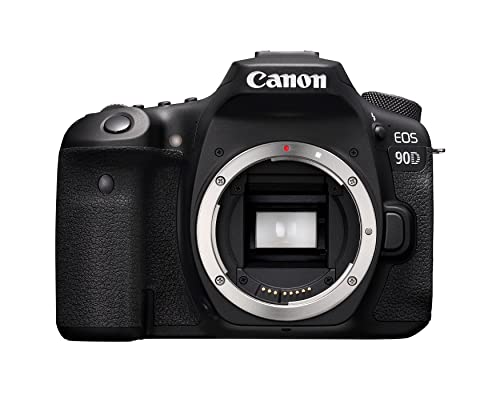
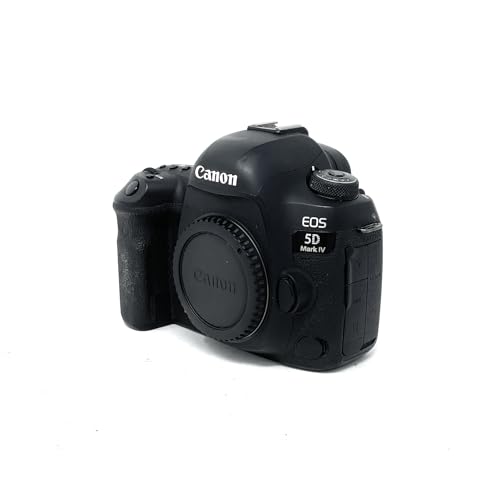
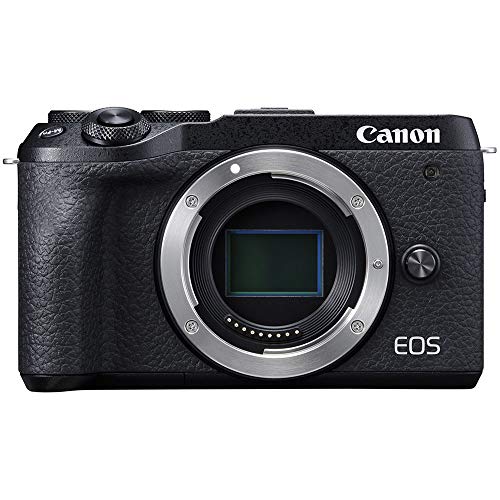
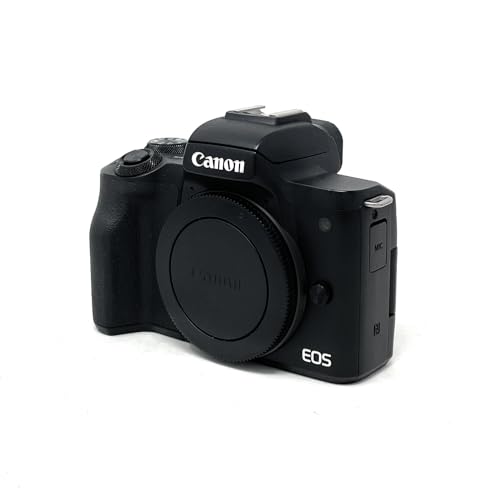
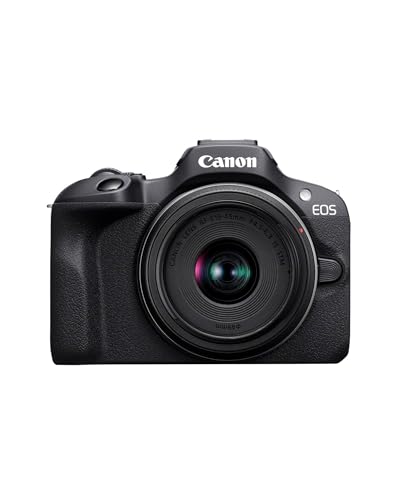
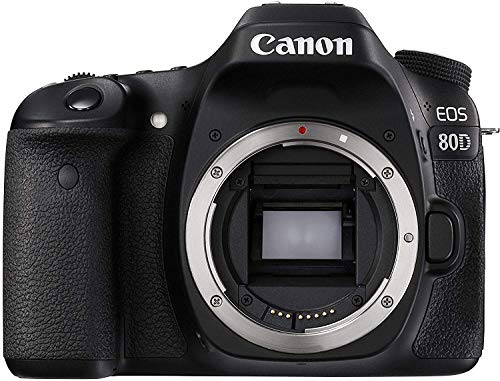
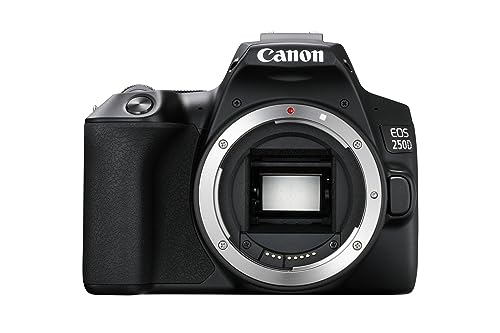


Are Canon digital cameras good?
Canon digital cameras have an average overall score of 8.2, ranking #3 among comparable camera brands, and a user rating of 9.4, placing them at #1 based on user reviews.
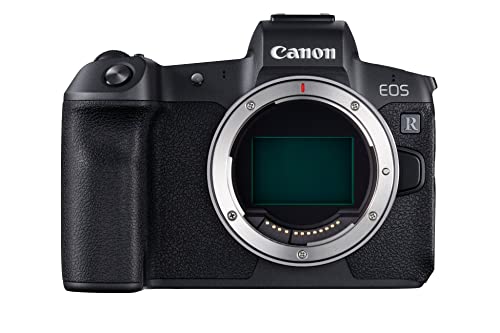
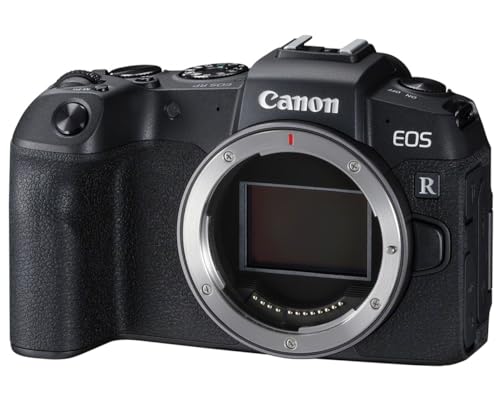
Canon digital cameras are particularly good for people, events, wildlife, sport, and hybrid photo-video work because their autofocus, handling, and lens system are consistently strong. Dual Pixel CMOS AF reads focus information across the imaging sensor, and recent EOS R bodies add eye and subject detection for people, animals, and vehicles. This makes focus transitions and tracking feel predictable in both stills and video rather than optimized for only one mode.
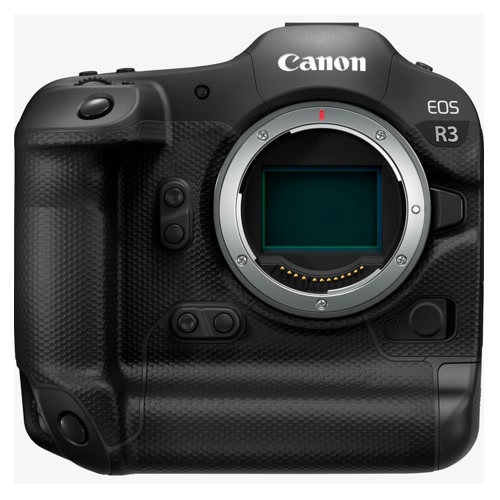
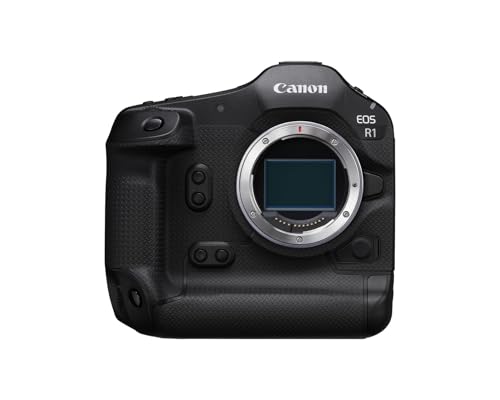
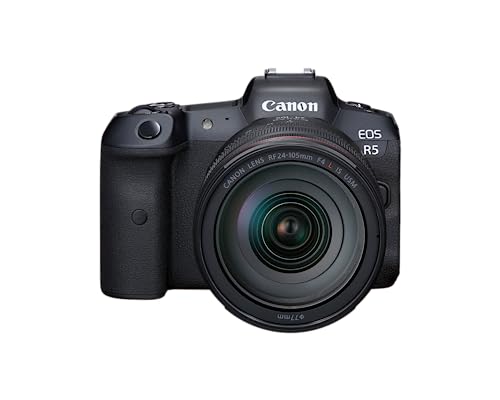
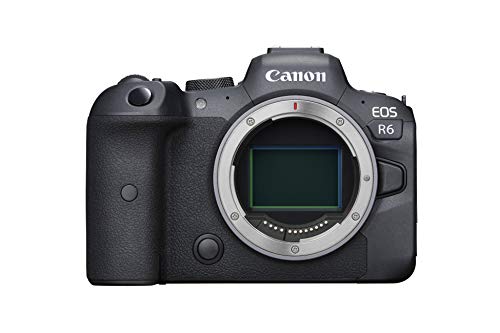
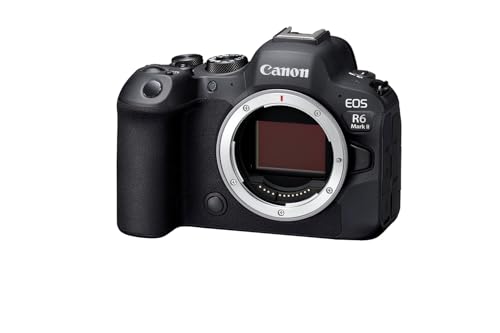
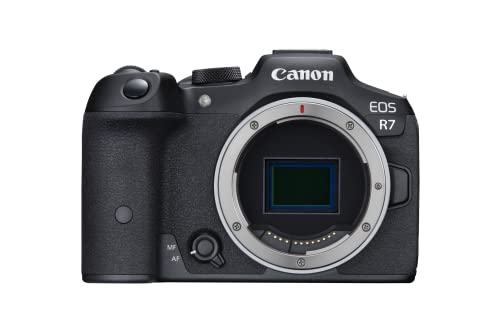
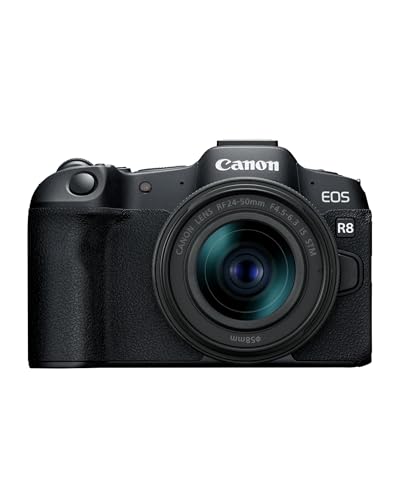
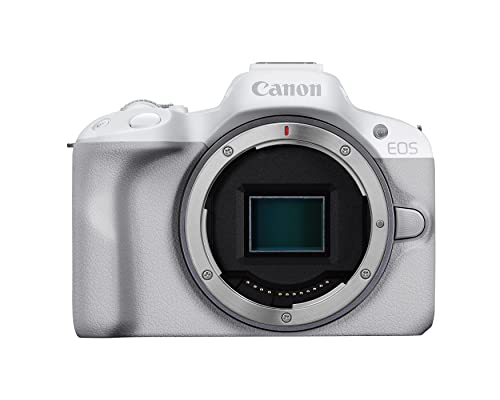
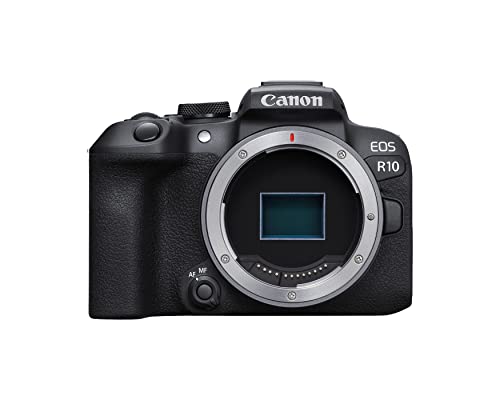
Canon also provides a clear upgrade path: R50 and R10 serve beginners, R7, R8, and R6 models cover enthusiast work, and R5, R3, or R1 bodies target demanding professional use without changing the basic control philosophy. Adapting EF or EF-S lenses can protect an existing DSLR investment. The compromises depend on the body: entry models may omit in-body stabilization, sealing, dual cards, or a large battery, while demanding 4K modes can add crops, heat limits, or shorter recording times. Buyers should also verify native RF lens choice and third-party autofocus support before pricing the system.
The chart below compares Canon with other camera brands by average overall score.
[horizontal-chart-01577259834648091757105710739110051238292053984796]What are the main advantages of Canon digital cameras?
The main advantages of Canon digital cameras are as follows:
- Dual Pixel autofocus: Canon's on-sensor phase-detection system provides smooth, decisive focusing for both photos and video, while newer EOS R bodies recognize eyes and subjects such as animals or vehicles. Tracking sophistication and available subject modes still vary by body, but the system is especially dependable for portraits, events, vlogging, and moving subjects.
- Clear handling and menus: Canon grips, dials, touch interfaces, and menu organization are generally approachable for first-time interchangeable-lens users. Higher-tier EOS bodies add direct controls, AF joysticks, top displays, and extensive customization without forcing beginners to abandon familiar menu logic when they upgrade.
- RF and adapted EF lens choice: RF and RF-S lenses range from small consumer zooms and compact primes to bright L-series zooms, super-telephotos, and cinema-oriented optics. An EF-EOS R adapter lets most EF and EF-S lenses work on EOS R bodies with electronic aperture control, autofocus, and lens stabilization, making the used DSLR-lens market a genuine system advantage.
- Strong hybrid features: Many EOS R bodies provide oversampled 4K, a fully articulating touchscreen, microphone input, and effective video autofocus. More advanced models add 4K at higher frame rates, Canon Log, internal 10-bit recording, or 8K-class capture, although the exact crop, heat behavior, and codec options must be checked model by model.
- Broad body range: Canon offers compact APS-C models, affordable full-frame bodies, high-resolution hybrids, speed-focused professional cameras, and fixed-lens PowerShots. That breadth makes it possible to prioritize portability, telephoto reach, low-light quality, burst speed, or video without leaving the brand.
What are the main disadvantages of Canon digital cameras?
The main disadvantages of Canon digital cameras are as follows:
- Uneven stabilization: In-body image stabilization is available on models such as the R7, R6 family, and R5 family, but it is absent from several cheaper bodies including the R50, R10, R8, and R100. With those cameras, handheld stabilization depends on an IS lens or electronic video stabilization, which can crop the frame.
- Native RF lens gaps and prices: Canon's RF range is strong at the premium end and increasingly practical at the consumer end, but some APS-C, specialist prime, and third-party autofocus choices remain thinner than in longer-established mirrorless systems. Adapted EF lenses solve many gaps, although they make a compact body larger and may not deliver the same balance as a native RF design.
- Features vary sharply by tier: A low-cost EOS R body may have one card slot, modest weather protection, a smaller battery, a cropped or limited high-frame-rate video mode, and fewer physical controls. Buyers should not assume that the autofocus, stabilization, connection ports, buffer, or video endurance of an R5- or R6-class model applies to an R50 or R100.
- Electronic-shutter trade-offs: Fast silent bursts look attractive on a specification sheet, but conventional sensors can show rolling-shutter distortion under rapid movement or flickering artificial light. Mechanical or first-curtain rates, buffer depth, and readout behavior matter more than the maximum headline burst number for sport and events.
- Older systems have limited future growth: Canon EF DSLRs and EOS M cameras still produce excellent images and have abundant used lenses, but Canon's development focus is now RF. They can be sensible bargains, yet buyers should treat them as mature systems rather than assume a long stream of new bodies and lenses.