
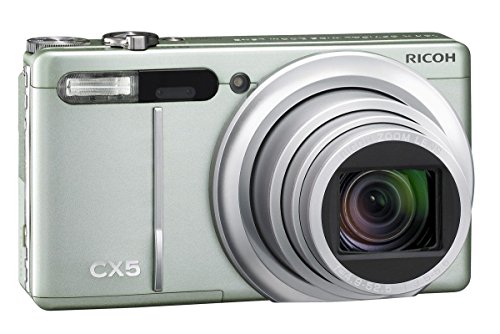


Are Ricoh cameras good?
Ricoh cameras have an average overall score of 4.9, ranking #12 among comparable camera brands, and a user rating of 8.8, placing them at #7 based on user reviews.
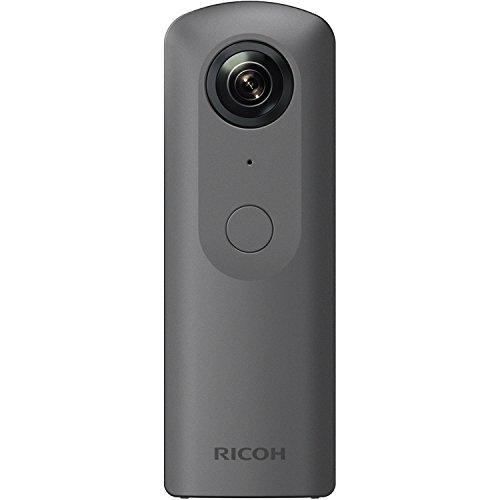
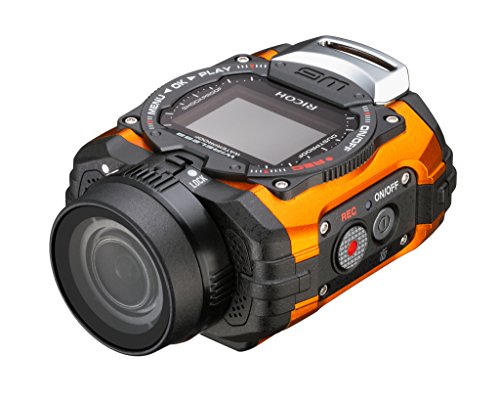
Ricoh cameras are very good when their specialized design matches the job, especially the GR series for discreet still photography, WG/G models for rugged documentation, and Theta for 360-degree capture.
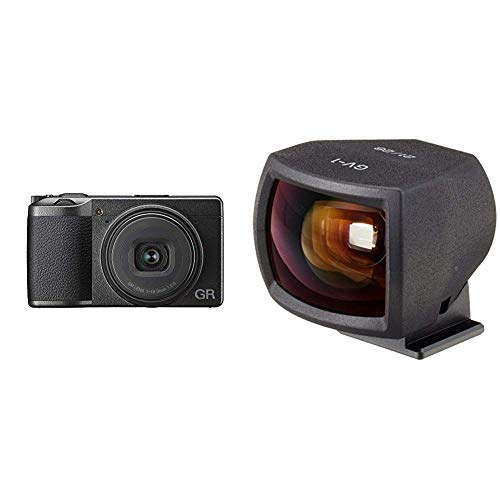
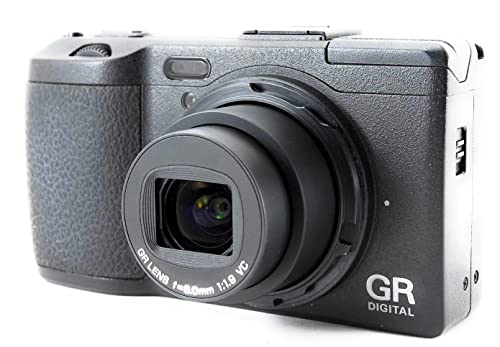
The GR is Ricoh’s standout conventional camera. Its APS-C sensor and fixed 18.3 mm lens deliver a 28 mm-equivalent view, while GR IIIx uses 40 mm equivalent. DNG RAW, in-body stabilization, extensive customization, and an internal ND filter on standard GR III variants support deliberate stills work. The limits are weaker continuous autofocus and tracking than current Fujifilm, Sony, or Canon bodies, no built-in viewfinder, no zoom, and modest video. WG and Theta solve rugged or 360-degree jobs, while Ricoh-owned Pentax remains a separate interchangeable-lens brand.
The chart below compares Ricoh with other camera brands by average overall score.
[horizontal-chart-01577259834648091757105710739110051238292053984796]What are the main advantages of Ricoh cameras?
The main advantages of Ricoh cameras are as follows:
- Pocketable APS-C image quality: The GR family combines a roughly 24–26 MP APS-C sensor with a body around 260 g, far smaller than most interchangeable-lens kits with comparable sensor area. This delivers useful RAW latitude, low-light quality, and background separation without giving up genuine coat-pocket portability.
- Sharp fixed-lens choices: The standard GR uses a 28 mm-equivalent f/2.8 lens suited to street, travel, and environmental subjects, while the GR IIIx branch offers a 40 mm-equivalent view for more natural perspective and tighter framing. Because each lens is designed specifically for its sensor, image quality is strong despite the retractable compact construction.
- Snap Focus operation: Snap Focus can hold a chosen focus distance, and Full Press Snap can take the photograph without waiting for normal autofocus. Combined with depth-of-field knowledge, this is exceptionally effective for fast, discreet street photography where the subject enters a predictable zone.
- Stabilization and exposure tools: Modern GR generations include sensor-shift Shake Reduction for still photography, helping with static scenes at slower shutter speeds. Standard models also provide an internal ND filter, while HDF variants substitute a highlight-diffusion filter for a softer glow, so buyers can choose the optical effect that better fits their style.
- Direct controls and customization: Ricoh provides twin control dials, user modes, customizable buttons, RAW development, crop modes, and restrained menus in a very small body. The understated appearance and quiet operation attract less attention than a large camera with a protruding zoom lens.
What are the main disadvantages of Ricoh cameras?
The main disadvantages of Ricoh cameras are as follows:
- Fixed focal length and no built-in viewfinder: A GR commits the photographer to either a 28 mm- or 40 mm-equivalent lens, with no optical zoom and no interchangeable-lens path. Composition relies on the rear screen unless an optional external finder is added, and digital crop modes reduce the remaining pixel count.
- Autofocus is not class-leading: Single AF is adequate for everyday stills, but continuous tracking and recognition of erratically moving subjects are less dependable than on current interchangeable-lens cameras. Snap Focus is an excellent workaround for zone-focused street shooting, but it does not replace subject-tracking AF for sport, wildlife, or active children.
- Video is basic: GR cameras are designed primarily for still photography and lack the advanced 4K/6K recording, 10-bit codecs, log profiles, microphone connections, and thermal design found in modern hybrid bodies. Theta specializes in 360-degree video, but that footage requires a completely different capture and stitching workflow.
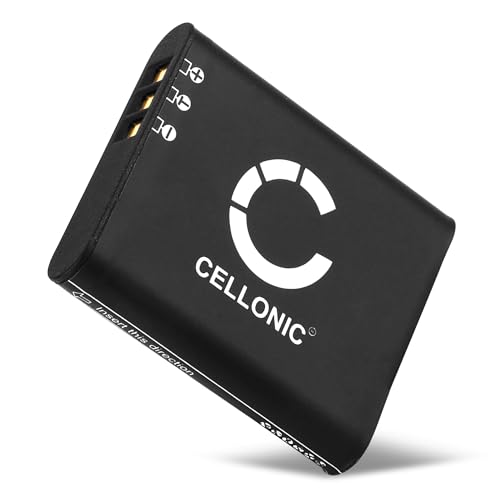
- Limited environmental protection and endurance: The GR body is not a fully weather-sealed rugged camera, and its small battery is commonly rated for only a few hundred photographs depending on generation and use. Ricoh's WG or G-series is more appropriate for rain, underwater work, dust-heavy sites, and industrial documentation.
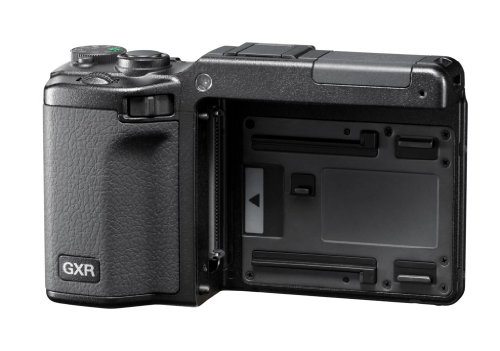
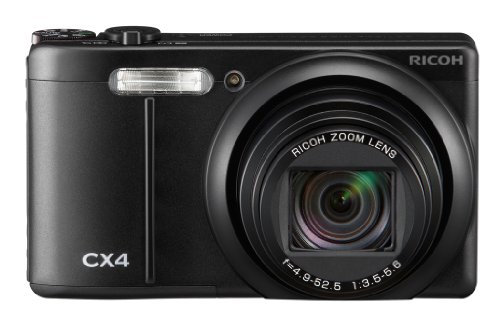
- Ricoh lines do not form one shared system: GR, WG, G-series, Theta, and older GXR/CX products use different batteries, accessories, software, and imaging concepts. Buying one Ricoh family does not provide a common lens mount or a straightforward upgrade path into another.