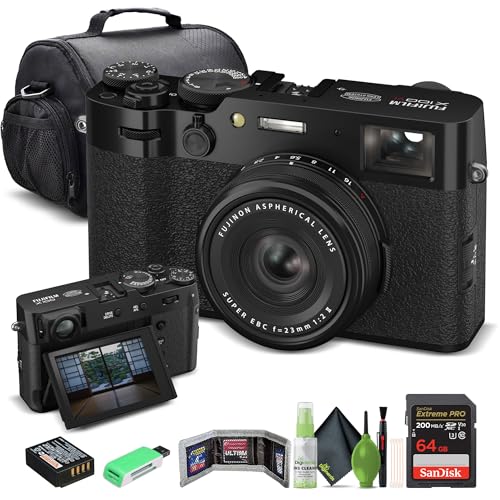
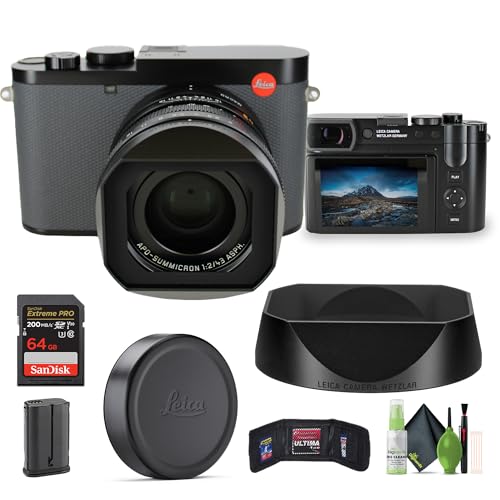
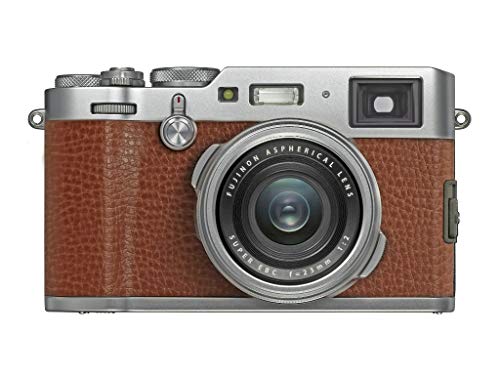
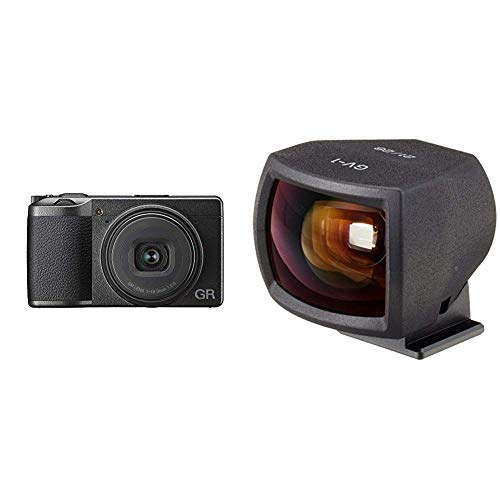
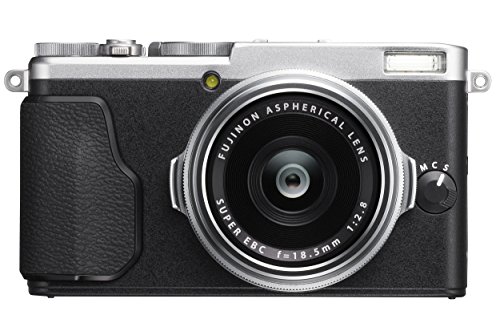
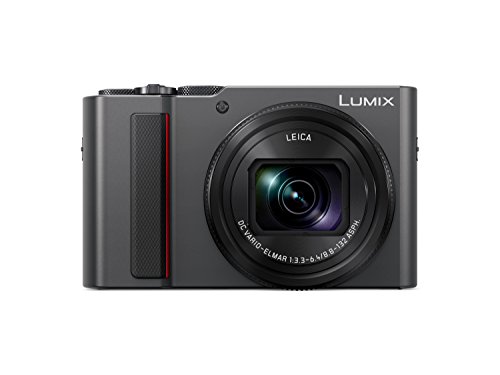
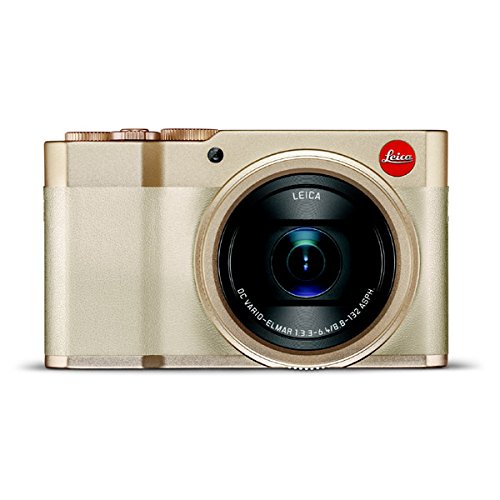
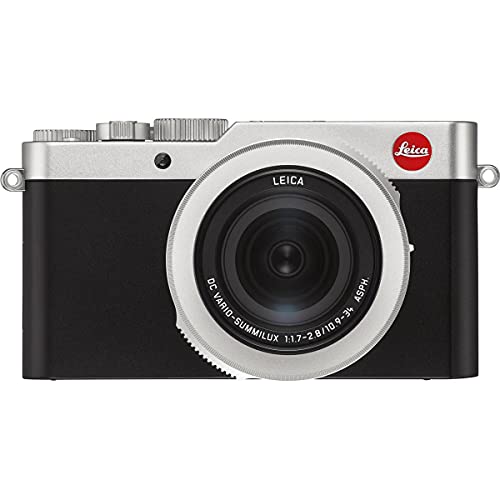
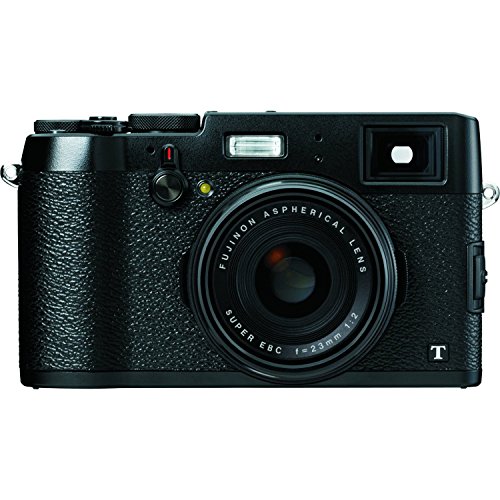
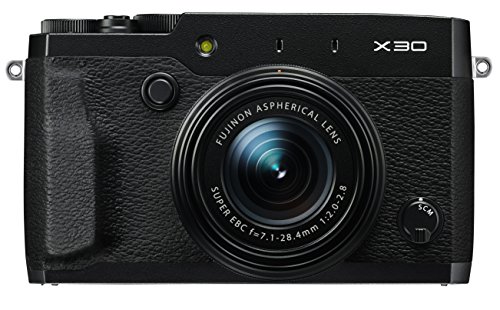
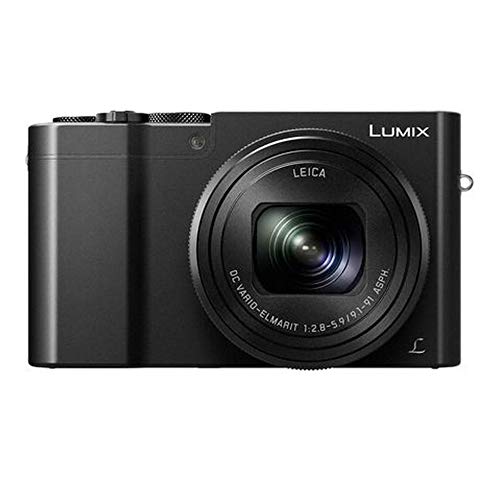
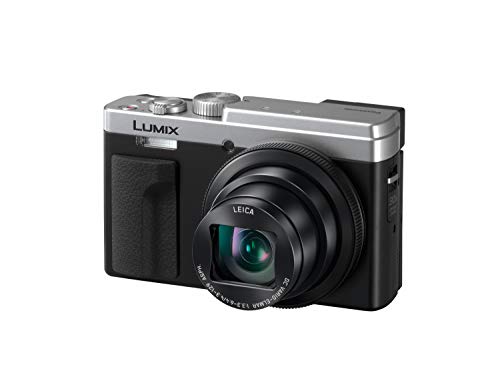
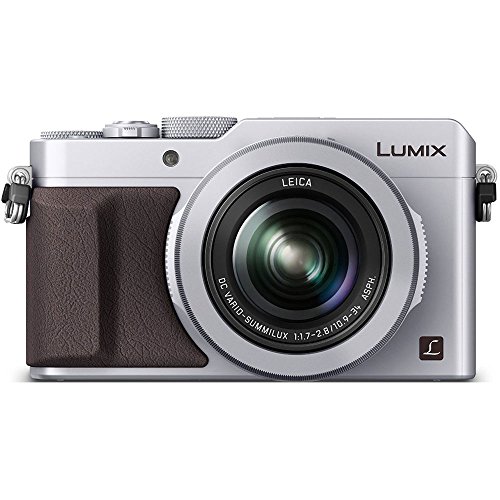
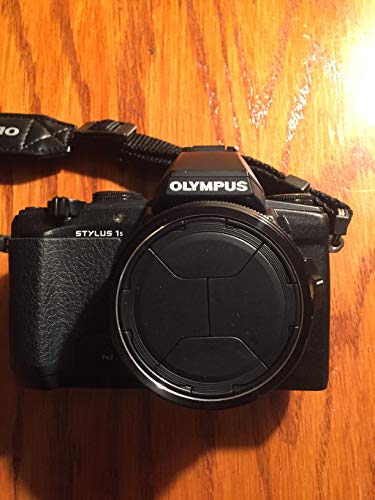
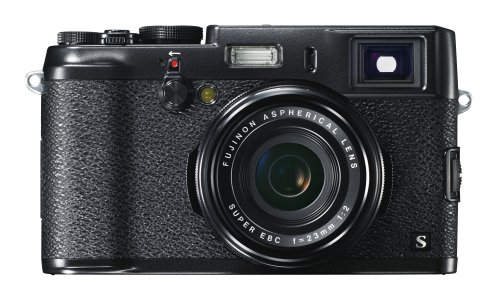
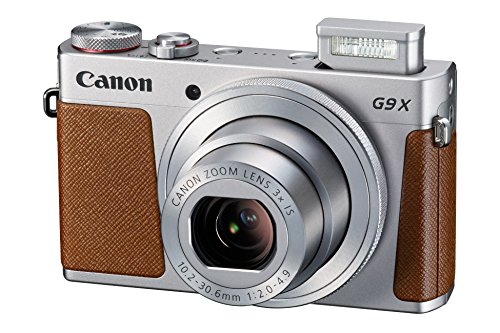
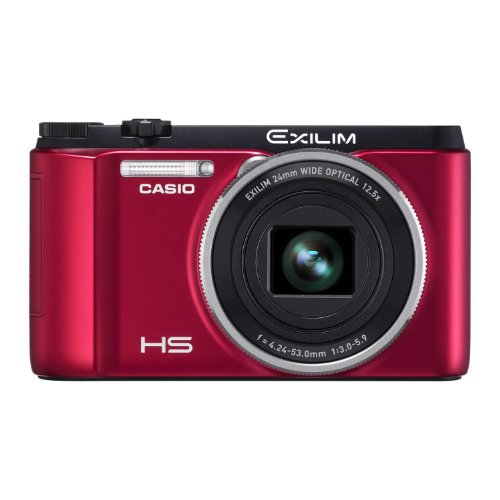
A point-and-shoot camera is a fixed-lens camera designed to produce a usable photo with minimal setup: switch it on, frame the subject, press the shutter, and let the automatic systems handle most exposure and focus decisions. The term usually refers to compact digital cameras, although rugged, travel-zoom, and premium large-sensor models can use the same basic operating idea.
Unlike an interchangeable-lens camera, the lens is permanently matched to the body. This removes lens selection and sensor-exposure concerns, but it also means that focal range, maximum aperture, close-focus ability, and optical quality must be suitable from the beginning because they cannot be upgraded later.
How do point and shoot cameras differ from smartphone cameras?
Point-and-shoot cameras differ from smartphone cameras mainly through true optical zoom, dedicated controls, flash performance, and the option of a larger sensor or brighter matched lens. A phone normally changes focal length by switching between small camera modules or cropping the image, whereas a compact zoom lens can cover the intermediate focal lengths continuously without relying on digital enlargement.
Phones remain better for immediate sharing, computational HDR, automatic panorama stitching, and always-connected convenience. Their multi-frame processing can also produce an attractive result in difficult light without any editing.
A dedicated camera becomes more useful when the shot needs sustained optical reach, a physical shutter button, a stronger xenon-style flash, RAW files, stable handling, or removable storage. Premium 1-inch and APS-C point-and-shoot models can also preserve more natural fine detail and tolerate heavier editing, while inexpensive small-sensor cameras may not outperform a modern phone unless their zoom or rugged construction is specifically needed.