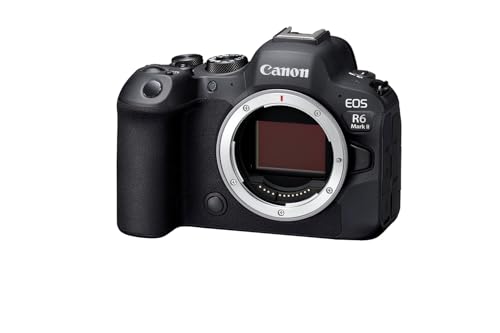
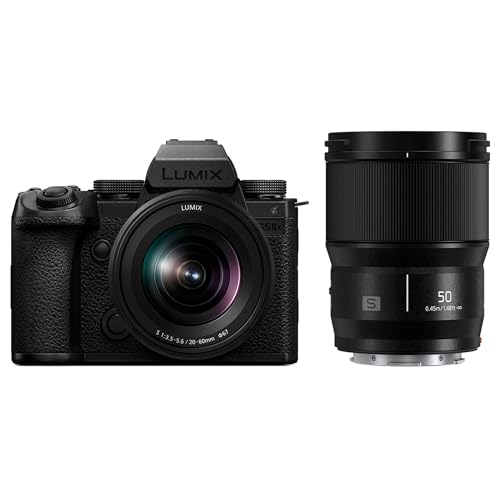
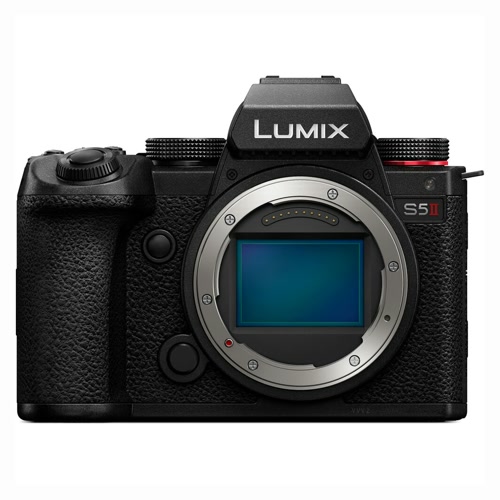
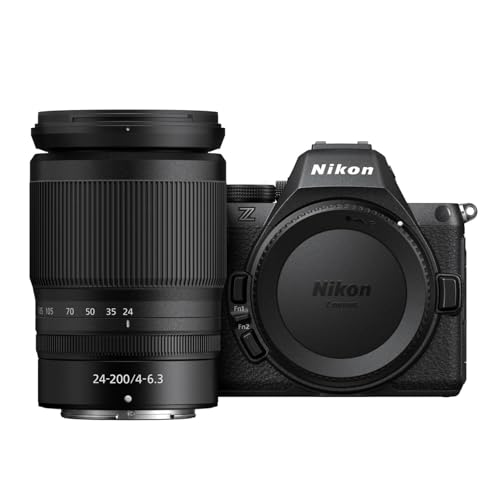
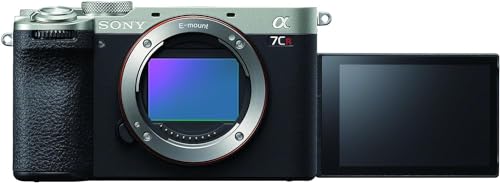
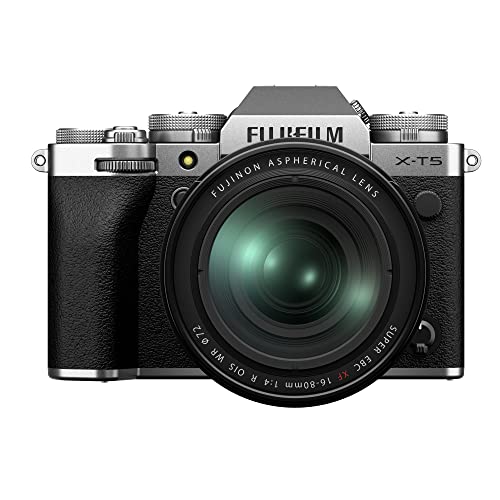
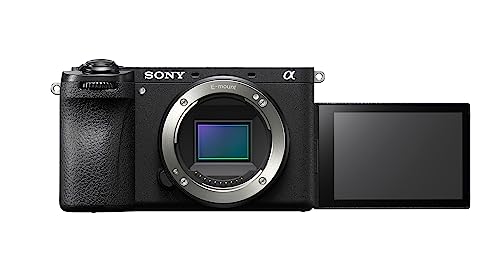
A camera is suitable for sports photography when it can acquire a moving subject quickly, keep tracking it across the frame, and record a useful sequence without the viewfinder or buffer interrupting the photographer. A mechanical burst around 8–10 fps is a practical starting point, but sustained speed, autofocus updates between frames, and a clear live view matter more than a brief maximum figure.
The body should also provide direct access to shutter speed, autofocus area, drive mode, and exposure compensation. Fast UHS-II SD or CFexpress support shortens buffer-clearing time, while dual card slots can provide backup or separate RAW and JPEG files during paid work. For indoor venues, anti-flicker detection and electronic-shutter banding control can be decisive under LED or discharge lighting.
Finally, judge the complete camera-and-lens system. A deep grip can balance a 70–200 mm f/2.8 or 100–400 mm lens better than a smaller body, and weather sealing is useful beside wet pitches or dusty tracks. Battery endurance, viewfinder refresh, and controls that remain usable with gloves often affect the keeper rate more than a modest difference in resolution.
How important is autofocus on a camera for sports photography?
Autofocus is critical for sports photography because the camera must follow subjects that accelerate, change direction, cross other players, or disappear briefly behind obstacles. Wide phase-detection coverage and dependable continuous AF matter more than a very large focus-point count by itself.
Look for subject recognition that supports people, faces, eyes, helmets, vehicles, or the relevant sport, but test how it behaves when several subjects overlap. A useful system lets the photographer adjust tracking sensitivity, subject-switching delay, autofocus-area size, and priority between focus and shutter release. Zone or expanded-area modes can be more predictable than fully automatic selection when the intended player is known.
The lens is part of the focusing system. Modern linear or ring-type motors generally track faster and more quietly than older screw-driven or basic stepping designs, particularly with heavy telephoto elements. Maximum aperture also affects the light reaching the AF system; an f/2.8 lens can focus more confidently in a dim arena than an f/6.3 zoom at the same shutter speed.
Autofocus should remain active at the chosen burst rate and with the intended shutter type. Some cameras reduce AF calculations, lock exposure, or show a slideshow-like view at their fastest setting, so a slightly slower mode with continuous feedback can produce more sharply focused frames.
How important is burst shooting on cameras for sports photography?
Burst shooting is highly important for sports because peak action often lasts only a fraction of a second. Around 8–10 fps is sufficient for many field and court sports, while 12–15 fps provides closer spacing between frames for bat-and-ball contact, tackles, jumps, racing, and rapidly changing expressions.
The buffer determines whether that speed survives a complete sequence. Check the number of RAW frames available before slowdown, the time required to clear the buffer, and whether menus or playback remain accessible while files are written. Ten frames per second for 100 RAW images is usually more useful than 20 fps for one short second followed by a long pause.
Electronic shutters can offer 20–40 fps or more, but rolling-shutter distortion may bend bats, racquets, wheels, or goal posts. Artificial lighting can also produce horizontal bands unless the camera offers high-frequency anti-flicker control or a sufficiently fast sensor readout. Use the fastest mode that preserves autofocus, viewfinder continuity, and clean geometry rather than selecting speed alone.
The chart below compares mechanical continuous-shooting speeds on cameras for sports photography.
[vertical-chart-00185949959084287913153618503081654790500613250415]