


Are Sony cameras good for vlogging?
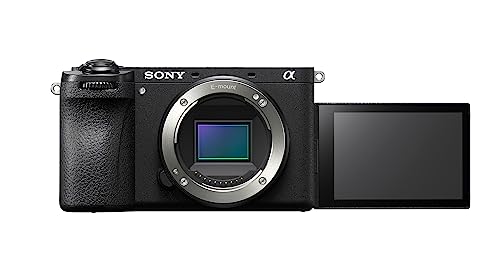
Sony cameras are very good for vlogging because face and eye tracking, side-opening screens, and compact bodies support solo recording. Fixed-lens ZV-1 models offer directional microphones and creator controls; ZV-E10 bodies add APS-C E-mount lenses; and ZV-E1 moves to full frame. The a6700, FX30, Alpha 7C II, Alpha 7S III, and FX3 trade simplicity for stronger stabilization, cooling, controls, or professional connections. Continuous autofocus can keep a moving presenter sharp and shift to an object held near the lens.
Good autofocus does not solve every vlogging problem. Check whether the lens is wide enough after 4K and electronic-stabilization crops, whether the body has optical or in-body stabilization, how long it records before heat becomes limiting, and whether microphone/headphone ports remain accessible with the screen facing forward. Some high-end Sony bodies in this flip-screen guide are excellent video cameras but are unnecessarily expensive or heavy for ordinary walk-and-talk vlogging.
Which Sony cameras are best for vlogging?
The strongest Sony camera options for vlogging are as follows:
- ZV-1F: This is the simplest fixed-lens option, using an approximately 20 mm-equivalent ultra-wide lens that comfortably frames one person at arm's length. It is compact and straightforward, but the fixed focal length, contrast-detection autofocus, and limited optical flexibility make it better for simple talking-head or travel clips than fast action.
- ZV-1 and ZV-1 II: The original ZV-1 pairs a 1-inch-type sensor with a bright 24–70 mm-equivalent zoom, while the ZV-1 II widens the range to roughly 18–50 mm equivalent for easier handheld framing. Both provide creator controls and built-in lenses, but the first model is brighter at the long end and the second is more practical for wide walk-and-talk footage.
- ZV-E10 and ZV-E10 II: These APS-C E-mount cameras allow lens changes and provide more background separation and upgrade flexibility than the fixed-lens ZV-1 family. The newer generation improves video formats, battery endurance, menus, and autofocus behavior, but neither body should be assumed to provide in-body stabilization; the chosen lens and electronic crop strongly affect handheld results.
- ZV-E1: The ZV-E1 places a full-frame sensor and advanced subject-framing tools in a very small creator-oriented body. It excels in low light and can produce strong stabilized full-frame video, but its compact construction, single-card design, heat management, and high price make it less suitable for long unattended recording or demanding professional redundancy.
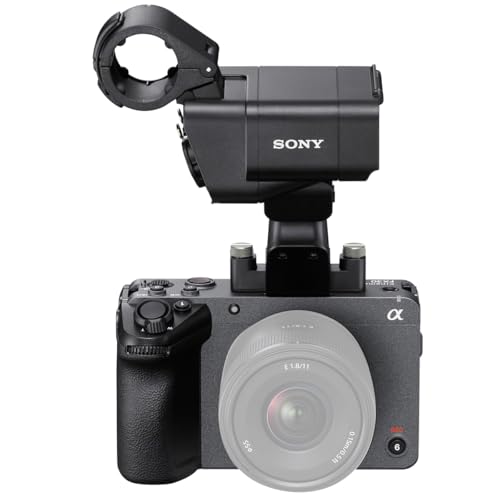
- a6700 and FX30: Both use APS-C sensors and E-mount lenses; the a6700 is the stronger stills/video hybrid with a viewfinder, while the FX30 adds Cinema Line controls, active cooling, mounting points, and production-oriented handling. They suit creators who need 10-bit workflows, interchangeable lenses, and more room to grow than a ZV body, although the complete rig is larger and more expensive.
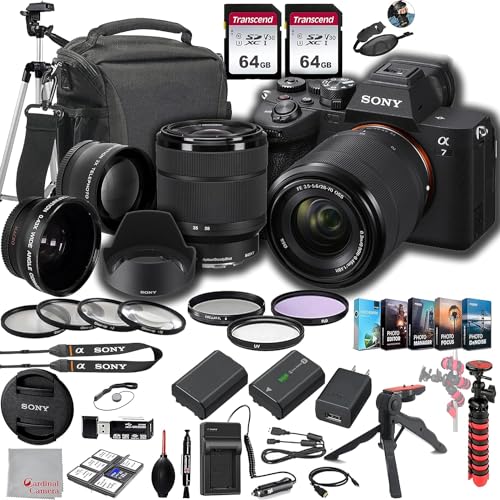
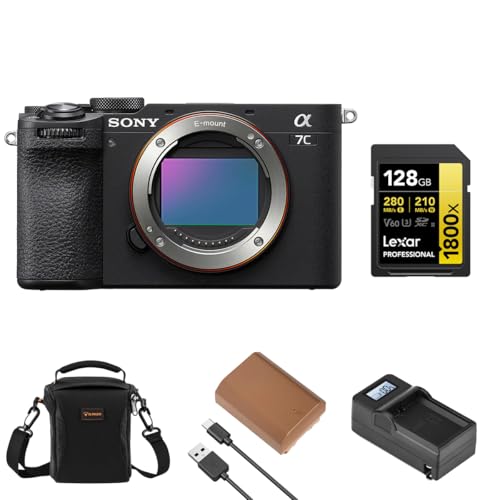
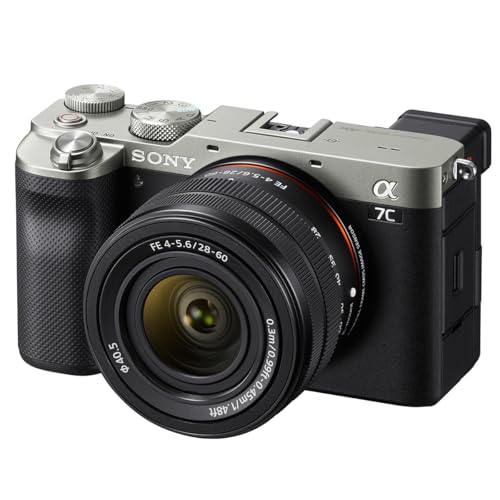
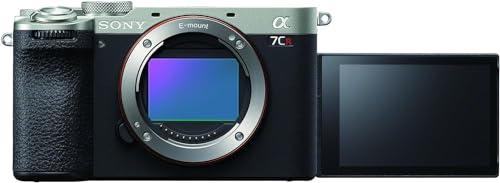
- Alpha 7C II and Alpha 7 IV: These full-frame hybrids combine good still photography with strong autofocus and fully articulated screens, making them useful for creators who also shoot portraits, events, or travel photography. They provide more conventional camera controls than ZV models, but suitable wide full-frame lenses and stabilized walk-and-talk setups can become heavier and costlier.
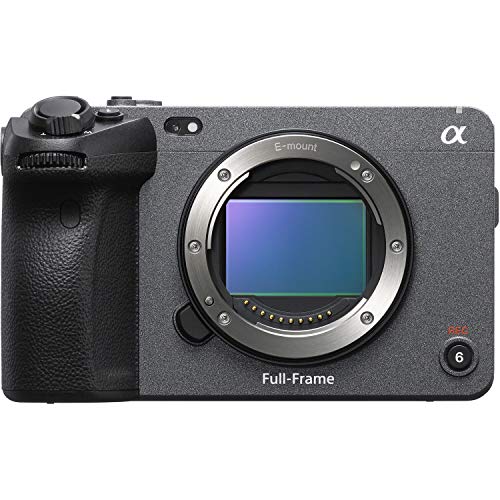
- Alpha 7S III and FX3: These are high-end full-frame video choices with fast readout, strong low-light performance, high-frame-rate 4K, 10-bit codecs, and professional audio or rigging options. The Alpha 7S III retains an electronic viewfinder for hybrid use, while the fan-cooled FX3 is designed around video production; both are excessive for basic social-media vlogging unless their recording reliability and workflow features are genuinely needed.