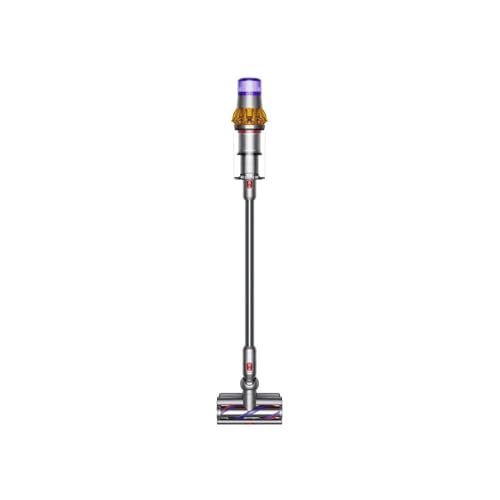
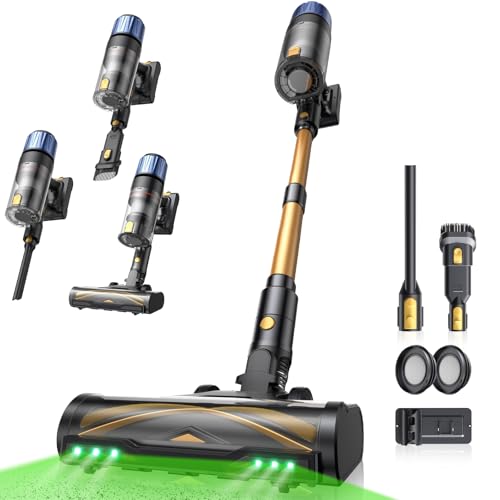
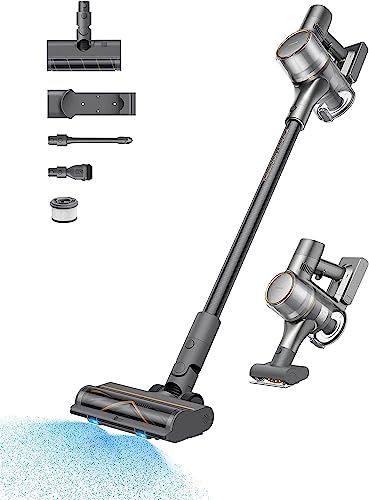
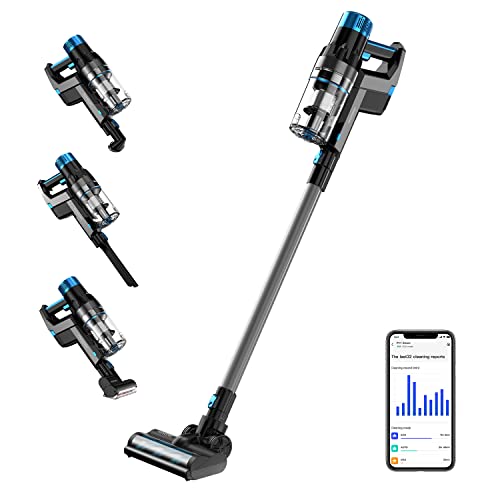
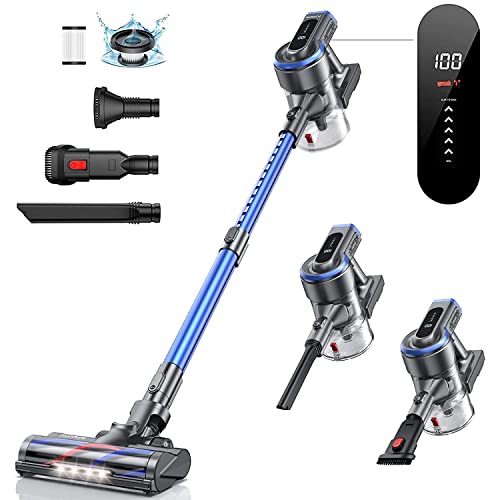
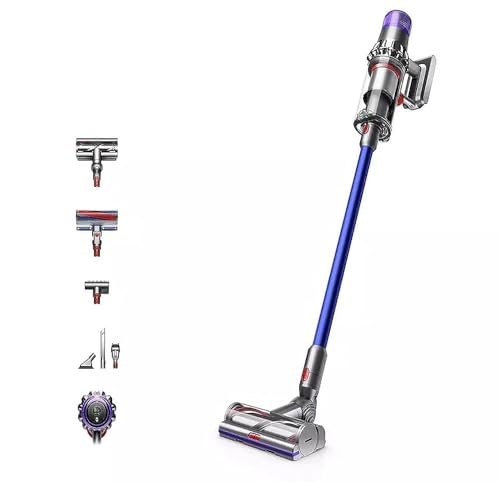
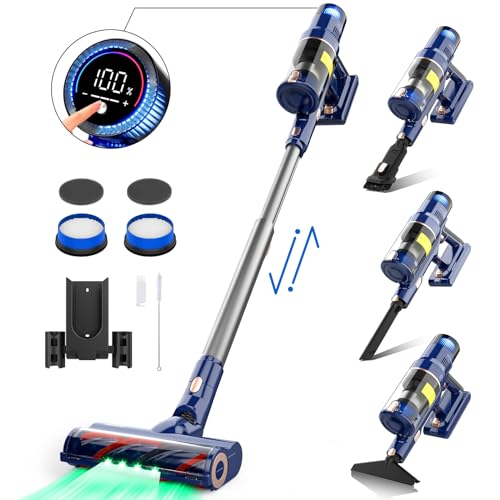
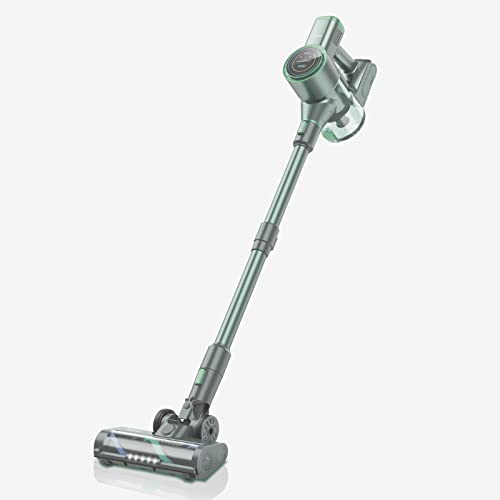
Which brands make the best cyclonic vacuums in 2026?
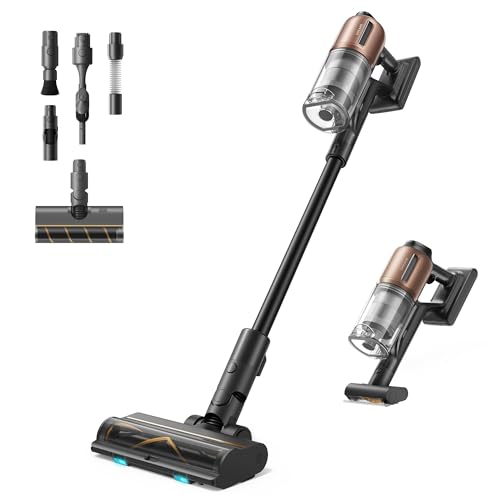
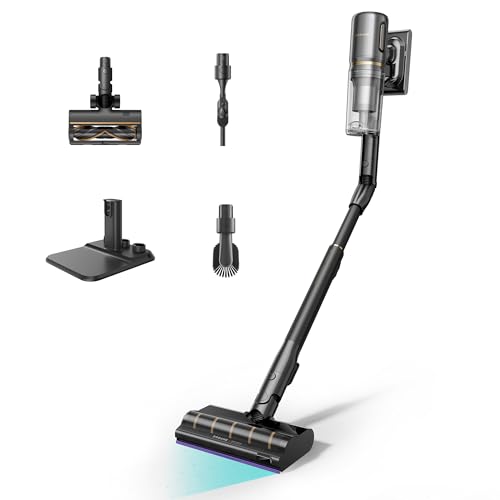
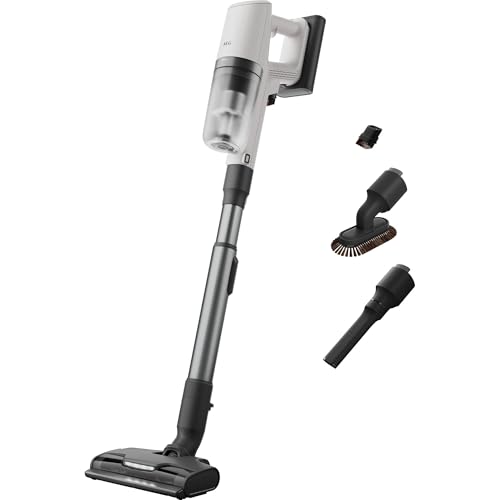
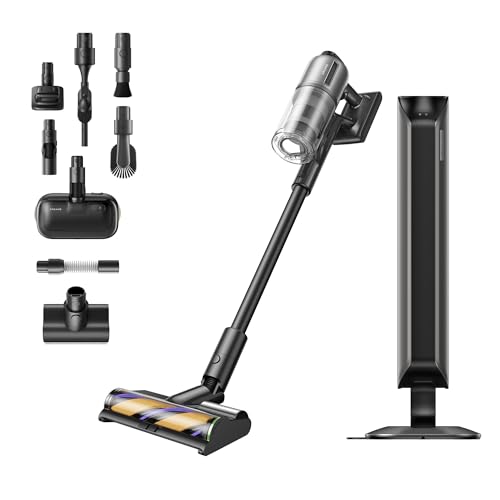
The best cyclonic-vacuum brands in 2026 are ranked below:
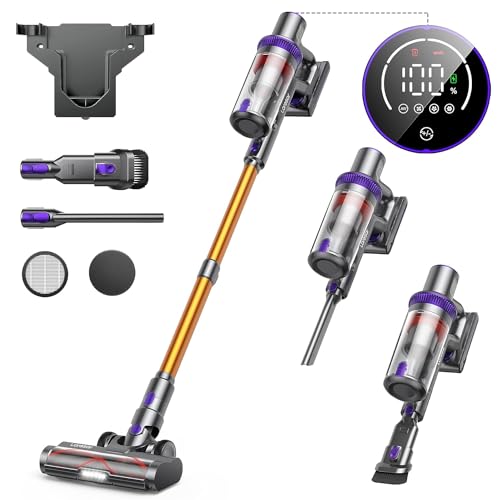
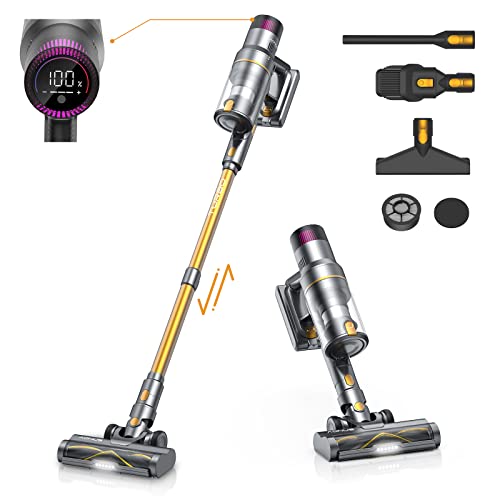
- BuTure (Average overall score: 8.5)
- Dreame (Average overall score: 8.4)
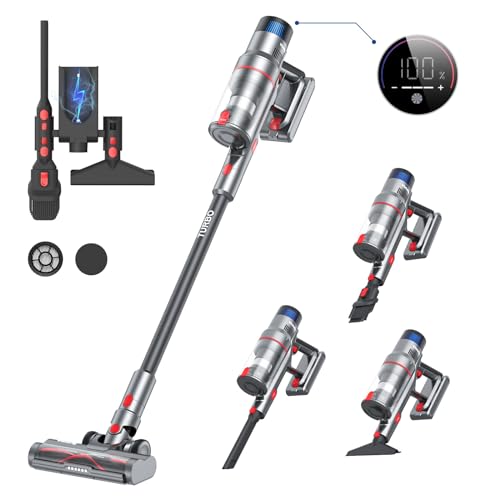
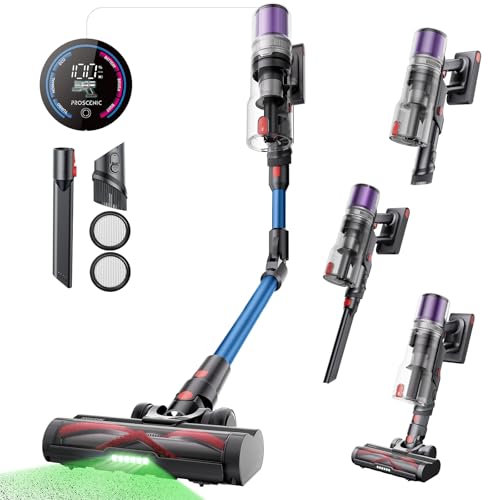
- Proscenic (Average overall score: 8.2)
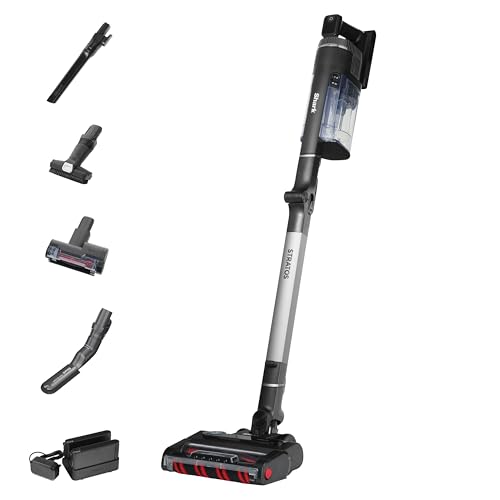
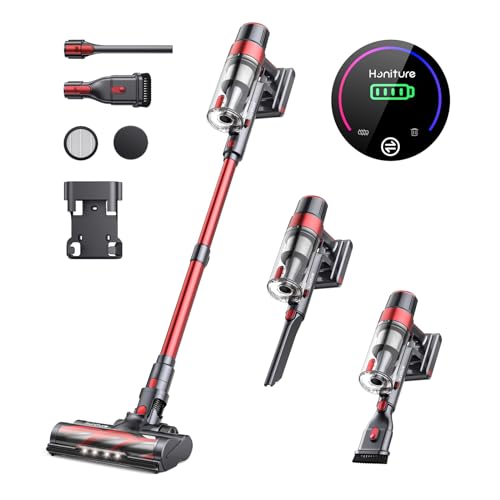
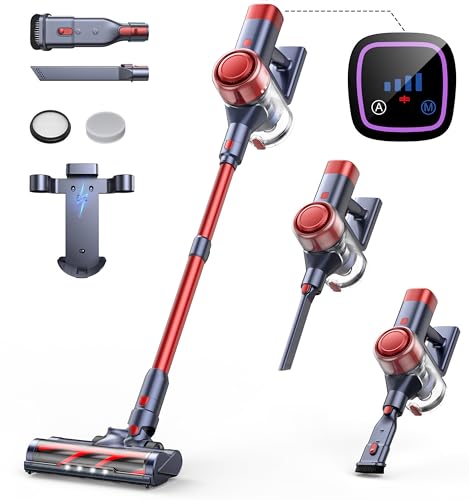
- HONITURE (Average overall score: 8.2)
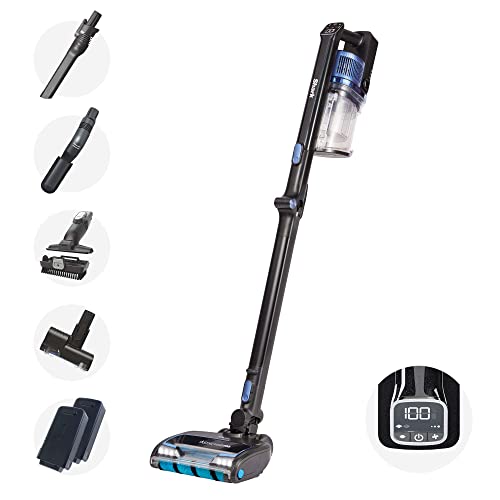
- Shark (Average overall score: 8)
The chart below ranks cyclonic-vacuum brands by average overall score.
[horizontal-chart-07677259869732830836107307499648113280642546252260]
When should you consider buying a cyclonic vacuum?
You should consider a cyclonic vacuum if you want bagless operation and often collect mixed debris that would otherwise load a flat filter quickly. Effective separation keeps larger particles and much of the fine dust in the bin, reducing how rapidly the pre-motor filter becomes blocked.
Cyclonic technology is available in lightweight sticks, rolling canisters and carpet-focused uprights, so the mechanism alone does not determine usability. Choose the format, floorhead and power source first, then check whether the cyclone remains easy to access and clean without exposing seals or electrical parts to water.
The chart below shows the main vacuum formats that use cyclonic technology.
[pie-chart-02107450966107951524106824963137910691914221777454]
What is a cyclonic vacuum, and how does it work?
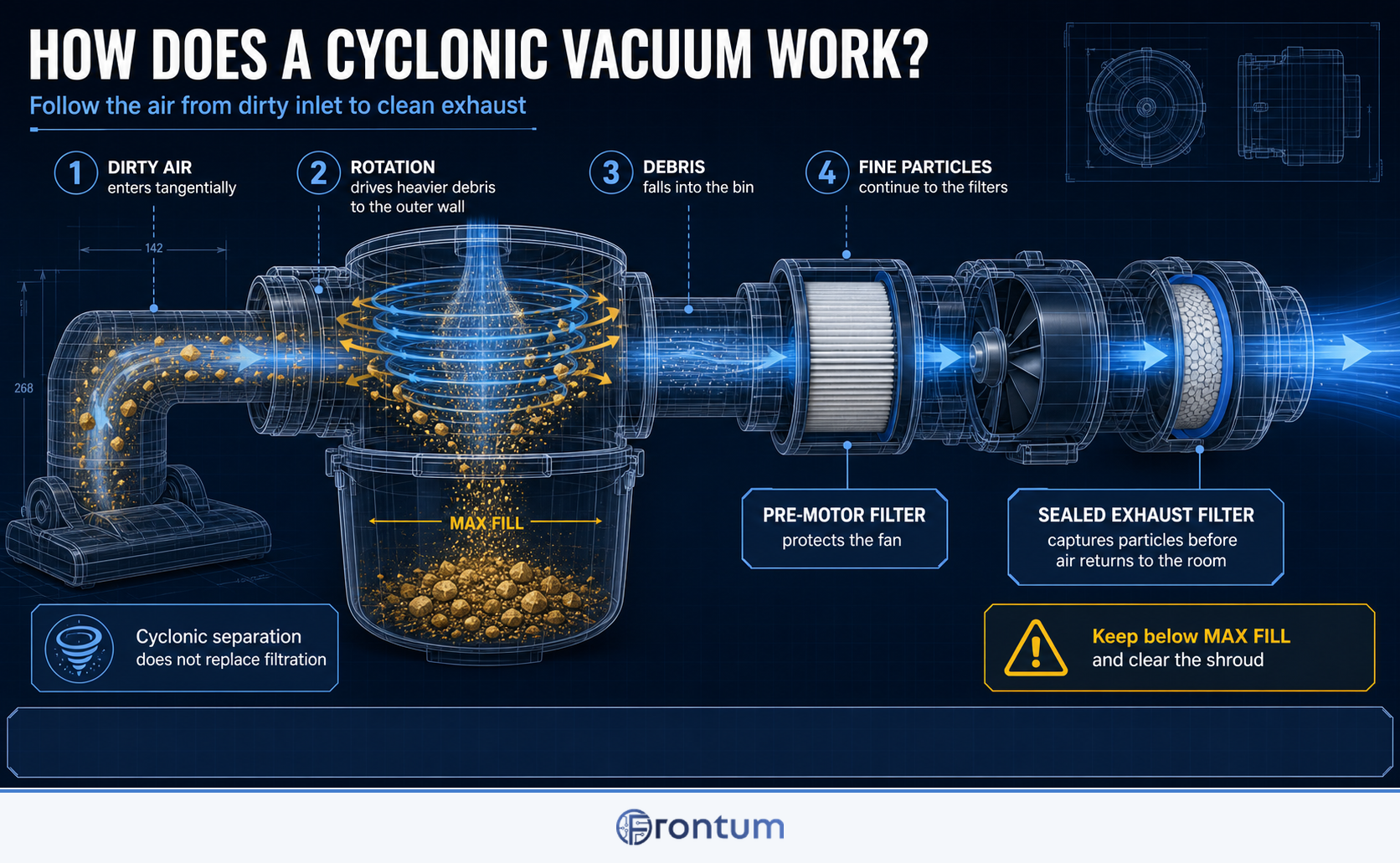
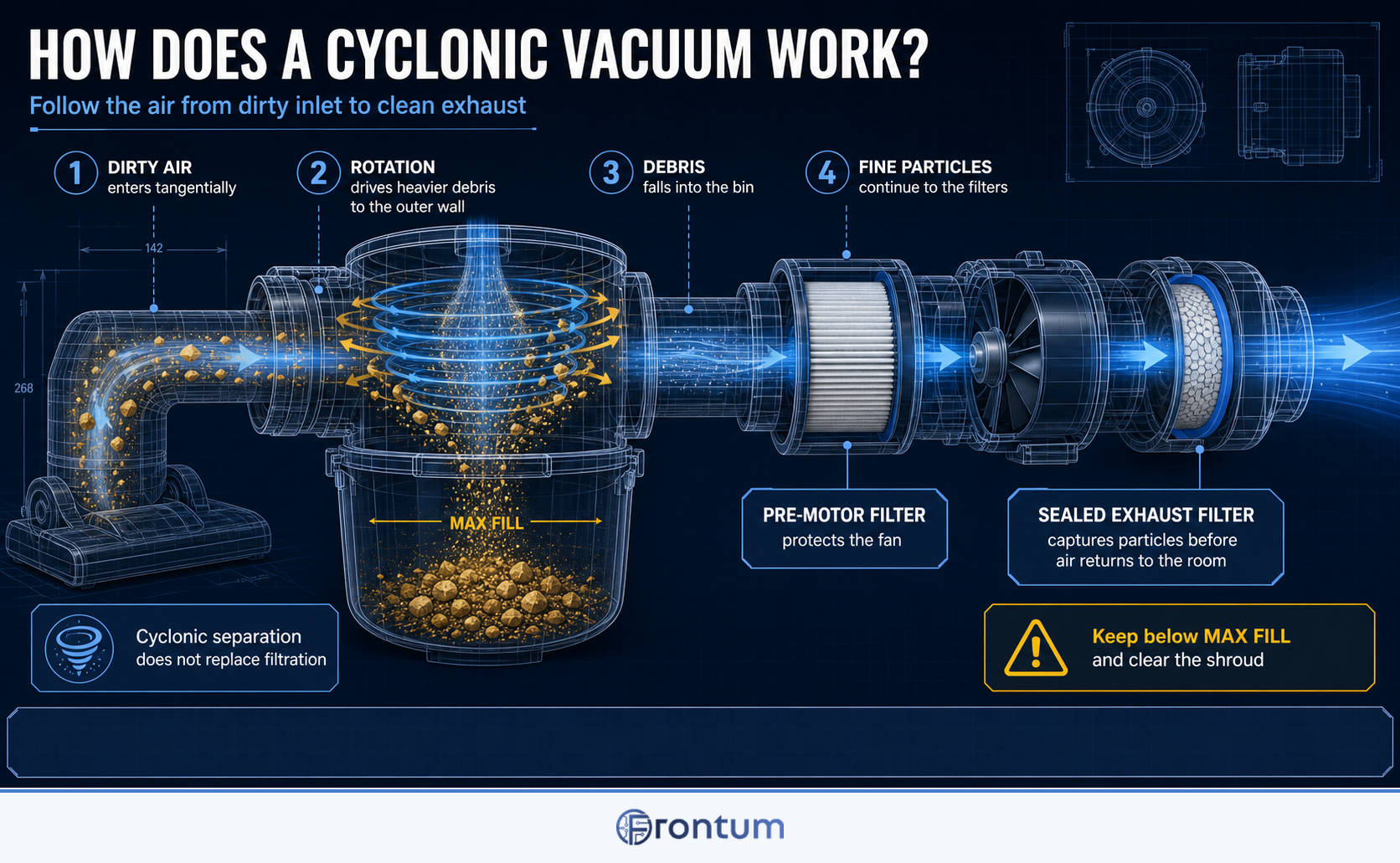
A cyclonic vacuum works by directing incoming air tangentially into a chamber so that it spins at high speed. Centrifugal action drives heavier dust and debris toward the outer wall, where it loses momentum and falls into the bin, while the cleaned air continues toward the filters and motor.
The cyclone does not replace filtration. Very fine particles can remain in the airflow, so a pre-motor filter protects the fan and a sealed exhaust filter captures particles before the air returns to the room.
Separation efficiency depends on inlet geometry, airflow speed, leak control and the bin staying below its maximum-fill line. Hair wrapped around the shroud or dust coating the filter narrows the airflow path, which is why regular cleaning still matters even when a vacuum is marketed as maintaining suction.
How do single- and multi-cyclone vacuum systems differ?
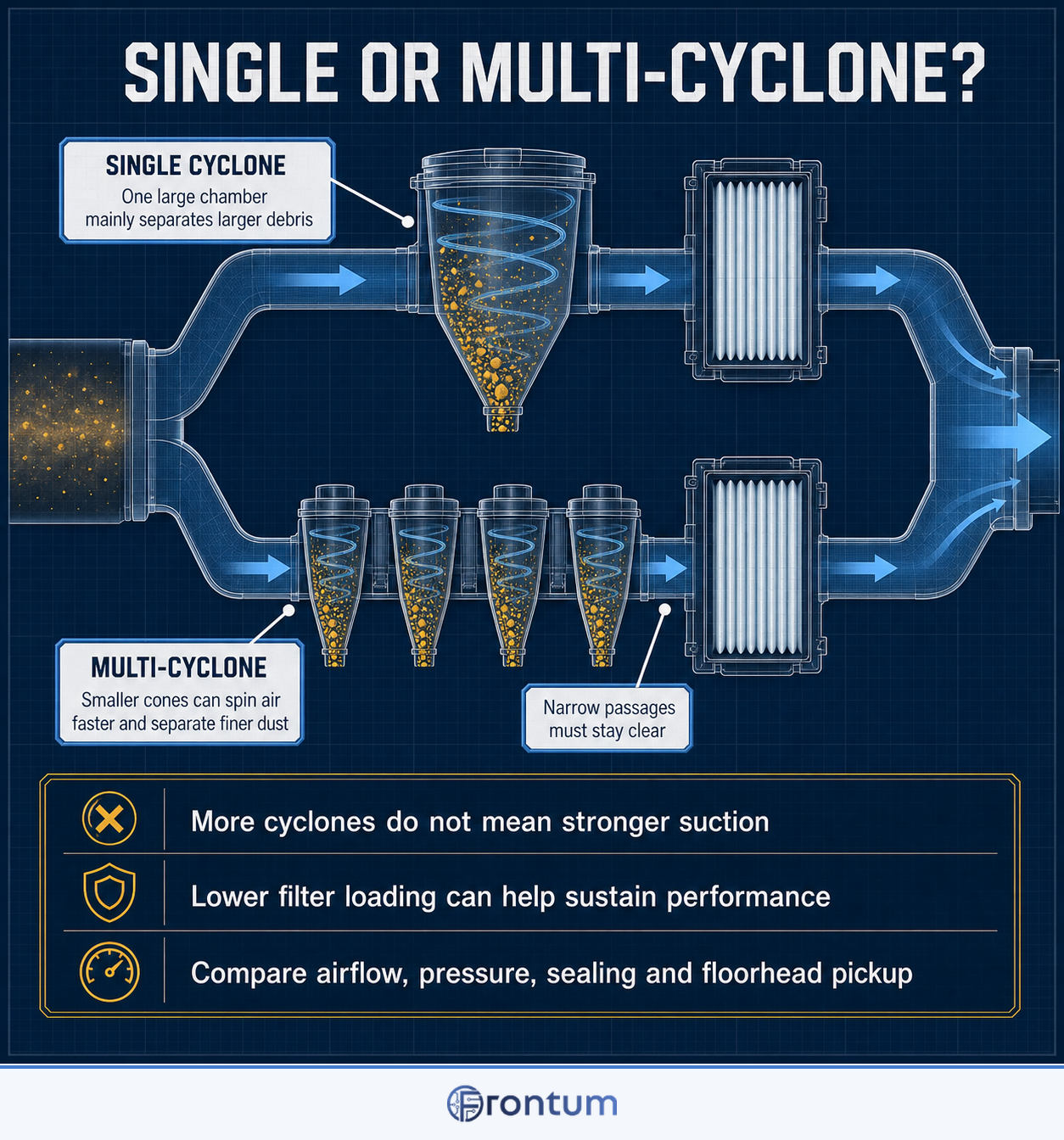
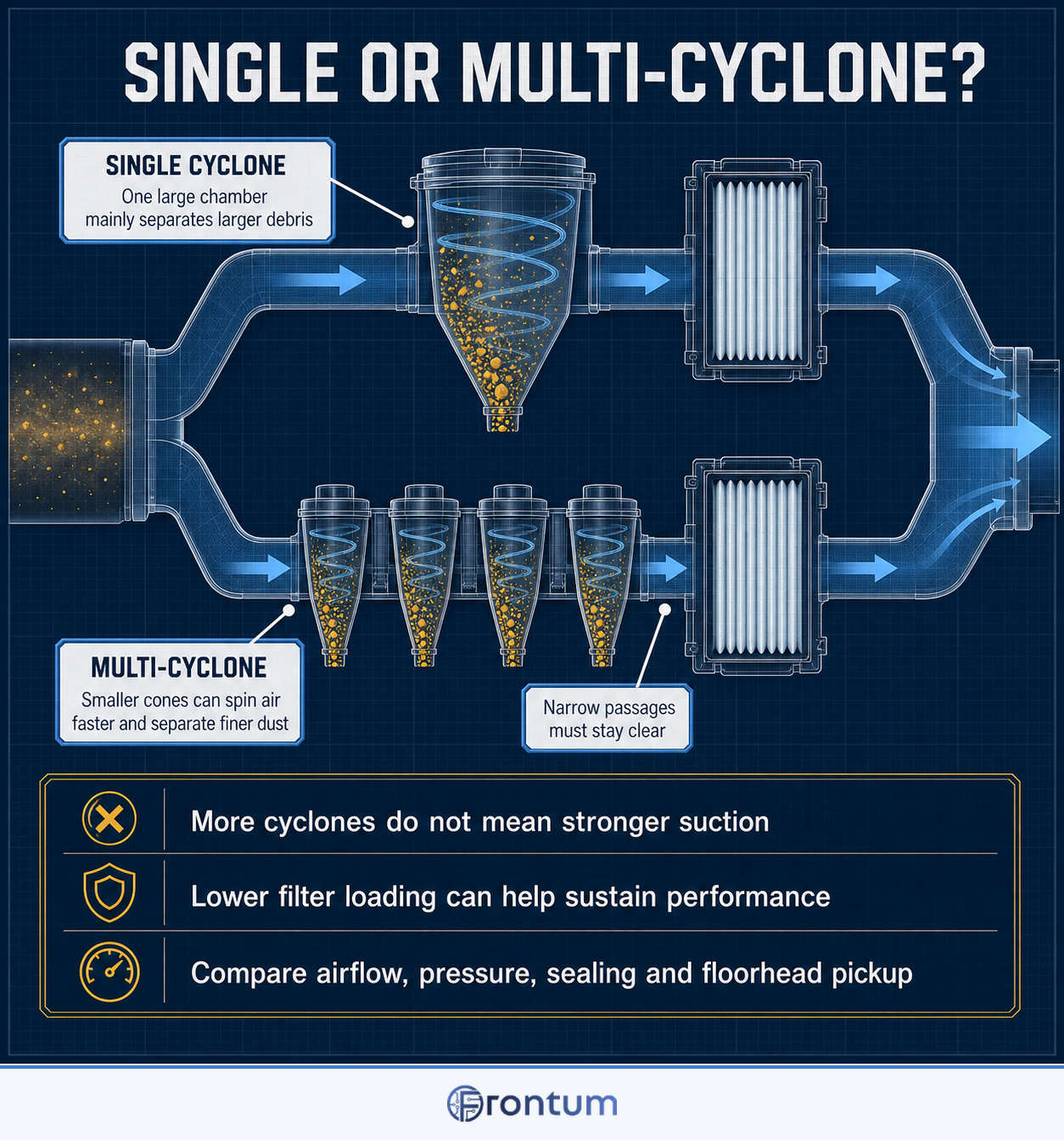
A single-cyclone vacuum uses one main chamber to separate larger particles, whereas a multi-cyclone system divides the airflow among several smaller cyclones to target finer dust before it reaches the filter. Smaller cyclone diameters can create higher rotational speeds, but they also add narrow passages that must remain clear.
More cyclones do not automatically mean stronger suction or better floor pickup. The result still depends on total airflow, pressure, sealing, floorhead design and how much resistance the cyclone pack adds, so compare sustained cleaning performance and filter-loading behaviour rather than the printed cyclone count alone.
Which filtration and attachments matter most for cyclonic vacuums?
The most important filtration and attachments for a cyclonic vacuum are as follows:
- Sealed exhaust filtration: A HEPA or HEPA 13 filter is useful only when air cannot bypass it through gaps in the housing. A sealed path matters most for fine dust, allergens and pet dander.
- Washable pre-motor filter: This filter protects the motor from particles that escape the cyclone and should be easy to remove without spilling bin debris. Confirm the drying time and never reinstall it damp, because restricted airflow can overheat the motor.
- Carpet floorhead: A powered or turbine brush roll agitates fibres so suction and airflow can carry embedded dirt into the bin. Anti-tangle combs help with long hair, but the roller should still be removable for cleaning.
- Hard-floor head: A soft roller or parquet brush collects fine dust without scattering larger particles or scratching delicate surfaces. Check whether suction can be reduced or a vent opened when a sealed head clamps to a lightweight rug.
- Crevice and upholstery tools: A narrow crevice nozzle reaches edges and furniture gaps, while an upholstery or mini motorised tool is more effective on sofas and pet beds. Storage on the vacuum or wand makes these small tools more likely to be used.
How much do cyclonic vacuums cost?
Cyclonic vacuums generally cost about £90-£300, although the full market extends from roughly £40 to more than £860. Entry-level handhelds and basic corded models usually occupy the £40-£130 range.
Around £100-£300 covers many practical sticks, canisters and uprights with washable filters, better floorheads and more usable controls. Cordless models in this tier should include the battery and charger rather than listing a body-only price.
Premium cyclonic systems can cost £300-£600, while flagship cordless packages reach approximately £700-£900. Higher prices should buy better sealing, sustained output, replaceable batteries or genuinely useful tools, not merely a larger cyclone count.
The chart below shows the price distribution of cyclonic vacuums.
[vertical-chart-17597699732316758358144113712311675931914209289599]
What should you check before buying a cyclonic vacuum?
You should check the following factors before buying a cyclonic vacuum:
- Cyclone and airflow path: Inspect how the inlet, shroud and cyclone pack can be accessed for cleaning and whether the bin seals positively after refitting. Narrow passages, wrapped hair and damaged gaskets can reduce separation efficiency even when the motor remains powerful.
- Suction and airflow: Around 120–200 AW or 15–25 kPa covers many household designs, but air watts and kilopascals measure different properties. Compare the same metric in the same operating mode and remember that motor-input watts describe electricity use rather than pickup.
- Power source and runtime: A cordless model commonly provides about 45–60 minutes in a lower mode, 8–15 minutes at maximum power and a recharge near four hours. A corded model avoids that limit; about 6–8 m of cable plus the hose or wand provides practical room-to-room reach.
- Bin capacity and emptying: Around 0.5–1 L suits most sticks, while 1.5–3 L reduces interruptions on canisters and uprights. Check the maximum-fill line, dust-release mechanism and whether hair can be cleared from the shroud without reaching deeply into the bin.
- Weight and cleaning width: About 2.5–3.5 kg and a 230–270 mm head balance manoeuvrability with coverage for a stick vacuum. For canisters, also compare stair-carrying weight, wheel movement and hose flexibility because most mass remains on the floor during cleaning.
- Filtration and floorheads: Prefer a washable pre-motor filter plus a sealed HEPA-class exhaust stage, and allow every washable component to dry fully before refitting. Match a powered brush to carpet, a soft or parquet head to delicate hard floors and a mini motorised tool to pet hair on upholstery.
- Noise and serviceability: Around 75–80 dB is common, while 85 dB or more is loud. Verify the availability of filters, rollers, batteries, bin seals and cyclone parts, since a reusable bagless system still depends on replaceable wear components.