Which brands make the best quiet vacuums in 2026?
The best quiet-vacuum brands in 2026 are ranked below:
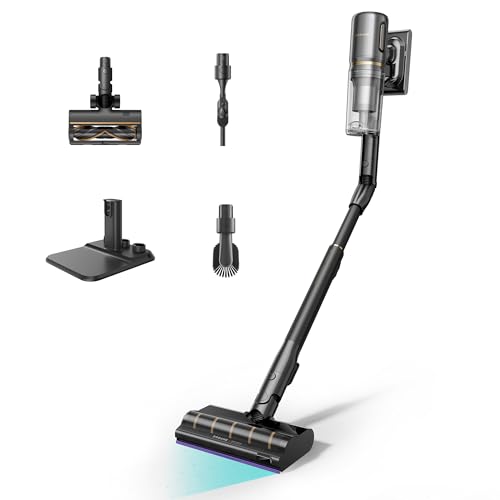
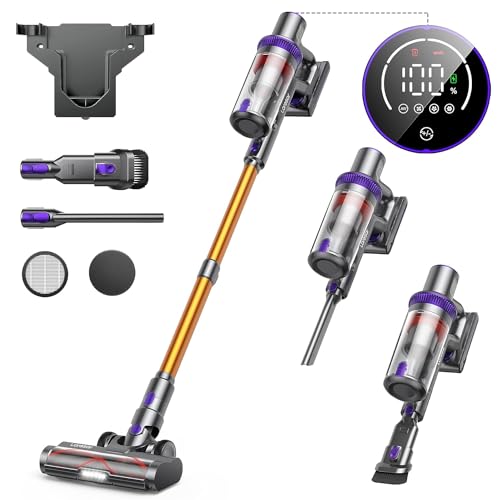
- BuTure (Average overall score: 8.5)
- Samsung (Average overall score: 8.5)
- Dreame (Average overall score: 8.4)
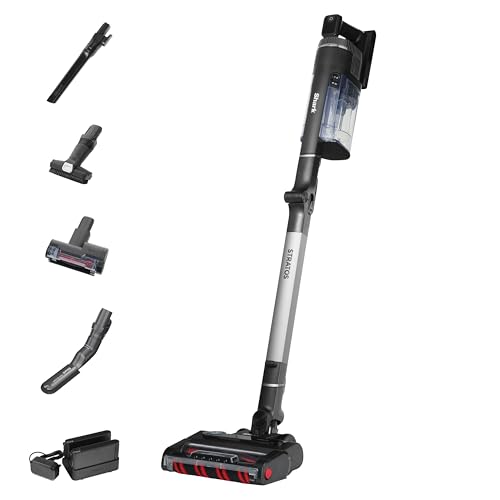
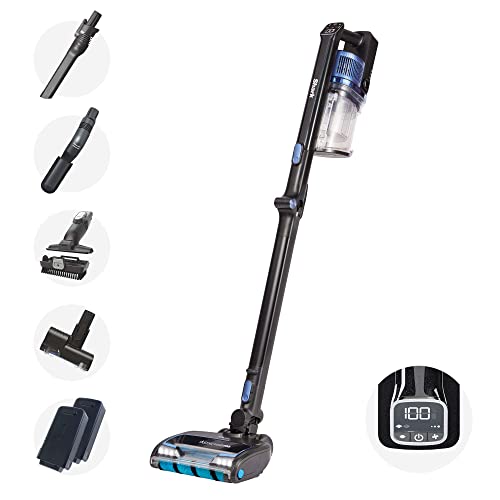
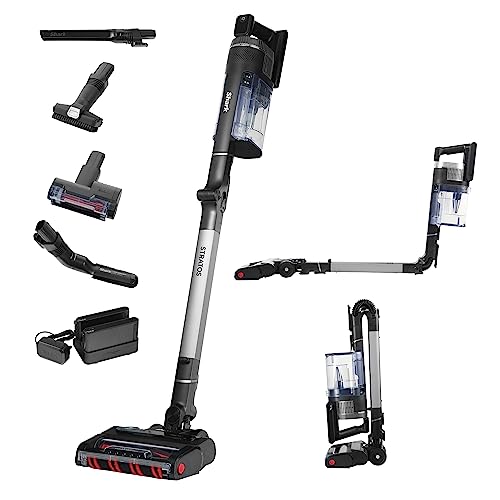
- Shark (Average overall score: 8.3)
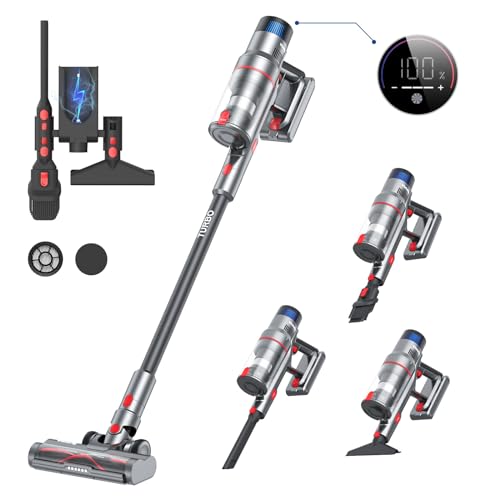
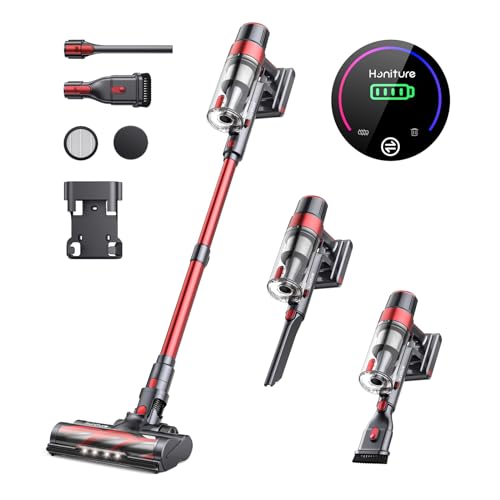
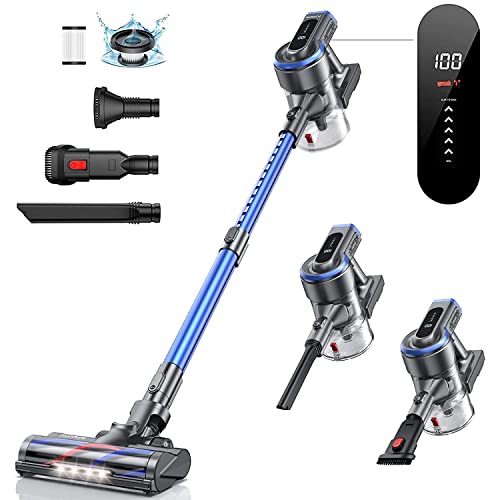
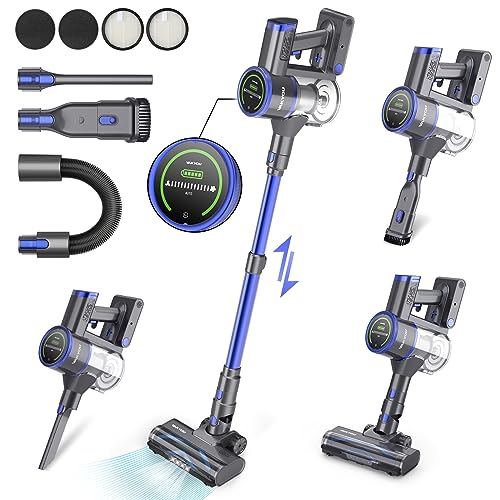
- HONITURE (Average overall score: 8.2)
The chart below ranks quiet-vacuum brands by average overall score.
[horizontal-chart-13920847953801861789169691266196075821531615645808]
What is considered a quiet vacuum cleaner?
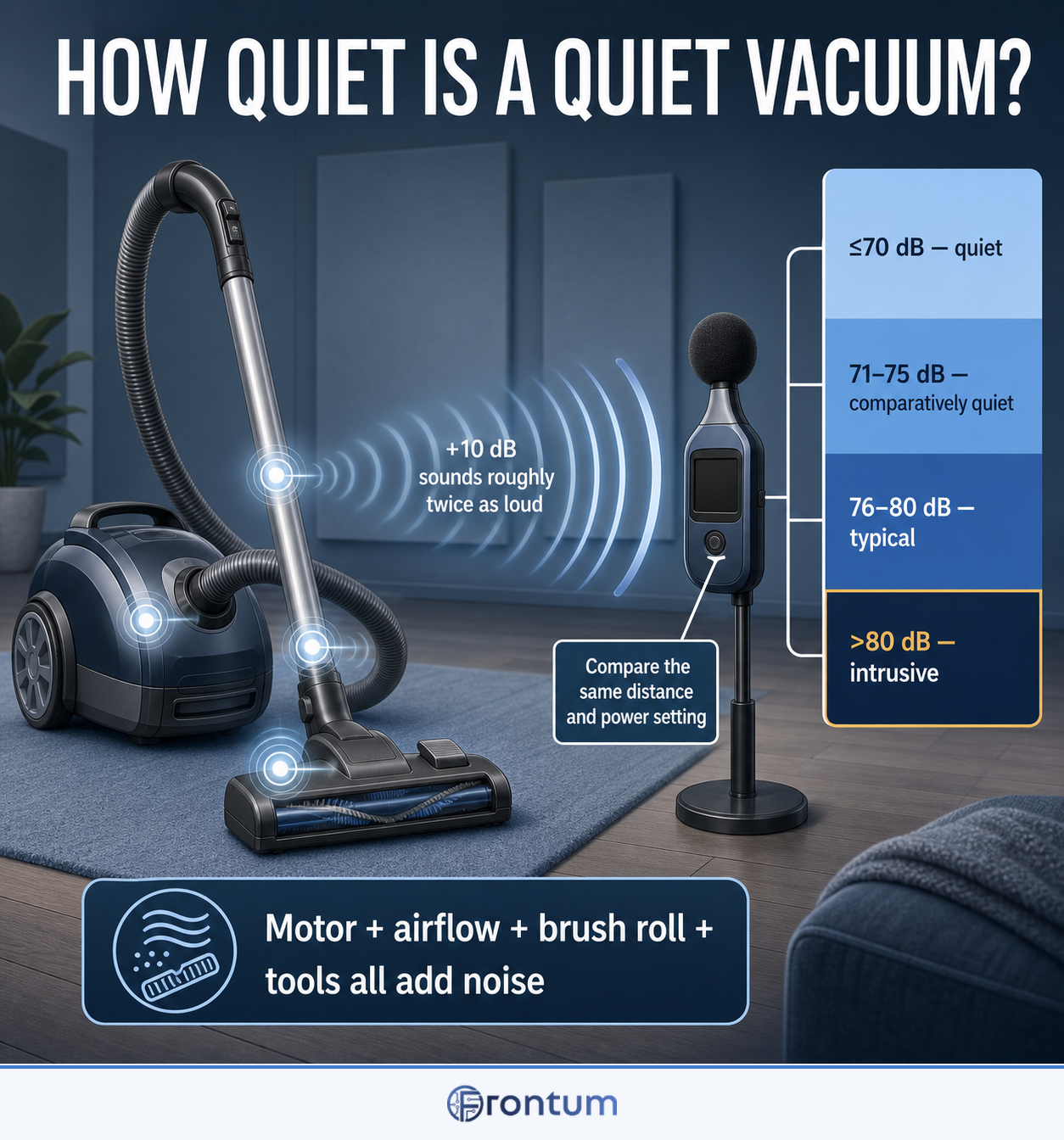
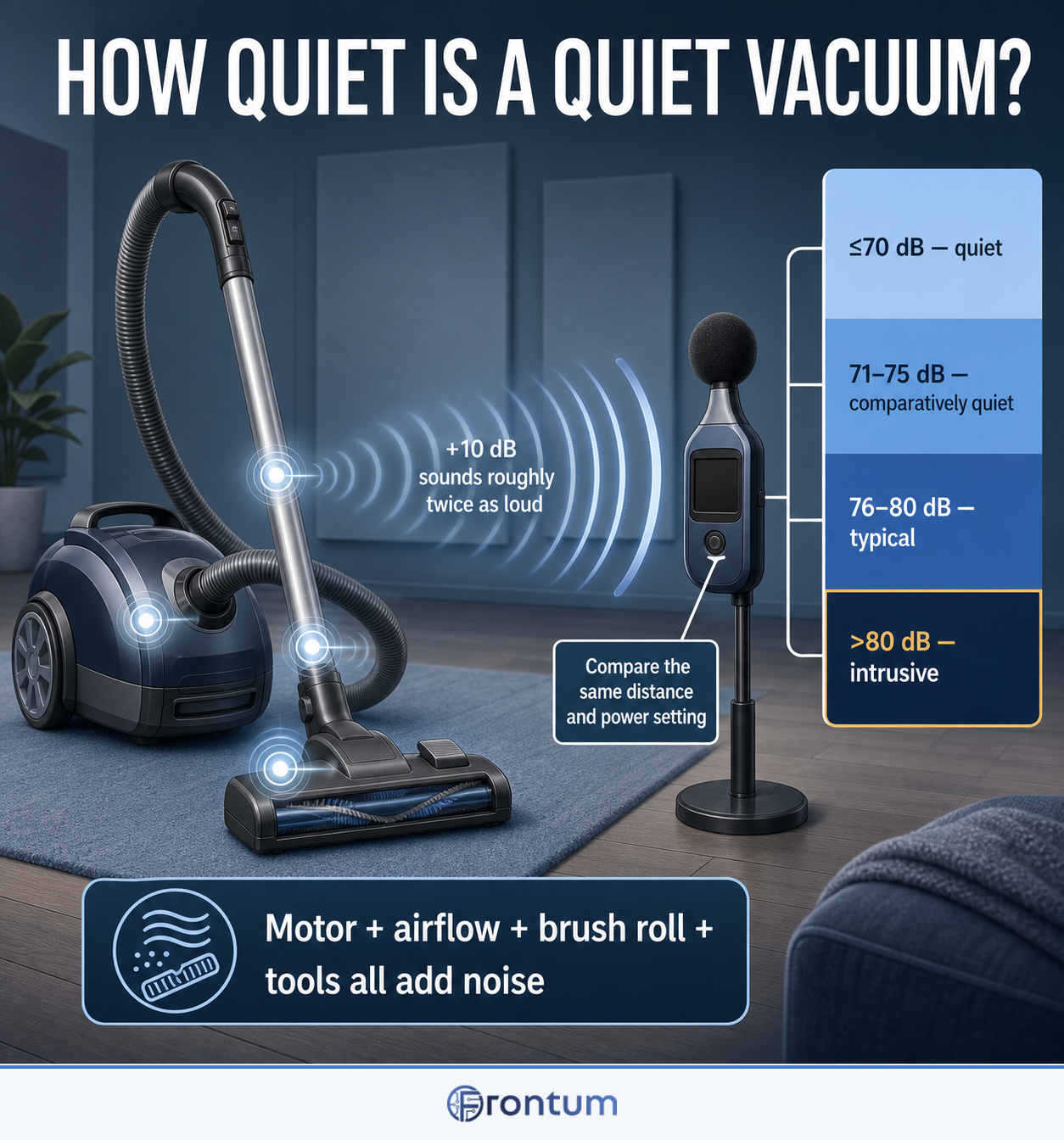
A vacuum cleaner is considered quiet when its maximum stated noise level stays at or below about 70 dB, while 71–75 dB is still comparatively quiet for normal household cleaning. Models around 76–80 dB are more typical, and anything above 80 dB becomes intrusive during a long session.
The decibel scale is logarithmic: an increase of 10 dB is commonly perceived as roughly twice as loud, so the difference between 65 dB and 75 dB is substantial even though both numbers appear close. A reduction of only 2–3 dB is audible but much less dramatic.
Compare figures measured at the same distance and power setting. A low-mode claim is not equivalent to the maximum level produced with a powered floorhead, and a quiet motor can still be accompanied by brush-roll whine, turbulent airflow or rattling tools.
The chart below shows the noise-level distribution of quiet vacuums.
[vertical-chart-15243591071172183031098485782278065493050312504803]
Are quiet vacuums less powerful than louder models?
Quiet vacuums are not necessarily less powerful than louder models. In our research, quiet models with published figures averaged around 180 AW, compared with about 150 AW for vacuums rated above 75 dB; both groups were close to 30 L/s of airflow and 20 kPa of suction pressure.
Noise depends on motor speed, fan shape, airflow turbulence, insulation, floorhead design and how well panels and tools resist vibration. A quieter machine can therefore maintain strong pickup, although maximum or boost mode may still raise the sound level and should be compared separately from the normal setting.
Who should consider buying a quiet vacuum?
The following people benefit most from a quiet vacuum:
- Apartment residents: A model near 65–70 dB reduces disturbance through shared walls and floors, especially during early or late cleaning.
- Families with sleeping children or shift workers: Lower motor and floorhead noise makes short cleaning sessions less disruptive while someone rests.
- Noise-sensitive users: A quieter, lower-pitched machine is easier to tolerate, although the sound character should be checked as well as the dB figure.
- Pet owners: A gradual motor tone and controlled brush noise can be less alarming to nervous animals than a sharp high-frequency whine.
How much do quiet vacuums cost?
Quiet vacuums generally cost about £40-£300, with the broader market extending from roughly £40 to £600. Entry-level models around £90-£130 can meet the 75 dB limit but usually have simpler floorheads, fewer controls or more basic filtration.
The practical middle sits near £130-£220, where automatic cord rewind, adjustable suction, better sealing and more complete floor tools become common. Premium models from about £260 upward should combine low noise with strong sustained pickup, useful filtration and serviceable parts rather than charging only for sound insulation.
The chart below shows the price distribution of quiet vacuums.
[vertical-chart-15753710274086043167126308412688956187581716799389]
What should you check before buying a quiet vacuum?
You should check the following factors before buying a quiet vacuum:
- Maximum noise level: Aim for 70 dB or less when quiet operation is the main priority; 71–75 dB remains relatively restrained, while more than 80 dB is loud for extended use. Confirm that the quoted number is the maximum rather than an eco-mode minimum.
- Test mode and sound character: Compare noise at the same distance with the normal floorhead attached. Tonal whine, rattling panels and a noisy brush roll can be more irritating than a smooth sound with a similar dB rating.
- Suction and airflow: Based on our research, quiet models with published figures average around 180 AW and 30 L/s, so low noise need not mean weak pickup. Compare AW with AW or airflow with airflow, then check the floorhead seal and brush action rather than using motor-input watts as suction.
- Floorhead and controls: A powered carpet brush improves agitation, while a parquet head or soft roller protects hard floors. Adjustable suction or an automatic mode prevents a well-sealed head from clamping to rugs and avoids running the loudest setting unnecessarily.
- Capacity and handling: Models we reviewed typically hold around 2.5 L and weigh about 4.5 kg, but sticks and canisters distribute that mass differently. Check stair-carrying weight, wheel movement, bin or bag size and whether the body remains stable when the hose changes direction.
- Battery or cable: In our research, quiet cordless models typically advertised about 50 minutes in a lower mode, roughly 15 minutes at maximum power and a recharge near four hours. For corded models, a 6–9 m lead and a clearly stated operating radius reduce disruptive socket changes.
- Filtration and maintenance: A clogged filter, blocked hose or worn brush bearing can increase both noise and airflow loss. Prefer a sealed exhaust path, accessible filters and locally available bags, rollers, belts, batteries and seals.