
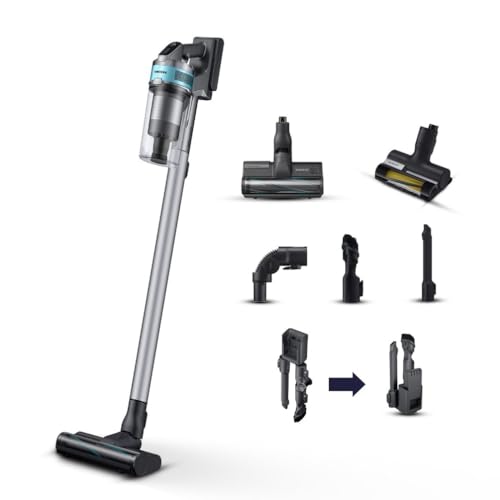
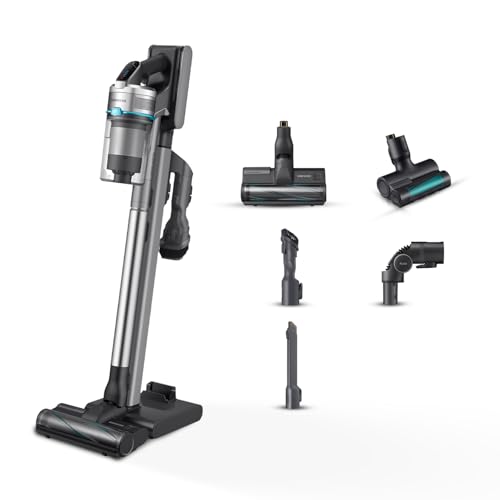
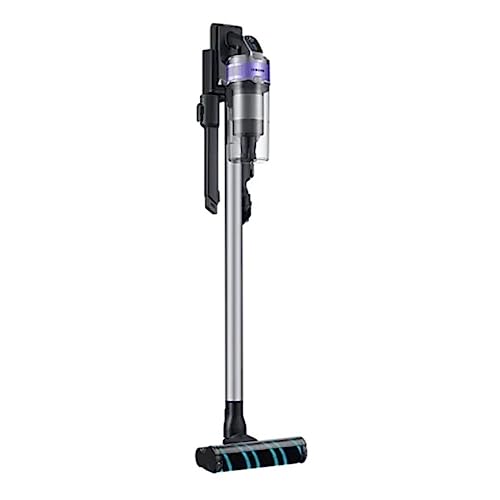
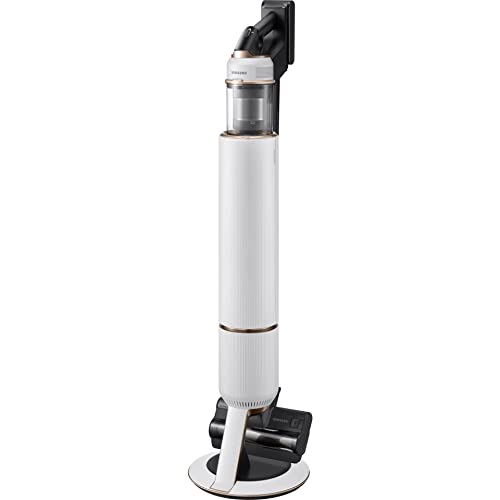
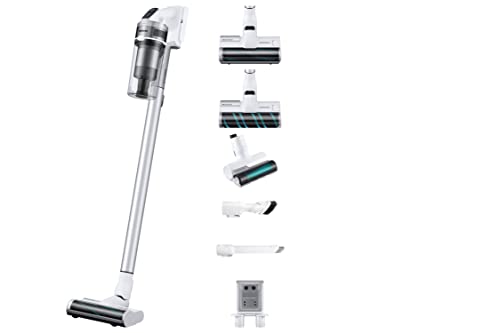
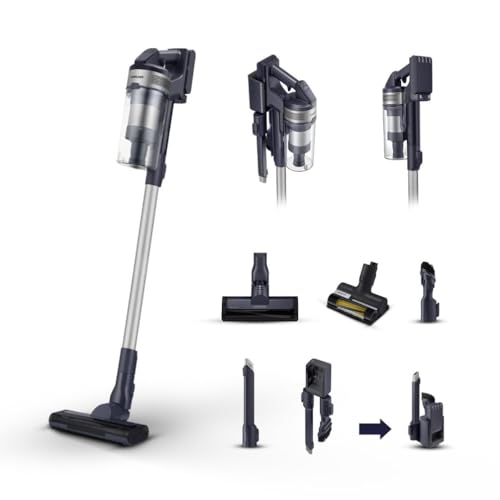
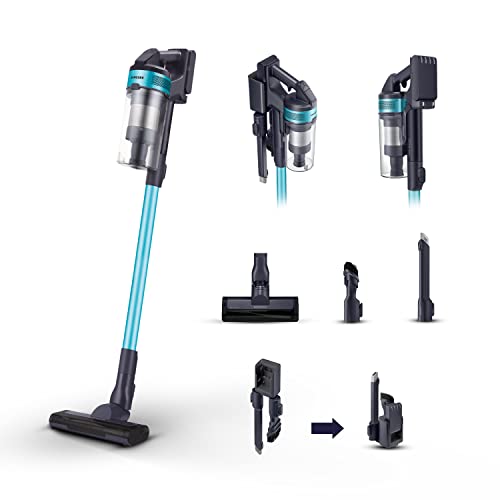
Are Samsung vacuum cleaners good?
Samsung vacuum cleaners have an average overall score of 7.7, ranking #8 among comparable vacuum-cleaner brands, and a user rating of 8.6, placing them at #22 based on user reviews.
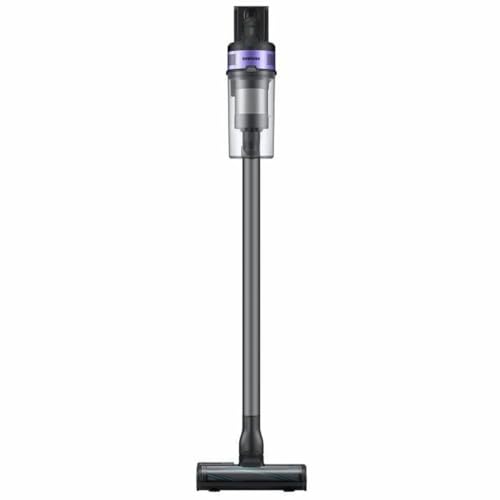
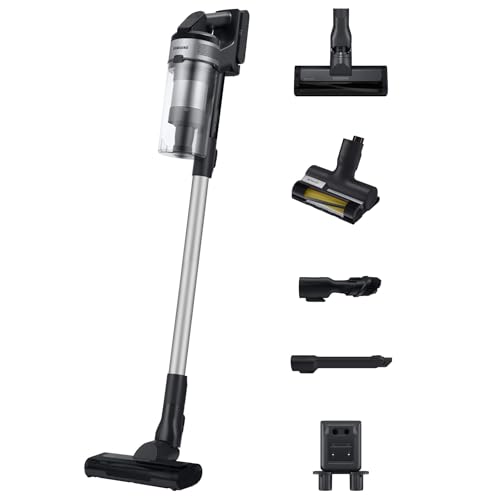
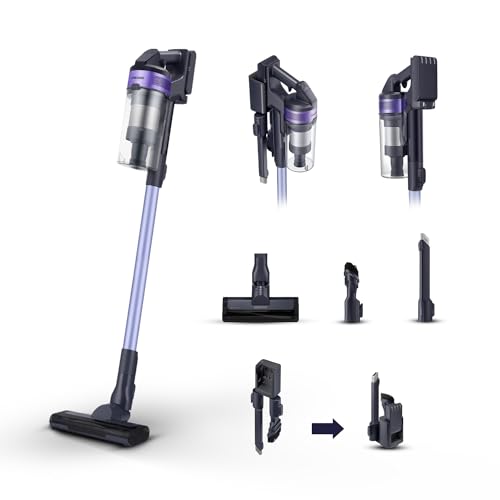
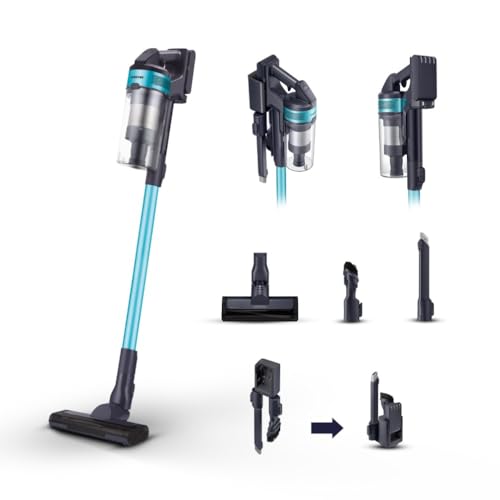
Samsung vacuum cleaners are a strong choice when you want a broad cordless range with clearly separated suction tiers, removable batteries and powered heads for mixed floors. Jet 60 and 65 cover lighter everyday cleaning, Jet 75–95 move toward stronger whole-home use, and Bespoke models add an auto-empty Clean Station on selected packages.
Samsung vacuum cleaners can be difficult to compare because closely related model codes may include different heads, batteries and docks. A high suction claim also does not guarantee long maximum-power runtime, so the exact mode, tool, battery count and regional package must be compared before paying for a premium suffix.
The chart below compares vacuum-cleaner brands by average overall score.
[horizontal-chart-05060405232908929908180547999782892589572867802681]
What are the main advantages of Samsung vacuum cleaners?
The main advantages of Samsung vacuum cleaners are as follows:
- Clear cordless performance tiers: Jet output rises from roughly 150 AW in entry models through about 200–210 AW in the middle ranges to 280–400 AW in premium Bespoke versions. This makes it easier to match routine hard-floor pickup, mixed floors or demanding carpet to an appropriate platform.
- Removable batteries: Samsung Jet batteries can be replaced and, on supported packages, charged separately or supplemented with a spare. This is more useful for a large home than a sealed battery that ends the session when empty.
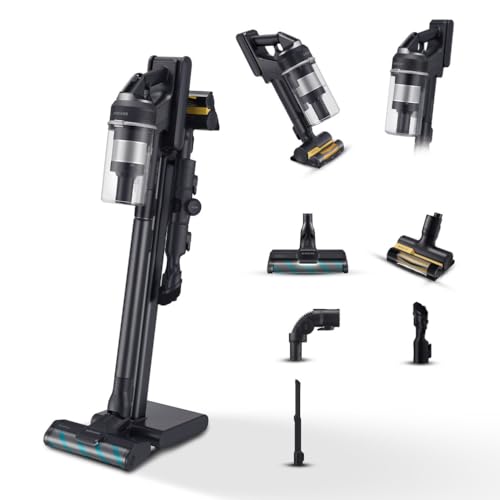
- Useful floorhead range: Depending on the package, Samsung offers multi-surface, soft hard-floor, pet and anti-tangle tools. Buyers can select a lighter head for daily cleaning or stronger agitation for rugs and hair.
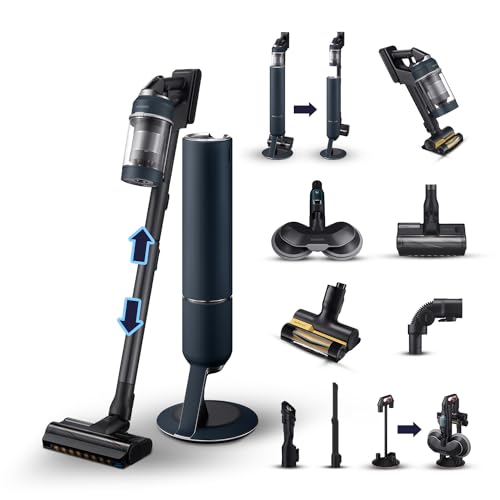
- Clean Station options: Bespoke Jet packages can combine charging and storage with automatic bin emptying into a bag. This reduces direct contact with debris, although the station adds cost, floor space and replacement bags.
- Competitive weight and capacity: Most Samsung sticks weigh about 2.3–2.8 kg and use 0.5–0.8 L bins. The lighter Jet 60 or 65 models are easier to carry, while the larger 0.8 L Jet bins reduce emptying compared with compact premium bodies.
What are the main disadvantages of Samsung vacuum cleaners?
The main disadvantages of Samsung vacuum cleaners are as follows:
- Maximum-power runtime is short: A headline of 60 or 100 minutes describes a lower mode under stated conditions, while maximum power may last roughly 5–15 minutes on many models. Deep carpet can therefore require a second battery even when the normal-mode figure looks generous.
- Many models are noisy at high power: Numerous Samsung sticks are specified around 85–88 dB in their loudest mode. Quieter readings are possible at lower settings, but buyers sensitive to noise should not judge the machine from its premium positioning.
- Premium packages are expensive: Bespoke Jet and AI Jet systems can cost roughly £500-£900 or more. The Clean Station, additional battery and specialist heads need to be genuinely useful for the price to make sense.
- Model codes are difficult to compare: Jet 85, Jet 95 and Bespoke versions can have several regional suffixes with different tools, battery capacities and docks. The family name alone is not enough to identify the included equipment.
- Auto-emptying adds consumables and space: A Clean Station reduces direct bin handling but requires bags and a permanent charging position. It also does not remove the need to clean the cyclone, filters and floorhead manually.
Who makes Samsung vacuum cleaners?
Samsung vacuum cleaners are made and sold by Samsung Electronics Co., Ltd., the South Korean electronics company headquartered in Suwon. Samsung Electronics was incorporated in 1969 and now operates vacuum cleaners within its wider home-appliance business.
Vacuum design, manufacturing and distribution can involve different Samsung subsidiaries and factories according to the market. The product label and local Samsung documentation therefore provide the relevant manufacturer or importer for a particular unit.
This regional structure matters when buying batteries, filters, charging stations or floorheads. Two Jet models with similar names can use different commercial codes and packages, so warranty and spare parts should be matched to the country and full model number.
What are the main series of Samsung vacuum cleaners?
The main Samsung vacuum-cleaner series are as follows:
- Jet 60 and Jet 65: These are Samsung’s lighter entry cordless families, generally offering about 150 AW, a 0.8 L bin and up to 40 minutes in a lower mode. They suit routine cleaning in smaller homes and buyers who prioritize manageable weight.
- Jet 75 and Jet 75E: These models move to around 200 AW and up to 60 minutes in a lower mode. They are the more balanced choice for mixed floors without the price or equipment of the Bespoke range.
- Jet 85 and Jet 95: These newer upper-midrange families typically provide about 210 AW with updated floorheads, controls and accessory packages. Jet 95 packages may include a telescopic tube or additional battery depending on the market.
- Bespoke Jet: Bespoke Jet combines a cordless stick with an all-in-one Clean Station on selected versions and normally uses a 0.5 L bin. It suits buyers who value docked storage and easier emptying, but station and brush contents vary by model code.
- Bespoke AI Jet: The AI Jet Lite tier reaches roughly 280 AW, while Ultra models reach up to 400 AW and can claim as much as 100 minutes under qualifying conditions. These are Samsung’s premium cordless models for stronger pickup and automated floor response.
- VC and VCC: These older corded canister families provide continuous operation, approximately 1.3–1.5 L bins and cables around 6 m. They are the simpler alternative when runtime and charging are unnecessary.
How much do Samsung vacuum cleaners cost?
New Samsung vacuums generally cost about £100-£900, with much of the range between roughly £170 and £430. Basic corded canisters and entry Jet 60 or 65 models commonly occupy the £100-£300 tier.
Around £300-£400 covers many Jet 75, 85 and 95 packages with roughly 200–210 AW, up to 60 minutes in a lower mode and better floorhead or pet-tool combinations. Check whether the battery, charging stand and specialist roller are included.
Bespoke Jet and AI Jet systems usually begin above about £430 and can exceed £860. A Clean Station, 280–400 AW platform, second battery or genuinely longer runtime can justify the premium; a cosmetic finish or small tool bundle cannot.
The chart below shows the price distribution of Samsung vacuum cleaners.
[vertical-chart-16922702206952275693009862896815990572610603242417]
How do Samsung vacuum cleaners compare with LG?
Samsung is generally the stronger choice than LG when maximum cordless suction and a broad progression from entry Jet to premium Bespoke AI Jet matter most. LG concentrates on its CordZero family, with a strong emphasis on quick-release batteries, compressor-style bin management on selected models and all-in-one charging or emptying stations.
Based on our research, Samsung vacuums average roughly 230 AW where output is published, compared with about 190 AW for LG, while typical lower-mode runtime is around 60 minutes for both brands. Samsung models average near £390, compared with roughly £260 for LG, although each range includes both basic products and premium dock packages.
Choose Samsung for the clearest path to 280–400 AW premium models and the Bespoke Clean Station ecosystem. Choose LG when a CordZero package offers better local value, dual-battery runtime or a preferred mop and compression system, then compare the exact floorhead, battery count, ready-to-use weight and parts availability.
What should you check before buying a Samsung vacuum cleaner?
You should check the following factors before buying a Samsung vacuum cleaner:
- Format and series: Choose a Jet 60 or 65 for lighter everyday cleaning, Jet 75–95 for stronger whole-home use, Bespoke Jet for auto-emptying, or a VC/VCC canister for low-cost continuous power. Verify the full regional model code because the family name does not define the complete package.
- Suction and floorhead: About 150 AW suits routine hard floors and rugs, 200–250 AW provides stronger mixed-floor and pet-hair performance, and 280–400 AW targets demanding carpet when measured under comparable conditions. The powered head, seal and brush agitation determine how much of that output reaches the floor.
- Runtime by mode: Aim for at least 40–60 minutes in a lower mode and 10–15 minutes at high power. Treat 100-minute claims as battery-, mode- and tool-dependent, and size the system for the area that actually needs a powered head.
- Charging and battery: Most Samsung sticks charge in roughly 3.5–5 hours. Prefer a removable battery, confirm whether it can charge separately and price a second pack before relying on it for a multi-floor home.
- Bin and emptying: Jet models usually hold around 0.8 L, while Bespoke bodies are often closer to 0.5 L; basic canisters provide roughly 1.3–1.5 L. A Clean Station reduces direct contact with debris but adds bags, maintenance and permanent floor space.
- Weight and noise: Most Samsung sticks weigh about 2.3–2.8 kg, so compare wrist load and floorhead steering rather than the number alone. Prefer roughly 75 dB or below in the normal mode when possible, because maximum settings can reach about 85–88 dB.
- Tools, dock and support: Check for the exact multi-surface, soft, pet or wet head needed, plus the charger and wall or floor stand. Confirm local availability of batteries, filters, Clean Station bags and brush bars for the complete model code.