
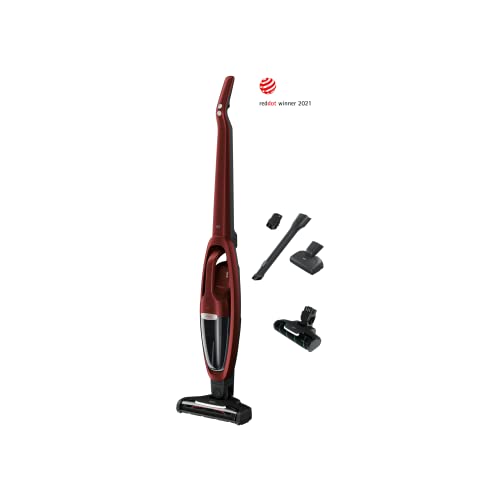
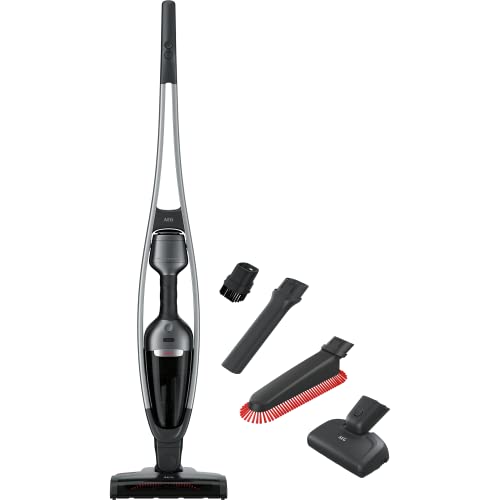
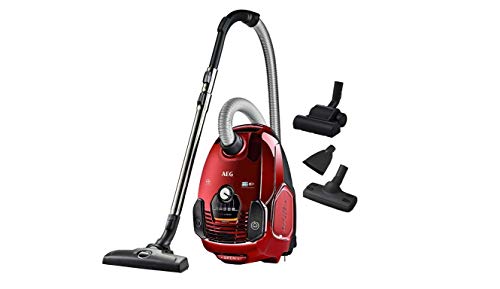
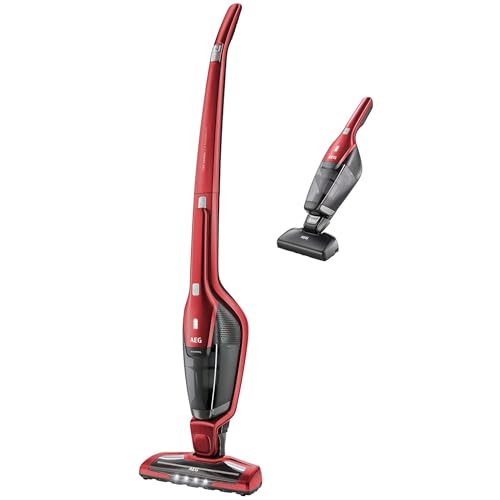
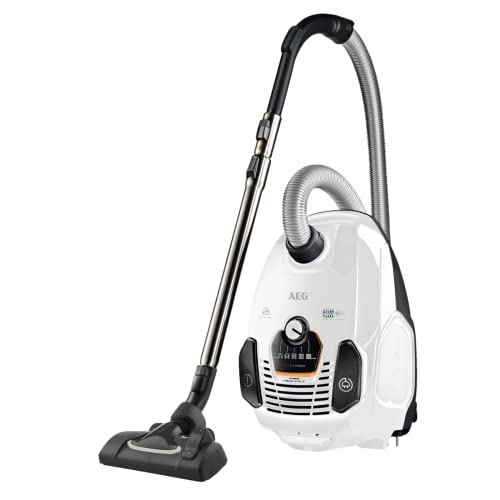
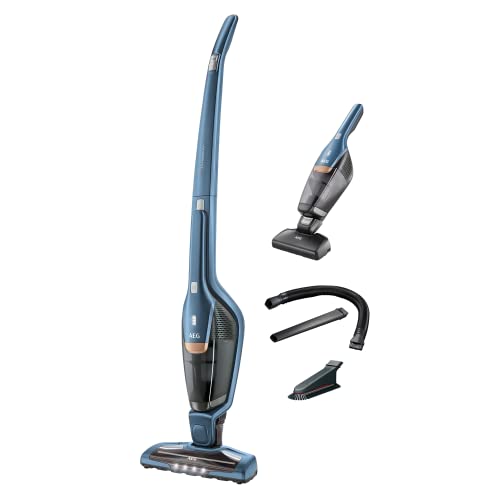
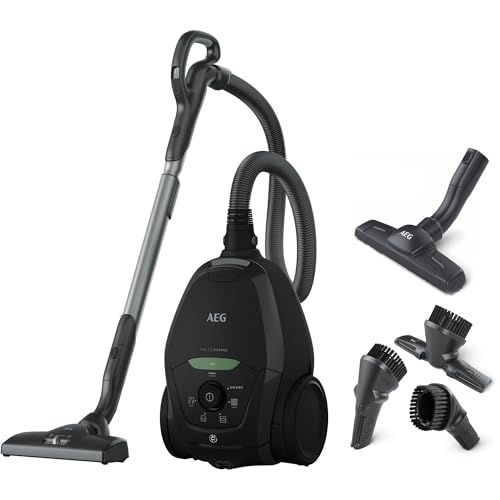
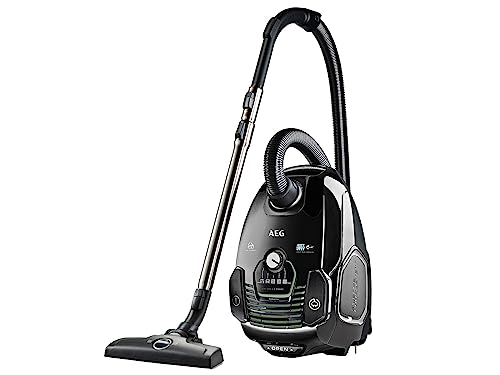
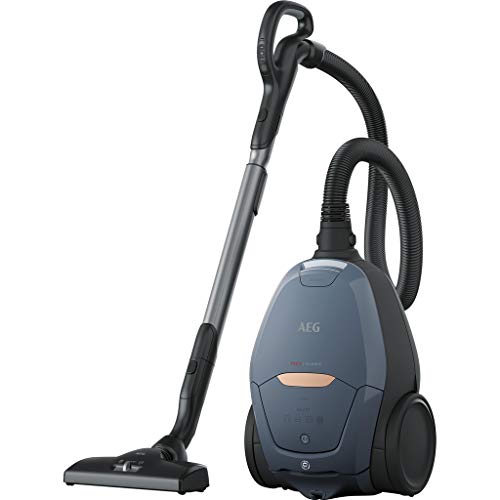
Are AEG vacuum cleaners good?
AEG vacuum cleaners have an average overall score of 7.2, ranking #19 among comparable vacuum-cleaner brands, and a user rating of 9, placing them at #13 based on user reviews.
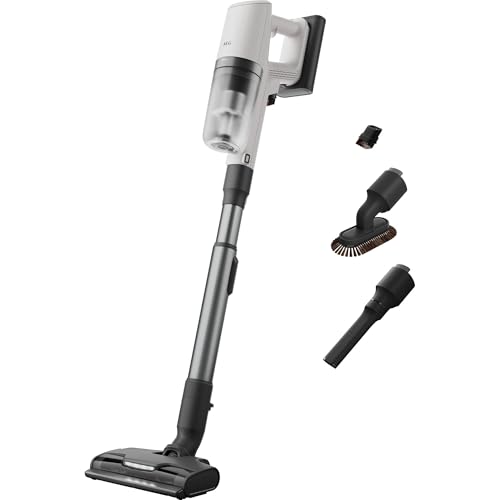
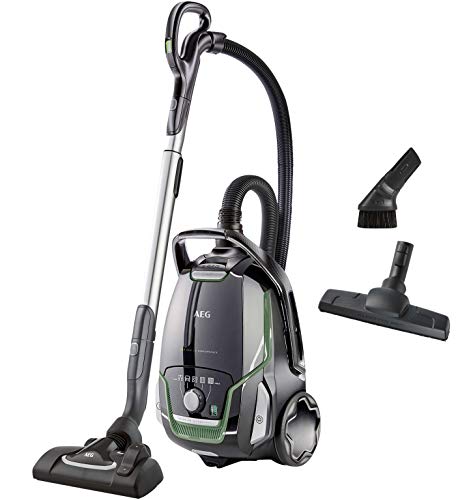
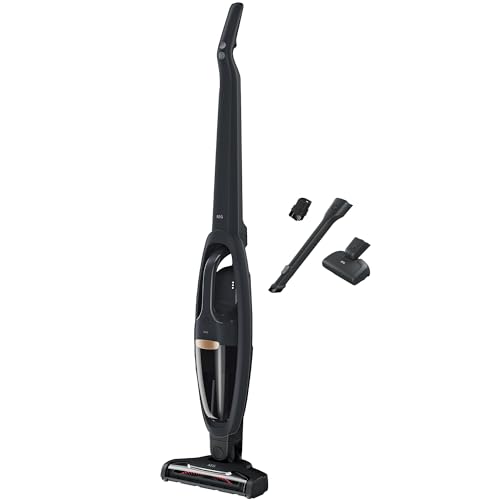
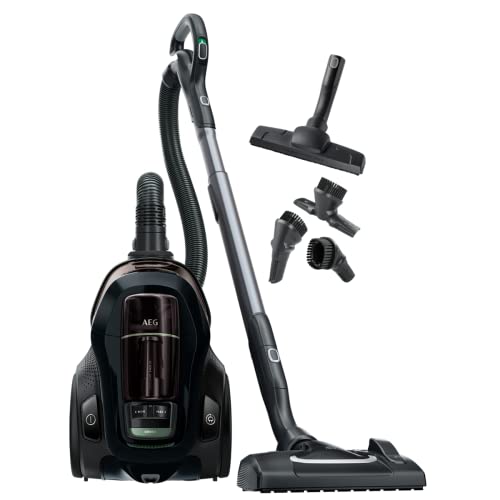
AEG vacuum cleaners are a good choice for European buyers who want a broad mix of quiet canisters and increasingly capable cordless sticks. VX82 and VX9 prioritise low noise, while 7000 and 8000 cordless models add stronger powered heads, automatic modes and replaceable battery platforms on selected versions.
AEG vacuum cleaners are less transparent to compare because current numbered lines coexist with CX, QX, VX and LX families. An “ÖKO” suffix may describe recycled materials rather than different pickup, so the floorhead, battery and filter still need direct comparison.
The chart below compares vacuum-cleaner brands by average overall score.
[horizontal-chart-05060405232908929908180547999782892589572867802681]
What are the main advantages of AEG vacuum cleaners?
The main advantages of AEG vacuum cleaners are as follows:
- Quiet canister choices: VX82 and selected VX9 models reach roughly 57–65 dB, much calmer than machines around 75–80 dB.
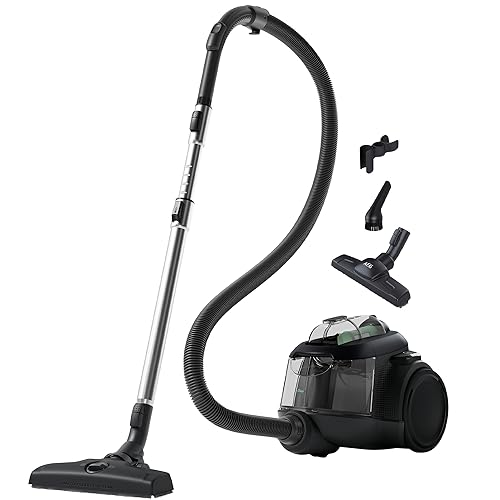
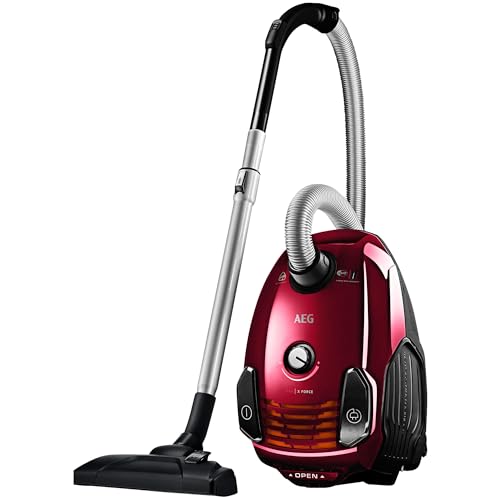
- Broad format range: Buyers can choose a bagged AB/VX model, bagless AL/LX canister or cordless CX/QX/5000–8000 stick.
- Useful filtration packages: Allergy-oriented filters and sealed-bag options are available, while ÖKO models also use recycled plastics on selected bodies.
- Floorhead variety: Powered LED heads, parquet nozzles and Animal packages allow the machine to be matched to carpet, hard floors or pet hair.
- Sensible capacity progression: Cordless bins around 0.3–0.5 L keep the body compact, while bagged canisters provide roughly 3–3.5 L for longer sessions.
What are the main disadvantages of AEG vacuum cleaners?
The main disadvantages of AEG vacuum cleaners are as follows:
- Overlapping generations: CX7, QX6–9 and newer 5000–8000 cordless models can look similar while using different batteries, filters and heads.
- Small cordless containers: Bins around 0.3–0.5 L can fill quickly with pet hair even when the battery still has charge.
- Eco runtime is not high-power runtime: Claims near 50–60 minutes generally use a lower setting; maximum mode with a powered head is much shorter.
- Premium stick pricing: 7000 and 8000 packages reach about £340-£390, where weight, suction and battery support should be compared with specialist cordless brands.
- Corporate-platform confusion: AEG and Electrolux may share ideas or components, but accessories are not automatically interchangeable. The full PNC is required.
Who makes AEG vacuum cleaners?
AEG household vacuum cleaners are produced and marketed by Electrolux Group, which owns the AEG trademark for household appliances. AEG began as a German electrical company, but today its domestic-appliance range sits within the Swedish Electrolux group.
Design, manufacturing and sourcing vary by product and region. A model's AEG branding does not mean it was assembled in Germany.
Use the product number or PNC from the label for bags, filters, batteries and heads. Similar AEG and Electrolux parts may look related without being approved substitutes.
What are the main series of AEG vacuum cleaners?
The main AEG vacuum-cleaner series are as follows:
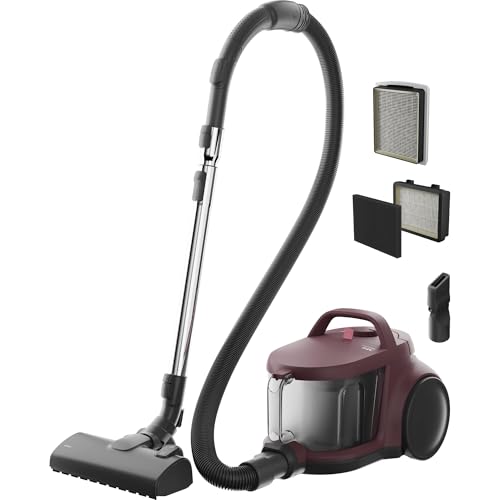
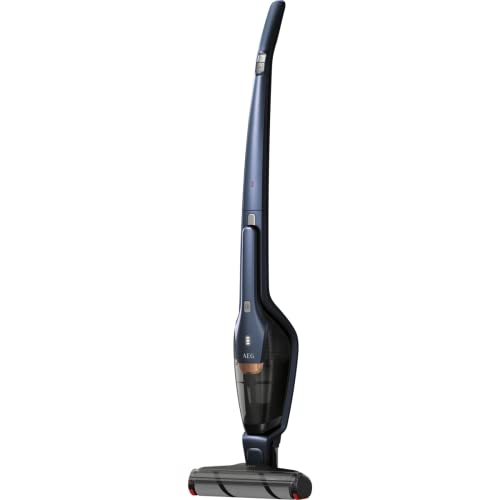
- CX7 and QX6–QX9: These are established two-in-one cordless lines with self-standing bodies and integrated handheld cleaners. Battery, filtration and Animal packages vary across the QX tiers.
- 5000 Series: This is the accessible current cordless family. It suits routine cleaning and buyers who do not need the lightest premium body or highest-capacity battery.
- 7000 and 8000 Series: The 7000 moves toward a lighter modular stick with stronger powered heads, while 8000 adds premium motor, battery and control packages.
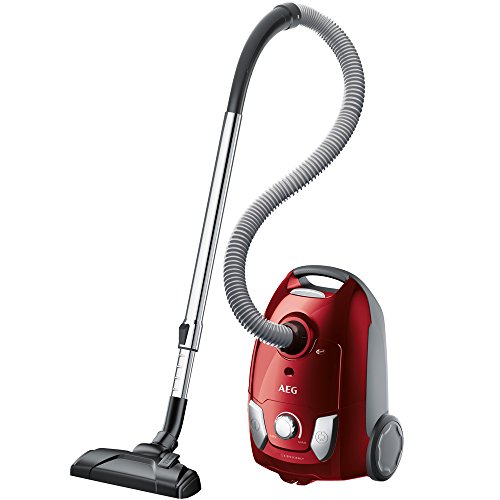
- AB, VX82 and VX9: These codes identify bagged canisters, with VX82 and VX9 representing quieter higher tiers. Bag capacity and operating radius depend on the exact version.
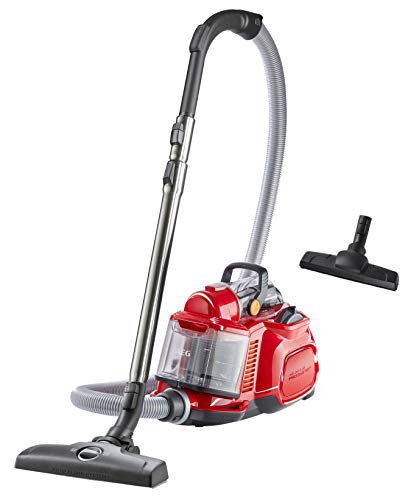
- AL, LX and CLEAN 6000: AL, LX4, LX7 and LX9 are bagless cyclone canisters. CLEAN 6000 continues the bagless format with newer styling, while ÖKO suffixes emphasize material choices rather than performance level.
How much do AEG vacuum cleaners cost?
AEG vacuum cleaners generally cost about £70-£390. Entry bagged and bagless canisters occupy roughly £70-£140, while quieter VX, LX9 and CLEAN 6000 packages commonly sit around £150-£260.
Cordless CX/QX and 5000 models begin near £110-£190. Newer 7000 and 8000 versions cost about £170-£390. At the upper end, require a replaceable battery, stronger head, lower weight or useful automatic mode.
The chart below shows the price distribution of AEG vacuum cleaners.
[vertical-chart-03443220059333205484083815964149307663520292676789]
How do AEG vacuum cleaners compare with Electrolux?
AEG and Electrolux household vacuums come from the same corporate group and sometimes share platform ideas. AEG is positioned more prominently in parts of Europe, while Electrolux naming is more common in other regions. Neither label is consistently superior across every equivalent model.
Based on our research, both brands average about £170 and roughly 50 minutes of lower-mode cordless runtime. AEG reaches about £390 in its premium 8000 line; Electrolux tops out closer to £260 in our comparison.
Choose by the exact PNC, floorhead, battery, noise and consumable cost. A quiet AEG VX82 may beat an Electrolux stick for long sessions, while an Electrolux Well Q package may provide better value than a similar AEG cordless model.
What should you check before buying an AEG vacuum cleaner?
Consider the following factors before buying an AEG vacuum cleaner:
- Family and format: CX/QX/5000–8000 are cordless, AB/VX generally bagged and AL/LX bagless. Select battery mobility, bag disposal or reusable-bin maintenance first.
- Pickup system: Compare powered brush agitation and floorhead sealing rather than corded motor input. For cordless carpet, check the actual high-mode output and anti-tangle design.
- Runtime or reach: Aim for 45–60 minutes in a lower cordless mode and verify Turbo duration. For canisters, 9–12 m operating radius reduces socket changes.
- Capacity: Cordless bins are usually 0.3–0.5 L; bagless canisters about 1.6–2 L; bagged models roughly 3–3.5 L. Match the container to pet debris and floor area.
- Noise: VX82 and selected VX9 models near 57–65 dB suit quiet homes. Ordinary models around 75–80 dB are much more noticeable.
- Battery and filtration: Check removability, charging time, sealed airflow and filter grade. ÖKO construction does not establish filtration or pickup by itself.
- Product code: Verify heads, charger, bags and filters using the full PNC. Series and suffix names are not enough to prove compatibility.