Which brands make the best powerful vacuums in 2026?
The best powerful-vacuum brands in 2026 are ranked below:
- Dreame (Average overall score: 8.5)
- LG (Average overall score: 8.2)
- Shark (Average overall score: 8.1)
- Rowenta (Average overall score: 8.1)
- Cecotec (Average overall score: 7.9)
The chart below ranks powerful-vacuum brands by average overall score.
[horizontal-chart-11406224101701065951012993697696027100311608709580]
When should you consider buying a powerful vacuum?
You should consider a powerful vacuum if you often remove embedded dirt from carpet, collect pet hair or heavy debris, or need fewer passes over floor gaps and textured surfaces. Output above 150 AW is most useful when a powered floorhead can agitate fibres and maintain a controlled seal.
Cordless powerful vacuums suit quick whole-home cleaning and stairs, but in our research their maximum mode lasted only about 10 minutes even when the advertised lower-mode runtime was around 65 minutes. A corded canister or upright is more appropriate when high output must continue across several rooms without a battery change.
High suction is unnecessary for light dust on smooth hard floors if it increases noise, weight or makes the head difficult to push. Choose a powerful model when stronger pickup solves a recurring problem, and require adjustable suction, automatic power control or a bypass vent when delicate rugs are also cleaned.
What makes a vacuum cleaner powerful?
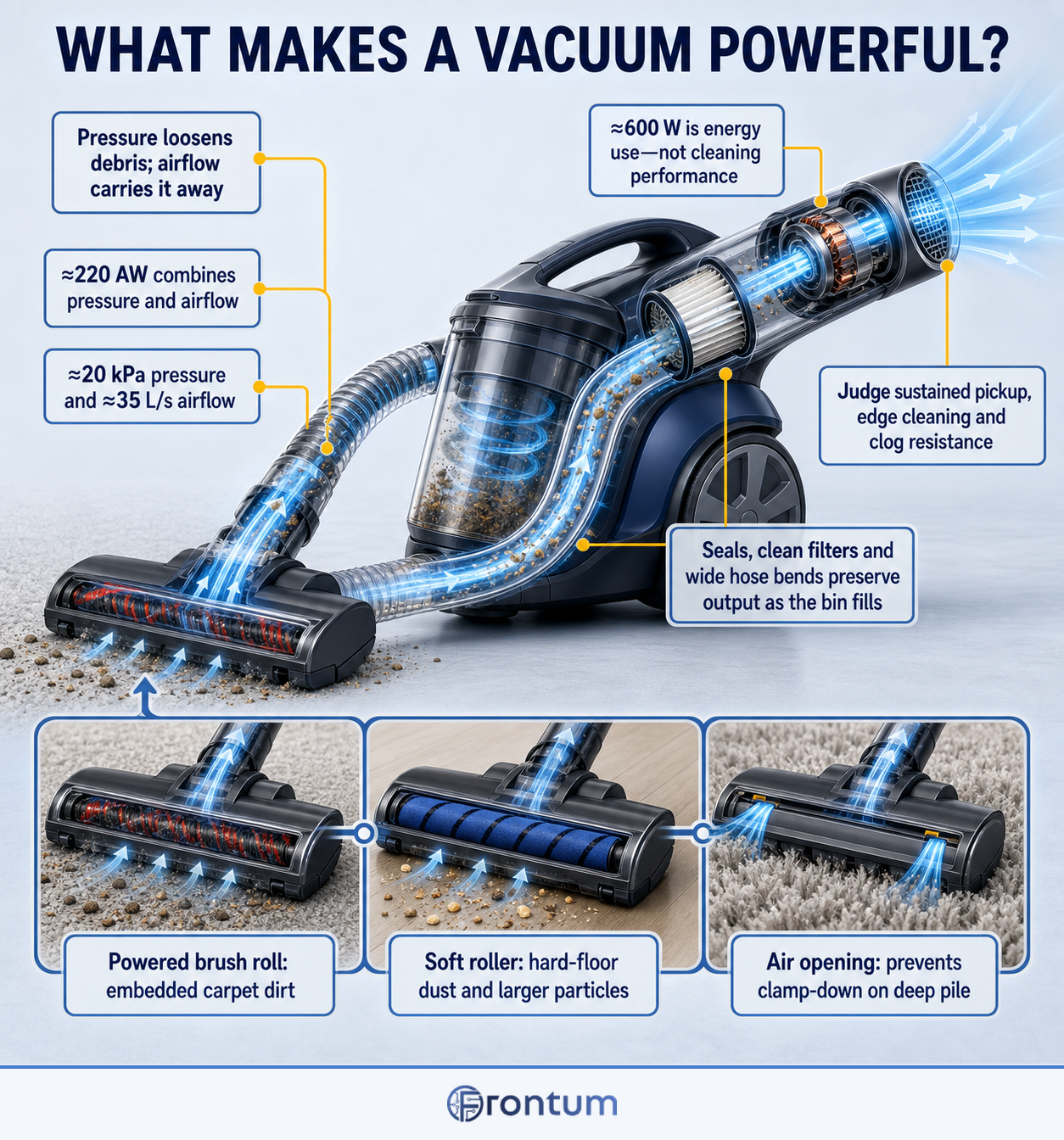
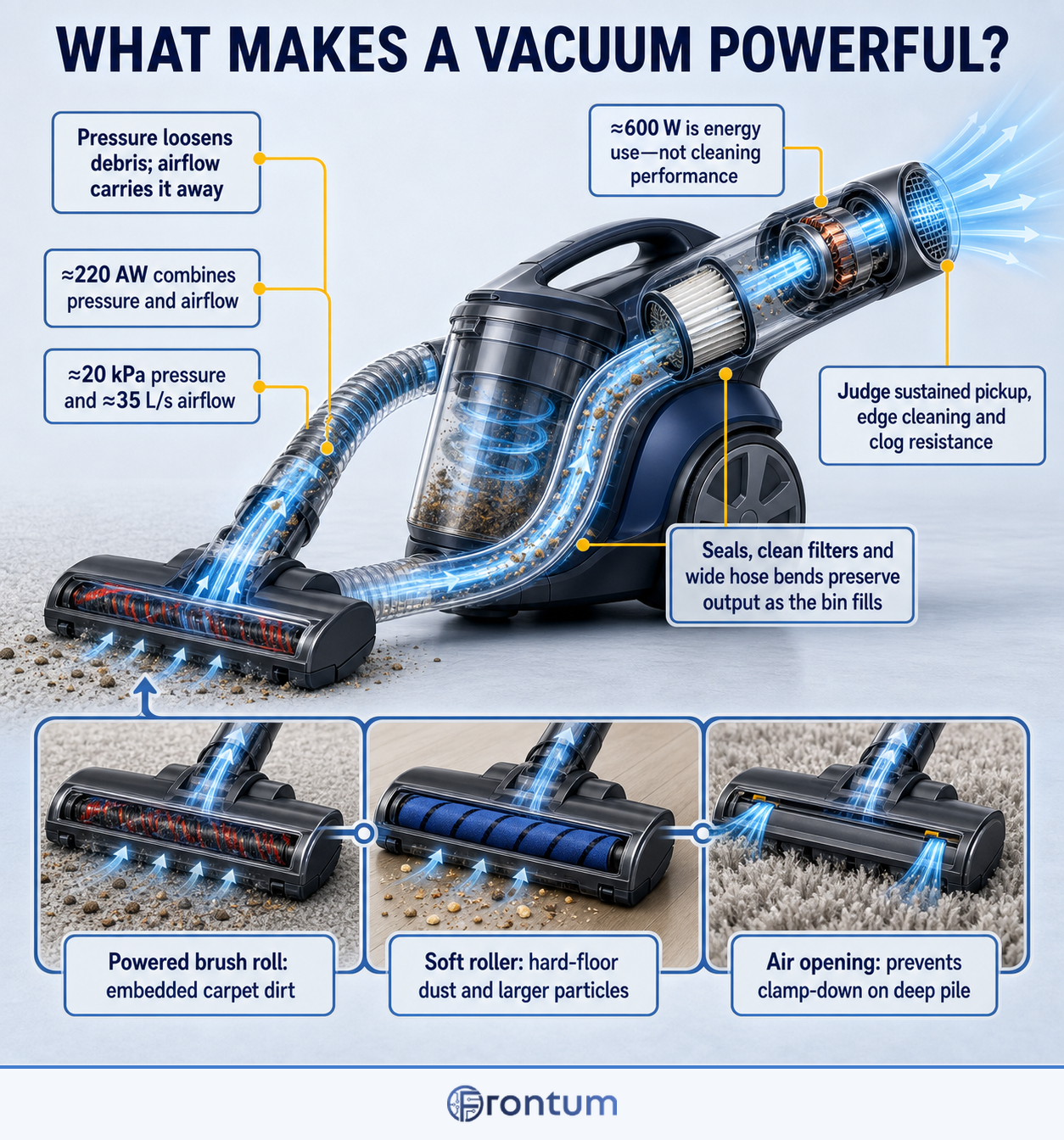
A powerful vacuum combines high suction pressure with enough airflow to carry the loosened debris into the bin or bag. Based on our research, powerful models with published figures average around 220 AW, 20 kPa of pressure and 35 L/s of airflow; these measurements describe different properties and cannot be substituted for one another.
The floorhead determines how much output reaches the surface. A powered brush roll agitates carpet, a soft roller gathers fine dust and larger particles from hard floors, and an adjustable air opening prevents a tightly sealed head from clamping itself to deep pile.
The airflow path must remain sealed and reasonably clear as the container fills. Effective cyclone separation, a correctly fitted bag, clean filters and wide hose bends preserve output better than a large peak figure measured before dust enters the system.
Typical electrical input is around 600 W, but input watts describe energy use rather than cleaning output. Judge the complete system by pickup, edge performance, clog resistance and how well it sustains airflow with the supplied floorhead.
The chart below shows the air-watt distribution of powerful vacuums.
[vertical-chart-10950717874990523631058094848841937972833384055734]
Does higher suction always mean better cleaning?
Higher suction does not always produce better cleaning because pickup also depends on airflow, brush agitation, floorhead sealing and how easily the head moves across the surface. Excessive pressure can clamp a head to thick carpet or lightweight rugs, reducing airflow and making the vacuum harder to push.
Around 180–250 AW is already strong household output, while 300–400 AW mainly adds headroom for demanding carpet, pet hair and heavy debris. On hard floors, a moderate-output vacuum with a well-designed roller and good edge sealing can outperform a stronger machine that scatters particles or leaks air.
How much do powerful vacuums cost?
Powerful vacuums generally cost about £100-£500, with the broader market extending from roughly £40 to £950. Models around £100-£200 can meet the 150 AW threshold, but they often use simpler heads, fixed batteries or more basic filtration.
The middle of the market is close to £260, where powered floorheads, adjustable controls, removable batteries or longer corded reach become easier to find. Compare the included head and battery package because two machines with the same suction figure can differ substantially in usable cleaning performance.
Premium models around £500-£900 should provide sustained output, better sealing, automatic adjustment, serviceable batteries or a useful dock. A higher peak-AW figure alone does not justify the premium.
The chart below shows the price distribution of powerful vacuums.
[vertical-chart-06275976591218377996026719706963659225313851624387]
What should you check before buying a powerful vacuum?
You should check the following factors before buying a powerful vacuum:
- Air-watt output: Treat 150 AW as the entry point for this group, 180–250 AW as strong household output and roughly 300–400 AW as the highest-output tier. Compare values measured at the same point and power mode rather than combining floorhead, hose-end and motor-unit figures.
- Pressure and airflow: Around 20–25 kPa and 25–40 L/s are useful reference ranges when those measurements are published, but neither can be converted directly into AW. Pressure lifts and loosens debris, while airflow carries it through the head, hose and filter.
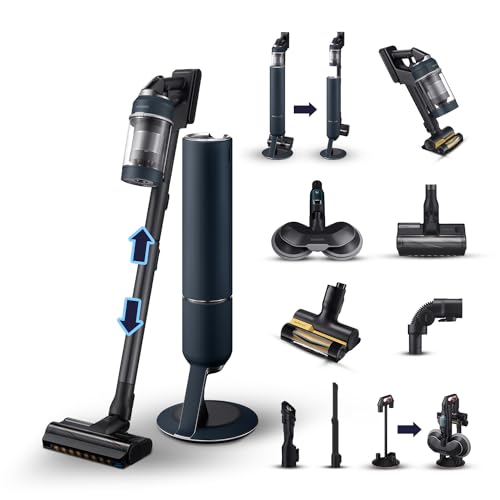
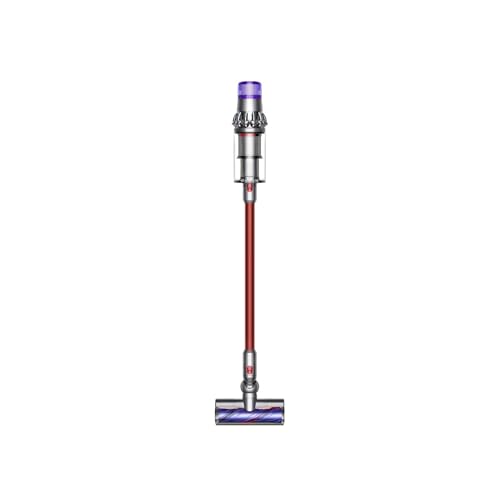
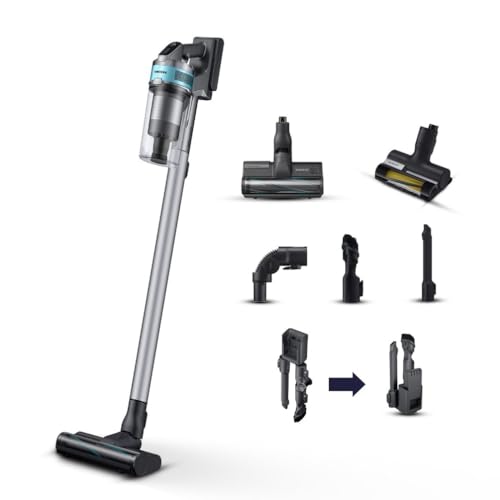
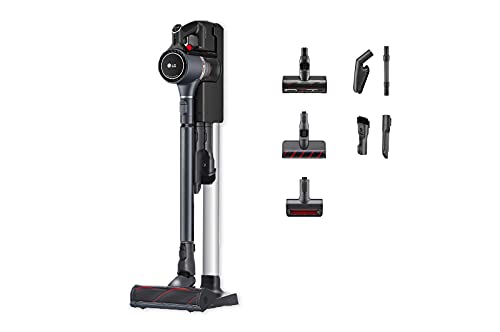
- Floorhead and suction control: Require a powered brush for carpet, effective edge sealing and a roller that can be removed for cleaning. Adjustable suction, an automatic mode or a bypass vent prevents high pressure from clamping the head to thick carpet and delicate rugs.
- Runtime or cord reach: Among models we reviewed, powerful cordless vacuums typically advertised about 65 minutes in a lower mode but only 10 minutes at maximum output, with charging near four hours. For corded cleaning, a 7–10 m cable plus hose and wand reach is more useful than peak power that cannot be controlled.
- Capacity and handling: Models we reviewed typically hold about 2 L and weigh around 4.5 kg, although sticks and canisters distribute the mass differently. Check bin or bag volume, handheld wrist load, stair carrying and whether the body remains stable when the hose changes direction.
- Noise and filtration: Models we reviewed typically reach around 80 dB, while 85 dB or more is loud for an extended session. A sealed exhaust path and accessible filters protect air quality, but clogged media also reduces airflow and can raise the sound level.
- Serviceability and package contents: Confirm that filters, bags, rollers, belts, batteries and floorheads are available for the exact model. Compare the included charger, spare battery, dock and specialist tools before deciding that one high-output package is better value.