
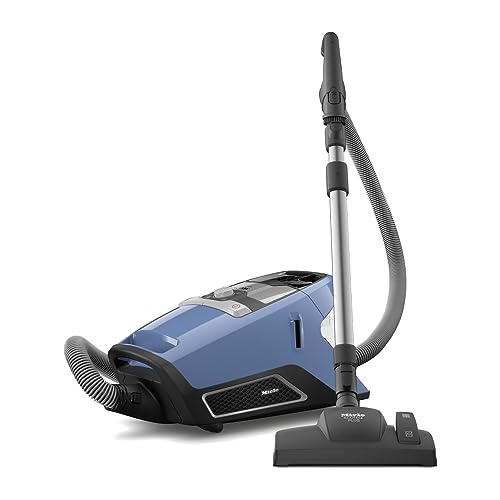
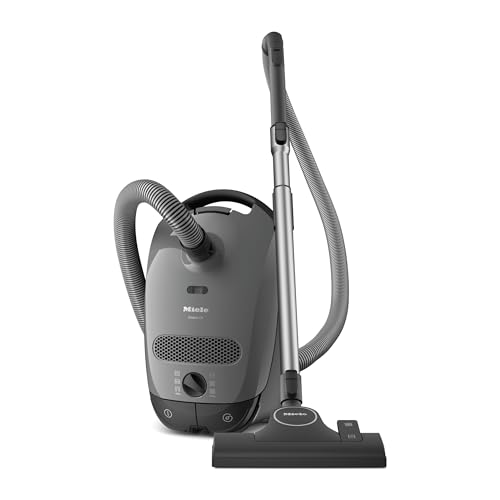
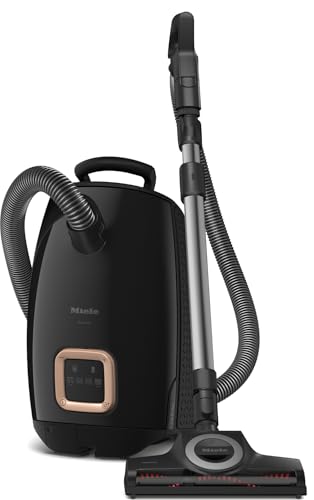
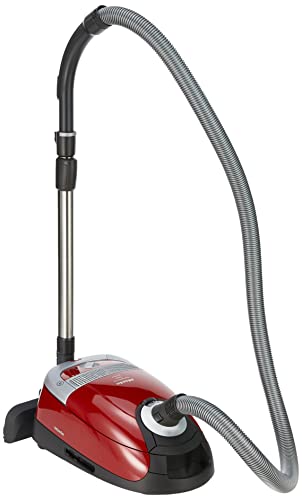
Are Miele vacuum cleaners good?
Miele vacuum cleaners have an average overall score of 7.2, ranking #21 among comparable vacuum-cleaner brands, and a user rating of 9.1, placing them at #7 based on user reviews.
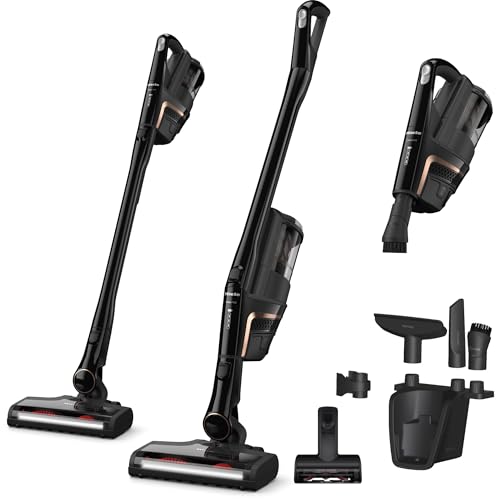
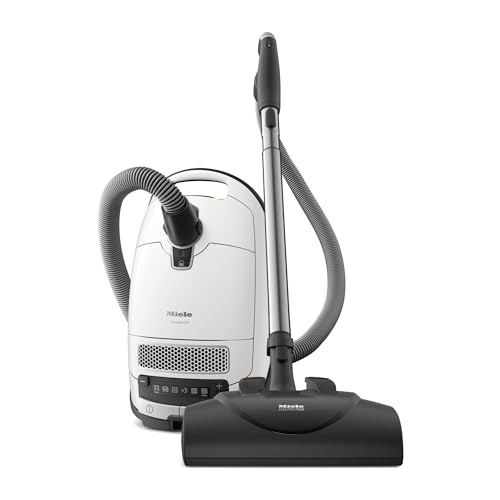
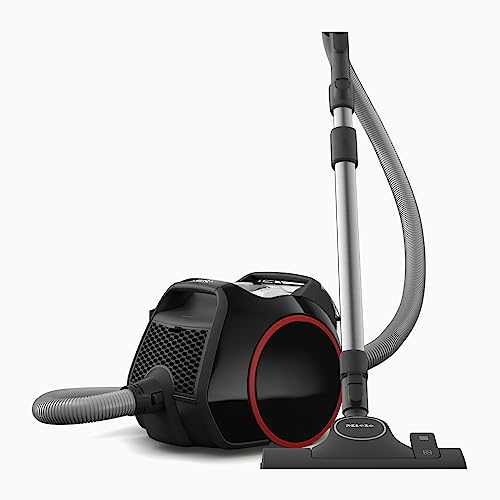
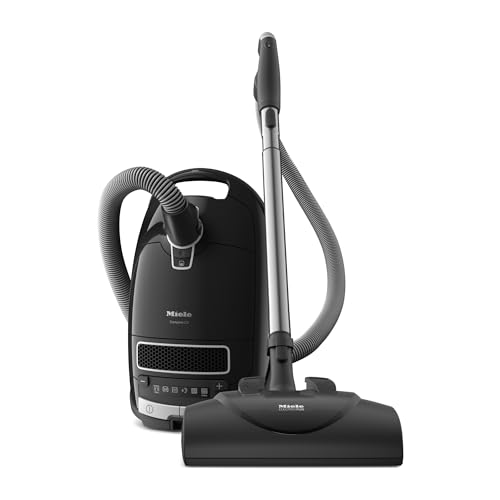
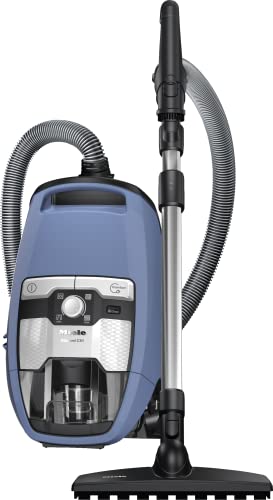
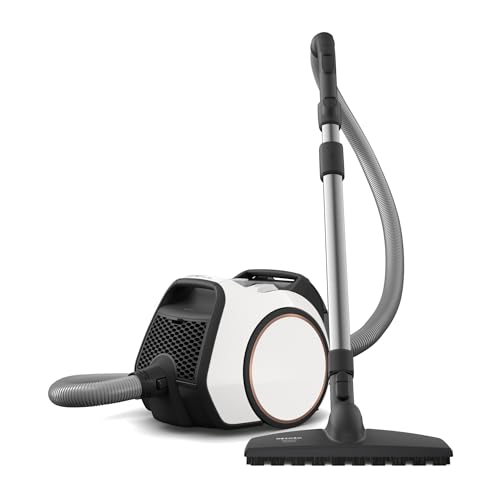
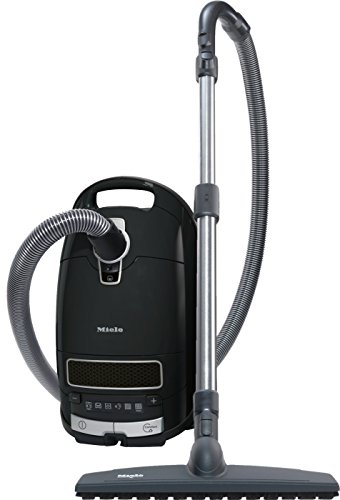
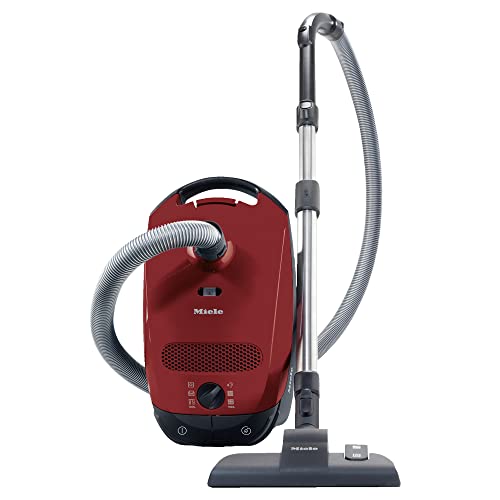
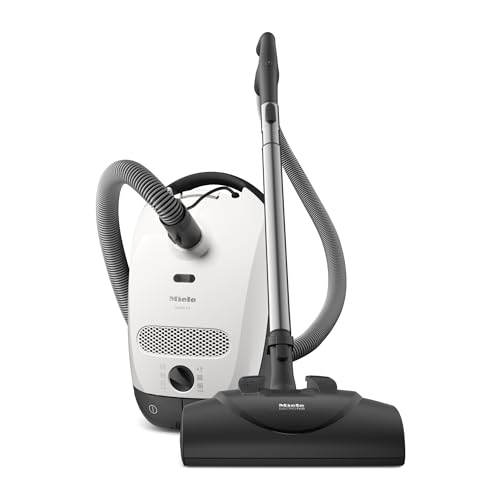
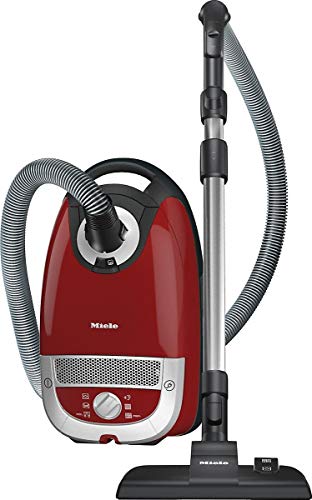
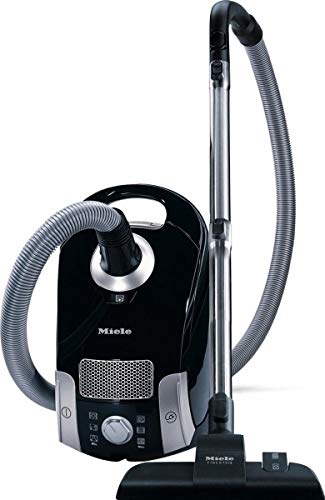
Miele vacuum cleaners are a strong choice for buyers who value sealed filtration, large hygienic bags, durable controls and a well-supported range of floorheads. Guard M1 and L1 models are especially suited to long whole-home sessions, while Boost CX1 addresses compact bagless storage and Duoflex or Triflex provides cable-free cleaning.
Miele vacuum cleaners justify their premium most clearly when the selected package solves a specific need: a turbo or electric brush for carpet, Parquet head for delicate floors, Active AirClean filter for pet odours or HEPA filtration for fine particles. A basic suction-only package can be poor value on deep carpet even when the canister itself is well made.
The chart below compares vacuum-cleaner brands by average overall score.
[horizontal-chart-05060405232908929908180547999782892589572867802681]
What are the main advantages of Miele vacuum cleaners?
The main advantages of Miele vacuum cleaners are as follows:
- Strong bagged systems: Guard and C-series canisters use bags around 3.5–4.5 L, reducing how often dust is handled. ComfortFit-style bag seating and a sealed filter path are useful for homes that prioritise clean disposal over avoiding consumables.
- Durable construction focus: Miele states that core models and components in its mains-operated bagged ranges undergo endurance testing intended to simulate long residential use. Robust tubes, parking systems and replaceable hoses make this more meaningful than a motor-wattage claim alone.
- Purpose-built filtration choices: Depending on model, buyers can select AirClean, Active AirClean or HEPA-class exhaust filters. The housing and correctly fitted bag are part of the system, so fine-dust control is not dependent on one filter label.
- Floor-specific packages: Parquet, Cat & Dog, Turbo and electrically powered-head variants target different surfaces. This lets hard-floor homes avoid an unnecessarily heavy carpet head while pet owners can select stronger agitation and odour control.
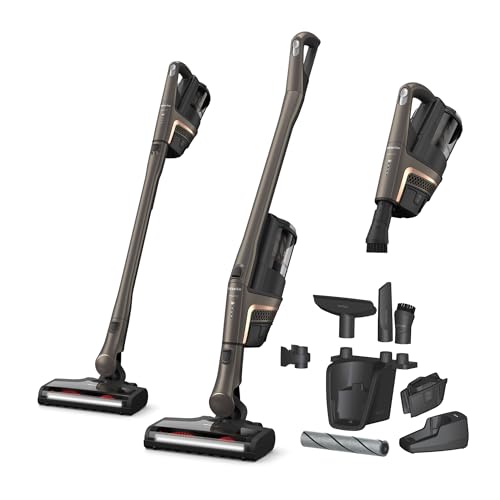
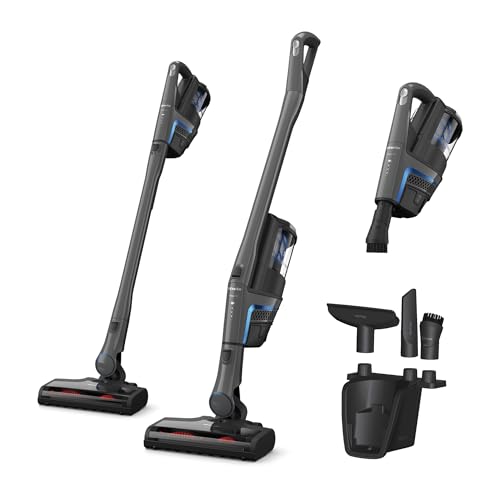
- Distinct cordless designs: Duoflex HX1 provides a conventional light stick layout with up to 55 minutes of runtime, while Triflex HX2 can reposition the motor unit for three handling modes and claims up to 60 minutes per battery. Buyers can therefore choose agility or configurable balance rather than one shared chassis.
What are the main disadvantages of Miele vacuum cleaners?
The main disadvantages of Miele vacuum cleaners are as follows:
- Above-average prices: New Miele vacuums commonly start around £170-£220, and premium cordless or powered-head packages can exceed £600-£900. The price is difficult to justify if a home needs only occasional hard-floor pickup.
- Ongoing bag and filter costs: Bagged models provide cleaner disposal but require the correct HyClean bag and periodic exhaust-filter replacement. Generic consumables may fit poorly and weaken the sealing advantage that buyers paid for.
- Heavy full-size models: Many Miele canisters weigh about 6–8 kg, and powered-head versions can approach 9–10 kg. Smooth wheels help on one floor, but stairs and frequent lifting demand a secure handle and realistic carry test.
- The model package can be confusing: Classic, Complete, Guard, Parquet and Cat & Dog labels do not guarantee the same head in every country. A suction-only universal head is not equivalent to a turbo or electrically driven carpet brush, so the material number and included tools must be checked.
- Cordless bins are small: Duoflex uses about 0.3 L and Triflex about 0.5 L, which may require frequent emptying in larger or pet-heavy homes. Maximum-power runtime is also much shorter than the 55–60-minute lower-mode headline, and an extra battery adds significant cost.
Who makes Miele vacuum cleaners?
Miele vacuum cleaners are made by Miele & Cie. KG, the German domestic-appliance company headquartered in Gütersloh. Engineer Carl Miele and businessman Reinhard Zinkann founded the company in nearby Herzebrock in 1899, initially producing cream separators with a workforce of eleven.
The company remains controlled by the Miele and Zinkann families rather than belonging to a larger public appliance group. Miele develops its floor-care systems as part of a broader premium appliance range and has a long-established production site in Bielefeld associated with vacuum-cleaner manufacturing.
This ownership history matters less than the exact model and regional package at purchase. Miele material numbers distinguish versions with different plugs, motors, floorheads and filters, so warranty and spare-part support should be matched to the authorised market even when the family name is identical.
What are the main series of Miele vacuum cleaners?
The main Miele vacuum-cleaner series are as follows:
- Guard S1, M1 and L1: Guard is Miele's current bagged cylinder generation. S1 is the compact entry, M1 balances a 4.5 L-class bag with roughly 11 m operating radius on selected models, and L1 adds premium controls, filtration and packages such as Silence or Cat & Dog.
- Classic C1, Compact or Complete C2 and Complete C3: These established bagged families cover compact entry bodies through larger premium canisters. Representative models include Classic C1 Junior, Complete C2 PowerLine and Complete C3 Cat & Dog; floorhead, cable and filter differences matter more than the C-number alone.
- Boost CX1: Boost CX1 is the compact 1 L bagless cylinder range, with TrackDrive wheels and Miele's Vortex air path. Standard, Parquet and Cat & Dog versions target different floors, but the small bin requires more frequent emptying than a Guard or Complete bag.
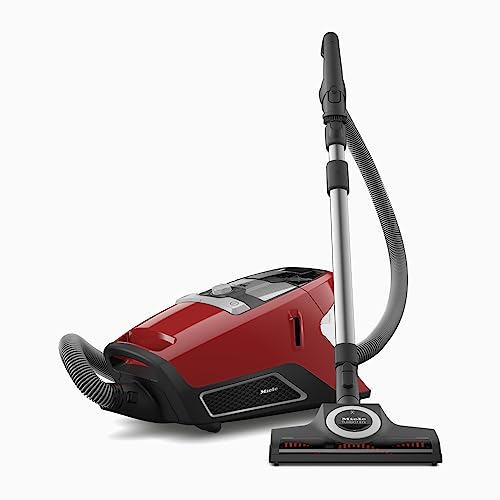
- Blizzard CX1: Blizzard CX1 is the larger 2 L-class bagless line, positioned above Boost for buyers who want more capacity and a full-size canister. Parquet and Cat & Dog packages change the cleaning heads, while the heavier 8 kg-class body is better rolled than carried.
- Duoflex HX1: Duoflex is the conventional-layout cordless stick, represented by Standard, Extra, CarCare and Total Care packages. It weighs about 3.1 kg, holds 0.3 L and claims up to 55 minutes, with an automatic electrobrush on selected versions.
- Triflex HX2: Triflex HX2 uses a repositionable motor unit for Comfort, Reach and Compact configurations. Standard, Cat & Dog and Pro versions claim up to 60 minutes per battery, while the Pro can extend cleaning with a second battery and charger; the design is versatile but costs more than Duoflex.
How much do Miele vacuum cleaners cost?
New Miele vacuum cleaners generally cost about £200-£900, with much of the range between £220 and £340. Classic C1 and Guard S1 models occupy the entry tier around £170-£220, while Guard M1, Boost CX1 and many Complete C3 packages cluster around £220-£340.
From roughly £340 to £520, buyers can expect a better floorhead package, premium filtration, a larger Blizzard CX1 body or a Duoflex cordless configuration; Triflex HX2 variants and premium powered-head packages can reach £500-£900 or more. The package should match the floor, and at the upper end the number of batteries, powered tools, filter type and local parts support should justify the premium—a second battery and charger can matter, while a colour or minor accessory cannot.
The chart below shows the price distribution of Miele vacuum cleaners.
[vertical-chart-12338407493347534191074231186909118248022546450719]
How do Miele vacuum cleaners compare with Philips?
Miele is generally the better choice than Philips when you prioritise large hygienic bags, premium canister construction, specialised filters and long-term parts support. Philips is usually less expensive and has a particularly broad bagless canister range built around PowerCyclone separators and TriActive floorheads.
Based on our research, a new Miele vacuum averages roughly £340, compared with about £170 for Philips. Miele bagged canisters commonly provide 3.5–4.5 L capacity and selected models operate near 60–75 dB, while Philips bagless canisters often hold roughly 1.3–2.2 L and many fall near 70–80 dB; compare the exact operating mode and test method.
Choose Miele for cleaner bag disposal, Guard or Complete floorhead options and the Duoflex or Triflex premium cordless systems. Choose Philips when value, compact PowerPro bagless cleaning or an Aqua cordless head matters more, but verify local availability because Philips vacuum ranges differ substantially by country.
What should you check before buying a Miele vacuum cleaner?
You should check the following factors before buying a Miele vacuum cleaner:
- Series and dust system: Choose Guard or a C-series model for sealed bags, Boost CX1 for a compact 1 L bagless body, Blizzard CX1 for about 2 L of bagless capacity, or Duoflex and Triflex for cordless use. For a larger home, aim for a 3.5–4.5 L bag rather than selecting only by canister size.
- Floorhead and suction control: Match a Parquet head to delicate hard floors, a turbo brush to rugs and pet hair, or an electrically powered head to demanding carpet. When comparable air-watt figures are available, about 150 AW suits routine mixed floors and 170–200 AW or more gives greater carpet headroom; motor input such as 890 or 1,200 W is not suction output.
- Filtration and consumables: Select AirClean for normal use, Active AirClean when odour control matters, or HEPA filtration for finer exhaust filtration. Confirm the exact HyClean bag and filter reference, how often each is replaced and whether the housing remains sealed when the bag is installed.
- Runtime or operating radius: For Duoflex or Triflex, aim for 55–60 minutes in a lower mode, at least 12–15 minutes at maximum power and charging within four hours. For a corded Miele, prefer a cable around 7.5–8.5 m and total operating radius near 11–12 m in a larger home.
- Weight and storage: A cordless Miele around 3.1–3.6 kg is manageable when the head supports its weight, while canisters around 6–8 kg should have smooth wheels and a secure stair handle. Measure the parked hose, tube and head as well as the body; Triflex also needs space for the chosen motor position and charger.
- Capacity and noise: A 0.3–0.5 L cordless bin suits short sessions but will fill quickly with pet hair, whereas a 4.5 L bag reduces interruptions. Prefer about 75 dB or below for frequent cleaning and consider a Silence variant near the low-60 dB range when noise is a priority.
- Exact package and ownership cost: Check the Miele material number for the supplied head, mini turbo tool, filter, battery and charger because names vary by market. Add several years of bags or filters and price replacement batteries, hoses and brush heads before deciding whether a higher initial price offers better long-term value.