
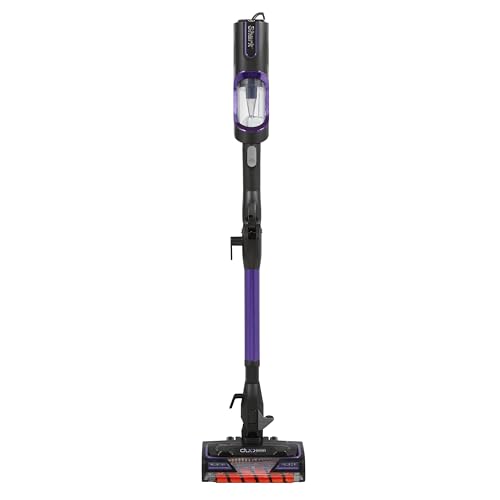
Are Shark vacuum cleaners good?
Shark vacuum cleaners have an average overall score of 8.2, ranking #3 among comparable vacuum-cleaner brands, and a user rating of 9.3, placing them at #2 based on user reviews.
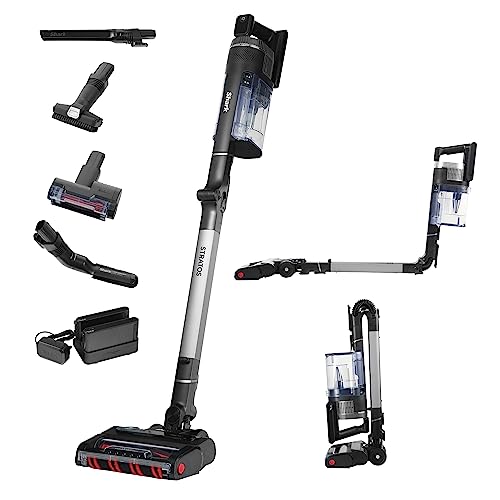
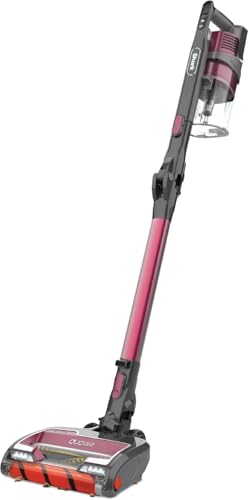
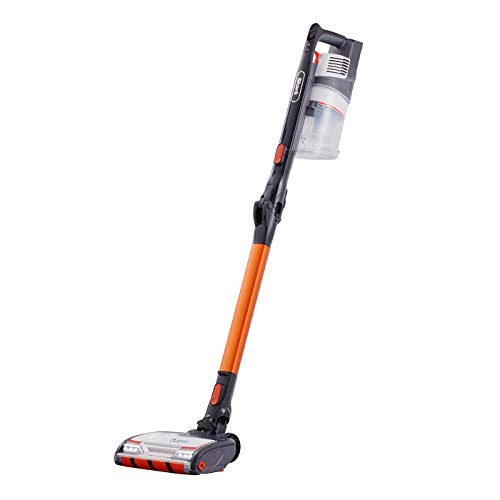
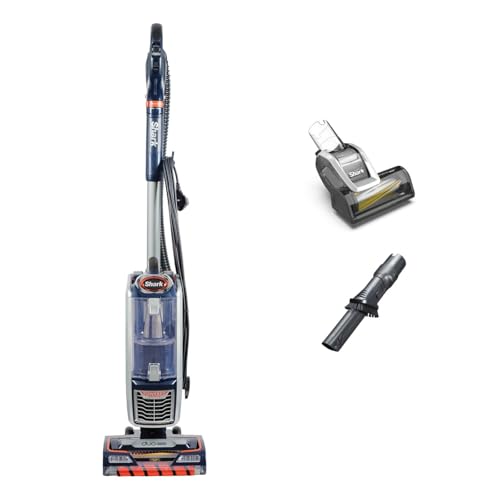
Shark vacuum cleaners are a good choice for mixed floors and pet homes that value brush-roll design. DuoClean heads combine a soft front roller with a carpet brush, Anti Hair Wrap reduces manual cutting, and Lift-Away uprights let the canister detach for stairs without becoming a small handheld.
Shark vacuum cleaners can be confusing to compare because IZ, IA, IW and IP cordless families overlap in price while NV, NZ and AZ identify several upright generations. Compare the exact head, battery count, ready-to-clean weight and bin size rather than choosing by suffix alone.
The chart below compares vacuum-cleaner brands by average overall score.
[horizontal-chart-05060405232908929908180547999782892589572867802681]
What are the main advantages of Shark vacuum cleaners?
The main advantages of Shark vacuum cleaners are as follows:
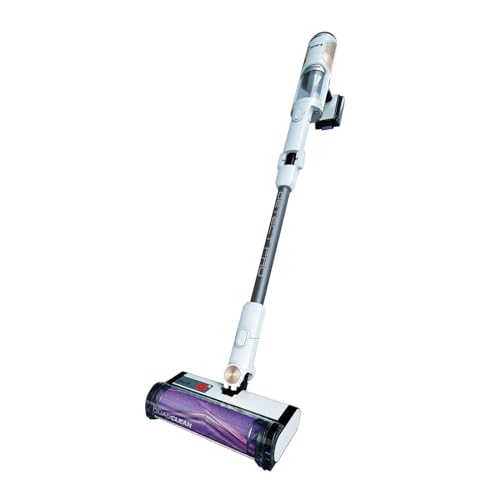
- Strong floorhead engineering: DuoClean and PowerFins heads maintain contact on hard floors and carpet, while soft front rollers collect fine dust and larger particles.
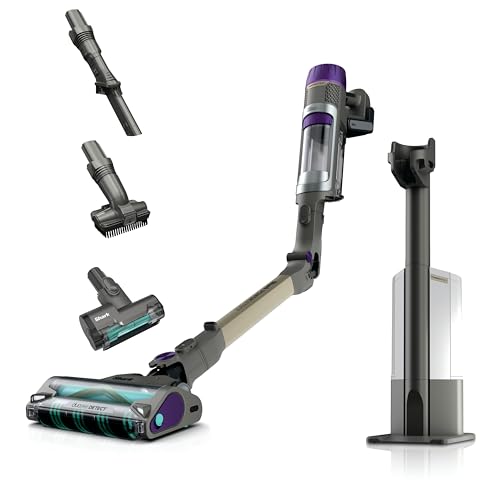
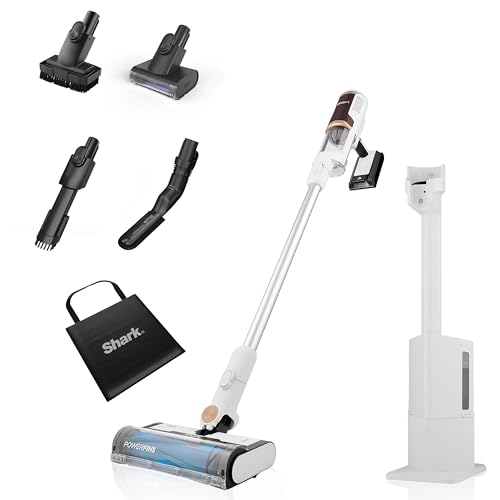
- Hair management: Anti Hair Wrap combs remove much of the long hair from the roller during use. Pet packages also add a mini motorised tool for upholstery and stairs.
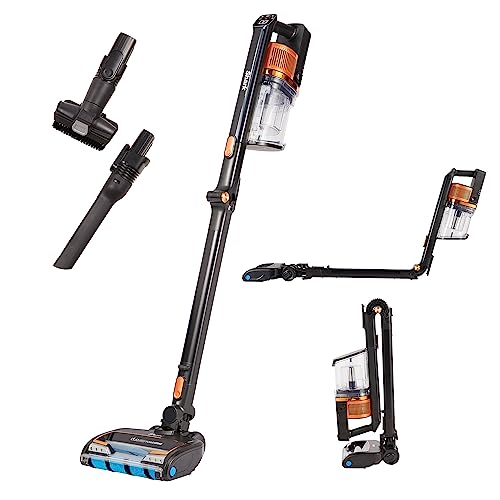
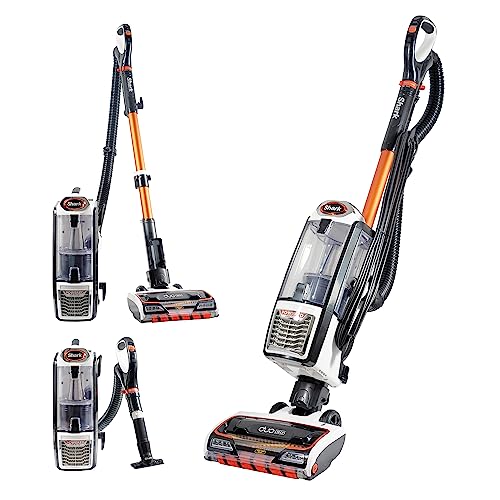
- Useful body transformations: Flexology wands bend under furniture and fold for storage; Lift-Away uprights detach the canister so the powered head or hose can reach awkward areas.
- Broad power-source choice: Buyers can select a quick cordless stick, continuous corded HZ stick or larger NV/NZ/AZ upright without giving up familiar Shark heads.
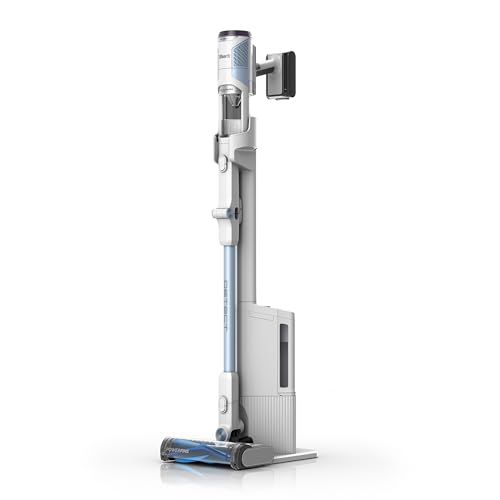
- Automatic options: Detect Pro and PowerDetect models adjust suction or brush behaviour according to dirt, edges and floor type, reducing the need to run maximum power everywhere.
What are the main disadvantages of Shark vacuum cleaners?
The main disadvantages of Shark vacuum cleaners are as follows:
- Heavier floorheads and bodies: Twin-roller heads and Lift-Away mechanisms improve versatility but add mass. Many Shark sticks weigh around 3–4.5 kg, and uprights can exceed 6 kg.
- Dense regional naming: An IZ400, IZ420 and regional colour suffix may use similar bodies with different batteries or tools. UK, EU and US packages are not necessarily equivalent.
- Runtime claims need context: Figures of 60–70 minutes may use one battery, low power and a non-motorised tool. DuoClean and Boost reduce duration.
- More brush maintenance than the name suggests: Anti Hair Wrap reduces tangles but thread, fibres and packed debris still need removal from both rollers and intake channels.
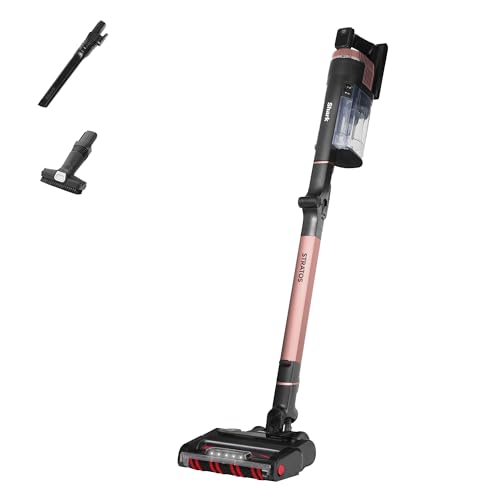
- Premium prices: Recent PowerDetect and Stratos cordless packages can cost £300-£500, close to high-end Dyson, Samsung or LG models.
Who makes Shark vacuum cleaners?
Shark is a floor-care brand of SharkNinja, the US-based product company behind Shark cleaning appliances and Ninja kitchen products. Models are designed for specific regions and manufactured through international supply chains.
The regional code is important: UK, EU, US and French versions can differ in voltage, plug, battery, floorhead and warranty even when the family name looks the same.
Order filters, rollers, batteries and station bags by the complete model code from the rating label. A part advertised for “Shark IZ” is not automatically compatible with every IZ generation.
What are the main series of Shark vacuum cleaners?
The main Shark vacuum-cleaner series are as follows:
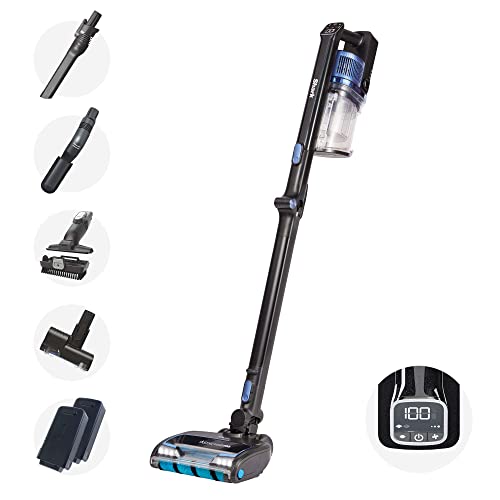
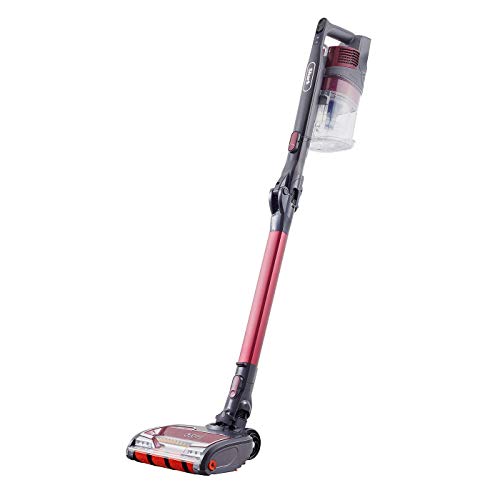
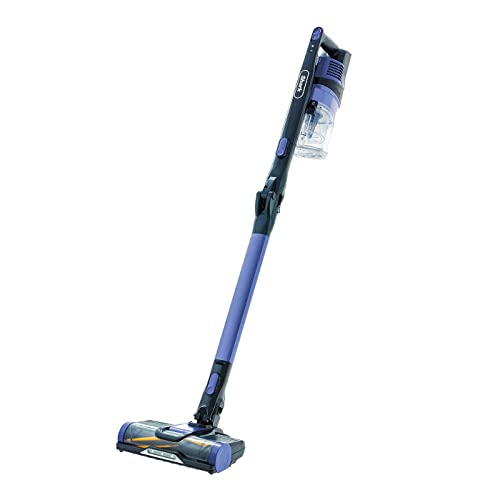
- IZ Anti Hair Wrap and Flexology: These are established cordless sticks with bending wands and hair-control heads. Battery count and pet-tool packages vary by the complete model code.
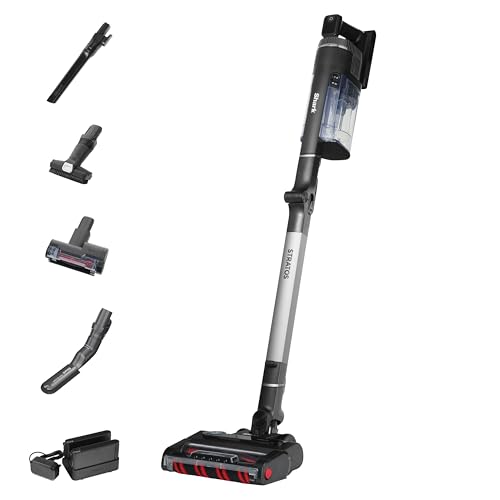
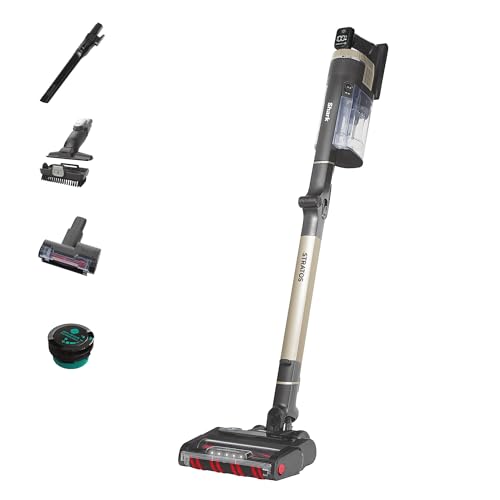
- IZ400 and IZ420 Stratos: These premium IZ models add stronger DuoClean PowerFins heads and Clean Sense IQ on selected versions. They target mixed floors and heavier pet-hair cleaning.
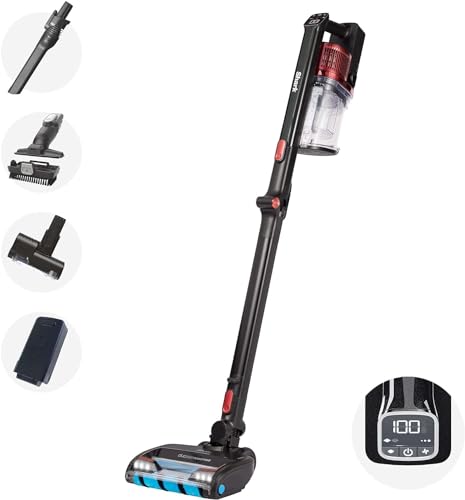
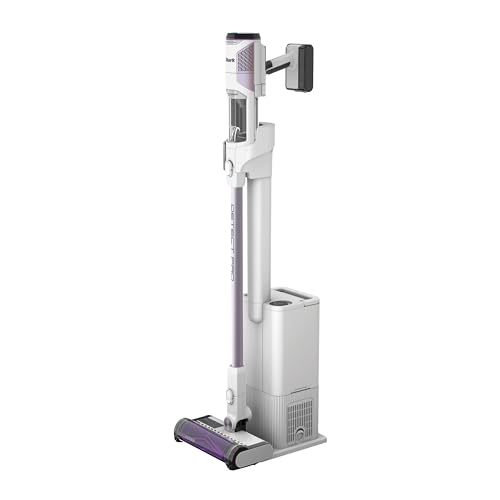
- IW Detect Pro: IW models focus on a lighter body and automatic dirt, edge or floor response. Some packages include an auto-empty dock.
- IP PowerDetect: This is Shark’s newer premium cordless branch, adding more advanced sensing and reverse-direction pickup features. It suits buyers who want the most automated floor response.
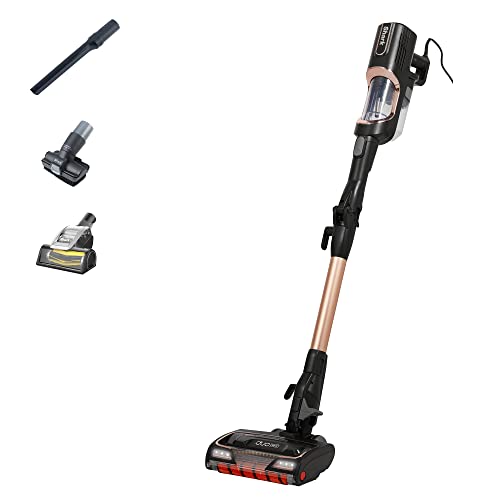
- HZ: HZ models are corded sticks for buyers who want Shark’s floorhead design without managing a battery. They provide continuous operation but retain a cable.
- NV, NZ, AZ and ICZ: NV and NZ are Lift-Away uprights, AZ is a premium upright branch, and ICZ combines an upright body with cordless power. Their weight and bin capacity differ markedly from handsticks.
- IA, BU and CZ: IA and BU cover newer Detect or auto-empty cordless formats in some markets, while CZ identifies canister-style models. Compare the full regional code because these families are not globally uniform.
How much do Shark vacuum cleaners cost?
Shark vacuum cleaners generally cost about £130-£520, with many models between roughly £190 and £340. Corded HZ sticks and basic NV/NZ uprights usually occupy the £130-£220 range.
Mainstream IZ cordless and better uprights tend to cost £220-£340. Stratos, Detect Pro, PowerDetect and auto-empty packages can reach £300-£500. At the top end, require a useful second battery, dock, stronger head or measurable handling benefit.
The chart below shows the price distribution of Shark vacuum cleaners.
[vertical-chart-09406159837598114380160473256355759787202407266390]
How do Shark vacuum cleaners compare with Dyson?
Shark generally offers more mid-priced uprights, flexible wands and twin-roller heads than Dyson. Dyson concentrates on lighter premium cordless bodies, high published air-watt figures and hard-floor illumination or particle sensing.
Based on our research, Shark cordless vacuums average roughly 140 AW and around £330, while Dyson cordless models average about 160 AW and £430. Both brands average close to 55 minutes in a lower mode, but battery count and powered-head use can change that comparison.
Choose Shark when DuoClean, Anti Hair Wrap, Flexology or Lift-Away directly suits the floors. Choose Dyson for a lighter V12, stronger V15/Gen5detect output or Fluffy hard-floor head. The exact head and ready-to-clean weight are more decisive than the badge.
What should you check before buying a Shark vacuum cleaner?
Consider the following factors before buying a Shark vacuum cleaner:
- Format: Choose an IZ/IW/IP cordless stick for mobility, an HZ corded stick for continuous compact cleaning, or an NV/NZ/AZ Lift-Away upright for carpet capacity and hose reach.
- Head design: DuoClean suits mixed floors, PowerFins increases surface contact and Anti Hair Wrap targets long hair. Confirm whether the exact package uses one or two rollers.
- Runtime or cable: Cordless claims are commonly 40–70 minutes in low mode; check Boost and powered-head duration. For corded models, measure total reach rather than cable alone.
- Weight and transformation: Stick vacuums often weigh around 3–4.5 kg, and uprights can exceed 6 kg. Test Flexology steering, Lift-Away carrying and handheld balance on stairs.
- Bin and filtration: Capacity ranges from compact stick bins near 0.4–0.8 L to upright bins around 1–1.5 L. Look for a sealed anti-allergen path and maintain both pre- and post-motor filters.
- Battery or dock: Verify battery count, removable-pack availability and whether an auto-empty dock uses proprietary bags. A dock needs ventilation and permanent space near a socket.
- Regional code: UKT, EUT and colour suffixes can change tools and power specifications. Use the full label when checking rollers, filters, batteries and warranty.