Which brands make the best bagless vacuums in 2026?
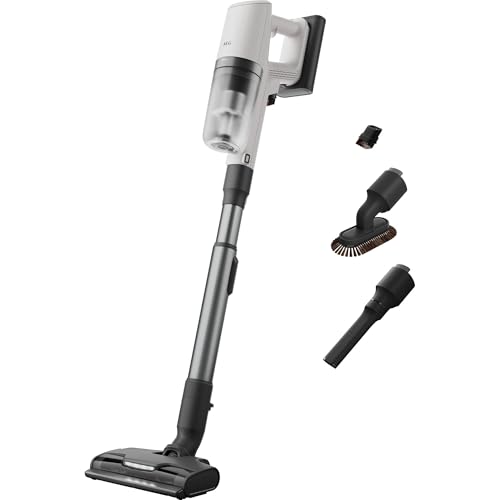
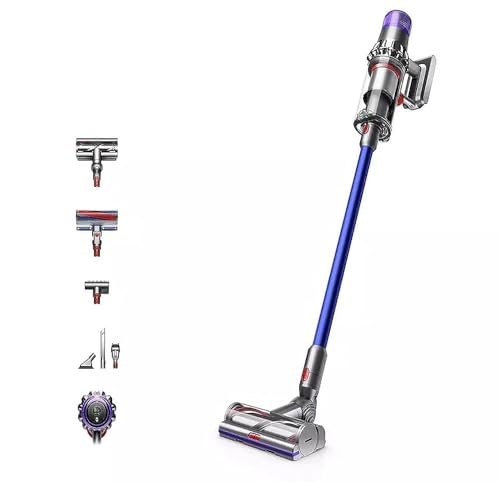
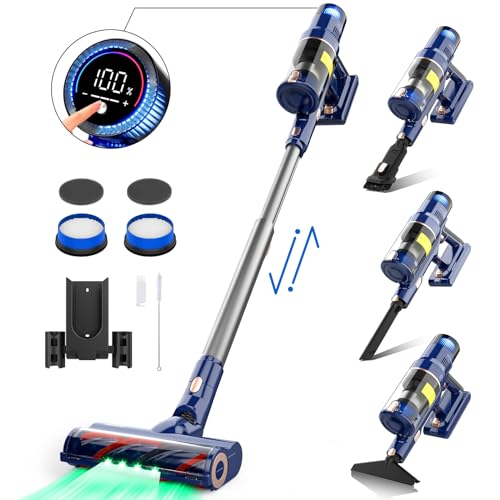
The best bagless-vacuum brands in 2026 are ranked below:
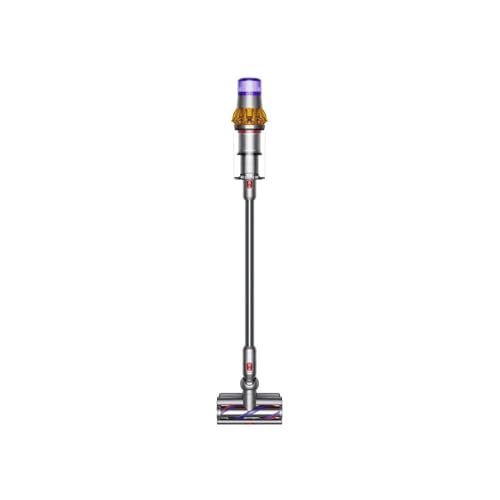
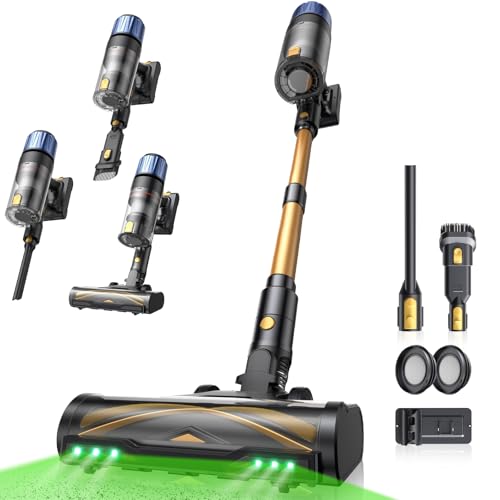
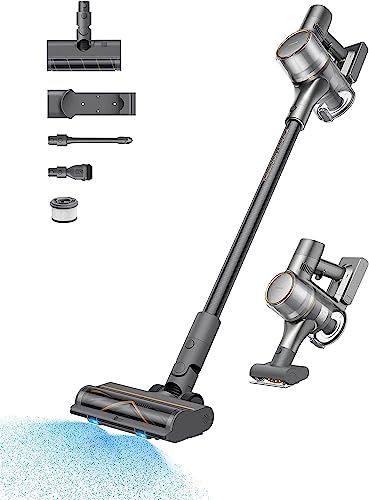
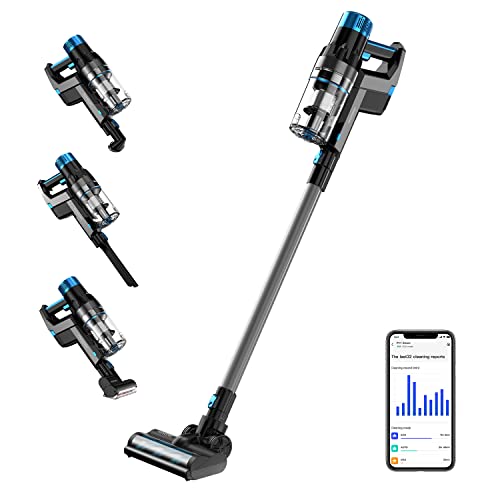
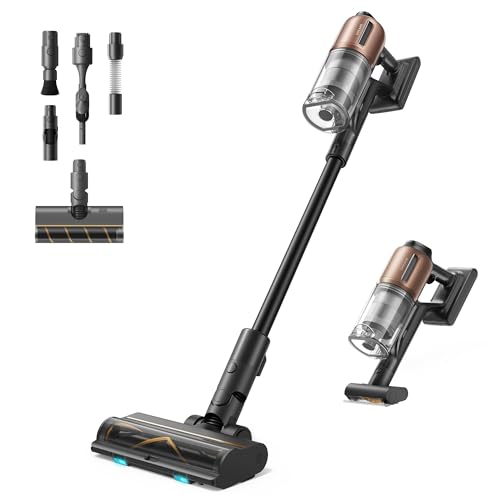
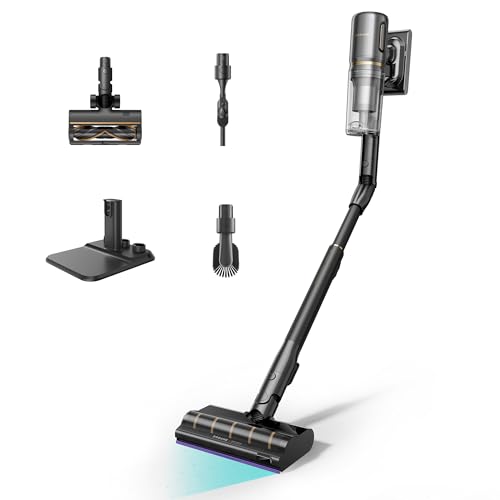
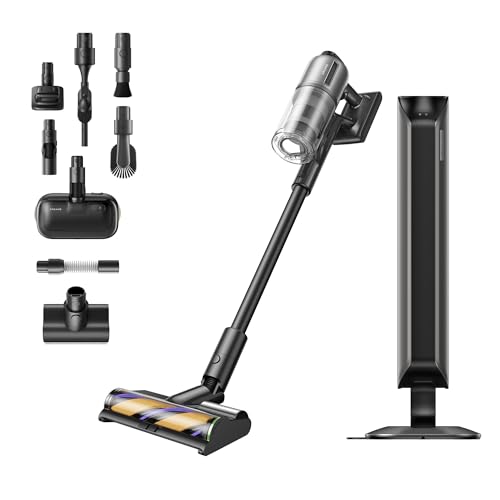
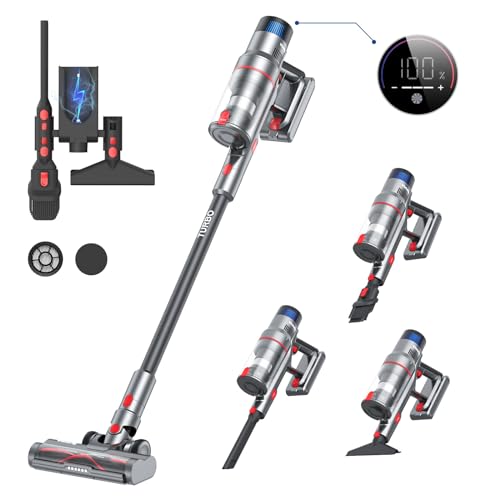
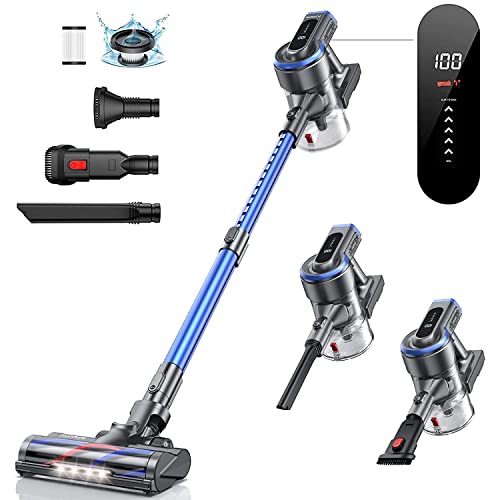
- BuTure (Average overall score: 8.5)
- Dreame (Average overall score: 8.4)
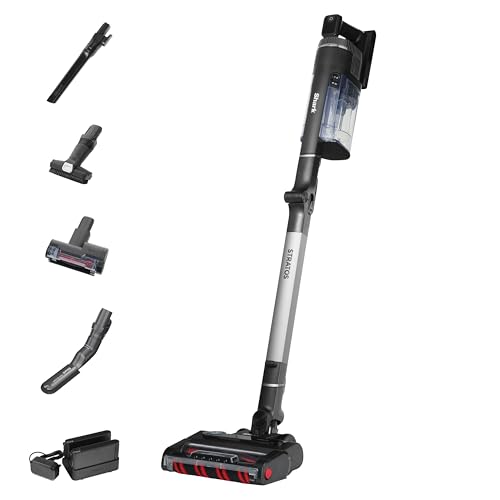
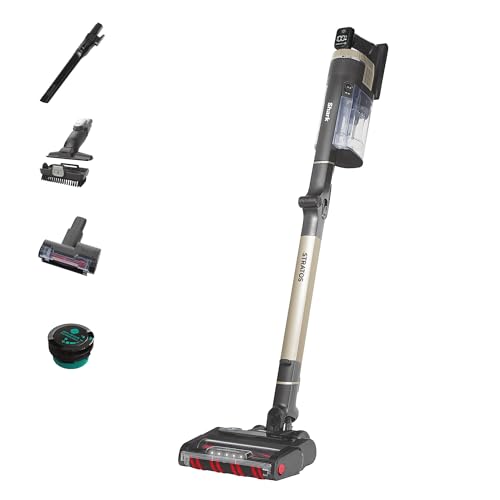
- Shark (Average overall score: 8.2)
- Proscenic (Average overall score: 8.2)
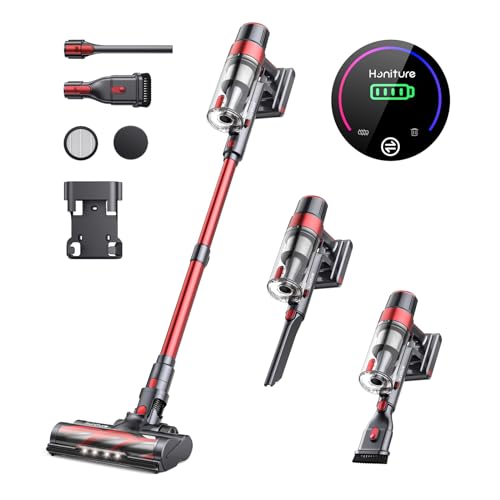
- HONITURE (Average overall score: 8.2)
The chart below ranks bagless-vacuum brands by average overall score.
[horizontal-chart-04216195250558965961154000497861408595823257095481]
When should you consider buying a bagless vacuum?
You should consider a bagless vacuum if you prefer emptying a reusable container instead of buying and storing replacement bags. A clear bin also shows when the vacuum is full and makes it easier to recover an object collected accidentally.
Bagless designs suit frequent cleaning because there is no bag to install before use, and compact cyclone assemblies fit well in stick and upright bodies. A canister version provides a larger container and places more weight on the floor.
The compromise is maintenance and dust exposure. Fine material can escape during emptying, while dirty filters or a clogged cyclone reduce airflow; a bagged model is usually cleaner to dispose of and may require less frequent internal cleaning.
Are bagless vacuums better than bagged models?
Bagless vacuums are better than bagged models for avoiding replacement-bag costs and seeing collected debris, but their containers are much smaller on average. Bagless models hold around 1 L, compared with about 4 L for bagged vacuums, so pet hair and bulky debris interrupt bagless cleaning more often.
Bagged vacuums are better for cleaner disposal and longer intervals between emptying. Replacement bags commonly cost about £0-£5 each, while bagless models instead require cyclone, shroud and filter cleaning; neither design is maintenance-free. Cleaning performance depends more on suction, airflow, sealing and floorhead design than on the container type.
What bin capacity should a good bagless vacuum have?
A bagless stick vacuum should usually have about 0.5–0.8 L of capacity, while a canister or upright benefits from roughly 1–2 L. Containers below 0.4 L suit quick pickup but fill rapidly with pet hair; more than 2 L reduces emptying on large floors but makes the body bulkier.
Usable capacity can be lower than the headline volume because filters, cyclone shrouds, and maximum-fill lines occupy space. A wide opening and a mechanism that pushes compacted debris out are more useful than a small increase in litres if emptying otherwise requires reaching into the bin.
Choose capacity from the amount of debris collected in one normal session. Emptying before the maximum line protects the cyclone path and is preferable to carrying unnecessary container volume every time the vacuum is used.
The chart below compares bin capacities across bagless vacuums.
[vertical-chart-14396144437766915963002328593294987287471293544683]
How do bagless vacuums maintain suction?
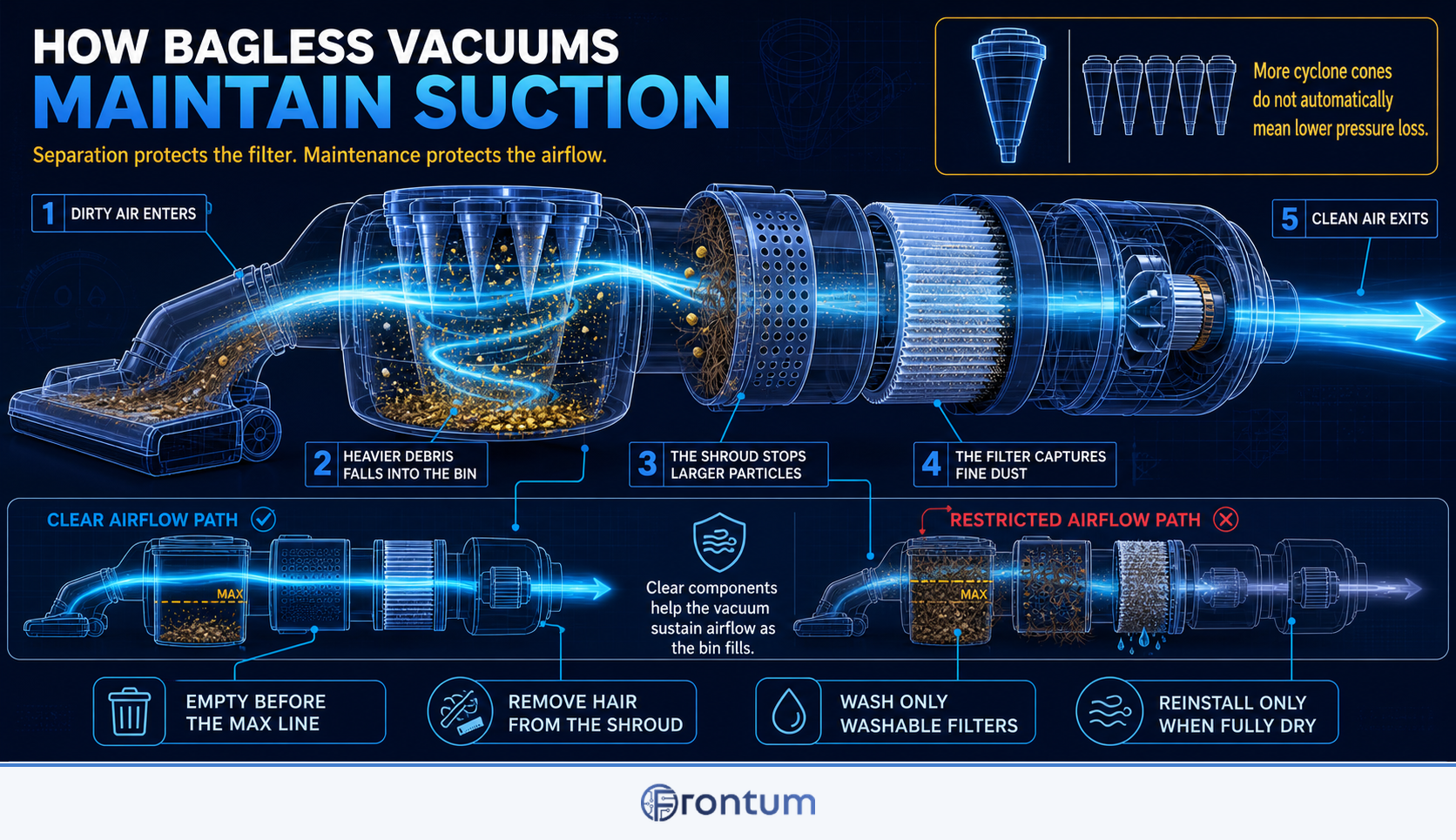
Bagless vacuums maintain suction by separating debris from the airflow before it reaches the filter and by keeping the cyclone, shroud, and exhaust path unobstructed. Multi-cyclone systems can separate smaller particles across several cones, but cone count alone does not guarantee lower pressure loss or easier maintenance.
Empty the bin before the maximum line, remove hair from the shroud, and wash only the filters the manufacturer identifies as washable. A filter that is reinstalled damp can restrict airflow and develop odours, so follow the stated drying time and keep a spare filter when the vacuum is used daily.

How much do bagless vacuums cost?
Bagless vacuums generally cost about £40-£430, although simple handheld, stick, or compact canister models can start below £40. Many everyday choices fall around £100-£300, while premium cordless systems and automatic-emptying docks can reach approximately £600-£900.
Entry-level products usually have simpler cyclone layouts, smaller bins, basic heads, or fixed batteries. Mid-range models should improve sealing, floorhead design, filter access, and emptying, while premium prices should bring measurable gains such as longer useful runtime, stronger sustained output, or a serviceable dock.
Include replacement filters, batteries, and rollers in the ownership cost. Avoid paying extra only for a larger cyclone count or peak suction number that is not measured in a comparable mode.
The chart below shows the price distribution of bagless vacuums.
[vertical-chart-13791376525254792813157865072080488543330929556440]
What should you check before buying a bagless vacuum?
You should check the following factors before buying a bagless vacuum:
- Bin capacity and emptying: Around 0.5–0.8 L suits a stick vacuum, while roughly 1–2 L is more practical for canister or upright cleaning. Check the maximum-fill line, opening width, debris-ejection mechanism, and whether the bin can be removed without releasing dust near the face.
- Suction power: Around 100–200 AW or 15–25 kPa covers many household models, but air watts and kilopascals are not interchangeable. Compare the same metric and operating mode, then check whether suction remains stable as fine dust reaches the filter.
- Cyclone and filter access: A single- or multi-cyclone system should keep visible debris away from the pre-filter and allow hair to be removed from the shroud. Confirm which filters are washable, the required drying time, and whether replacements are available.
- Cord or battery: Cordless models commonly provide about 40–60 minutes in eco mode, 8–15 minutes at maximum power, and a four-hour recharge. For corded models, look for roughly 6–10 m of cable or a clearly stated operating radius.
- Weight and cleaning width: Around 2–3 kg and 230–270 mm suit many sticks, while canisters commonly weigh about 4–7 kg with a head near 250–300 mm. Compare handheld weight, steering, stair handling, and access beneath furniture.
- Noise and floorhead: Roughly 70–75 dB is comparatively restrained, while 80–89 dB is loud for sustained cleaning. Check powered carpet agitation, a suitable hard-floor roller, edge pickup, adjustable sealing, and hair resistance.
- Sealing and replacement parts: A HEPA-labelled filter cannot clean air that bypasses it, so look for a sealed exhaust path where fine-particle retention matters. Verify local prices for filters, batteries, rollers, bins, seals, and any dock bags before buying.