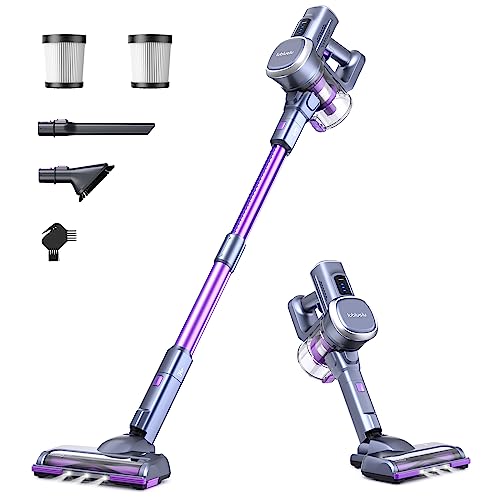
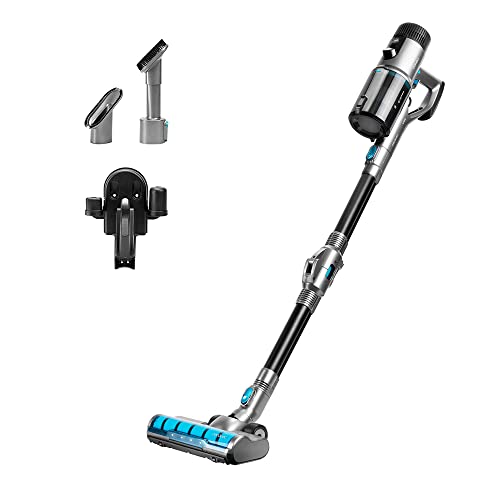
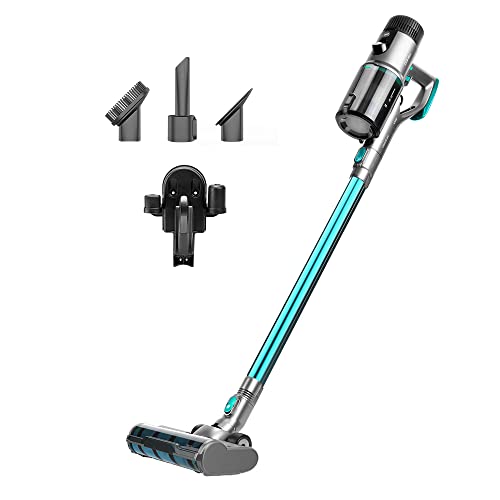
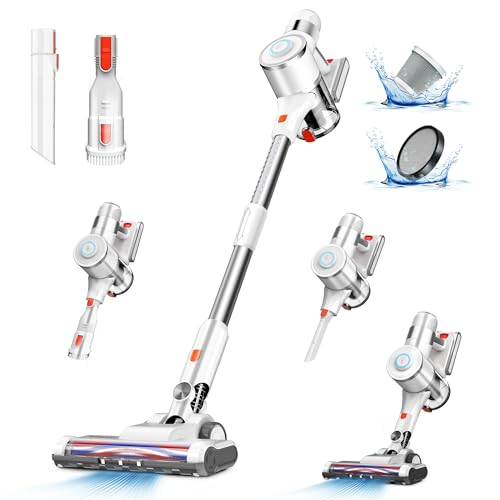
Which brands make the best cheap vacuums in 2026?
The best cheap-vacuum brands in 2026 are ranked below:
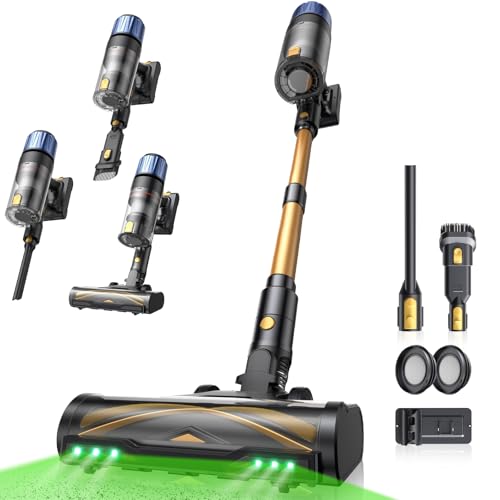
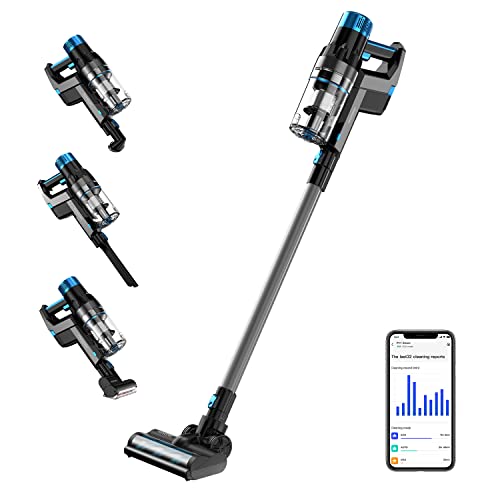
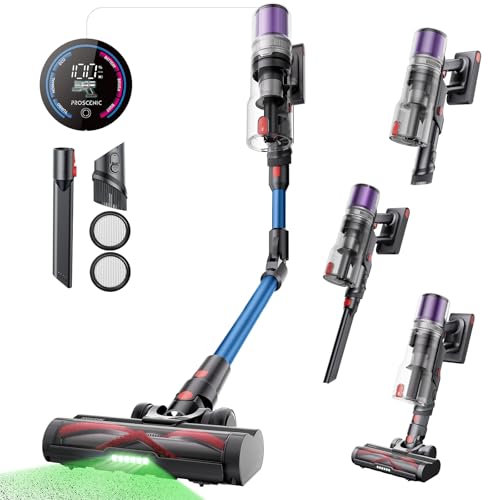
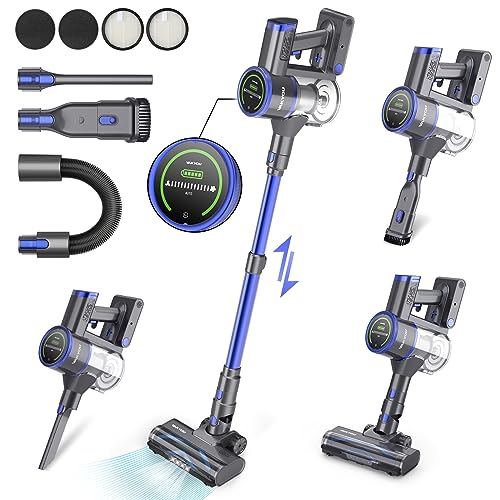
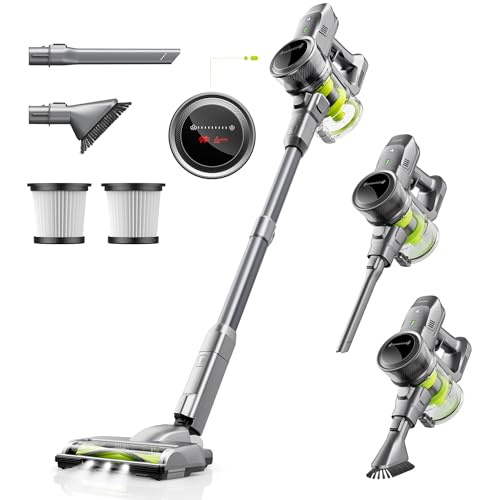
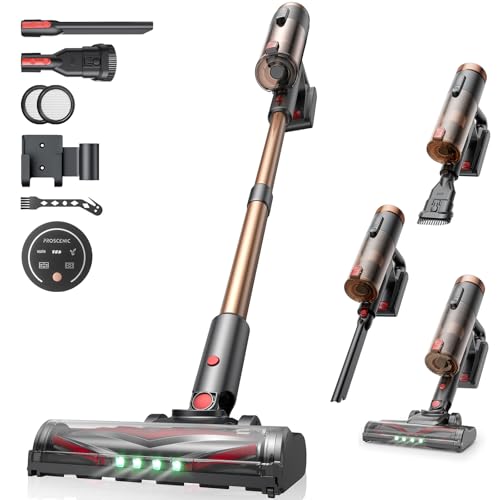
- Proscenic (Average overall score: 8.5)
- Akitas (Average overall score: 7.3)
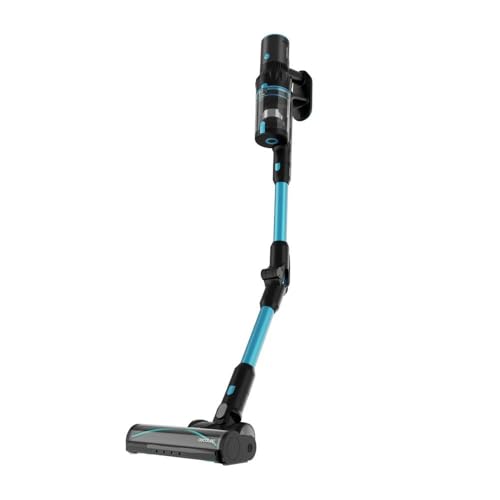
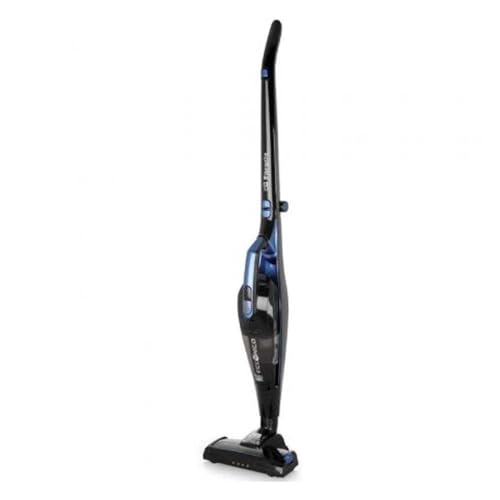
- Rowenta (Average overall score: 7.2)
- Vax (Average overall score: 7.2)
- INSE (Average overall score: 7.1)
The chart below ranks cheap-vacuum brands by average overall score.
[horizontal-chart-09661792384684537874128257690686353175640232149908]
What is considered a cheap vacuum cleaner?
A vacuum cleaner is considered cheap when it costs no more than about £100, although the meaning changes with the format. Below £40, the market is dominated by handhelds and very simple corded designs; around £60-£100, full-size canisters and basic powered sticks become much easier to find.
Price should refer to a usable package. A cordless body without its battery or charger and a canister without the required floorhead are not genuinely cheaper once the missing parts are added.
Affordable models can still provide effective everyday pickup, but fewer tools, simpler filtration and limited replacement-part support are common. A sale on an established model is usually a safer low-cost choice than an unfamiliar vacuum whose filters, rollers or battery cannot be replaced.
The chart below shows the main vacuum formats available for up to £100.
[pie-chart-04500220922349801377064398052816717208773927371988]
Are cheap vacuums worth buying?
Cheap vacuums are worth buying for hard floors, small homes, stairs and routine debris when the floorhead and power source match the intended job. A well-designed corded canister around £90 can provide strong continuous pickup, while a budget cordless stick is useful for quick cleaning and easier storage.
They are less convincing as the only vacuum for thick carpet, heavy pet hair or a large home when the model has a weak passive head, a fixed battery or poor parts support. The low purchase price remains good value only when filters, rollers and batteries last long enough and the machine completes the normal cleaning session without repeated passes.
Cheap corded vacuums generally deliver stronger sustained output than cheap cordless models. In our research, products with published figures averaged around 170 AW and 30 L/s for corded designs, compared with roughly 70 AW and 15–20 L/s for cordless designs.
Published pressure figures for both groups were close to 20 kPa, showing why kPa, AW and airflow cannot be treated as interchangeable. Floorhead sealing and brush agitation still decide whether the available output lifts carpet dirt or merely moves air at the motor unit.
For hard floors and crumbs, a moderate-output model with a clean filter and an effective 230–270 mm head can perform well. Thick carpet and pet hair require a powered brush roll or turbine head; without one, a larger motor or suction claim may not prevent repeated passes.
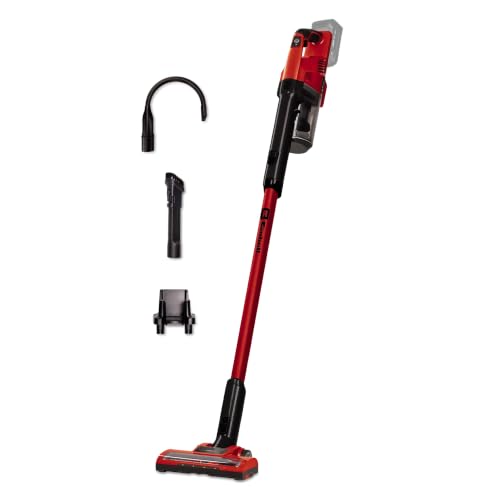
In our research, budget cordless models typically advertised around 40–45 minutes in a lower mode and 15–20 minutes at maximum power, while corded models maintain their selected setting continuously. Match the realistic high-power duration or cable reach to the floor area rather than relying on the longest advertised figure.
What compromises are common on cheap vacuums?
The most common compromises on cheap vacuums are as follows:
- Floorhead design: Entry-level models may use a passive combination head with weaker carpet agitation and less effective edge pickup. Check whether a powered roller, turbine brush or parquet head is included rather than optional.
- Battery and charging: Based on our research, cheap cordless models typically advertise around 40–45 minutes in a lower mode, 15–20 minutes at maximum power and four to five hours to recharge. Fixed batteries and unavailable replacements can limit the useful life of the whole vacuum.
- Filtration and sealing: A HEPA-labelled filter does not guarantee clean exhaust when air bypasses it through the body. Basic designs may also need more frequent filter washing to prevent airflow loss.
- Noise and handling: Models we reviewed commonly reached around 75–80 dB, while poorly damped designs can exceed 85 dB. Low price does not ensure low weight; many models weigh roughly 3.5–4 kg, and balance matters more than the total during handheld use.
- Tools and parts support: Small accessory sets, short hoses and basic docks are common. Confirm the local availability of filters, belts, rollers, bags, batteries and chargers before treating the lowest purchase price as the best value.
How much do cheap vacuums cost?
Cheap vacuums generally cost about £20-£90, with many practical options near £90. Models below about £40 form the most basic end of the market, while roughly £40-£90 covers most of the useful budget range.
Below £40, expect handhelds, compact corded units or a basic tool set. From about £40 to £90, full-size canisters and simple sticks become common; near £90, powered heads, longer cables, larger bins or better filter access are easier to find.
Compare ownership cost as well as the shelf price. A model at the top of the range can be cheaper over time when its battery, filters and rollers are replaceable, while a nominally cheaper design may become disposable after one unavailable part fails.
The chart below shows the price distribution of cheap vacuums.
[vertical-chart-01226294485619943320131200224083618212382551487922]
What should you check before buying a cheap vacuum?
You should check the following factors before buying a cheap vacuum:
- Format and power source: Choose a corded canister for continuous cleaning, a stick for compact storage or an upright for carpet agitation. Confirm that a cordless price includes the battery and charger and that a replacement pack is sold for the exact model.
- Suction and floorhead: Based on our research, cheap vacuums with published air-watt figures average around 130 AW—roughly 170 AW for corded products and 70 AW for cordless products. Treat these as broad reference points, compare only like-for-like measurements and check brush agitation, head sealing and edge pickup because those determine how the output reaches the floor.
- Runtime and charging: In our research, cheap cordless vacuums typically advertised around 40–45 minutes in a lower mode, 15–20 minutes at maximum power and four to five hours to recharge. A removable battery is useful only when a reasonably priced replacement or second pack is actually available.
- Cable and operating radius: About 6 m of cable is adequate for smaller rooms, while 7–9 m reduces socket changes. For canisters, include the hose and wand rather than judging reach from cable length alone.
- Capacity and weight: Models we reviewed were typically around 1.5 L and 3.5–4 kg, but sticks and canisters distribute that weight differently. A 0.5–0.8 L stick bin suits routine pickup, while a 1.5–2.5 L canister reduces interruptions in a larger home.
- Noise and filtration: Models we reviewed commonly reached around 75–80 dB, while 85 dB or more is loud for a prolonged session. Look for a sealed airflow path and accessible washable filters rather than relying only on a HEPA label.
- Parts and package value: Verify prices and availability for filters, bags, belts, rollers, batteries, chargers and floorheads. Compare the complete package and warranty because buying missing tools or replacing an unsupported machine can erase a small initial saving.