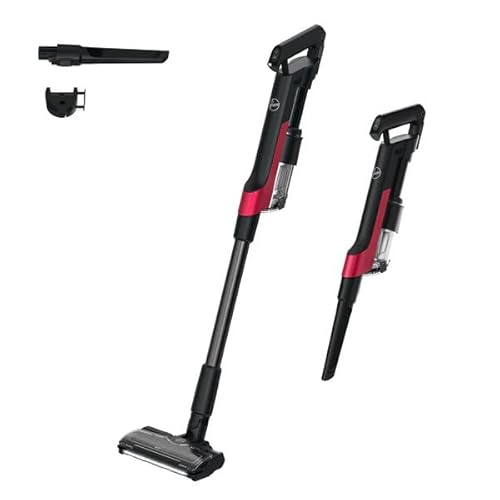
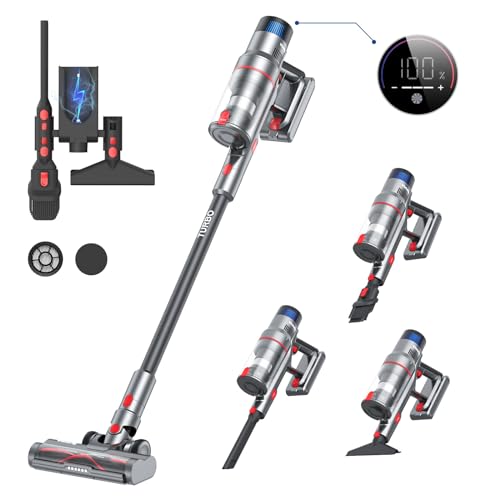
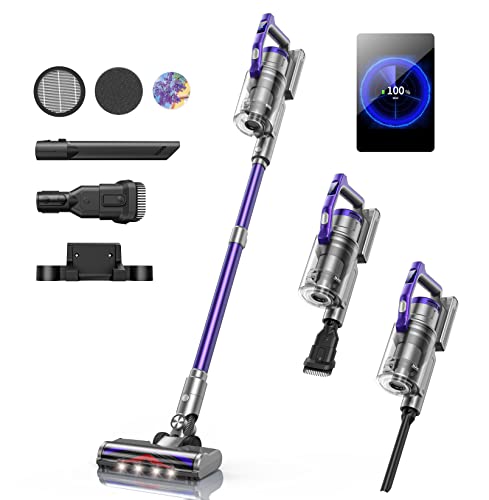
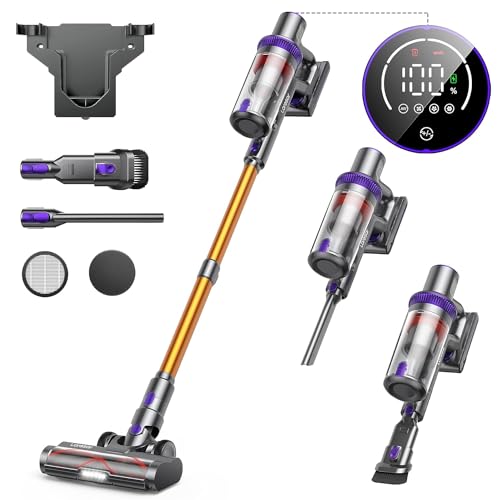
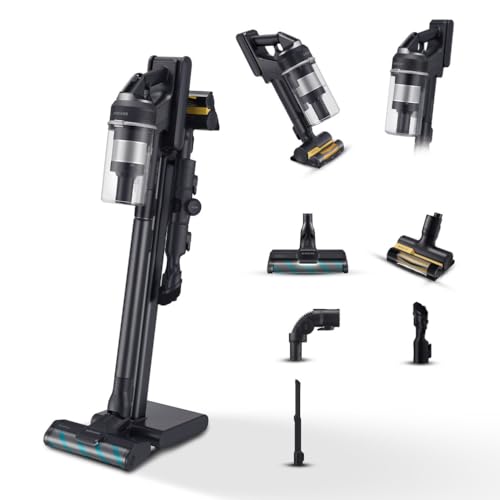
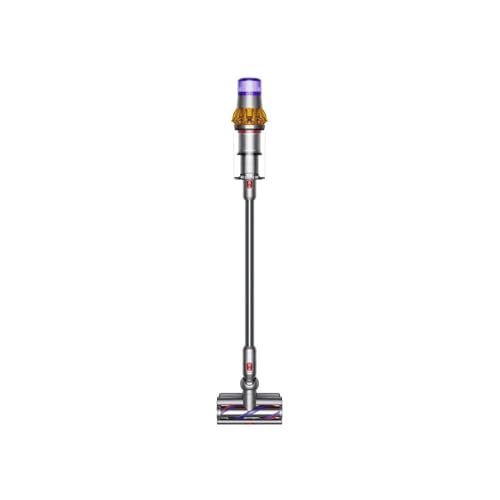
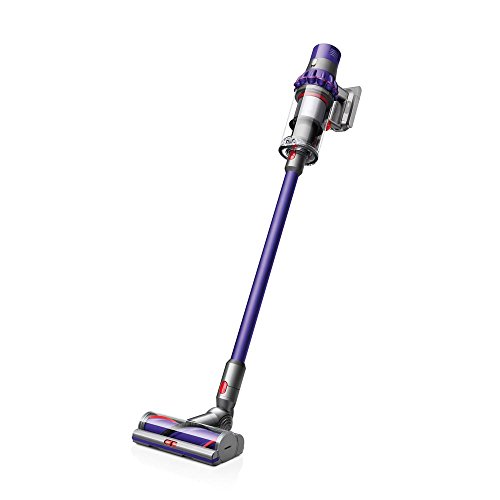
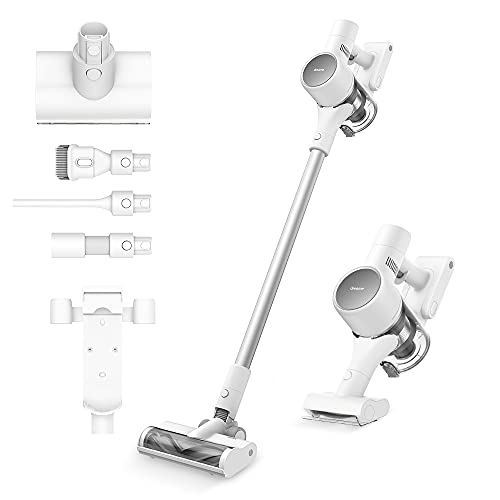
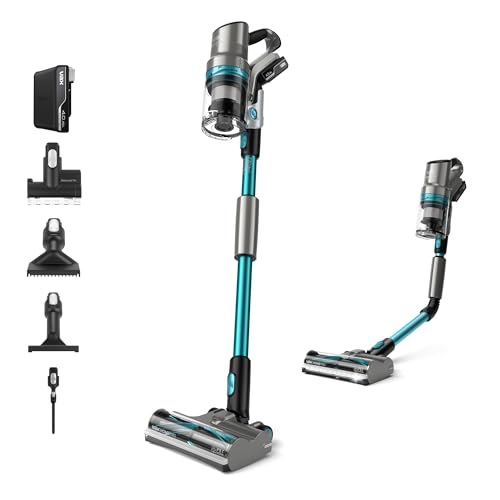
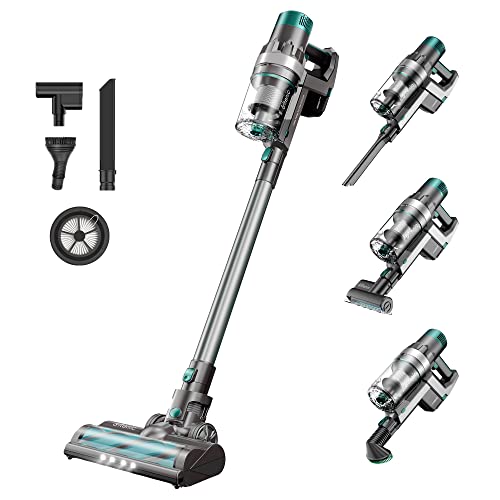
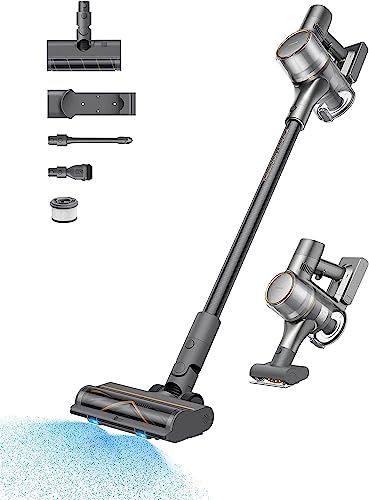
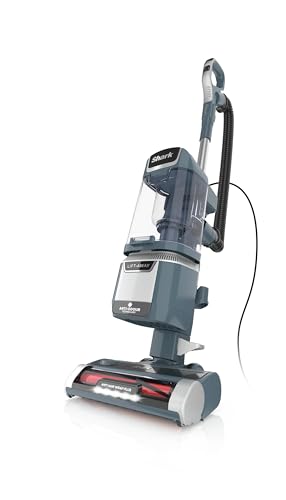
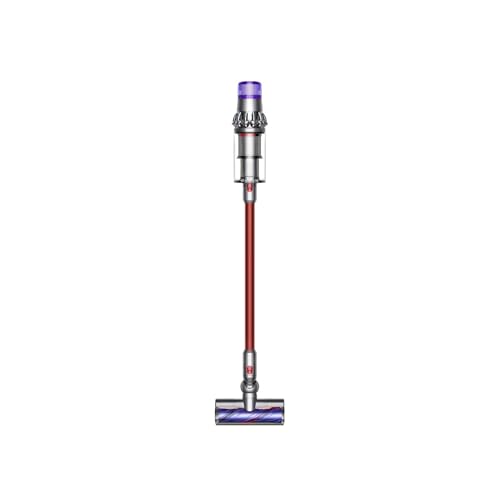
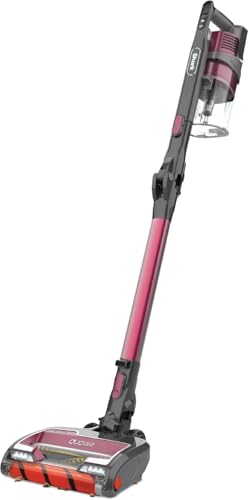
A vacuum cleaner is suitable for removing pet hair when it combines active brush agitation with enough airflow to carry loosened fibres away without wrapping them around the roller. A powered floorhead is especially important on carpet, where hair becomes embedded below the surface; on hard floors, a soft roller or well-sealed combination head should collect fur without blowing it forward.
Suction figures are useful only when compared in the same unit and test mode. Among the models we reviewed, published figures cluster around 160 AW, 20 kPa and 30 L/s, but air watts, pressure and airflow measure different properties. A well-designed head and sealed air path can therefore matter more than a larger motor-input wattage.
Hair handling must remain practical after pickup. An anti-tangle comb, removable brush bar and accessible airway reduce cutting and unclogging, while a bin or bag that closes cleanly limits contact with fur and dander during emptying.
Which tools remove pet hair most effectively?
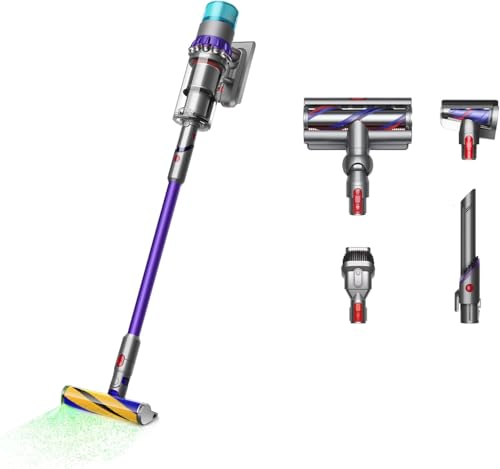
The most effective tools for removing pet hair are as follows:
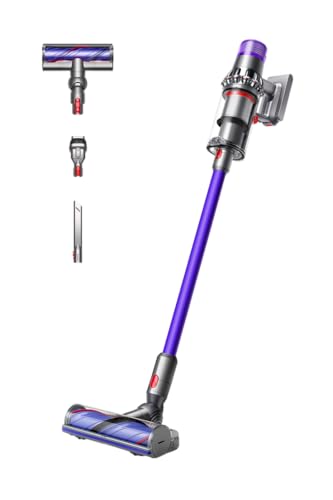
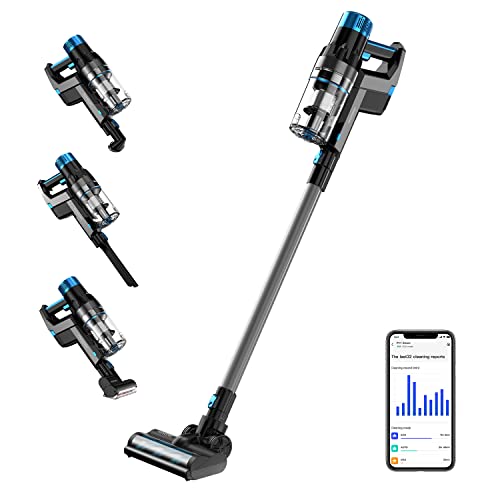
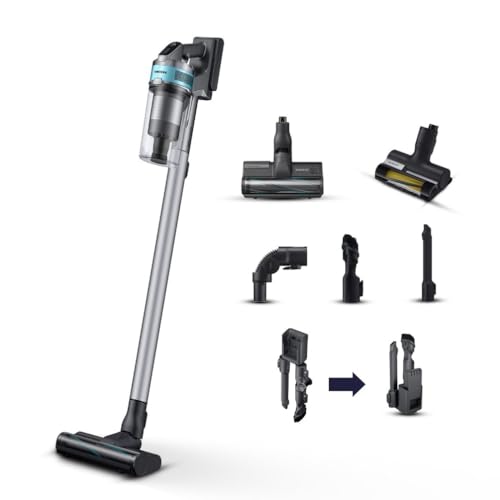
- Powered carpet floorhead: A motor-driven brush roll agitates carpet fibres and pulls out embedded fur more effectively than a suction-only head. Height adjustment or an automatic pressure setting helps the head maintain airflow instead of clamping to deep pile.
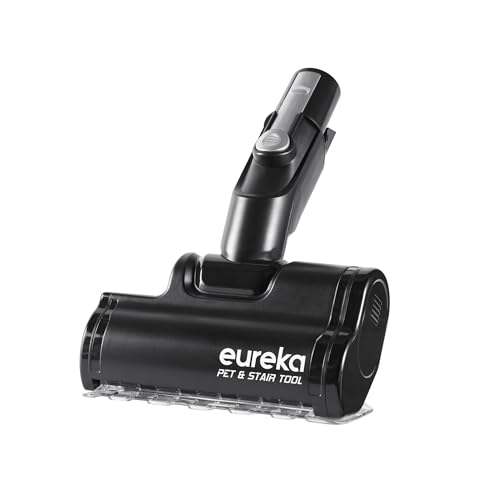
- Mini motorized brush: A compact powered head concentrates agitation on stairs, sofas, car seats and pet beds. Check that the roller can be removed without tools because long hair can collect at the end caps even on an anti-tangle design.
- Upholstery nozzle: A wide fabric tool is useful for loose hair on mattresses, curtains and flat cushions. Rubber strips, short lint lifters or a turbine brush improve pickup, but stiff edges should not scrape delicate upholstery.
- Crevice and soft dusting tools: A crevice nozzle reaches hair along skirting boards and between cushions, while a soft brush handles shelves and hard furniture. These tools complement the powered heads rather than replacing them on carpet or dense fabric.
The chart below shows the share of pet-hair vacuum cleaners that include a mini motorized brush.
[pie-chart-08334322707911655542120445452451419097060682844041]
How does sealed filtration help with pet dander?
Sealed filtration helps with pet dander by forcing intake air through the filter instead of letting fine particles leak through joints around the bin, motor housing or exhaust. A genuine HEPA filter is commonly rated to capture 99.97% of particles at 0.3 micrometres, but the label is useful only when the surrounding airflow path is also sealed.
Filtration performance depends on maintenance. Washable pre-filters must dry fully before refitting, disposable filters need a realistic replacement schedule, and an overfilled bin or blocked brush can reduce airflow. Allergy-sensitive households should also prefer hygienic bag closure or a bin that empties without reaching into compacted fur.