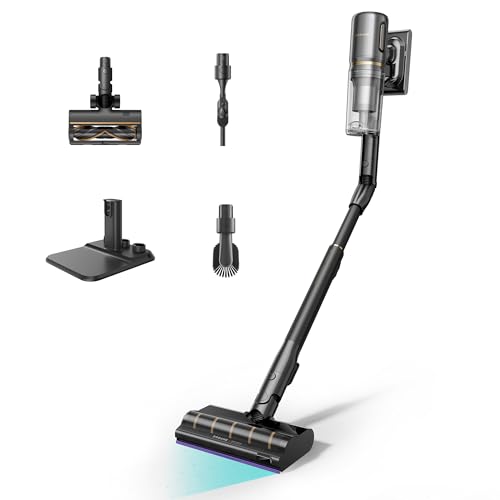
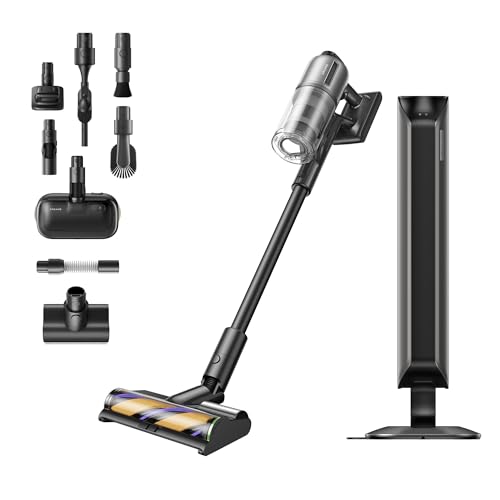
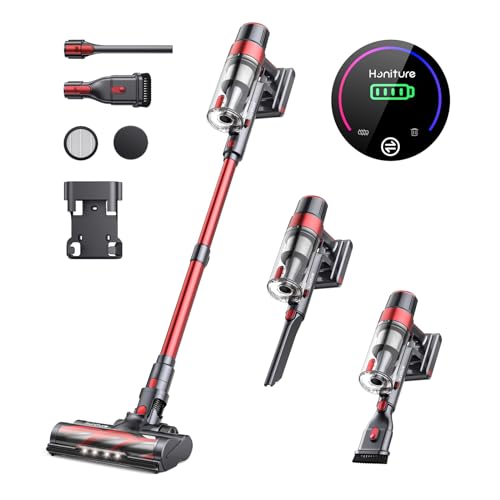
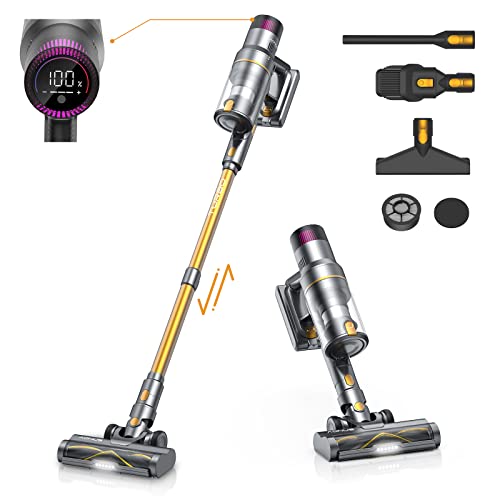
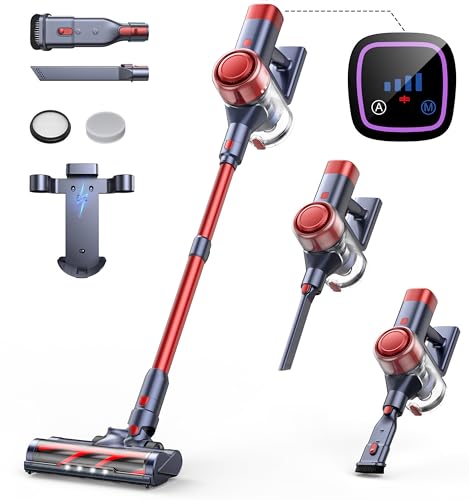
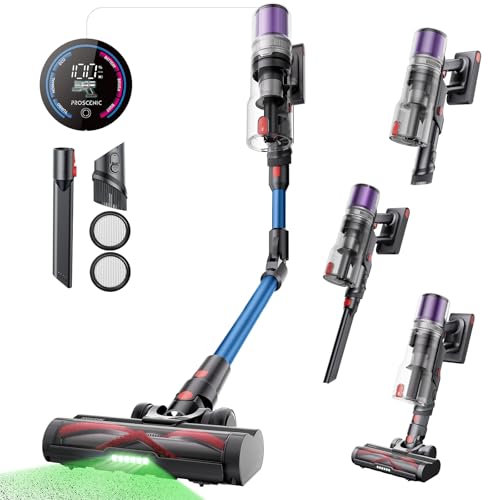
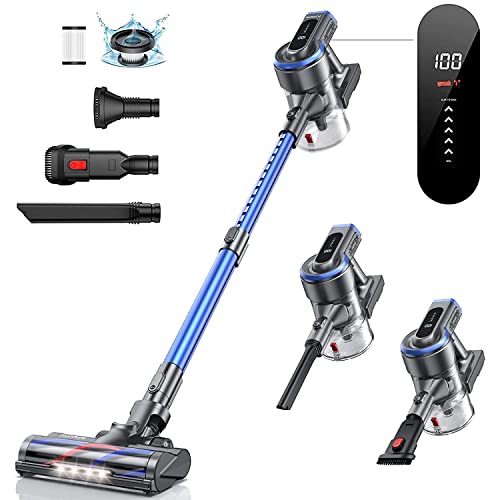
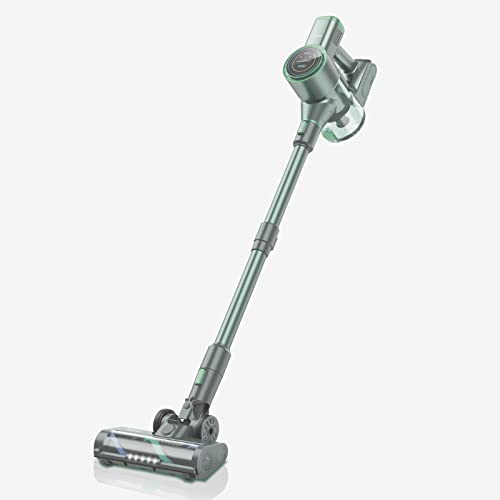
Which brands make the best lightweight vacuums in 2026?
The best lightweight-vacuum brands in 2026 are ranked below:
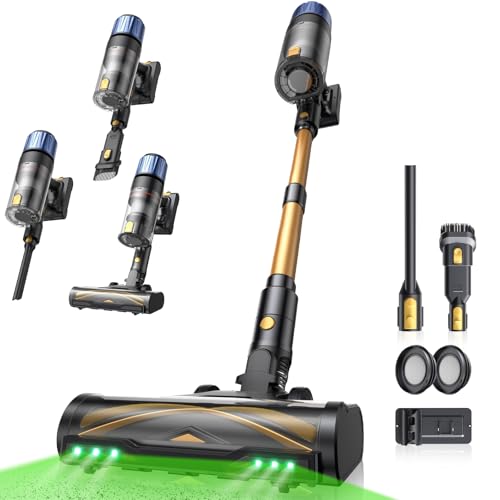
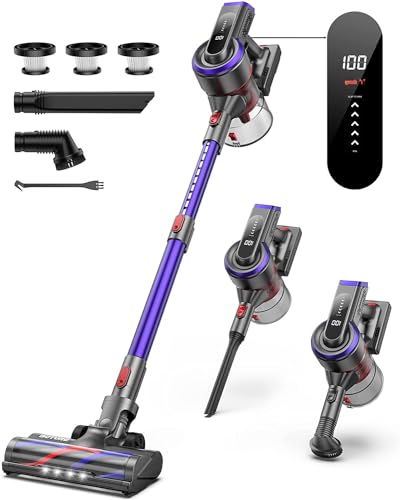
- BuTure (Average overall score: 8.4)
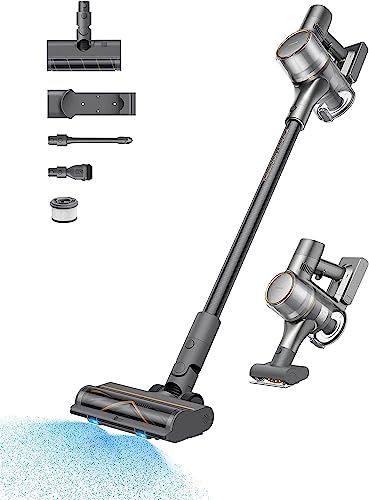
- Dreame (Average overall score: 8.4)
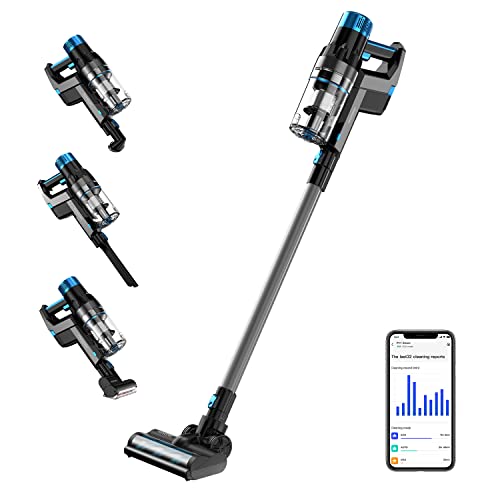
- Proscenic (Average overall score: 8.3)
- LG (Average overall score: 8.2)
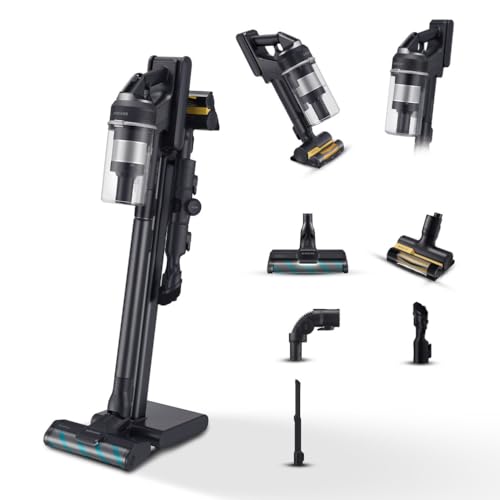
- Samsung (Average overall score: 7.7)
The chart below ranks lightweight-vacuum brands by average overall score.
[horizontal-chart-06668659876751246904138911186465714888422413425035]
What is considered a lightweight vacuum cleaner?
A lightweight vacuum cleaner weighs no more than 2.8 kg ready for use in this comparison. Models around 2–2.5 kg are easier to carry between floors and manoeuvre around furniture, while a machine close to the 2.8 kg limit can still feel light if the floorhead supports its weight and the handle is well balanced.
Check how the manufacturer measures weight. Some specifications describe only the handheld motor unit, while others include the battery, tube and main floorhead; the complete ready-to-clean figure is the useful comparison for floor cleaning, and roughly 2 kg or less in handheld form is preferable for sofas, shelves and stairs.
Low total weight can require a smaller bin, battery or floorhead. A 0.5–0.8 L bin and a head around 240–260 mm provide a practical compromise, but frequent whole-home cleaning may justify a slightly heavier model with greater capacity or a larger replaceable battery.
The chart below shows the weight distribution of lightweight vacuums.
[vertical-chart-14956089761470328515076764924623226585362434396221]
When should you consider buying a lightweight vacuum?
You should consider buying a lightweight vacuum if you often carry the machine on stairs, clean above-floor surfaces or want a quick cleaner for a flat or smaller home. A ready-to-use weight near 2–2.5 kg reduces lifting effort, and a swivelling head with a low-profile neck matters more than saving a few hundred grams when cleaning around furniture.
A lightweight model is less suitable when deep carpet, heavy pet-hair pickup or very long sessions are the main priorities and the lighter design provides only a small bin or short maximum-power runtime. For those jobs, look for at least 170–200 AW when measured comparably, 10–15 minutes at maximum power and a powered brush roll; otherwise, a somewhat heavier vacuum may deliver better sustained performance.
Are lightweight vacuums less powerful than heavier models?
Lightweight vacuums are less powerful on average by published air-watt output, but low weight does not automatically mean weak cleaning. Based on our research, lightweight models average about 120 AW compared with roughly 180 AW for heavier vacuums, while strong lightweight options reach around 170–210 AW; measurement point, power mode and floorhead configuration must still be comparable.
Pressure figures tell a different story: both lightweight and heavier groups average close to 20 kPa where values are available. Kilopascals measure pressure, litres per second measure airflow and air watts combine pressure with airflow, so one figure cannot be substituted for another or inferred from motor-input watts.
For routine hard floors, aim for roughly 100–150 AW with an effective soft or combination head. Carpet and pet hair benefit from about 170–200 AW or more plus a powered brush roll, and the vacuum should sustain useful pickup as the 0.5–0.8 L bin fills rather than delivering only a short peak in maximum mode.
How much do lightweight vacuums cost?
Lightweight vacuums generally cost about £40-£390, with the middle of the market near £130. Models below roughly £100 can suit quick hard-floor cleaning, but check whether the powered floorhead, replaceable battery and filters are included and available separately.
From about £100 to £260, 45–60-minute lower-mode runtime, better head articulation, removable batteries and more complete tool sets become easier to find. Models above roughly £260 should add stronger sustained suction, effective anti-tangle hardware, sealed filtration or a useful charging and emptying system rather than charging a premium only for low weight.
The chart below shows the price distribution of lightweight vacuums.
[vertical-chart-15099484456674893781147149570746775235172642527330]
What should you check before buying a lightweight vacuum?
You should check the following factors before buying a lightweight vacuum:
- Ready-to-use weight and balance: Keep the complete vacuum at or below 2.8 kg for this lightweight class, and aim for roughly 2.5 kg or less if stairs and frequent carrying are priorities. Check the figure with the battery, tube and main floorhead attached; for handheld cleaning, around 2 kg or less is easier on the wrist.
- Suction output and floor type: Aim for roughly 100–150 AW for routine hard floors and 170–200 AW or more for carpet and pet hair when air watts are measured comparably. If only separate figures are published, about 20 kPa or 15–20 L/s is a useful lightweight starting point, but pressure and airflow are not interchangeable and the floorhead still determines pickup.
- Runtime, charging and cable reach: For cordless cleaning, aim for 45–60 minutes in a lower mode, at least 10–15 minutes at maximum power and a recharge time of about four hours or less. For a corded lightweight vacuum, prefer at least a 5 m cable for smaller rooms or 6–7 m for fewer socket changes.
- Bin or bag capacity: A 0.5–0.8 L container balances weight with useful cleaning time, while around 0.4 L suits quick sessions and 1 L or more reduces interruptions in a larger home. Check whether the bin empties without reaching into the dust and whether its usable fill line is much lower than the stated volume.
- Cleaning head and tools: A head around 240–260 mm is wide enough for normal room coverage without becoming awkward around furniture. Choose a powered removable roller for carpet and pet hair, a soft or switchable head for delicate hard floors and a compact tool for stairs or upholstery.
- Noise and filtration: Prefer about 75 dB or below in normal mode when quieter operation matters; 80 dB or more is noticeably loud, and boost-mode figures should be compared separately. For allergy-sensitive homes, look for a sealed airflow path and a genuine HEPA filter rated around 99.97% at 0.3 micrometres rather than relying on the filter label alone.
- Battery, parts and storage: Prefer a removable battery when the vacuum will be used for longer sessions, and confirm the local price of batteries, filters and brush rolls before purchase. Check that the charging dock supports the complete machine securely and that the tube or floorhead can be stored without occupying more space than the low weight suggests.