Which brands make the best corded vacuums in 2026?
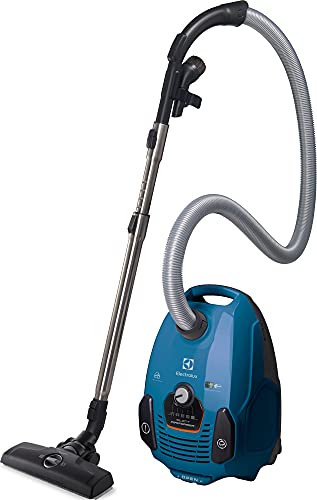
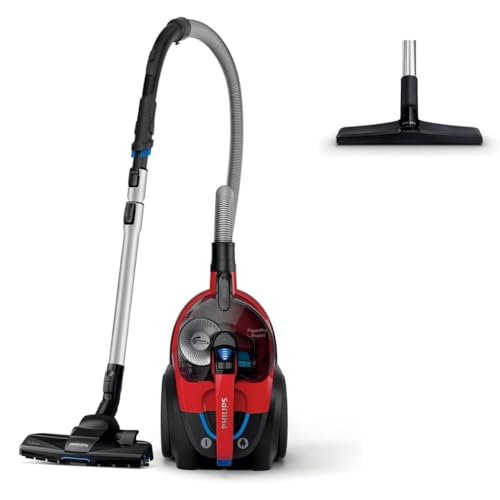
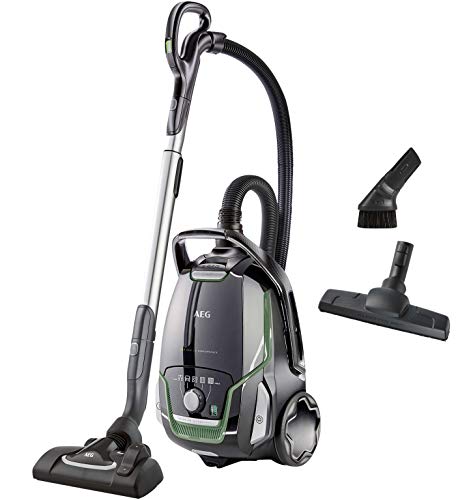
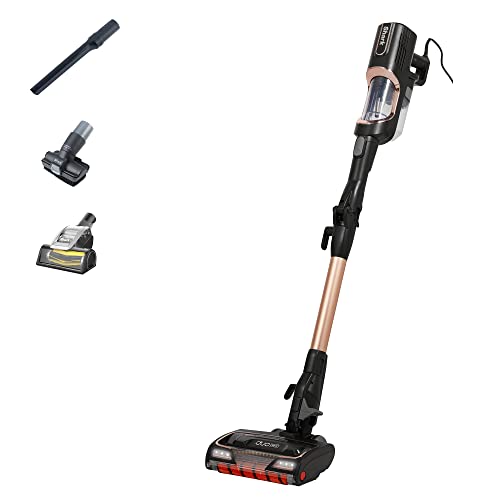
The best corded-vacuum brands in 2026 are ranked below:
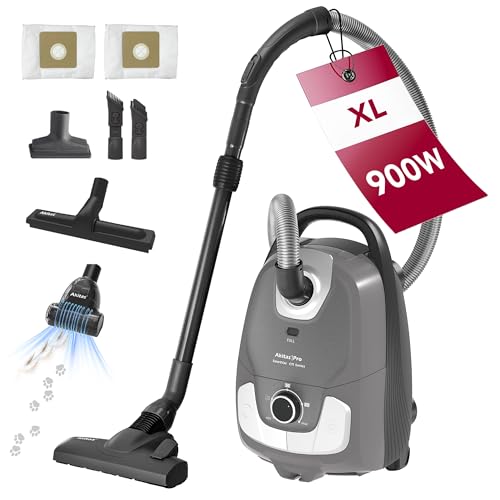
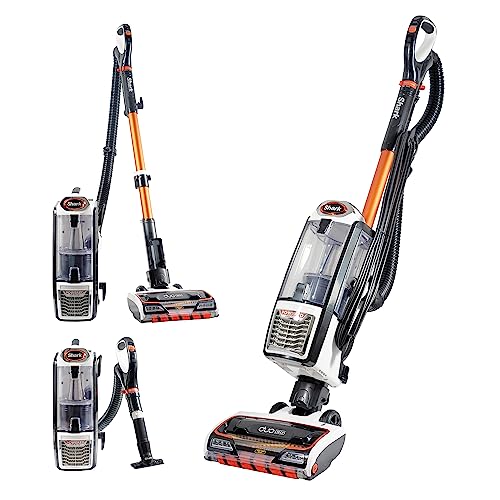
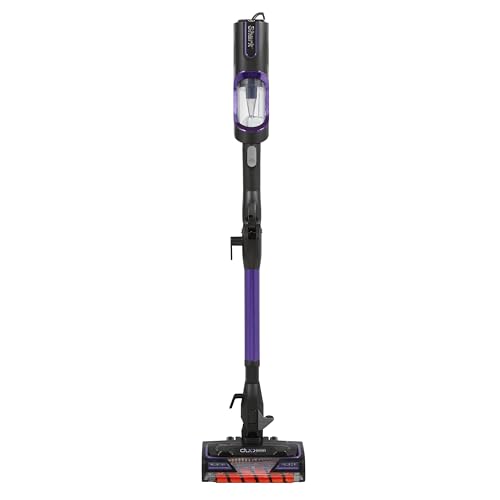
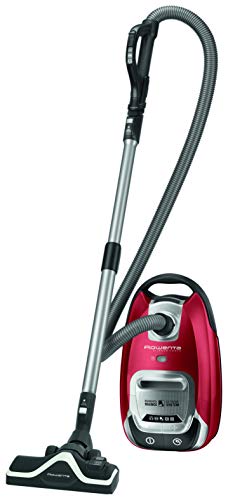
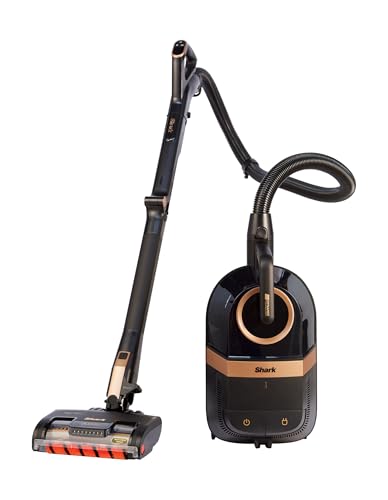
- Shark (Average overall score: 7.5)
- Rowenta (Average overall score: 7.3)
- Akitas (Average overall score: 7.3)
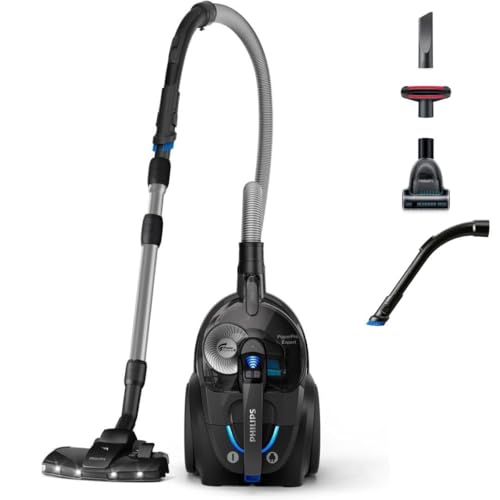
- Philips (Average overall score: 7.2)
- Vax (Average overall score: 7.1)
The chart below ranks corded-vacuum brands by average overall score.
[horizontal-chart-17183844896512048231054464032092238522661589363017]
When should you consider buying a corded vacuum?
You should consider a corded vacuum if you often clean for longer than one battery charge, use sustained high power on carpet, or want to avoid battery ageing and replacement. Canister models also provide a floor-level motor, larger bag or bin, and a long hose that can reduce the weight carried in the hand.
A corded stick or upright suits homes that prefer a self-contained body, while a canister is easier to pull between rooms and reach beneath low furniture. Wet/dry models are heavier but add liquid pickup and much larger containers for garages or workshops.
The trade-off is cable management. A short lead or limited operating radius can erase the convenience of continuous power, so measure socket locations and storage space before choosing the body style.
Are corded vacuums more powerful than cordless models?
Corded vacuums are more powerful on average than cordless vacuums when compared by air-watt output and airflow. Models with published figures average about 210 AW and 35 L/s, compared with roughly 140 AW and 25 L/s for cordless vacuums; however, a premium cordless model can still exceed many corded machines.
Pressure is close to 20 kPa for both groups, but kPa measures pressure without including airflow and therefore does not settle the comparison. Corded models also average roughly 750 W of electrical input versus 350 W for cordless models, but input watts describe energy use rather than suction power. Their practical advantage is continuous output, while maximum-power runtime for cordless vacuums averages around 15 minutes.
What cord length and operating radius should you look for when buying a corded vacuum?
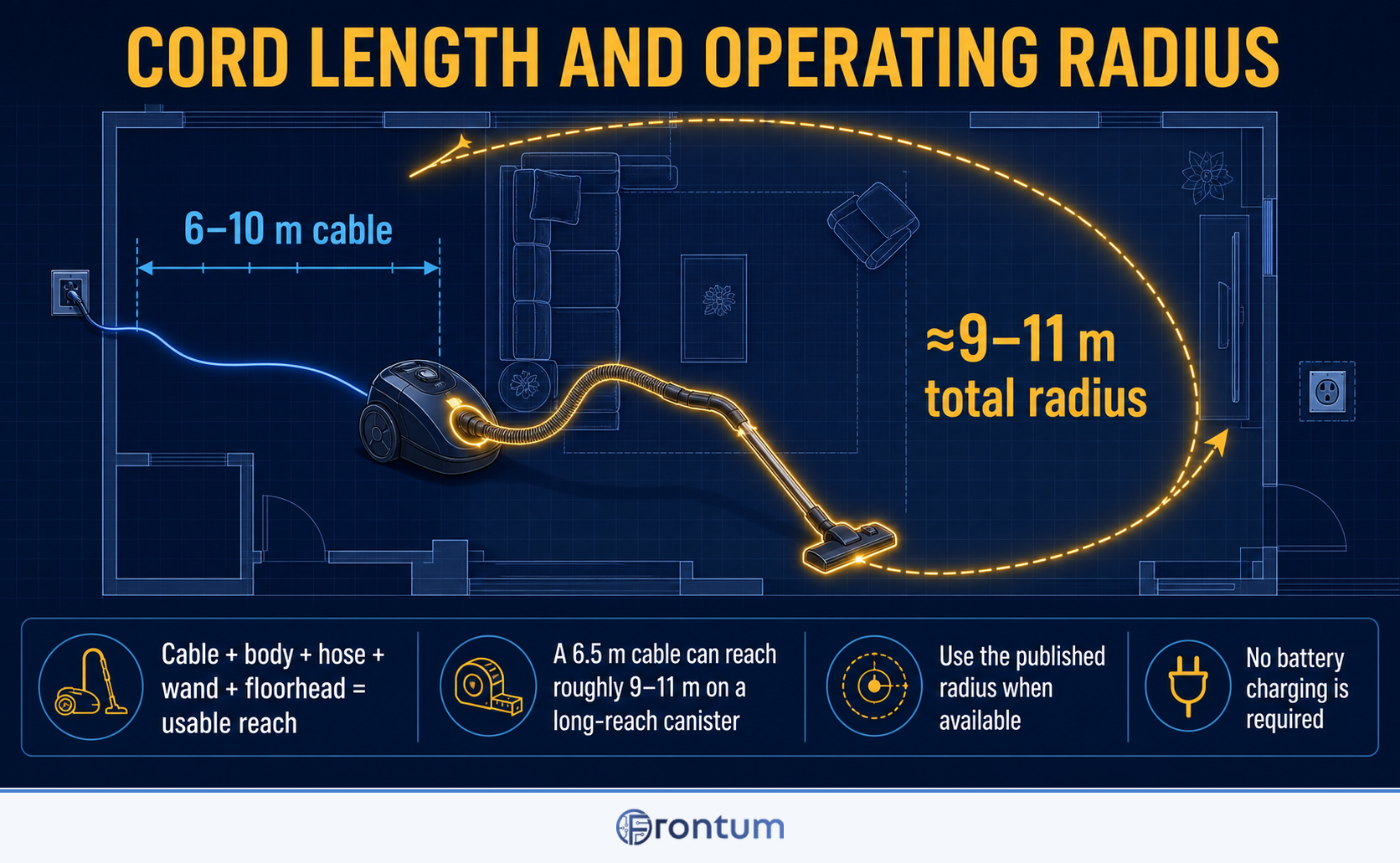
You should look for at least about 6 m of power cord in a small home, while 7–10 m is more practical when sockets are widely spaced. Cord length is only one part of reach: operating radius also includes the hose, wand, cleaner body, and the distance from the body to the floorhead.
A 6.5 m cable can provide roughly 9–11 m of operating radius on a canister with a long hose and telescopic wand, but much less on a compact upright whose body stays close to the head. Compare the manufacturer’s radius figure when available instead of adding dimensions that were measured differently.
Automatic rewind is convenient on canisters, whereas cord hooks are simpler and lighter on sticks or uprights. Check that the stored cable does not make the machine unstable and that the plug can reach the intended charging-free storage position.
The chart below compares power-cord lengths across corded vacuums.
[vertical-chart-11478497467789904924009106465901830376980438478824]

How much do corded vacuums cost?
Corded vacuums generally cost about £40-£340, although compact entry-level models can start near £20-£40. Many capable canister and upright machines fall around £90-£220, while premium filtration systems, specialist floorheads, and large wet/dry units can reach approximately £400-£900.
Price differences often reflect the floorhead, filtration, bag or bin system, hose construction, and included tools rather than motor wattage. Account for replacement bags, filters, belts, and brush rolls, but do not pay a large premium for a higher input-power number alone.
The chart below shows the price distribution of corded vacuums.
[vertical-chart-16044577520025522325024500743986166209311585432517]
What should you check before buying a corded vacuum?
You should check the following factors before buying a corded vacuum:
- Suction and airflow: Around 150–250 AW, 15–25 kPa, or 25–40 L/s can indicate useful output, but these metrics are not interchangeable. Compare the same unit, measurement point, and head configuration, then check whether performance remains stable as the bag or bin fills.
- Motor input and controls: Roughly 600–900 W is common for household corded models, while 1,200–2,000 W is more typical of older or specialist machines. Input watts measure electricity use rather than pickup; adjustable suction or a bypass vent is more useful on curtains, rugs, and deep carpet.
- Cord and operating radius: A 6 m lead is adequate for smaller rooms, while 7–10 m reduces socket changes. For canisters, compare the full operating radius because the hose and wand can add several metres beyond the cable.
- Capacity and body style: Around 1.5–3 L is practical for ordinary canister or upright cleaning, whereas workshop wet/dry machines may hold 5–15 L. A larger container reduces emptying but increases storage space and loaded weight.
- Weight and cleaning width: Canister and upright models commonly weigh around 4–7 kg, while corded sticks can be closer to 2–3 kg. A head near 250–300 mm balances coverage with manoeuvrability; also check stair handling and whether the body follows without tipping.
- Noise and floorhead: Around 70–75 dB is comparatively quiet, while 80 dB or more is intrusive during a long session. Match the head to the floor: powered agitation helps carpet, a soft or bristle-free roller protects hard floors, and adjustable sealing prevents clamping.
- Filtration and consumables: A sealed exhaust path matters more than the filter label alone. Check bag availability or cyclone access, filter washing and drying intervals, and local prices for bags, filters, belts, rollers, and hoses.