What are the best robot vacuum brands of 2026?
The best robot vacuum brands of 2026 are ranked below:
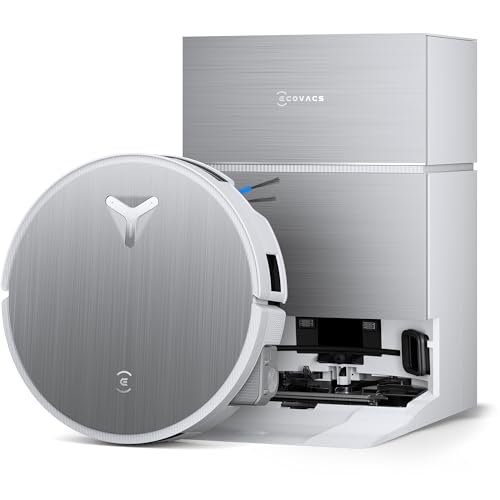
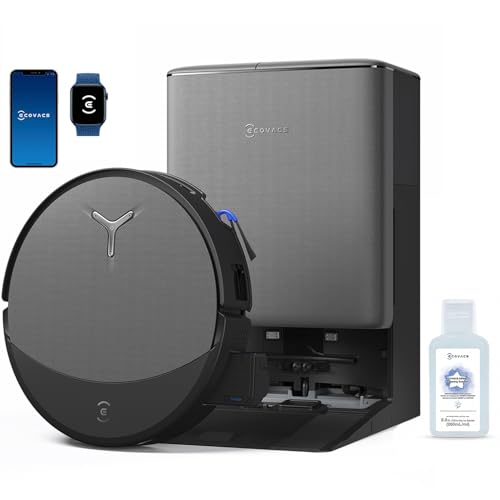
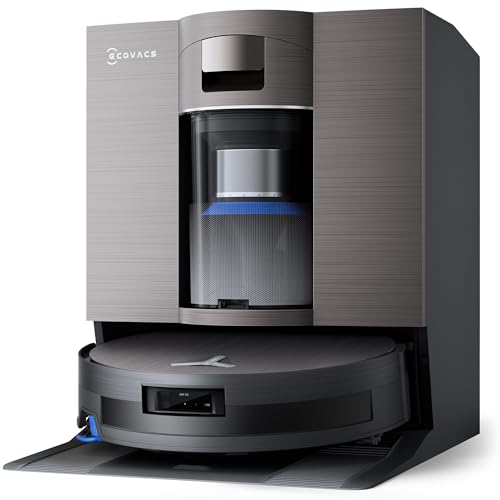
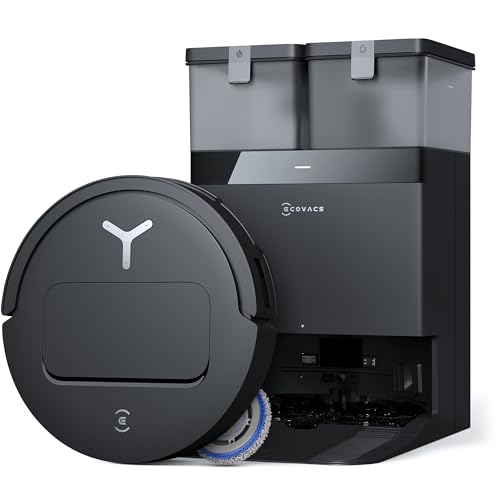
- ECOVACS (Average overall score: 8.6)
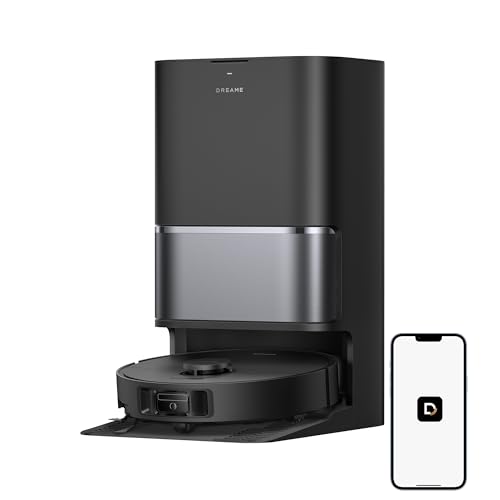
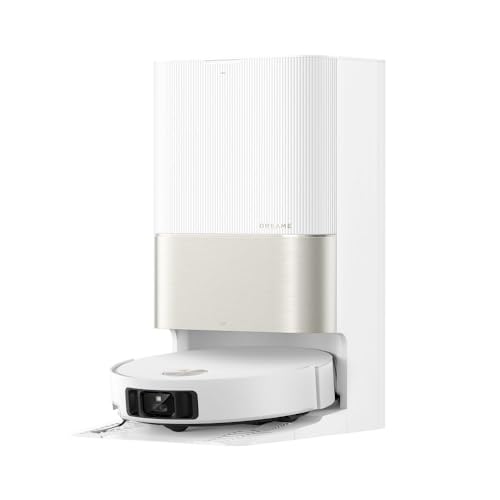
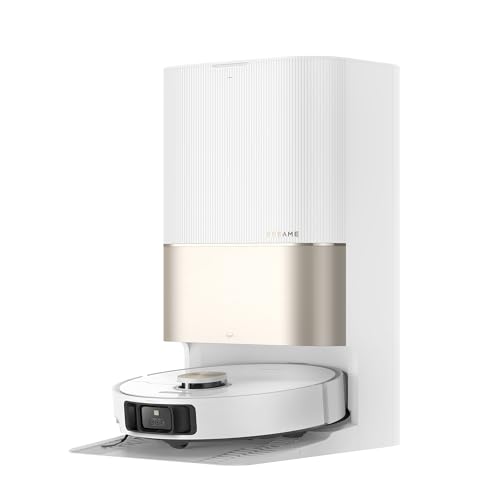
- DREAME (Average overall score: 8.6)
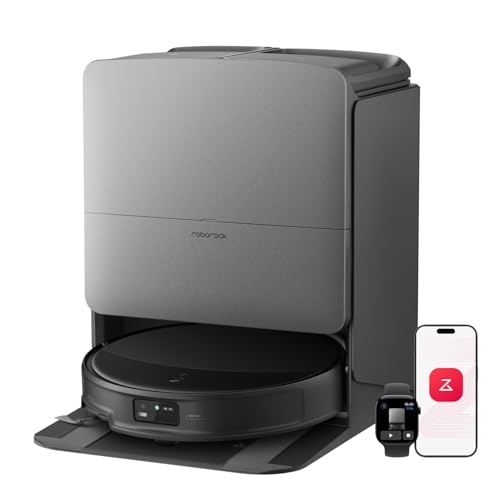
- Roborock (Average overall score: 8.5)
- EUREKA (Average overall score: 7.9)
- EZVIZ (Average overall score: 7.8)
The chart below ranks robot vacuum brands by average overall score.
[horizontal-chart-15406096130061009453140888914513010987580044587466]
What robot vacuum brands have the highest user ratings?
The robot vacuum brands with the highest user ratings are ranked below:
- eufy (Average user rating: 9.1)
- Xiaomi (Average user rating: 9)
- LEFANT (Average user rating: 8.8)
- DREAME (Average user rating: 8.8)
- HONITURE (Average user rating: 8.8)
The chart below compares robot vacuum brands by average user rating.
[horizontal-chart-11861374877173011894182130689144882198242452001808]
What robot vacuum brands offer the best value for money?
The robot vacuum brands offering the best value for money are ranked below:
- ECOVACS (Average quality-price ratio: 8.4)
- DREAME (Average quality-price ratio: 8.3)
- EZVIZ (Average quality-price ratio: 8.2)
- Roborock (Average quality-price ratio: 8.1)
- DreameBot (Average quality-price ratio: 8)
The chart below compares robot vacuum brands by average quality-price ratio.
[horizontal-chart-11774602078841821252089706642644861093943553900400]
How much do the best robot vacuums cost?
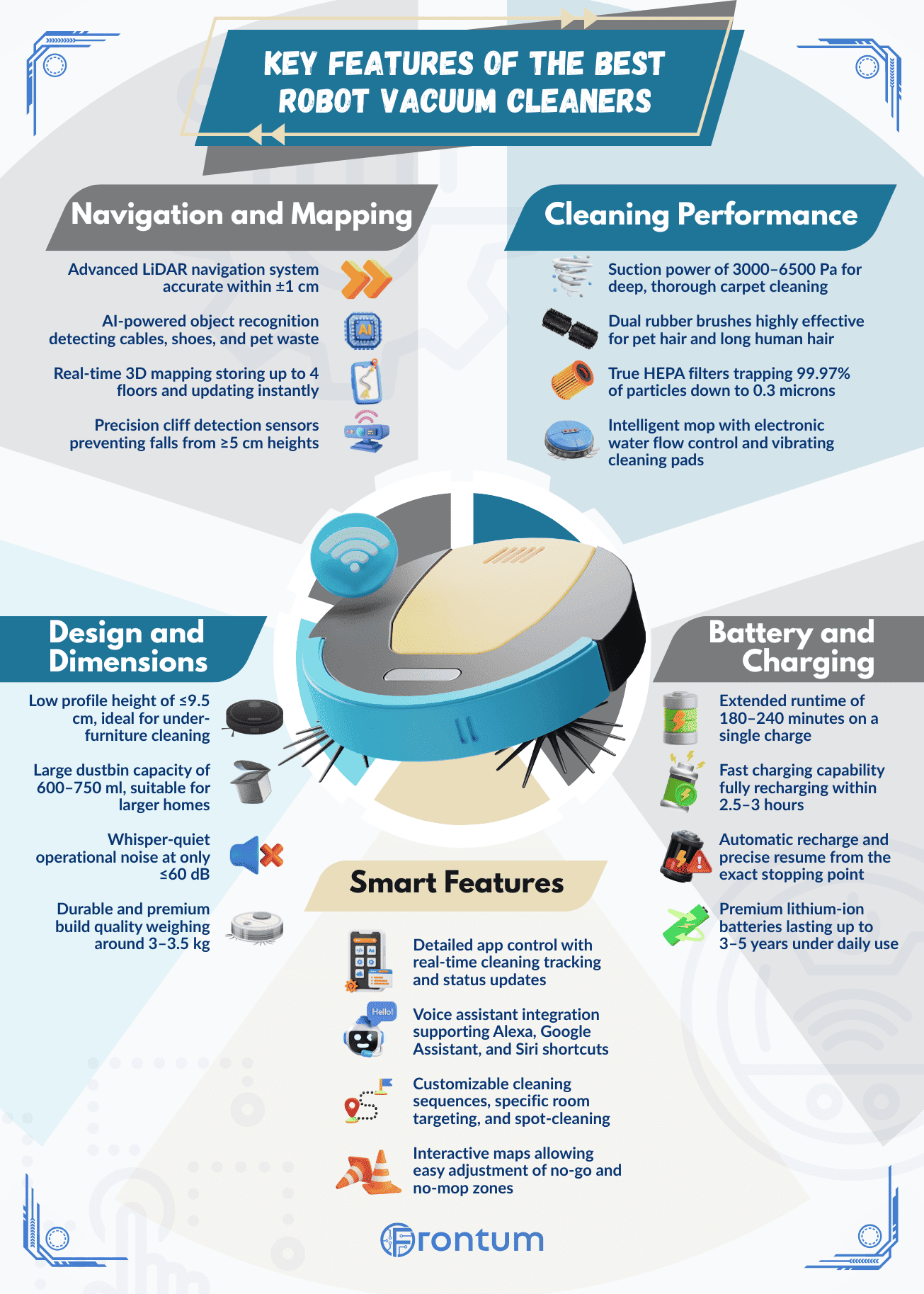
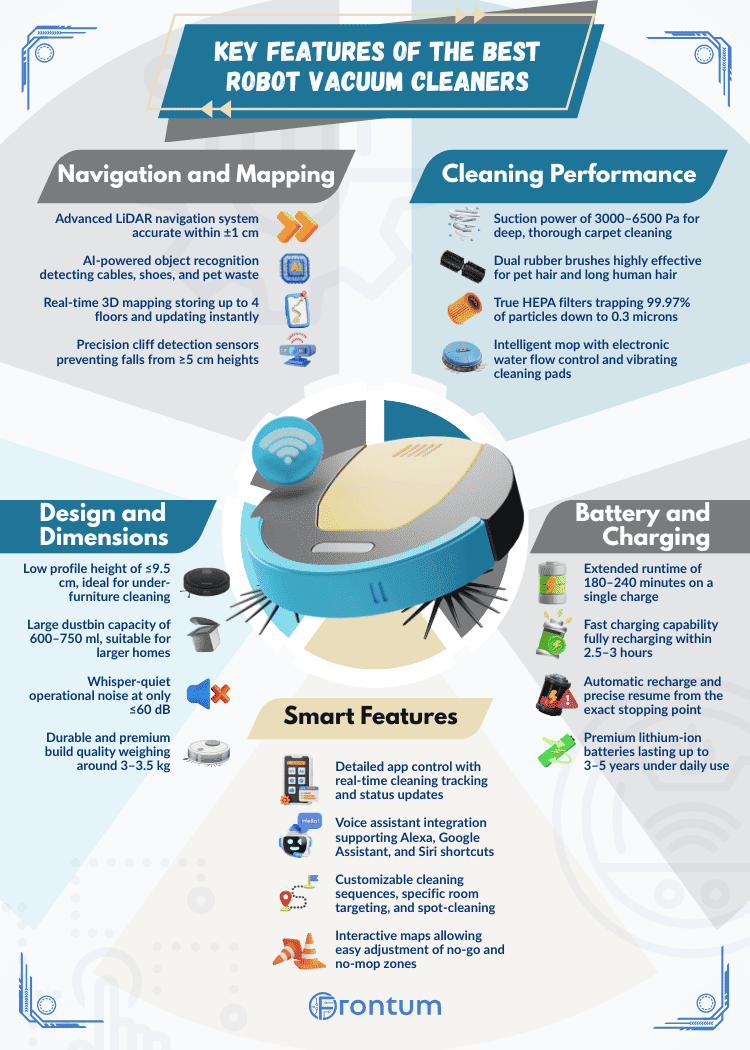
The best robot vacuums generally cost about £200-£1,300, with many capable models between £220 and £520. Price rises quickly when a large multifunction dock is included, so compare the robot and station as one system.
Around £170-£300 usually buys competent mapping, app scheduling, and basic vacuuming or mopping, though object avoidance and dock automation may be limited. Between roughly £300 and £690, stronger navigation, better carpet response, rotating or vibrating mops, and auto-empty docks become more common.
Above £690, the extra money mainly pays for premium obstacle recognition and docks that empty dust, wash and dry mop pads, or refill water. Allow for replacement bags, filters, brushes, and cleaning solution; a smaller midrange dock can be better value if you do not need every maintenance function.
The chart below shows the price distribution of robot vacuums.
[vertical-chart-03158618074749785792101244844032021994632462433807]
What suction power do the best robot vacuums have?
The best robot vacuums typically claim about 5,000–30,000 Pa of peak suction, with newer flagship models reaching the upper end. Pascals measure pressure rather than complete floor-cleaning performance, and brands do not all test in identical conditions, so headline figures are most useful when comparing related models.
Brush design, airflow, floor contact, and automatic carpet boost decide how much of that pressure becomes useful pickup. A rubber or bristle-and-rubber roller that stays close to the floor can remove hair and crumbs more consistently than a poorly sealed head with a larger Pa claim; for carpet, also check whether the robot raises power automatically and avoids wrapping long hair.
The chart below shows the distribution of maximum suction power among robot vacuums.
[vertical-chart-12396202397598078065061525256850193271761935101612]
How long do the best robot vacuums run?
The best robot vacuums commonly run for about 120–240 minutes in a low or standard cleaning mode. Maximum suction, dense carpet, active mopping, and repeated obstacle manoeuvres can reduce that figure substantially.
About 120 minutes is a sensible starting point for a flat or smaller home, while 180 minutes or more gives a larger floor plan more margin. Match runtime to the robot's stated cleaning area rather than assuming the longest number is automatically better.
Recharge-and-resume is more important than extreme battery capacity in a very large home. A robot that returns to its dock, restores only the energy it needs, and continues from the correct map position can finish reliably even when one charge is insufficient.
Battery capacity often sits around 3,200–5,200 mAh, but mAh alone does not predict coverage because voltage, motor load, navigation efficiency, and software all matter. Compare runtime in the same mode and with the same vacuuming or mopping setup you expect to use.
How long do the best robot vacuums take to charge?
The best robot vacuums usually take about 4–5 hours to charge fully, while a practical market range is roughly 3–6 hours. Larger batteries and conservative battery-management systems may need longer, and a quoted fast-charge time may refer to a partial top-up rather than a complete charge.
Charging speed matters less when mapping and recharge-and-resume work well, because the robot can return to the dock and continue automatically. For frequent cleaning, check whether scheduled runs leave enough time for a full recharge and whether replacement batteries remain available, rather than judging the machine by charging time alone.
What navigation systems do the best robot vacuums use?
The best robot vacuums use LiDAR or a hybrid system that combines laser mapping with a camera, structured light, or other obstacle sensors. LiDAR maps rooms methodically and works in low light, while a camera or 3D sensor can improve recognition of cables, shoes, and small objects that a laser mounted higher on the robot may miss.
A strong navigation system should build an accurate map, recognize rooms, support editable zones and virtual boundaries, and resume cleaning without losing its position. Multi-floor storage is valuable in larger homes, but it is useful only if carrying the robot between floors does not confuse dock location or saved room divisions.
Gyroscope and basic infrared navigation can still suit a small, uncluttered home, but their routes are generally less efficient and their maps less precise. Camera-equipped models may offer better object recognition, although buyers should also review image processing, cloud requirements, and privacy controls in the companion app.
What mopping features do the best robot vacuums have?
The best robot vacuums combine the following mopping features:
- Active mop action: Rotating pads, vibrating plates and powered rollers scrub more effectively than a passive cloth dragged behind the robot. Rotating pads suit general hard-floor cleaning, vibrating plates work well on dried marks, and rollers continually present a cleaner surface when their debris path is well designed.
- Water control: Adjustable flow and floor-specific settings help keep delicate wood lightly damp while supplying more water to tile or stone. Better systems distribute water evenly or refresh the mop during the run, reducing dry streaks and puddles.
- Carpet protection: Automatic carpet detection should lift the mop, remove it at the dock or keep the robot out of carpeted areas. A lift of roughly 10–12 mm is useful for low-pile rugs, but thick carpet is safer with automatic mop removal or a dependable no-mop zone.
- Edge cleaning: An extending pad, swing-out mop or roller that reaches close to skirting boards cleans areas missed by a fixed central pad. Extension is most useful when the robot can retract it around furniture and avoid dragging a wet mop over carpet edges.
- Dock automation: A full-service station can refill water, wash and dry the mop, empty dust and sometimes dose detergent or use heated water. These functions reduce daily handling, although clean- and dirty-water tanks, wash trays and rollers still need regular cleaning.
- Dirt detection: Higher-end systems can monitor mop water or recognise heavily soiled areas, then repeat a pass or rewash the mop before continuing. This is useful for kitchens and entrances, but repeated washing increases water use and lengthens the cleaning cycle.
How well do the best robot vacuums clean carpets and pet hair?
The best robot vacuums clean low- and medium-pile carpets and pet hair well when they combine a close-contact main brush, carpet detection, automatic suction boost, and an anti-tangle design. Peak suction helps with embedded debris, but roller geometry and floor contact usually determine whether hair is lifted or merely pushed across the surface.
Rubber or mixed rubber-and-bristle rollers are often easier to clear than dense bristle brushes, and dual rollers can improve agitation on carpet. Long hair can still wrap around end caps and side brushes, so check how easily these parts detach; very deep pile, tassels, and loose lightweight rugs remain difficult for most robots.
For homes with carpet and hard floors, choose reliable carpet recognition and either automatic mop lifting or well-enforced no-mop zones. An auto-empty dock reduces how often a hair-filled bin must be handled, but the robot's air path, dust bag, and dock inlet still need enough clearance to avoid clogs.
How loud are the best robot vacuums?
The best robot vacuums typically produce about 55–70 dB while cleaning, with maximum suction sometimes reaching the mid-70s. That is usually less intrusive than a full-size vacuum, but an auto-empty dock can be much louder for a brief burst when it transfers debris into its bag or bin.
Compare noise figures in the same power mode and at a similar distance, because brush type, floor surface, and measurement method change the result. Quiet modes and do-not-disturb schedules help in flats or homes with sleeping children or noise-sensitive pets, although reducing power may also reduce carpet pickup.