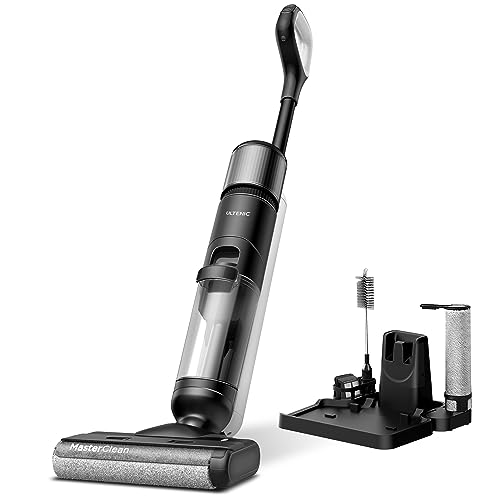
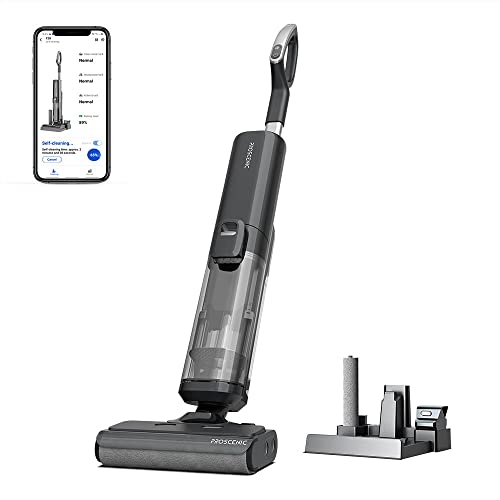
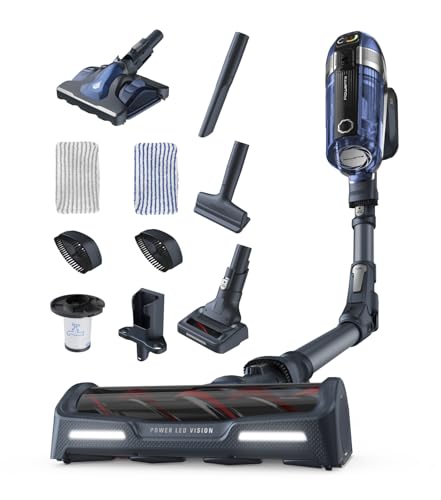
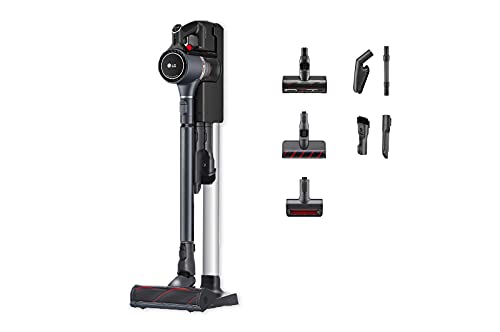
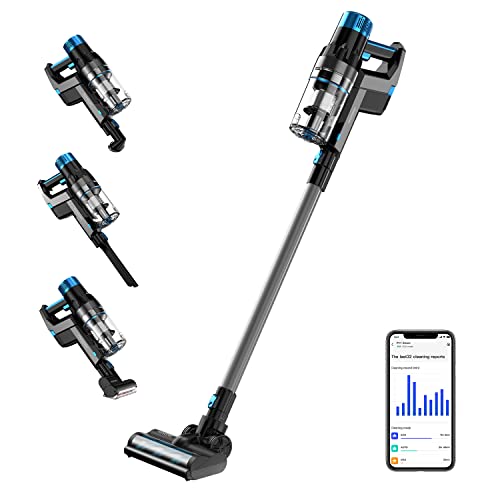
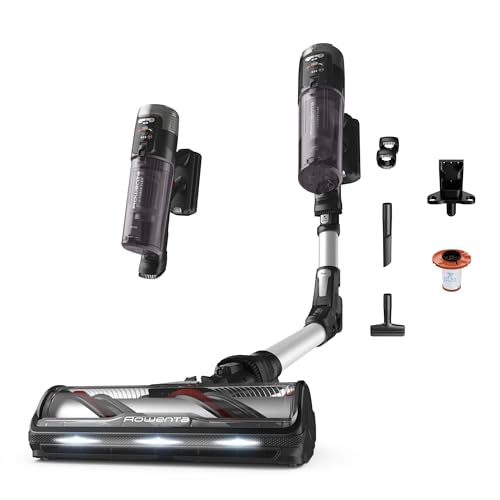
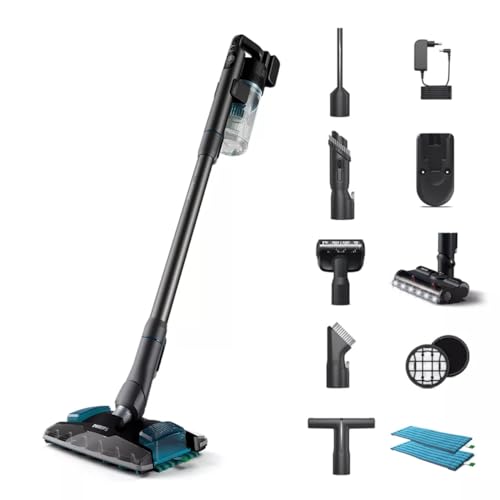
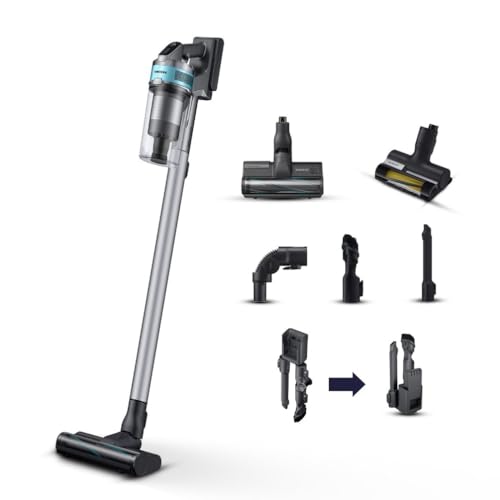
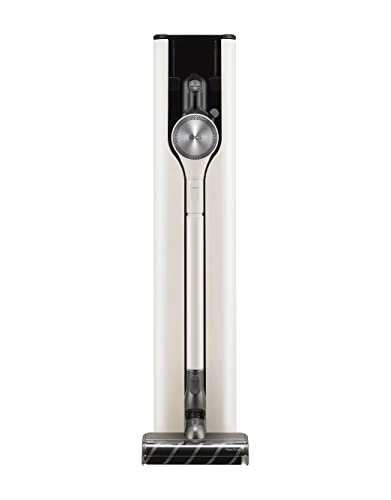
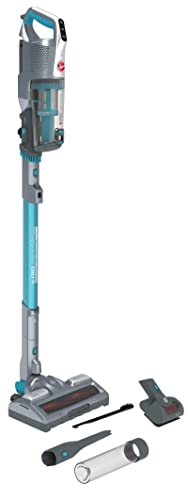
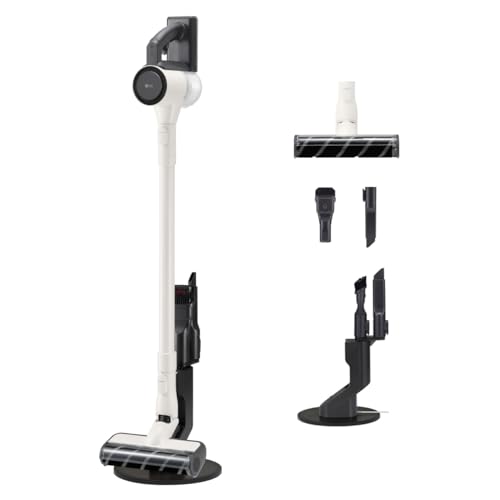
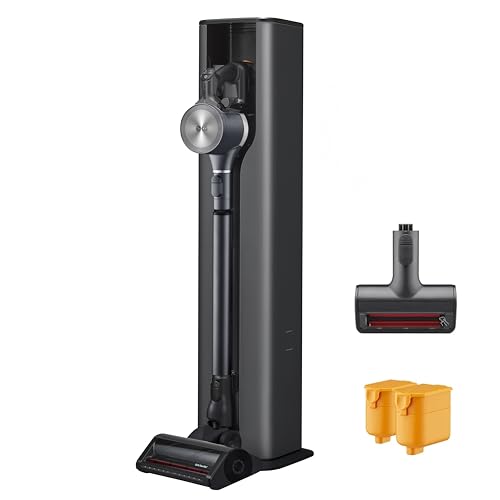
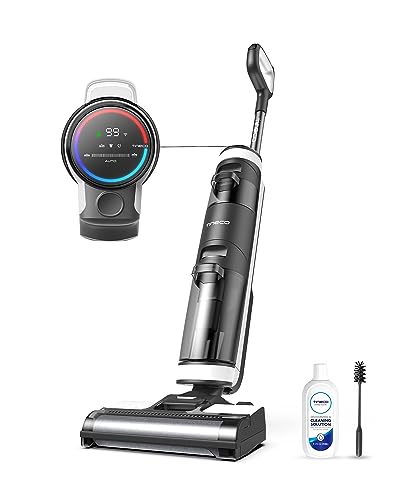
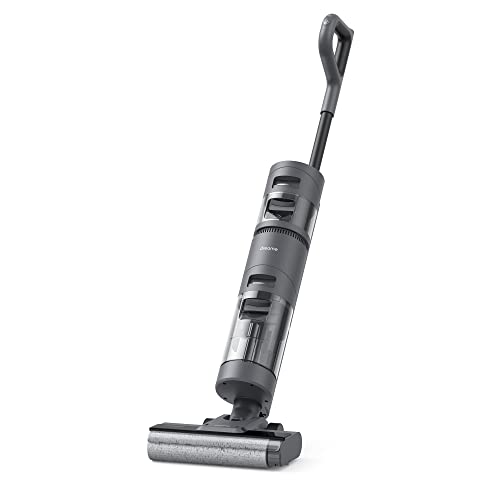
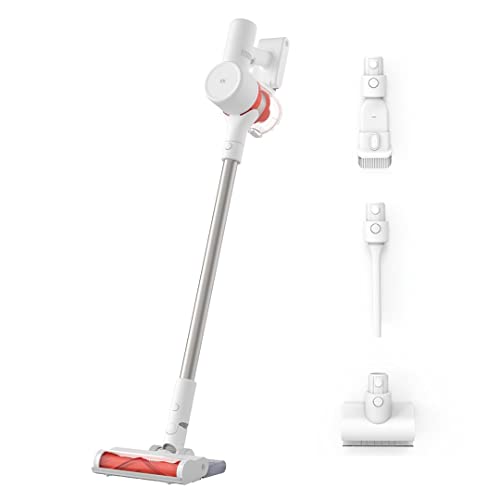
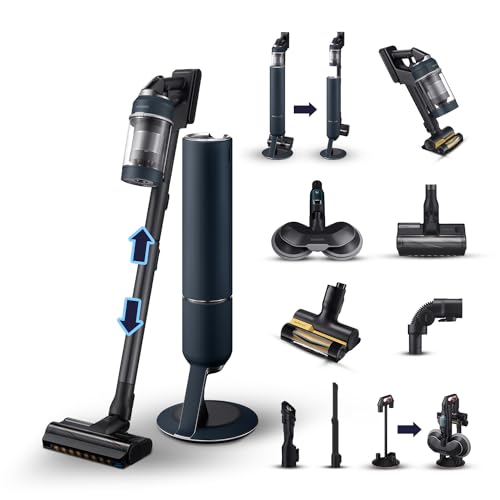
Which brands make the best vacuum mops in 2026?
The best vacuum-mop brands in 2026 are ranked below:
- Samsung (Average overall score: 8.3)
- Rowenta (Average overall score: 8.2)
- LG (Average overall score: 8.2)
The chart below ranks vacuum-mop brands by average overall score.
[horizontal-chart-16201074397664406049090204809188789778292330279564]
What makes a vacuum cleaner suitable for washing floors?
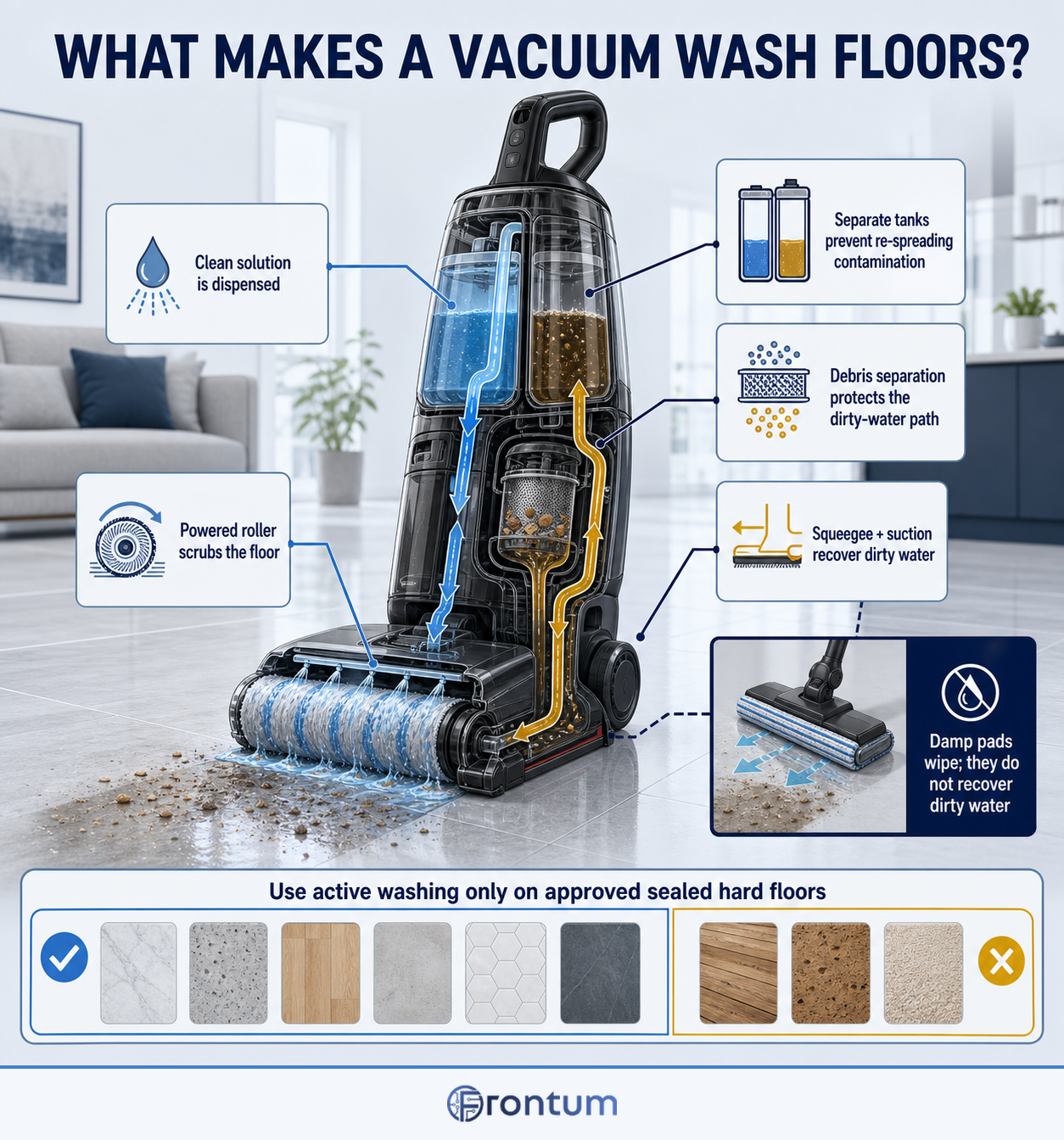
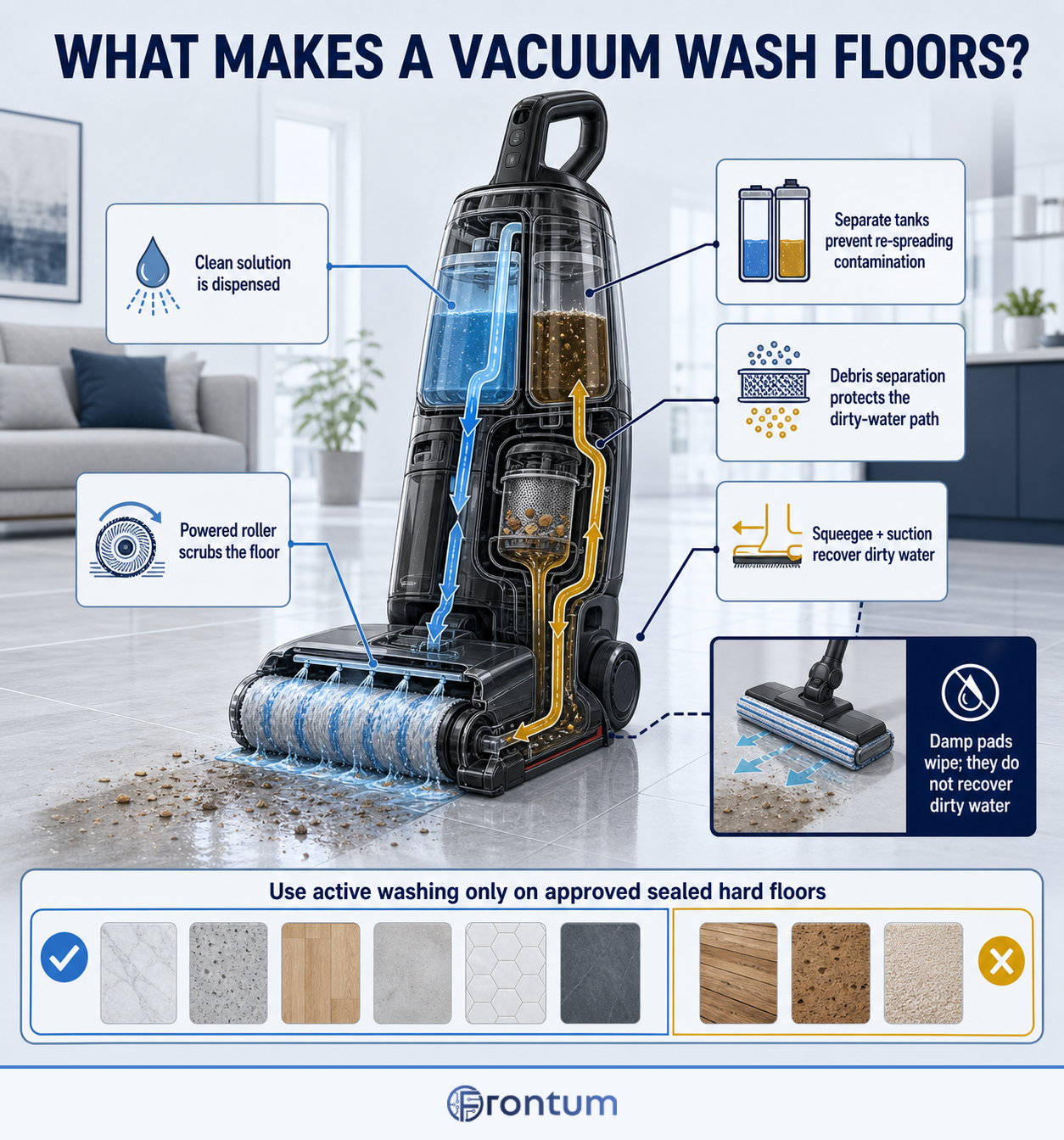
A vacuum cleaner is suitable for washing floors when it actively dispenses clean solution, scrubs with a powered roller and recovers dirty liquid into a separate tank. A conventional vacuum with a damp pad can wipe light dust, but it does not provide the same washing or dirty-water recovery.
Separate clean- and dirty-water paths prevent contaminated liquid from being spread repeatedly across the floor. The tanks should detach without dripping, the dirty tank should separate hair and solid debris from water, and the machine should stop or warn before either tank reaches an unsafe level.
Floor compatibility is equally important. Use active washing only on sealed hard floors approved by the flooring manufacturer; unsealed wood, moisture-sensitive laminate, rugs and carpet require a dry head or another cleaning method even when the vacuum can physically travel over them.
Which rollers and tanks matter in a vacuum mop?
The most useful vacuum-mop design combines a soft absorbent roller with separate clean- and dirty-water tanks of about 0.5–0.8 L each. A dense microfibre surface handles fine dust and liquid, while short bristles or textured strips add agitation for dried marks without becoming too harsh for sealed floors.
Tank shape matters as much as nominal capacity. A wide opening and removable strainer make hair and food debris easier to discard, while a flat internal profile reduces inaccessible residue. A 0.7 L tank adds roughly 0.7 kg when full, so compare working weight rather than the typical dry weight of about 3 kg alone.
How well do vacuum mops clean edges?
A good vacuum mop should clean to within about 5–10 mm of at least one wall edge, while a recessed roller that leaves more than roughly 15 mm usually requires a second pass with a cloth or separate tool. Dual-edge cleaning is more convenient in narrow kitchens and along both sides of corridors.
Among models we reviewed, cleaning paths cluster around 250 mm, which balances room coverage with access around chair legs and cabinets. A wider head finishes open floors faster but can increase the uncleaned strip when the roller does not extend close to the housing.
Edge claims should be checked with the machine moving in both directions because the motor, belt or tank can block one side. Also inspect front pickup: some heads reach side walls well but leave debris immediately in front of a skirting board.
The chart below compares cleaning-path widths across vacuum mops.
[vertical-chart-05771385467444231482146274794312038285723699126716]
How much do vacuum mops cost?
Vacuum mops generally cost about £200-£600, with entry-level models starting near £90-£130 and premium systems reaching roughly £860. Around £300-£400 covers much of the practical market, including powered washing rollers, separate tanks and a charging or cleaning dock.
Higher prices should add better edge reach, controlled water flow, effective dirty-water recovery, removable tanks and a useful drying or self-cleaning cycle. Include the ongoing cost of rollers, filters and approved detergent, because wet components wear and retain residue more readily than parts in a dry vacuum.
The chart below shows the price distribution of vacuum mops.
[vertical-chart-16340651842639621884115671066895903602993502587436]

What should you check before buying a vacuum mop?
You should check the following factors before buying a vacuum mop:
- Washing mechanism: Confirm that the machine dispenses clean solution, scrubs with a powered roller and recovers dirty liquid. A passive damp pad is suitable for light wiping but should not be compared with an active wet/dry cleaner.
- Water tanks: Separate clean- and dirty-water tanks around 0.5–0.8 L balance room coverage with manageable weight. Check the openings, seals, strainers and fill sensors because a nominally large tank is inconvenient when residue cannot be reached.
- Roller and edge reach: A soft textured roller should be removable and cleanable, with replacement rollers sold for the exact model. Look for a 230–280 mm path and about 5–10 mm edge clearance; more than 15 mm leaves a clearly visible strip beside walls.
- Suction and liquid recovery: Among models we reviewed, vacuum mops with published output average around 220 AW, but air watts describe dry airflow performance rather than how completely dirty water is recovered. Check residual moisture, pickup of mixed debris and whether the head clogs when hair and liquid arrive together.
- Runtime and charging: In our research, advertised runtime was around 60 minutes, maximum mode roughly 10–15 minutes and charging close to four hours. Tank capacity may end a session before the battery, so compare both limits for the floor area you intend to wash.
- Working weight and noise: Typical dry weight is around 3 kg, and a full 0.7 L tank adds about 0.7 kg before dirty water accumulates. Models we reviewed reached around 80 dB, so test the normal washing and self-cleaning cycles if quiet operation matters.
- Maintenance and consumables: The roller, cover, dirty tank and airflow path should open without tools and dry fully after use. Verify detergent restrictions and local prices for rollers, filters, tanks, batteries and dock-cleaning parts before buying.