
Are Philips vacuum cleaners good?
Philips vacuum cleaners have an average overall score of 7.3, ranking #15 among comparable vacuum-cleaner brands, and a user rating of 9.1, placing them at #6 based on user reviews.
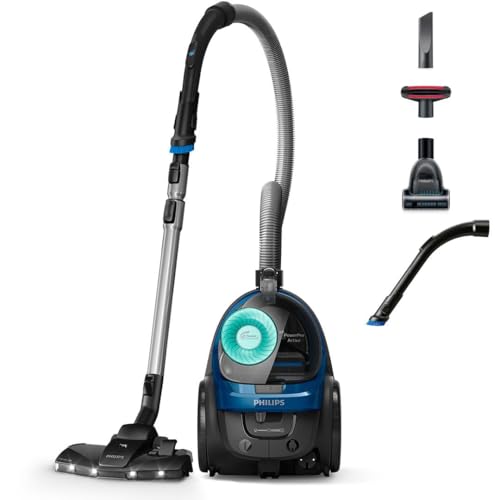
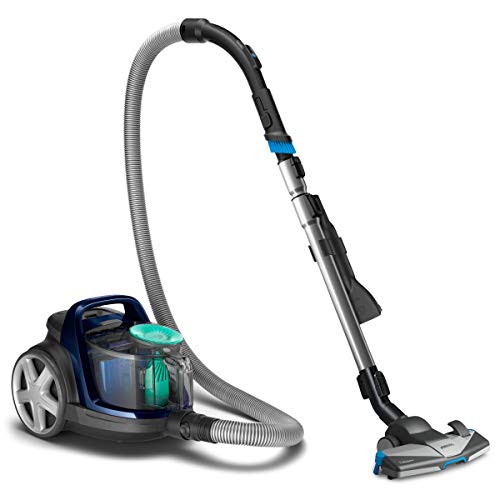
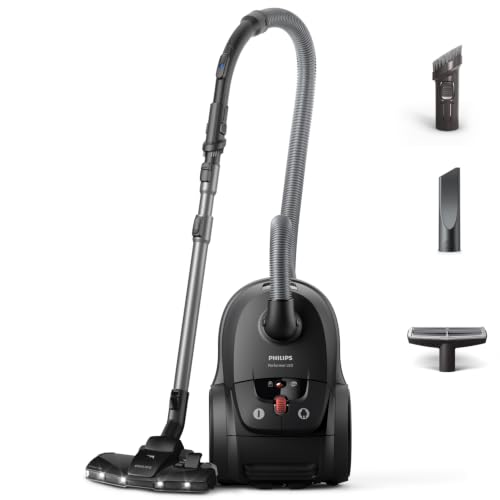
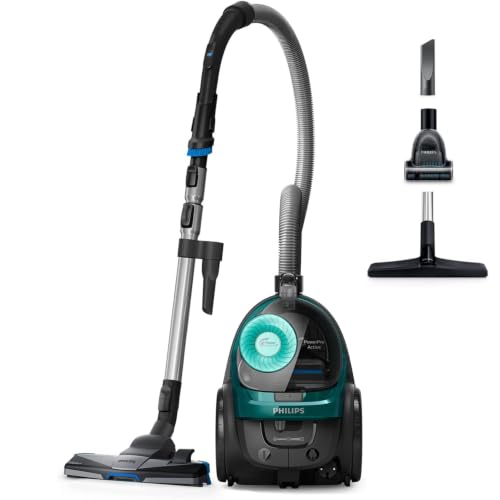
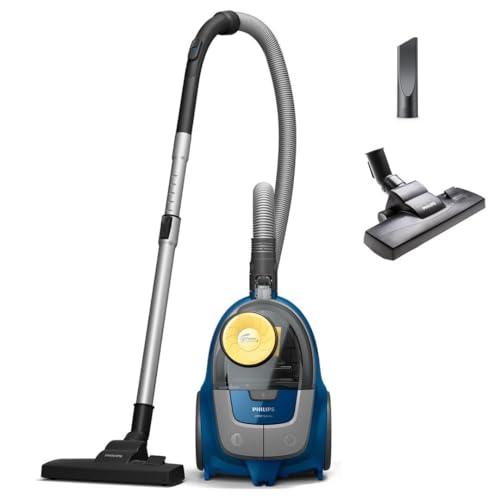
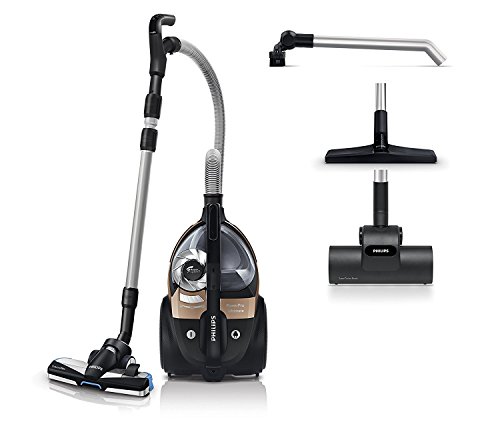
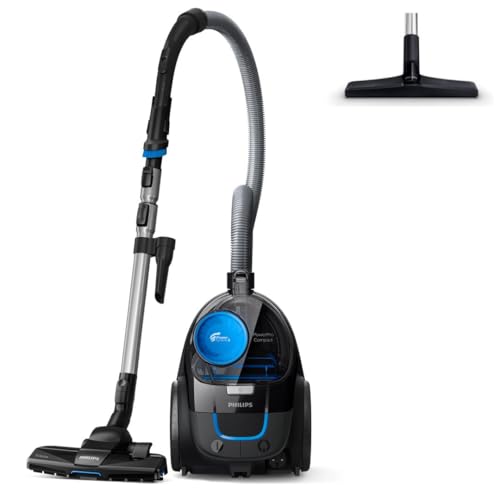
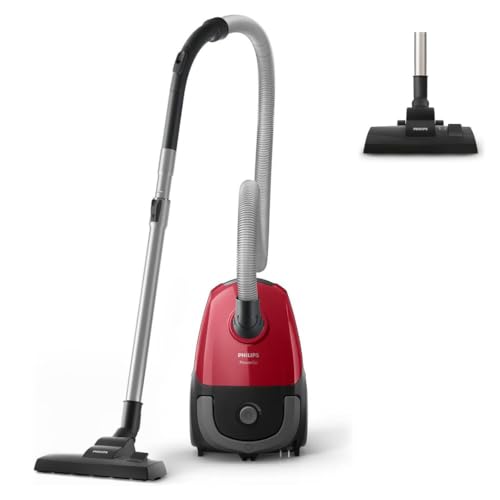
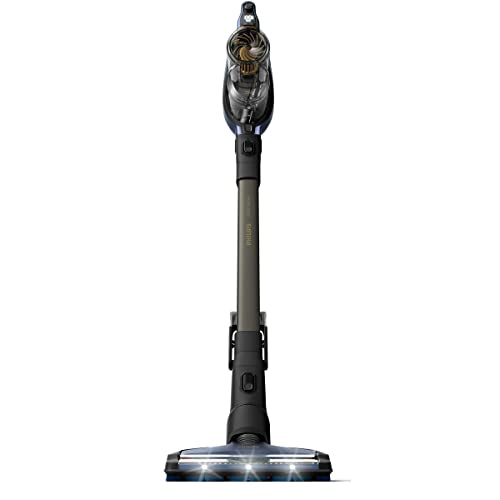
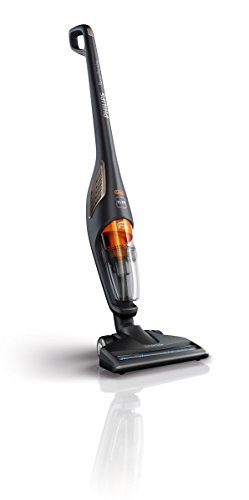
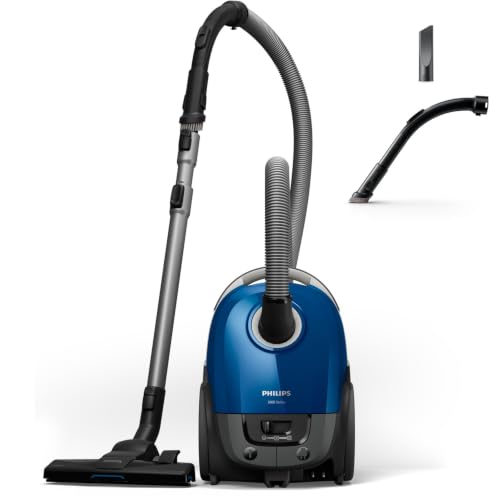
Philips vacuum cleaners are a strong choice for buyers who want clearly differentiated bagged, bagless and cordless ranges. PowerGo provides simple 3 L bagged cleaning, PowerPro Compact and Expert use 1.3–2 L cyclone bins, and SpeedPro targets quick cordless work with wide-opening illuminated heads.
Philips vacuum cleaners are less simple to compare when 2000–8000 Series labels coexist with FC, XB, XD and XC codes. A 7000 Series can be a bagless canister while an 8000 Series may be bagged or cordless, so the complete name and code must be read together.
The chart below compares vacuum-cleaner brands by average overall score.
[horizontal-chart-05060405232908929908180547999782892589572867802681]
What are the main advantages of Philips vacuum cleaners?
The main advantages of Philips vacuum cleaners are as follows:
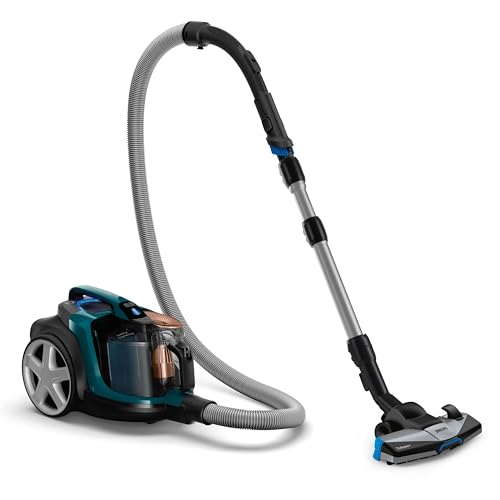
- Mature corded range: Bagged and bagless canisters cover capacities from about 1.3 L to 4 L and operating radii from 9 m to 12 m.
- Useful filtration options: Allergy H13 and HEPA 13-equivalent systems appear across PowerPro and Performer models, often with stated fine-dust capture of 99.9% or more.
- Purposeful nozzles: TriActive heads address several pickup paths, LED versions reveal hard-floor dust and SpeedPro 180- or 360-degree heads collect debris from more than the front edge.
- Standardised bags: Many bagged models use the widely available s-bag system, simplifying long-term consumable supply.
- Long cordless low mode: 8000 Series SpeedPro models can claim 70–80 minutes in Eco and roughly 28 minutes in Turbo, making them more usable for whole-floor sessions than basic sticks.
What are the main disadvantages of Philips vacuum cleaners?
The main disadvantages of Philips vacuum cleaners are as follows:
- Confusing tier labels: Series numbers are reused across bagged, bagless and cordless formats, so 5000 or 8000 does not describe one common platform.
- Small cordless bins: SpeedPro containers are usually about 0.4–0.6 L and can require frequent emptying with pet hair.
- Bagless filter maintenance: PowerCyclone separation reduces dust loading but does not eliminate regular bin, shroud and filter cleaning.
- Cordless battery service varies: Some packs are not designed for quick user swapping, limiting runtime extension and making long-term replacement more important.
- Different performance units: Philips publishes kPa, L/min, L/s, suction watts and motor input across different products. Those figures should not be compared as though they were the same measurement.
Who makes Philips vacuum cleaners?
Philips-branded domestic appliances, including vacuum cleaners, are produced and marketed by Versuni under licence from Royal Philips. The domestic-appliance business adopted the Versuni name after leaving Royal Philips ownership.
Versuni manages Philips floor-care products alongside other home-appliance brands, while manufacturing location varies by model and market.
For bags, filters, batteries and heads, use the full FC, XB, XD or XC code and regional suffix. The Philips name and broad Series number do not guarantee accessory compatibility.
What are the main series of Philips vacuum cleaners?
The main Philips vacuum-cleaner series are as follows:
- PowerGo 2000 and 3000 Series: These are compact bagged canisters with roughly 3 L s-bags and about 9 m operating reach. They suit straightforward everyday cleaning at the accessible end of the range.
- Performer Active 5000 and Performer LED 8000: Performer Active raises capacity toward 4 L and adds stronger TriActive packages, while Performer LED adds an illuminated head and up to about 12 m reach.
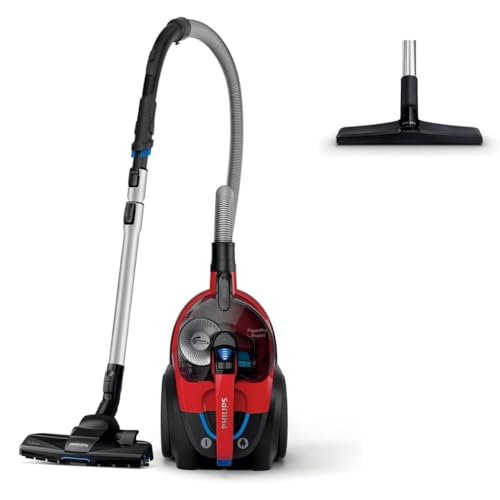
- PowerPro Compact 2000 and 3000: These bagless canisters use roughly 1.3–1.5 L bins and PowerCyclone 4 or 5. They are intended for smaller homes and easier storage.
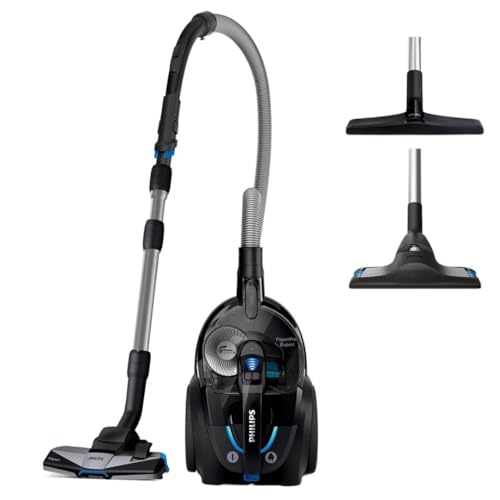
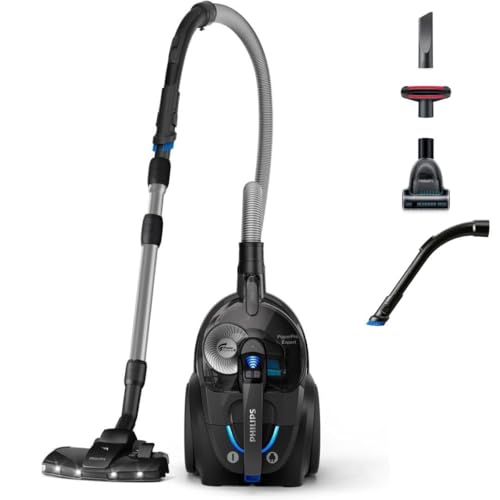
- PowerPro Active 5000 and Expert 7000: Active increases cyclone separation and tool options, while Expert uses a roughly 2 L bin, PowerCyclone 8 and about 10 m reach. Ultimate models sit above these with premium controls.
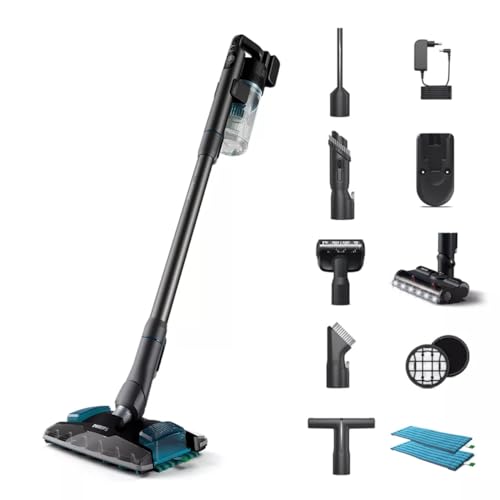
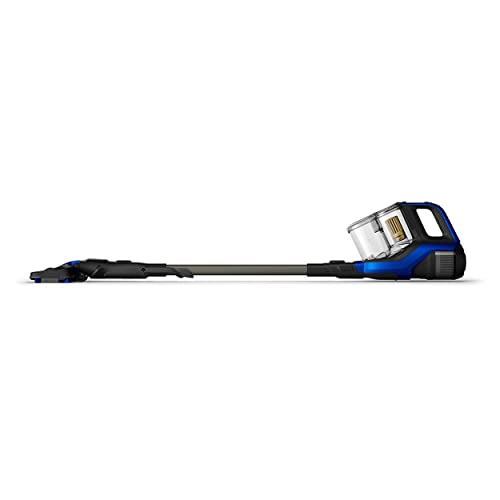
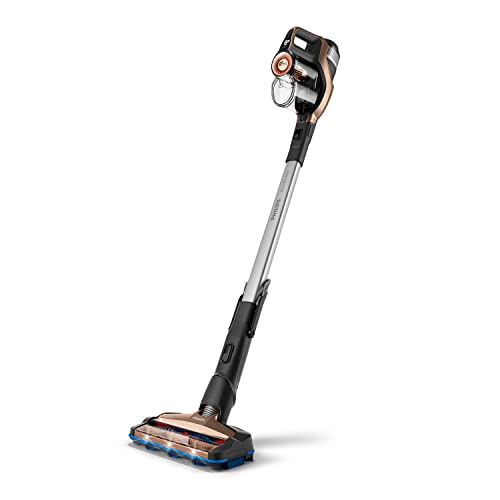
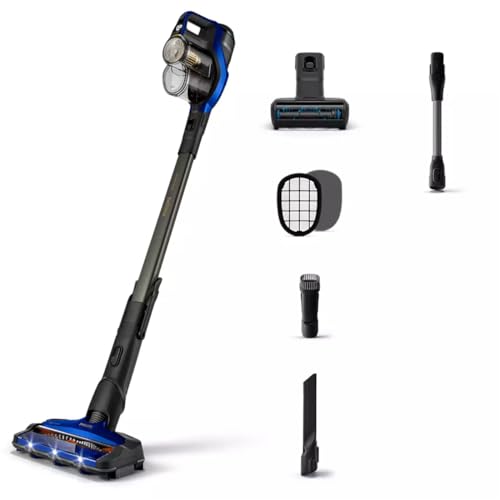
- SpeedPro, SpeedPro Max and cordless 8000: These are Philips cordless sticks, using illuminated heads and roughly 0.4–0.6 L bins. Aqua packages add a wiping attachment rather than dirty-water extraction.
How much do Philips vacuum cleaners cost?
Philips vacuum cleaners generally cost about £70-£390. PowerGo and PowerPro Compact models occupy roughly £70-£130, while 5000 and 7000 Series canisters commonly sit around £130-£220.
SpeedPro cordless models begin near £130 and rise through £220-£300. Premium 8000 Series cordless packages and Aqua Plus versions reach about £300-£390. Pay more for runtime, the right nozzle and filtration, not just a higher series number.
The chart below shows the price distribution of Philips vacuum cleaners.
[vertical-chart-00802539647669103294129888524081386666312639386249]
How do Philips vacuum cleaners compare with Bosch?
Philips and Bosch both cover bagged, bagless and cordless formats. Philips emphasises PowerCyclone separation, TriActive nozzles and s-bag consumables; Bosch offers Power for All removable batteries, larger 5 L corded bags and more ProSilence or ProAnimal packages.
Based on our research, Philips models average roughly £170, compared with about £220 for Bosch. Their compact corded ranges overlap around £100-£200, use 850–900 W motors and generally provide 9–10 m reach. Bosch extends farther into premium Unlimited cordless products.
Choose Philips for a specific PowerPro/Performer nozzle or s-bag ecosystem. Choose Bosch for battery interchangeability, a 15 m Series 8 canister or a specialised ProAnimal package. Compare the exact head, capacity and noise rather than the shared Series number.
What should you check before buying a Philips vacuum cleaner?
Consider the following factors before buying a Philips vacuum cleaner:
- Format and family: PowerGo and Performer are generally bagged, PowerPro bagless and SpeedPro cordless. Confirm the FC/XB/XD/XC code before comparing Series labels.
- Pickup figures: A PowerPro Compact example provides about 17 kPa and 28 L/s, while PowerPro Expert reaches around 33 L/s on selected models. Do not compare these directly with 900 W motor input.
- Capacity and reach: Bagless canisters hold about 1.3–2.2 L, bagged models 3–4 L and cordless sticks 0.4–0.6 L. Corded operating radius is typically 9–12 m.
- Cordless runtime: Basic SpeedPro models provide roughly 40 minutes; 8000 Series reaches 70–80 minutes in Eco and about 28 minutes in Turbo. Check the powered-head condition.
- Nozzle: TriActive suits mixed floors, LED heads expose hard-floor dust and 180/360-degree SpeedPro nozzles collect from the sides. Match the head to carpet depth and hair.
- Filtration and disposal: Allergy H13 is valuable only with a sealed body and correct maintenance. Choose s-bag for cleaner disposal or PowerCyclone when avoiding bags matters.
- Exact package: Pet, Aqua, LED and regional suffixes alter brushes, wiping heads and tools. Verify consumables, battery service and warranty by full model code.