
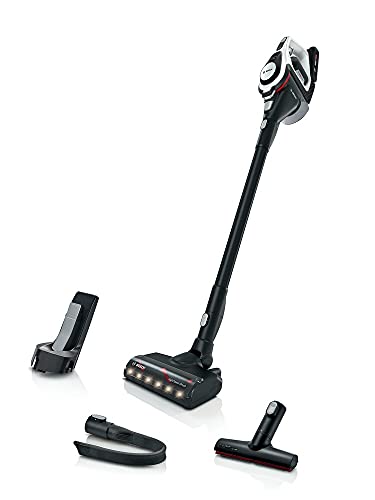
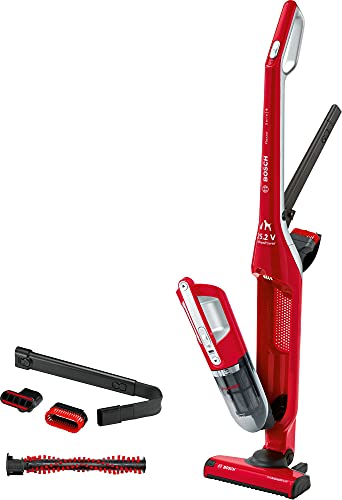
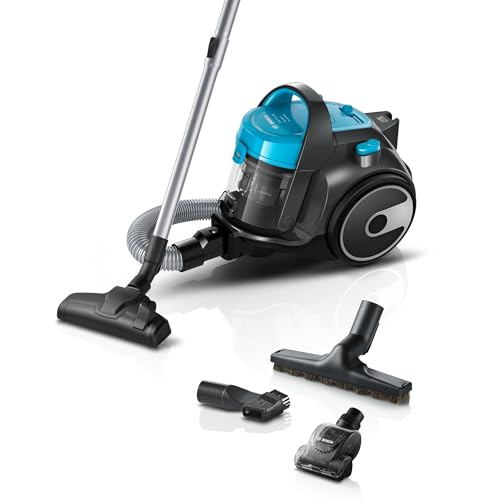
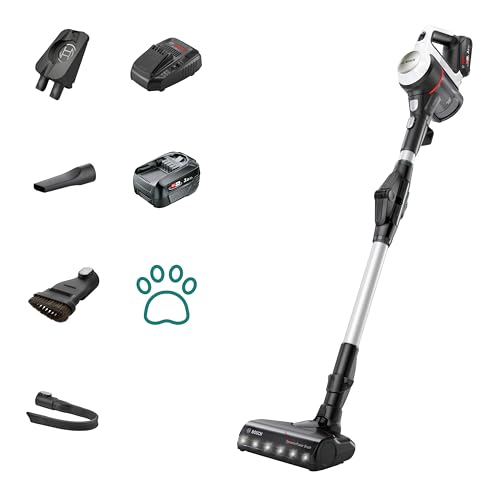
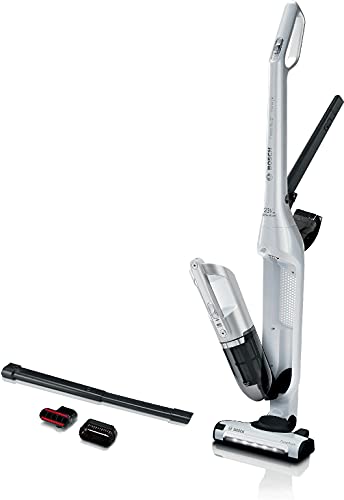
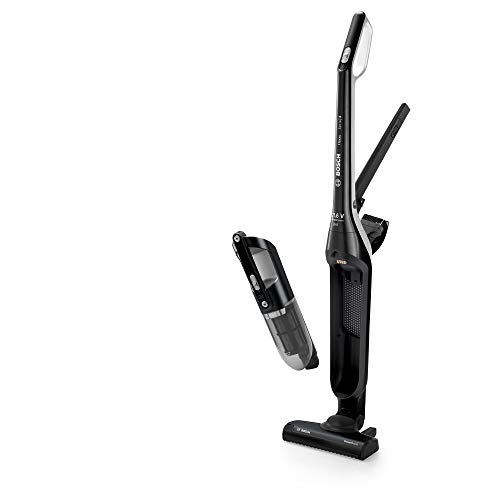
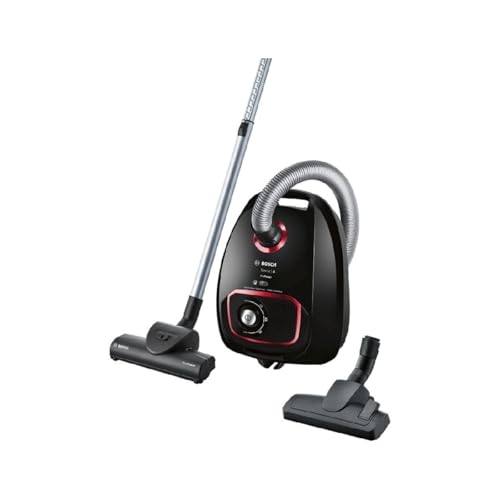
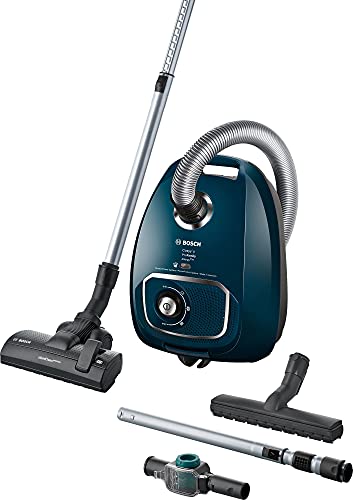
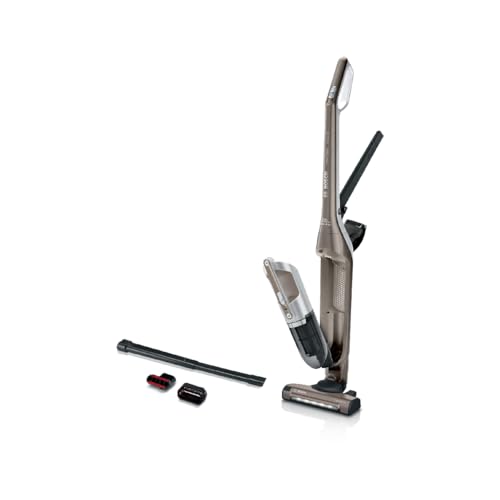
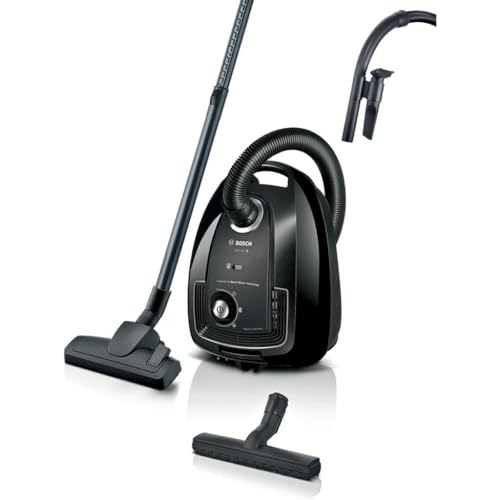
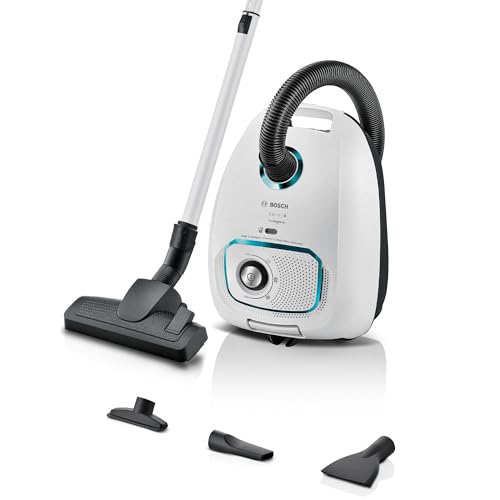
Are Bosch vacuum cleaners good?
Bosch vacuum cleaners have an average overall score of 7.2, ranking #20 among comparable vacuum-cleaner brands, and a user rating of 8.9, placing them at #15 based on user reviews.
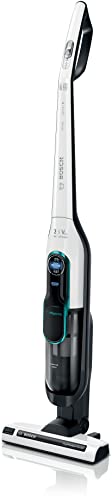
Bosch vacuum cleaners are a good choice for buyers who want a clearly tiered corded range or an 18 V cordless system with replaceable batteries. Series 6 and 8 canisters provide 4–5 L capacity and up to 12–15 m operating radii, while Unlimited 6–10 models emphasise compact motors, powered heads and Power for All batteries.
Bosch vacuum cleaners are less straightforward to compare when similar Series numbers appear across unrelated formats. A Series 8 canister and Unlimited 8 stick share a tier label, not a cleaning platform, so compare the complete BGL, BGS, BCS or BBS code.
The chart below compares vacuum-cleaner brands by average overall score.
[horizontal-chart-05060405232908929908180547999782892589572867802681]
What are the main advantages of Bosch vacuum cleaners?
The main advantages of Bosch vacuum cleaners are as follows:
- Broad format choice: Bosch offers light cordless sticks, self-standing 2-in-1 models, bagged canisters and bagless cyclone machines, so capacity and handling can be matched to the home.
- Replaceable cordless batteries: Unlimited models use removable 18 V packs, and many participate in the Power for All system. A second compatible battery can extend cleaning without replacing the vacuum.
- Large corded capacity: Bagged Series 4–8 models commonly hold 4–5 L, while operating radii can reach 10–15 m. This reduces both disposal and socket changes in a large home.
- Quiet and allergy-oriented choices: ProSilence canisters operate around the mid-60s dB, and ProHygienic or UltraAllergy packages add higher-grade filtration.
- Purpose-built heads: ProAnimal and ProPower packages include stronger brush agitation or hair tools, while parquet heads protect hard floors. The right package can be selected without moving to the highest series.
What are the main disadvantages of Bosch vacuum cleaners?
The main disadvantages of Bosch vacuum cleaners are as follows:
- Dense model codes: BGL, BGB and BGD are generally bagged, BGS and BGC bagless, and BCS or BBS cordless, but suffixes still alter filters and tools. Shoppers must compare more than the retail name.
- Small Unlimited bins: Many cordless models hold only 0.3–0.4 L, which can require frequent emptying even when battery runtime is sufficient.
- Long charging without a rapid charger: Standard 18 V charging can take several hours. The one-hour figures promoted on some packages depend on a specific fast charger.
- Premium cordless prices: Unlimited 9 and 10 packages can reach roughly £390-£600, approaching specialist cordless brands while retaining a compact bin.
- Corded weight and storage: Large Series 8 canisters provide excellent reach and capacity but occupy more space and can be cumbersome on stairs.
Who makes Bosch vacuum cleaners?
Bosch household vacuum cleaners are produced by BSH Hausgeräte, the home-appliance company wholly owned by the Bosch Group. Development and manufacturing are spread across BSH facilities and suppliers, and some German-made motors or models are specifically identified in product documentation.
Bosch also uses the Power for All 18 V battery alliance for compatible cordless products. Compatibility is limited to the stated system and voltage; professional blue Bosch batteries and older vacuum packs may not fit.
Use the full E-number from the rating plate for bags, filters, floorheads and service. Retail model names can omit the suffix that determines the exact regional package.
What are the main series of Bosch vacuum cleaners?
The main Bosch vacuum-cleaner series are as follows:
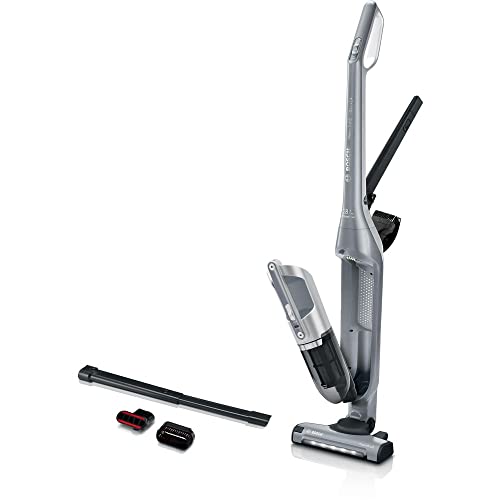
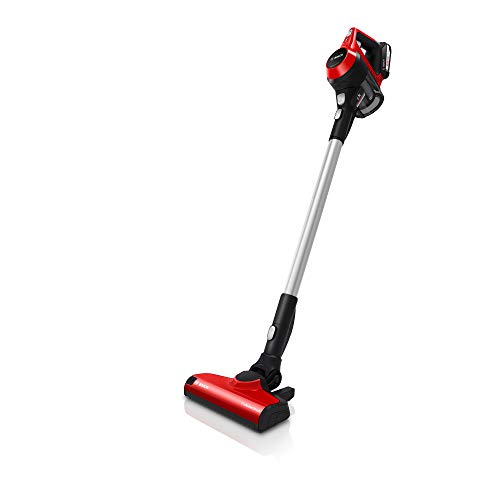
- Readyy’y and Flexxo: These are practical two-in-one sticks with integrated handheld units and roughly 0.4 L bins. Flexxo generally adds longer runtime and onboard tool storage.
- Athlet: Athlet uses a larger cordless upright body and roughly 0.9 L capacity. It suits longer floor-cleaning sessions better than compact two-in-one models.
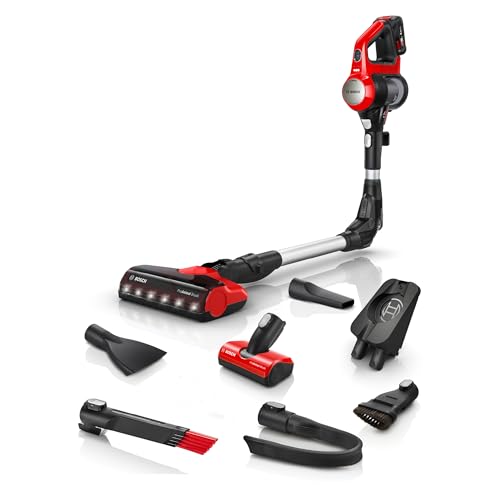
- Unlimited 6 and Unlimited 7: Unlimited 6 prioritizes low weight and interchangeable 18 V batteries, while Unlimited 7 adds a bendable wand and automatic modes. They are Bosch’s mainstream modular sticks.
- Unlimited 8, 9 and 10: These upper tiers add stronger motors, automatic control, particle sensing, displays or faster charging in selected packages. Battery capacity and charger speed still vary by model.
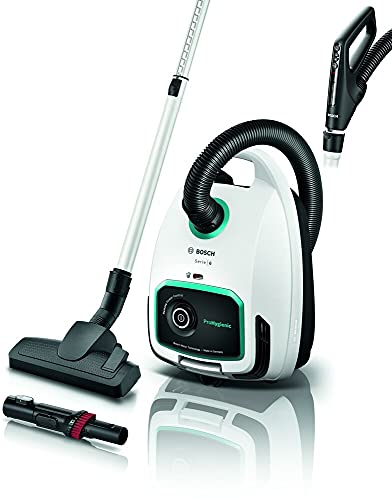
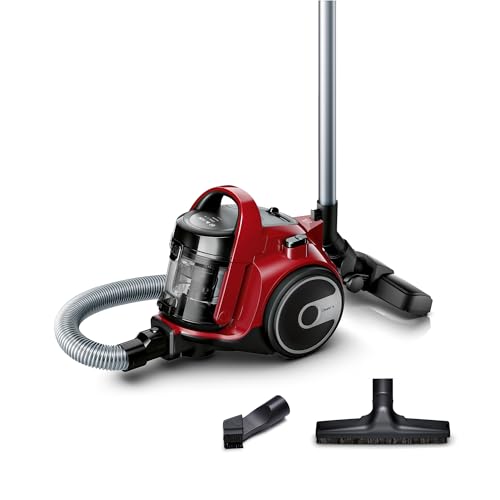
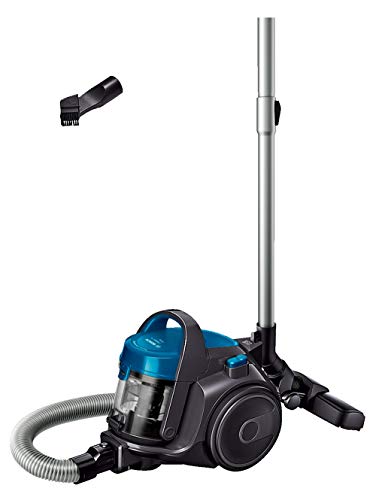
- Corded Series 2 and Series 4: These canisters cover compact entry and midrange use in bagged BGL/BGB or bagless BGC/BGS forms. Capacity and operating radius increase across versions.
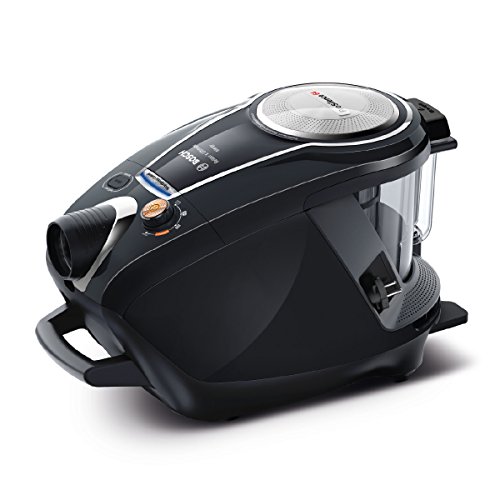
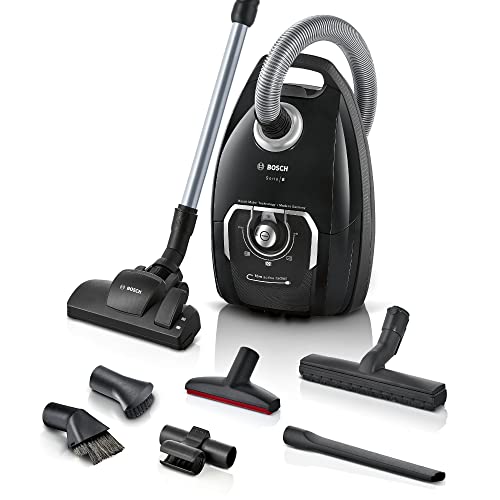
- Corded Series 6 and Series 8: These are the larger or quieter premium canister branches, including ProSilence and Relaxx’x packages. ProAnimal, ProPower and ProHygienic suffixes describe specialized heads or filtration.
How much do Bosch vacuum cleaners cost?
Bosch vacuum cleaners generally cost about £60-£600, with corded canisters concentrated around £100-£300. Series 2 and basic Series 4 models often sit below £140, while quiet, allergy or turbo-brush Series 6–8 packages move toward £200-£300.
Cordless Readyy'y and Flexxo models commonly cost about £90-£190. Unlimited 6 and 7 usually occupy the £170-£300 tier, and Unlimited 8–10 can rise from roughly £300 to £600 depending on battery, charger and tool package.
The chart below shows the price distribution of Bosch vacuum cleaners.
[vertical-chart-07222522559123549064104853963042443668380359297791]
How do Bosch vacuum cleaners compare with Miele?
Bosch and Miele both make mature bagged canisters, but Bosch offers more low-cost models and a much broader cordless range. Miele focuses more consistently on premium canister construction, large HyClean bags and carefully matched floorheads.
Based on our research, Bosch vacuums average roughly £220, while Miele averages around £300. Bosch Series 2–4 canisters start near £60-£130, whereas comparable Miele bagged models usually begin higher. Both brands offer quiet machines around the mid-to-high 60s dB and capacities close to 4–5 L.
Choose Bosch for price range, bagless choice or a Power for All cordless battery. Choose Miele when a premium bagged canister, specialised parquet or electrobrush system and long-established consumable platform justify the extra cost.
What should you check before buying a Bosch vacuum cleaner?
Consider the following factors before buying a Bosch vacuum cleaner:
- Format and code: Decide between Unlimited, Flexxo, Athlet, a bagged BGL/BGB or a bagless BGS/BGC before comparing Series numbers. The first letters often reveal more than the retail tier.
- Floor performance: Do not compare a 600–850 W corded input with cordless air watts. Check brush agitation, head sealing, edge pickup and whether a parquet or turbo head is included.
- Runtime or radius: For cordless use, target 40–60 minutes in a lower mode and check the powered-head figure. For canisters, 10–12 m is convenient and 15 m is excellent for large rooms.
- Capacity: Unlimited bins are commonly 0.3–0.4 L, Flexxo about 0.4 L and Athlet around 0.9 L. Corded bags provide 3.5–5 L, while bagless canisters hold about 1.5–3 L.
- Battery and charger: Confirm Power for All compatibility, pack capacity and whether a rapid charger is included. Charging may take one hour with the fast unit or several hours with a standard charger.
- Noise and filtration: ProSilence models around 64–69 dB suit quieter homes; ProHygienic and HEPA packages help only when seals, bag fit and filter replacement are maintained.
- Package and parts: ProAnimal, ProPower and other suffixes change heads and tools. Use the full E-number when pricing bags, filters, rollers and batteries.