
Are Electrolux vacuum cleaners good?
Electrolux vacuum cleaners have an average overall score of 7, ranking #25 among comparable vacuum-cleaner brands, and a user rating of 8.6, placing them at #20 based on user reviews.
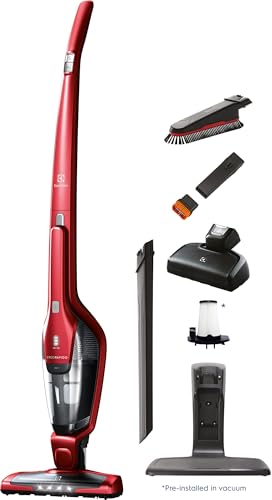
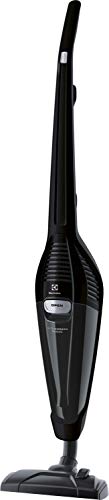
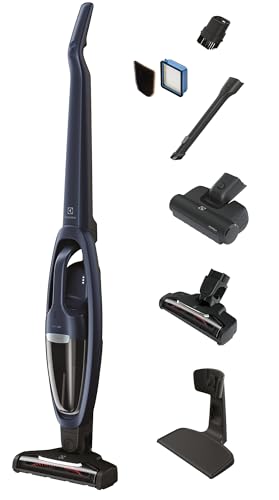
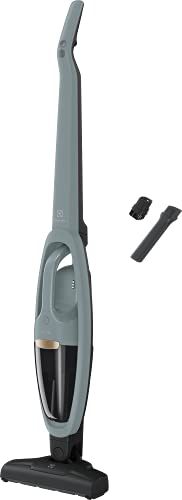
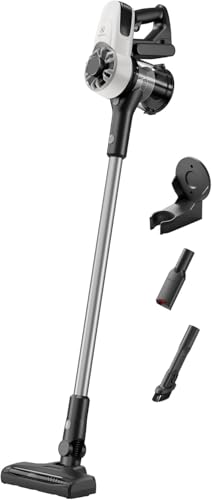
Electrolux vacuum cleaners are a good choice for buyers who want a broad selection rather than one specialised format. Pure D8 and SilentPerformer models favour low-noise corded cleaning, Pure C9 provides a bagless canister alternative, and Ergorapido, Well Q7 or Pure Q9 covers quick cordless work.
Electrolux vacuum cleaners vary in quality and equipment by series and package. A quiet canister with a 3–3.5 L bag solves a different problem from a 0.3–0.5 L stick, so the brand score should only start the comparison; check the actual head, runtime, filtration and local consumables next.
The chart below compares vacuum-cleaner brands by average overall score.
[horizontal-chart-05060405232908929908180547999782892589572867802681]
What are the main advantages of Electrolux vacuum cleaners?
The main advantages of Electrolux vacuum cleaners are as follows:
- Several formats: The range includes bagged and bagless canisters as well as cordless sticks. Buyers can prioritise low weight, a larger 3–3.5 L capacity or continuous mains operation without leaving the brand.
- Quiet corded options: Pure D8 and selected SilentPerformer models operate around the low-to-mid 60 dB range, making them noticeably calmer than machines near 80 dB.
- Practical floorhead packages: Electrolux offers parquet heads, multi-surface nozzles and powered brushes across different series. Packages can be matched to hard floors, carpet or pet hair instead of relying on motor input alone.
- Sensible cordless weight: Many Ergorapido, Pure Q9 and Well Q models weigh roughly 2.2–3 kg, which is manageable for stairs and quick room changes.
- Widely used consumables: Long-running bagged families and shared group platforms can make bags, filters and basic tools easier to source than parts for a short-lived niche model.
What are the main disadvantages of Electrolux vacuum cleaners?
The main disadvantages of Electrolux vacuum cleaners are as follows:
- Inconsistent naming by market: Ergorapido, Well Q, Pure Q and numbered 500 or 600 series can overlap in purpose. Similar-looking models may use different batteries, filters or accessory packages.
- Modest stick-vacuum bins: Cordless capacity is commonly around 0.3–0.5 L, so pet hair or whole-home cleaning can require several emptying stops.
- Runtime depends heavily on mode: A 45–50 minute headline usually describes a lower setting. Powered heads and maximum suction can shorten useful runtime to roughly 10–20 minutes.
- Some canisters are bulky: Full-size bagged and bagless models can weigh 5–8 kg and need storage for the hose, wand and tools, even when floor steering feels light.
- Parts must match the exact code: Electrolux and AEG sometimes share platform ideas, but batteries, nozzles and filters are not automatically interchangeable. Regional suffixes should be checked before ordering.
Who makes Electrolux vacuum cleaners?
Electrolux vacuum cleaners are made and sold by Electrolux Group, the Swedish home-appliance company formed in 1919. Production is distributed across the group's factories and suppliers, so the manufacturing country can differ between a Pure D8 canister, an Ergorapido stick and a model intended for another market.
The group also owns the AEG household-appliance brand. This explains some shared design language and technology, but Electrolux and AEG remain separate consumer labels with market-specific ranges.
For parts and warranty support, use the full product number or PNC rather than the family name alone. Filters, batteries and floorheads that look alike may be assigned to different regional platforms.
What are the main series of Electrolux vacuum cleaners?
The main Electrolux vacuum-cleaner series are as follows:
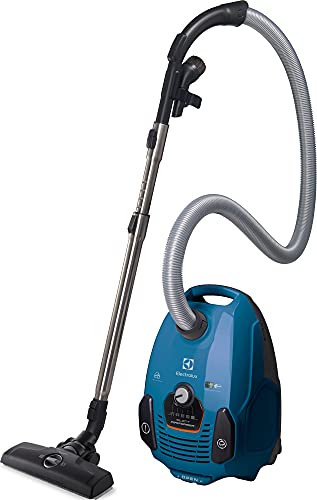
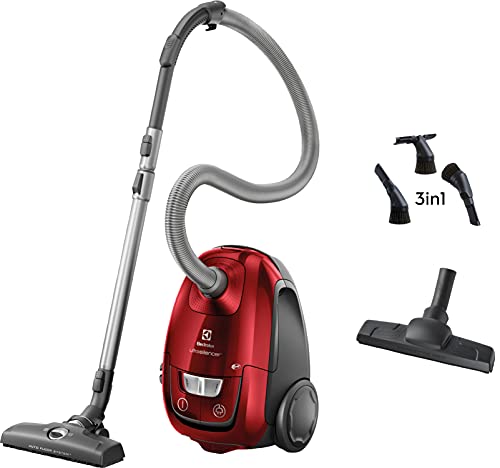
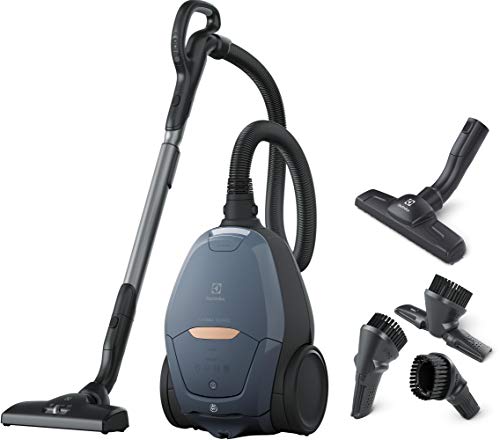
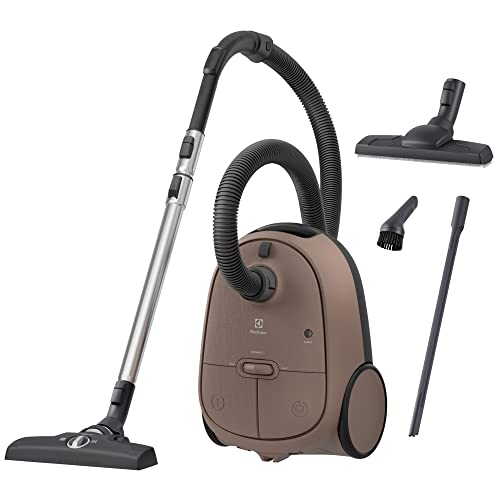
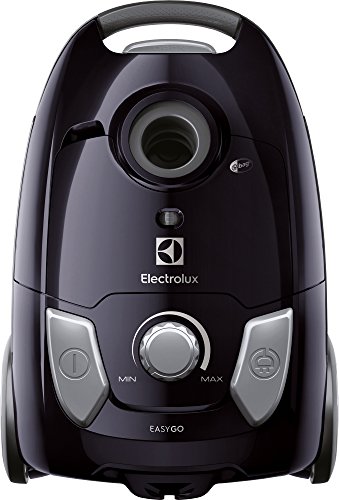
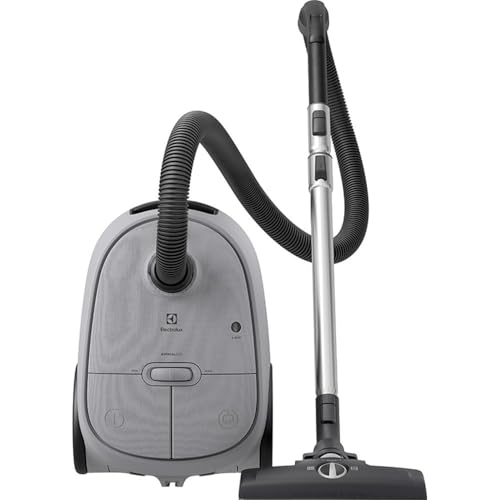
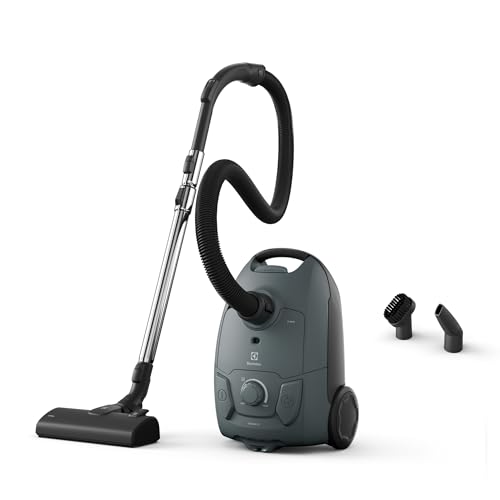
- Pure D8 and SilentPerformer: These are bagged canister families aimed at quiet, long-session cleaning. Their larger bags suit homes that prefer infrequent disposal and less direct contact with dust.
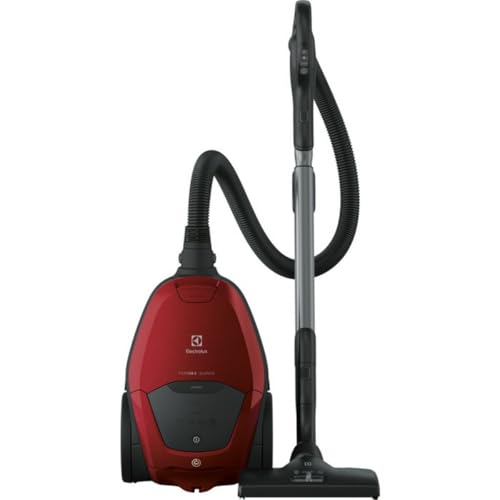
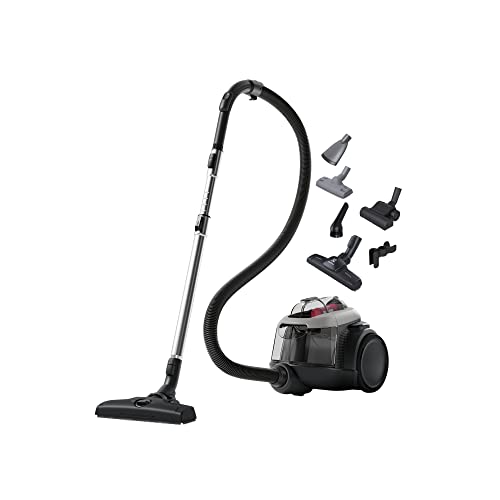
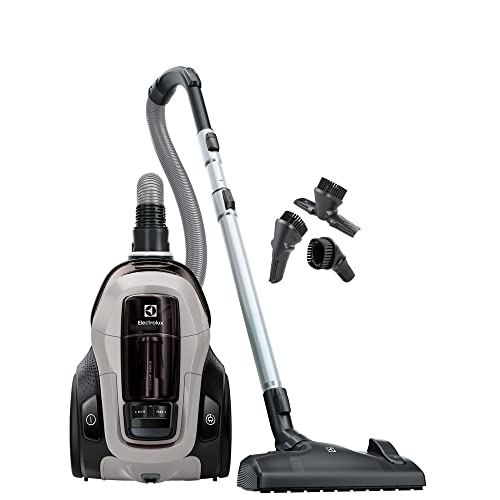
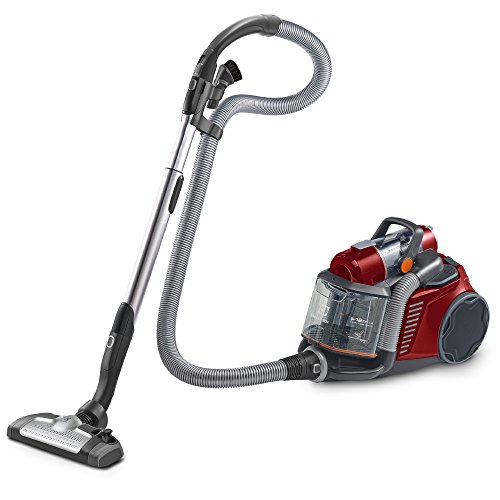
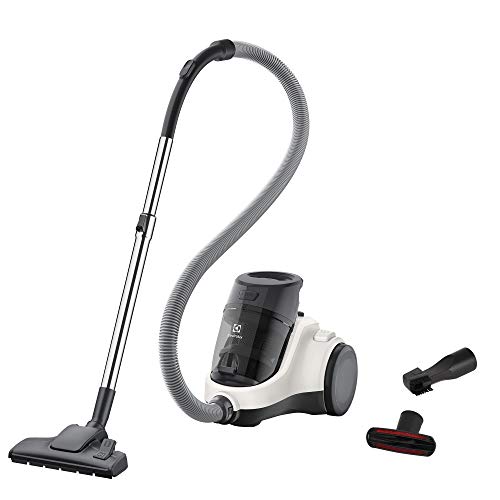
- Pure C9: Pure C9 is the bagless canister branch, using cyclone separation and a reusable bin instead of disposable bags. It suits buyers who accept more bin and filter maintenance.
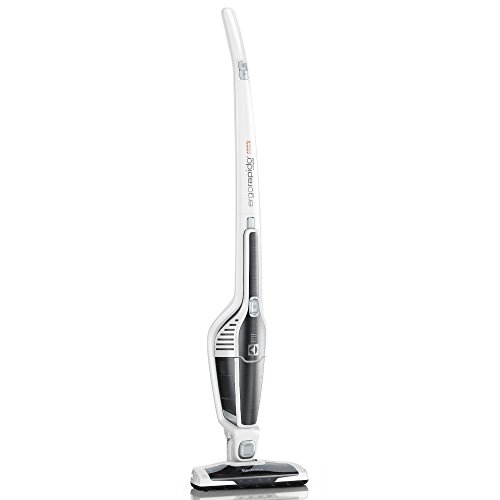
- Ergorapido: This is Electrolux’s established two-in-one stick family with an integrated handheld cleaner. It is best for routine pickups rather than sustained maximum-power cleaning.
- Well Q6, Well Q7 and Pure Q9: These families move toward more capable cordless floor cleaning, with Pure Q9 positioned as the more premium branch. Bin size remains relatively small, so they favor frequent maintenance cleaning.
- 300, 500 and 600 Series: These newer numbered cordless families use different motors, batteries and brush packages across markets. Compare the complete model code because a higher number does not guarantee every accessory or feature.
How much do Electrolux vacuum cleaners cost?
Electrolux vacuum cleaners generally cost about £40-£260. Basic corded canisters and entry cordless models occupy the £40-£130 range, while better-equipped Ergorapido, Well Q or quiet bagged packages often sit around £130-£190.
Pure Q9, Pure D8 and premium accessory bundles can move toward £220-£260. At that level, look for a quieter motor, stronger powered head, longer usable runtime or a genuinely useful parquet or pet tool rather than paying for finish alone.
The chart below shows the price distribution of Electrolux vacuum cleaners.
[vertical-chart-02552940209225044416142285622232642012350586177225]
How do Electrolux vacuum cleaners compare with AEG?
Electrolux and AEG household vacuums come from the same corporate group, and comparable models may share platform ideas, filtration layouts or accessories. Neither label is automatically the premium choice in every market; the range and naming depend on the country.
Based on our research, both brands average about £170 overall, although Electrolux starts lower at roughly £40 while AEG extends farther into premium cordless packages near £390. Their average cordless runtime is also similar at around 50 minutes in a lower mode.
Choose between the exact models by noise, head, battery, bag or bin capacity and local parts. A quiet Pure D8 can be a better fit than an AEG stick for long corded sessions, while an AEG cordless package may offer the brush or battery configuration missing from a similar Electrolux.
What should you check before buying an Electrolux vacuum cleaner?
Consider the following factors before buying an Electrolux vacuum cleaner:
- Format: Choose a cordless stick for stairs and short sessions, a bagged canister for cleaner disposal and 3–3.5 L capacity, or a bagless canister when avoiding replacement bags matters more.
- Pickup system: For carpet, look for a powered or strongly agitating head rather than comparing 600–900 W motor input. For hard floors, a dedicated parquet head should roll freely and collect crumbs without scattering them.
- Runtime or operating radius: A cordless target of 40–50 minutes in a lower mode suits routine cleaning, but confirm high-power runtime. For corded models, check cable, hose and wand together; a radius near 9–12 m reduces socket changes.
- Noise: Models near 60–65 dB are suitable when quiet operation matters, while 75–80 dB is much more noticeable. Confirm that the quoted figure applies to the normal mode.
- Capacity and weight: Cordless bins around 0.3–0.5 L trade capacity for a roughly 2.2–3 kg body. Canisters provide about 1.5–3.5 L but can weigh 5–8 kg before accessories.
- Filtration and consumables: Check whether the exhaust path is sealed, which filter is washable and the price of compatible bags or replacements. Allergy claims are most useful when seals and maintenance are clear.
- Exact package: Verify the floorhead, mini turbo tool, charger, battery and product number. Series names are reused, and a small suffix can change both accessories and spare-part compatibility.