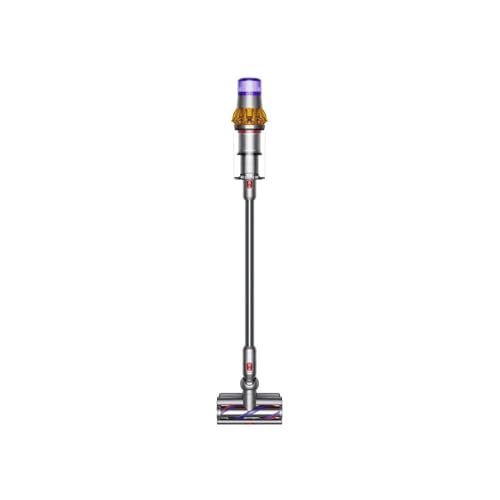
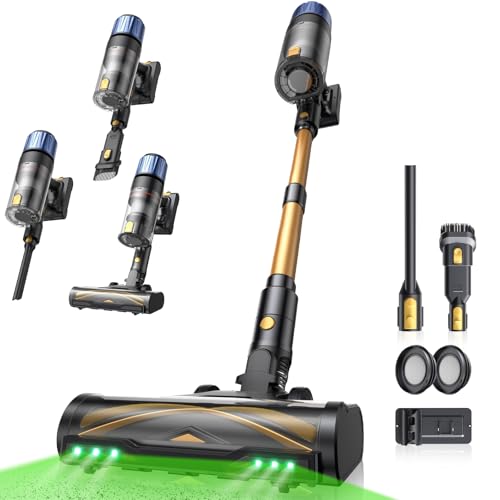
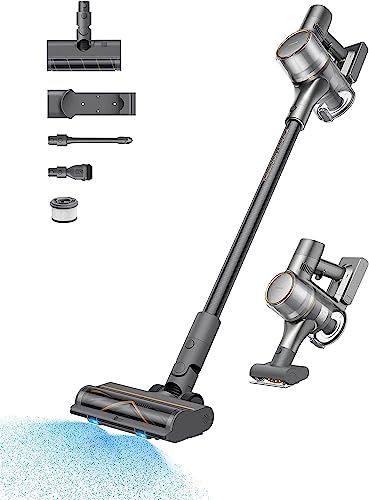
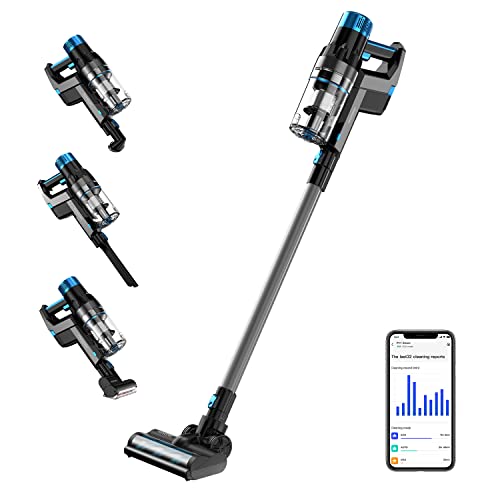
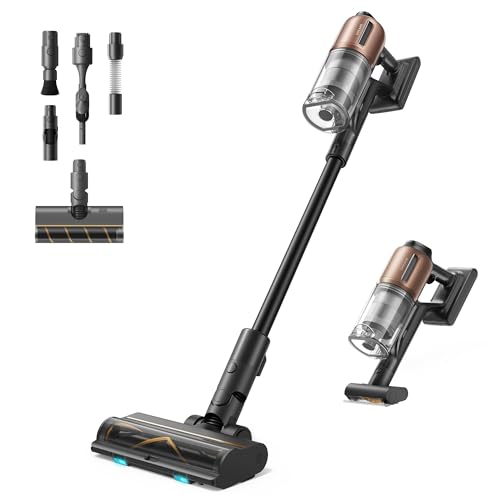
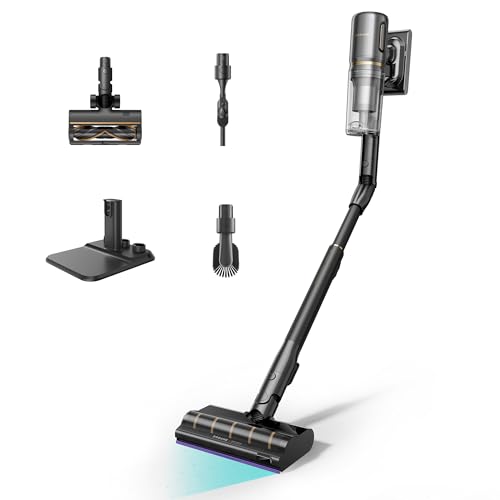
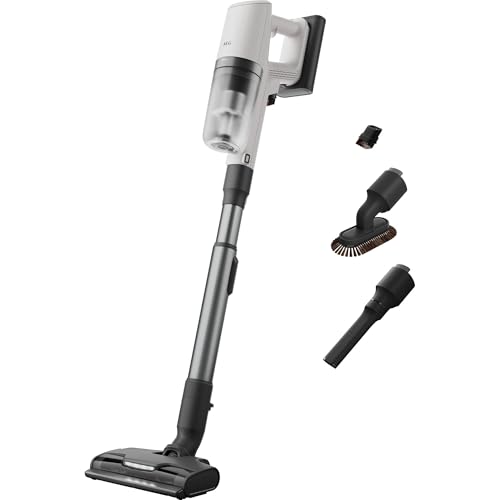
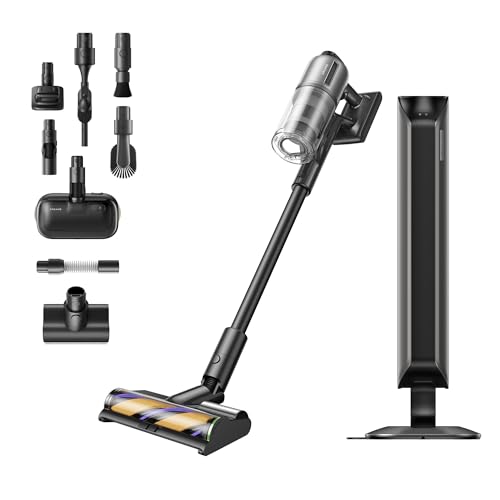
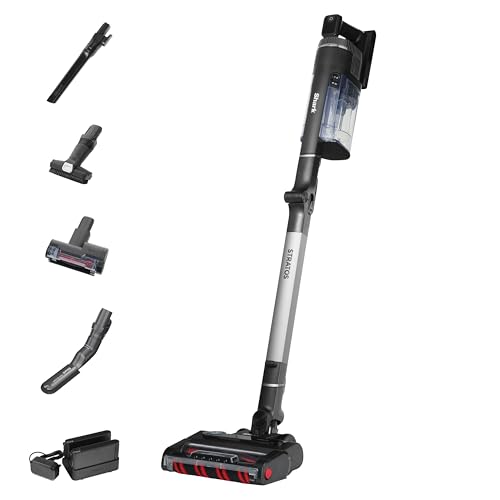
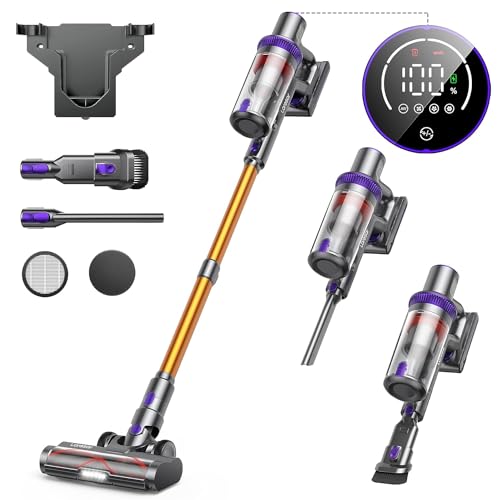
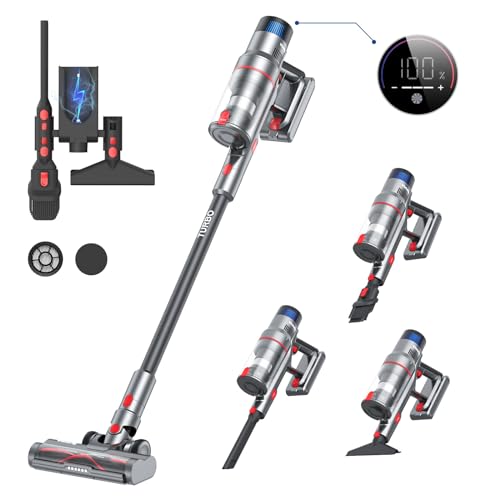
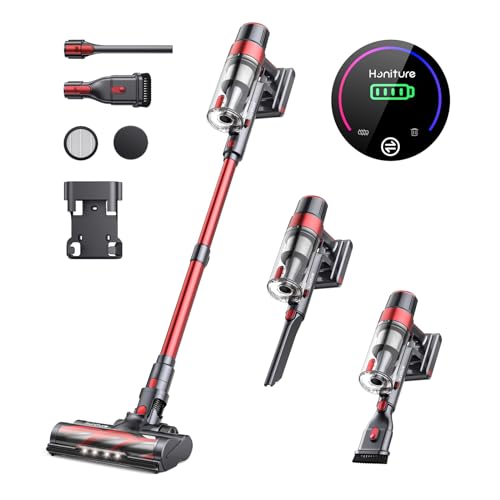
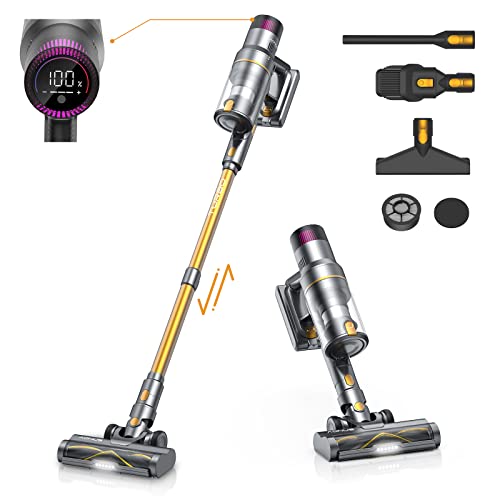
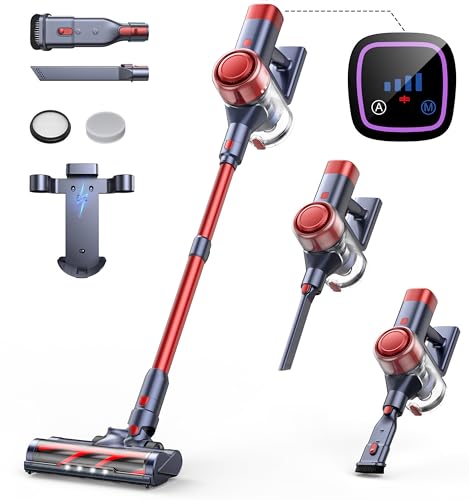
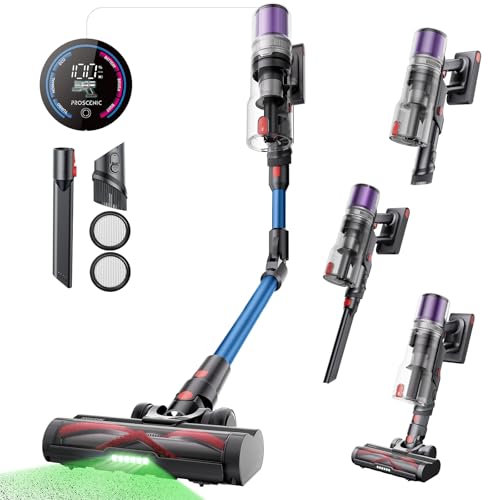
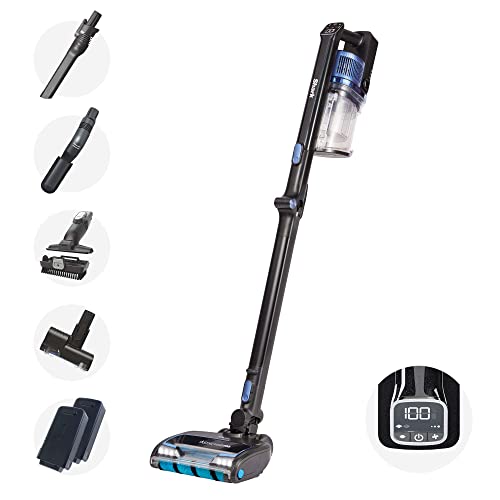
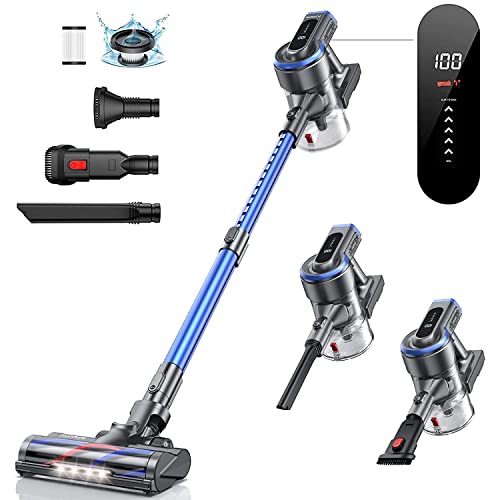
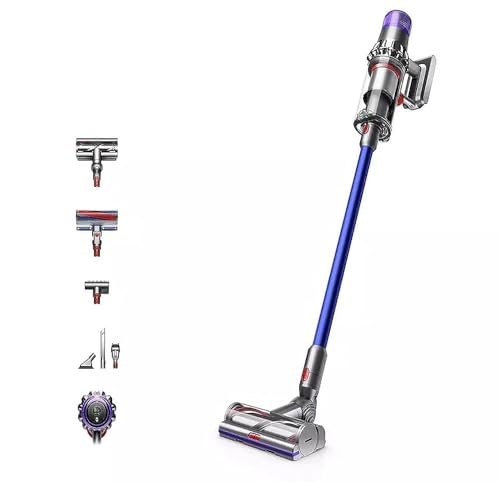
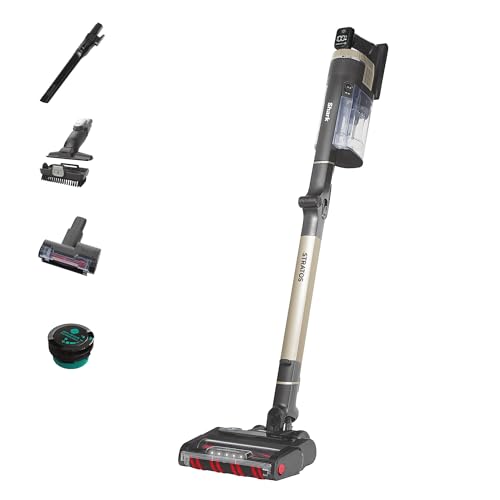
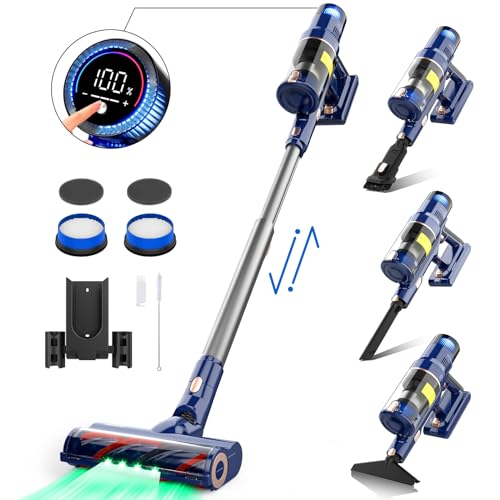
Which brands make the best stick vacuums in 2026?
The best stick-vacuum brands in 2026 are ranked below:
- BuTure (Average overall score: 8.5)
- Dreame (Average overall score: 8.4)
- LG (Average overall score: 8.3)
- Shark (Average overall score: 8.2)
- Proscenic (Average overall score: 8.2)
The chart below ranks stick-vacuum brands by average overall score.
[horizontal-chart-02659556093446382804074361322337850281463386074484]
What is a stick vacuum, and how does it work?
A stick vacuum places its motor, dust container, controls, and cleaning wand in one slim assembly, allowing the user to steer the floorhead directly rather than pulling a separate canister. Most convert into a shorter handheld configuration for stairs, furniture, shelves, or cars.
Cordless stick vacuums draw power from a lithium-ion battery and usually offer several suction levels. Runtime falls when a motorized head or maximum-power mode is used, so the quoted maximum should not be treated as whole-home runtime under every condition. Corded sticks avoid charging and battery ageing but keep the cable-management limitations of other mains-powered vacuums.
Debris travels through the head and wand into a compact bin, where cyclones, mesh screens, and filters separate particles from the exhaust air. The short, narrow airflow path makes the format agile, but small bins, tightly packed filters, and bends around the handheld unit require regular emptying and blockage checks.
The chart below shows the share of stick vacuums that are cordless.
[pie-chart-03447642672776026264158462181756065149432866785129]
Who should choose a stick vacuum?
Stick vacuums are best suited to the following users and homes:
- Frequent quick-cleaners: A stick vacuum is easy to grab for crumbs, tracked-in dirt, and daily pet hair, making it more likely that small messes are removed before they spread.
- Small and medium-sized homes: Compact storage and cordless movement suit flats and homes that can be covered within a realistic powered-head battery cycle.
- Homes with stairs or mixed surfaces: The slim body and handheld conversion simplify movement between floors, furniture, and car interiors, provided the machine remains comfortable when carried.
- Pet owners: A powered main head and mini motorized tool can handle hair on floors and upholstery, but bin capacity and anti-tangle maintenance still deserve attention.
- Buyers wanting a secondary vacuum: A lightweight stick can complement a larger corded machine used for extended carpet cleaning, workshops, or seasonal deep cleans.
Are stick vacuums better than canister vacuums?
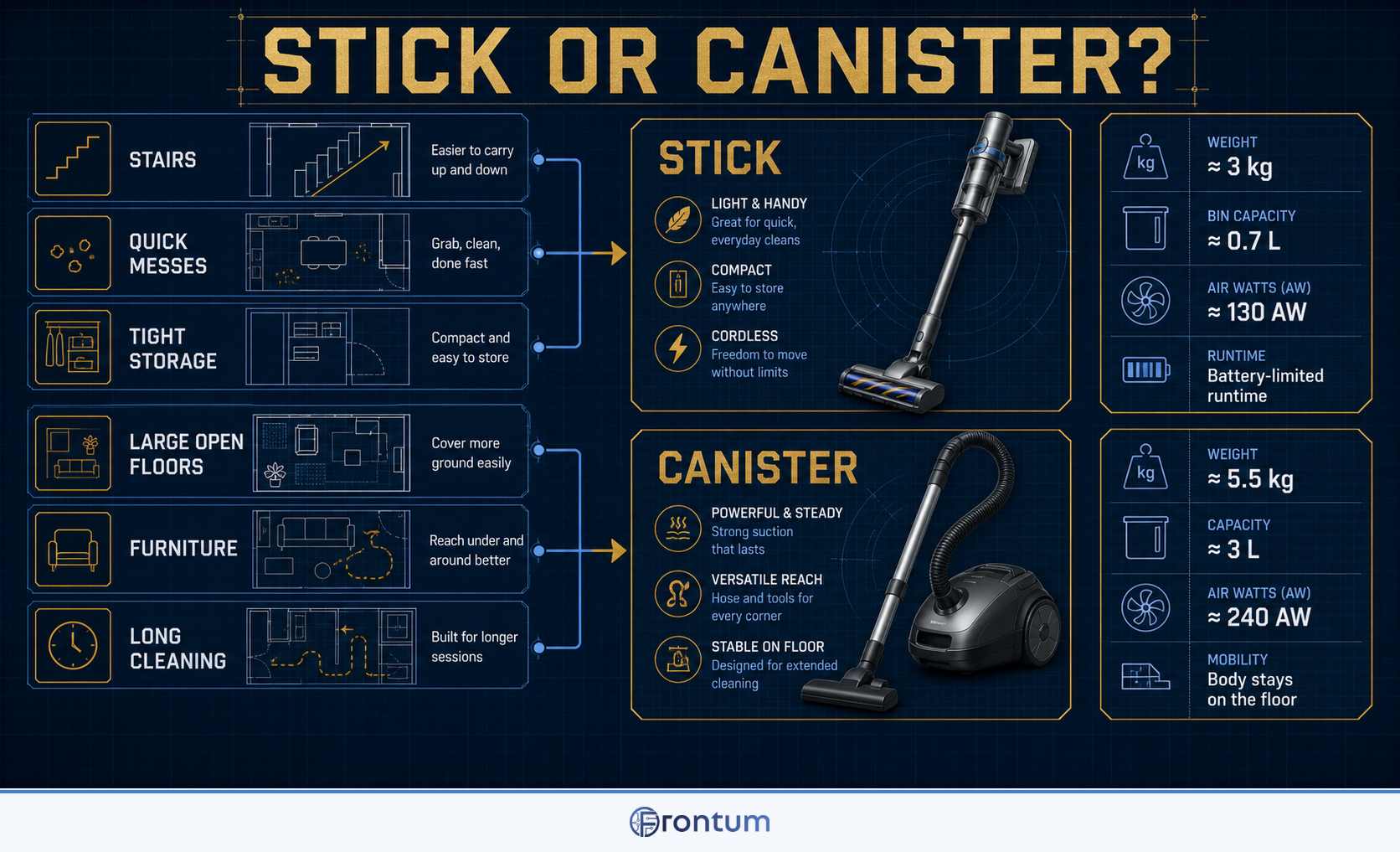
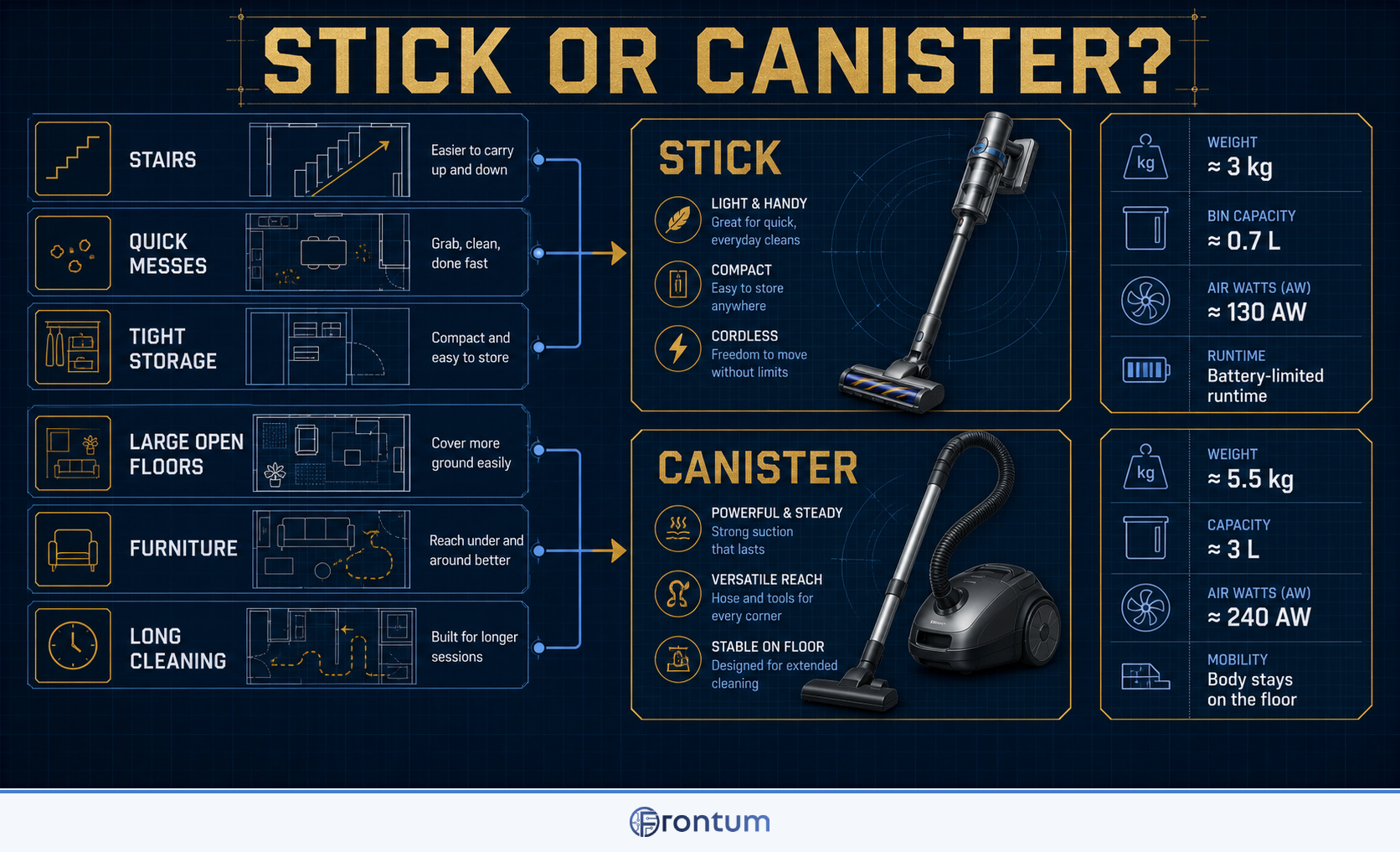
Stick vacuums are usually better than canister vacuums for quick cleaning, stairs, tight storage, and moving between rooms, but canister models are generally better for long sessions and sustained deep cleaning. The right choice depends on whether low setup time or uninterrupted operation matters more.
A stick vacuum keeps the floorhead and controls in one compact assembly, but its motor, battery, and small bin add weight near the hand and may require frequent emptying. A canister leaves most of the weight on the floor, offers a larger bag or bin, and runs without a battery limit, although its hose and wheeled body are less convenient around furniture and stairs.
What makes a stick vacuum easy to handle?
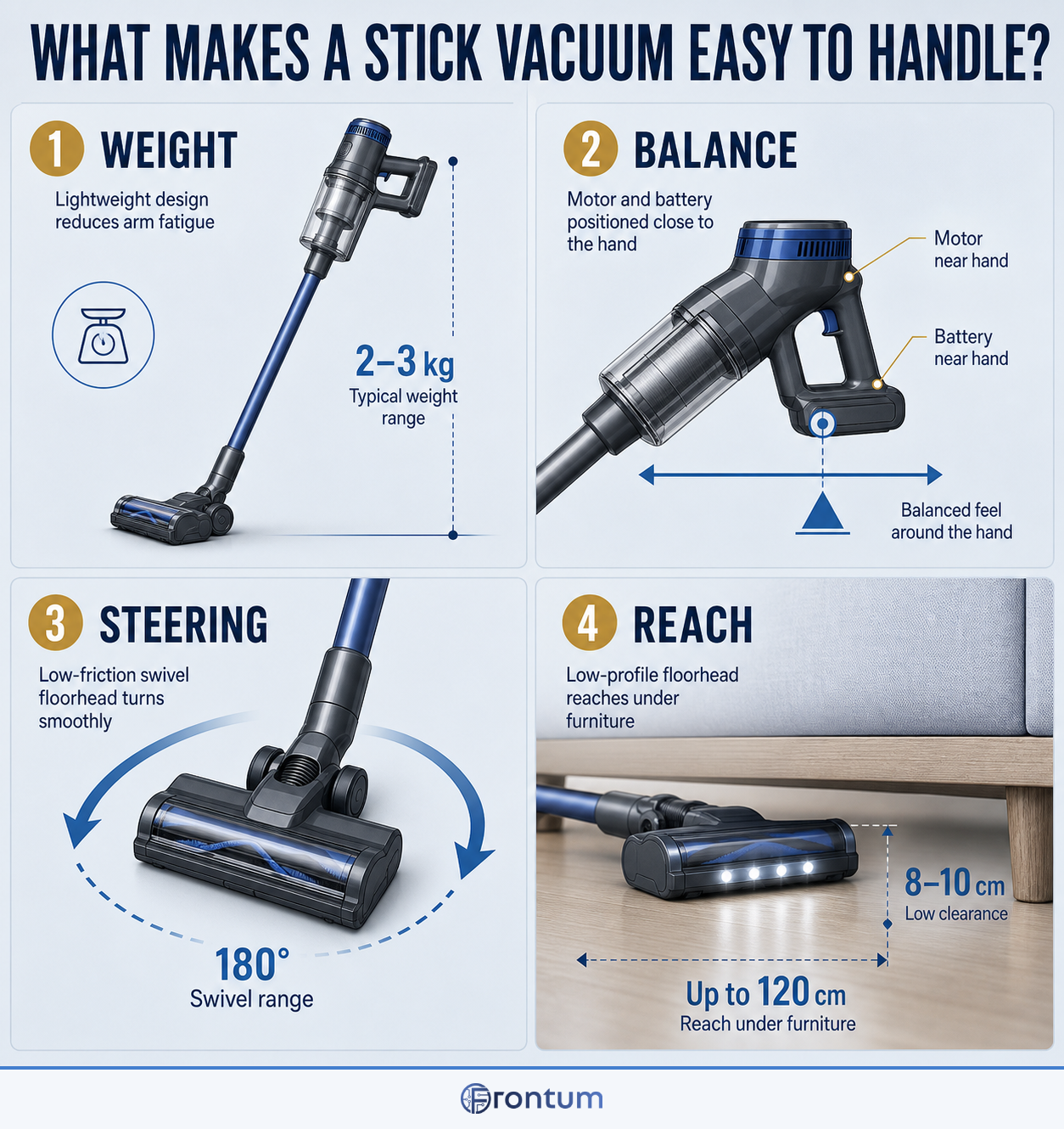
A stick vacuum is easiest to handle when it weighs about 2–3 kg, carries its weight close to a well-positioned grip, and lets the floorhead support the machine during normal cleaning. Models above roughly 3.5 kg or with a top-heavy motor can become tiring on stairs and in handheld mode even when they steer well on the floor.
A low-friction swivel joint, a head that lies nearly flat, and a cleaning path around 220–280 mm improve movement around furniture. Powered carpet brushes need enough agitation without becoming hard to push, while soft rollers, edge channels, and anti-tangle combs are more useful on hard floors and in homes with long hair or pets.

Which filtration and attachments matter most for stick vacuums?
The most useful filtration and attachments for stick vacuums are the following:
- Sealed exhaust filtration: A high-efficiency filter works best when the body and seals prevent dusty air from leaking around it. Check whether the whole machine is described as sealed, how the filter is tested, and how often it needs washing or replacement.
- Powered multi-surface head: This should agitate carpet while remaining easy to push and should collect larger debris without snowploughing it forward. Automatic floor sensing or an adjustable gate can help one head work across mixed surfaces.
- Soft hard-floor roller: A soft roller picks up fine dust and crumbs with less scattering than a stiff carpet brush. It is especially useful in homes dominated by timber, laminate, or tile.
- Mini motorized pet tool: A small powered brush improves pickup from stairs, upholstery, pet beds, and car seats. An anti-tangle design reduces maintenance but does not eliminate the need to inspect the roller ends.
- Crevice, dusting, and flexible tools: A crevice nozzle handles edges, while soft bristles protect shelves and delicate surfaces. Flexible or angled adapters add reach under appliances and above furniture, but only if they attach securely and store conveniently.
How much do stick vacuums cost?
Stick vacuums commonly cost about £60-£410, with roughly £120-£260 covering many practical everyday cordless models and well-equipped corded alternatives.
Below about £120, expect shorter battery life, simpler floorheads, smaller accessory kits, or more basic filtration. These compromises can be reasonable for a small hard-floor home or quick secondary cleaning, provided the head picks up your usual debris and replacement filters remain available.
From around £260 upward, the extra cost increasingly buys stronger powered heads, anti-tangle systems, lighter materials, displays, automatic suction control, removable batteries, or more complete sealed filtration. Premium prices make the most sense when those features solve a real problem; an extra head or battery is valuable only if it supports the way you clean.
The chart below shows the price distribution of stick vacuums.
[vertical-chart-04762150818224339660141800416443810641741402848773]
What should you check before buying a stick vacuum?
You should check the following factors before buying a stick vacuum:
- Suction output: Around 100–150 AW is a useful target for mixed hard floors and low-pile carpet, while 150 AW or more is preferable for thicker carpet and embedded pet hair. Compare air watts only under similar test conditions; kPa measures pressure and motor watts measure electrical input, so neither is directly interchangeable with AW.
- Working runtime: Look for about 40–60 minutes in the normal low-power test mode and at least 8–15 minutes in boost mode. Confirm whether those figures include the powered floorhead, because a motorized brush and automatic high-power operation can shorten runtime substantially.
- Battery and charging: A typical capable system uses roughly 18–29 V and 2,000–3,600 mAh, but watt-hours are more comparable than voltage or capacity alone; calculate Wh as volts multiplied by amp-hours. A charge time around 3–4 hours is convenient, and a removable battery is important if the home needs more than one cleaning cycle.
- Weight and cleaning width: About 2–3 kg is manageable for regular floor cleaning, while models above roughly 3.5 kg can become tiring on stairs or in handheld use. A cleaning path around 220–280 mm balances coverage with access around furniture; also check how much of the total weight sits above the wrist.
- Bin capacity: A 0.5–0.8 L bin is a practical target for everyday cleaning, while pet-heavy or larger homes benefit from about 0.6 L or more. Capacities below 0.4 L usually require frequent emptying, so inspect whether the mechanism ejects compacted debris without reaching into the bin.
- Noise and filtration: Around 75 dB or less is relatively quiet for a stick vacuum, whereas 80–86 dB is common and clearly more intrusive. For allergy control, require a sealed exhaust path plus documented whole-machine filtration or an H13-class filter claim; a HEPA-labelled filter alone does not prevent air bypass around the casing.
- Floorhead and serviceability: Require a powered carpet brush for rugs and a soft roller or parquet head for delicate hard floors; an anti-tangle comb is especially useful with long hair. Verify tool-free roller access, a filter drying time you can accommodate—often about 24 hours—and local availability of batteries, filters, and replacement heads before buying.