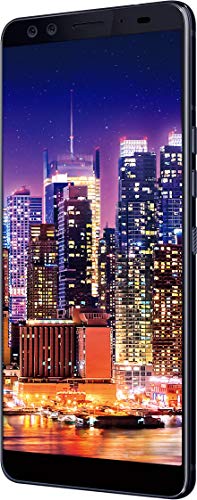
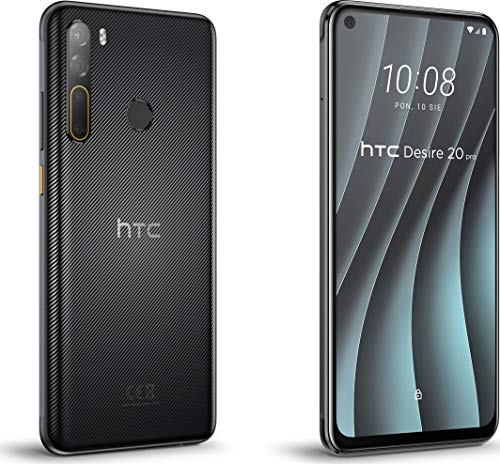
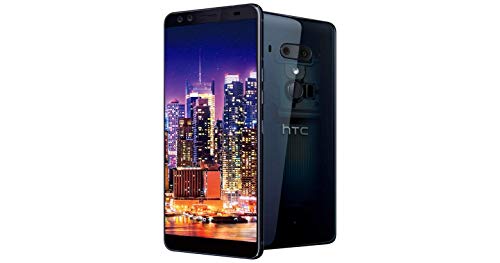
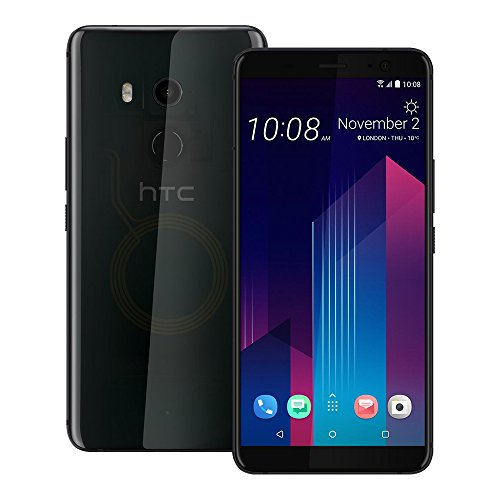
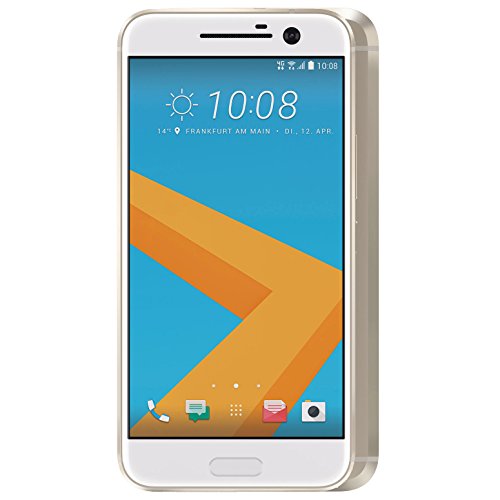
Are HTC smartphones good?
HTC smartphones achieve an average overall score of 6.8, placing them #24 among all smartphone brands, and have a user rating of 7.6, ranking #(?) in user reviews.
HTC smartphones were once known for their high build quality, unique designs, and innovative features. If you value a solid metal or glass finish, clear displays, and clean Android software, HTC devices in their prime could match or even beat rivals in those areas. The brand also gained attention for strong audio performance with BoomSound speakers and for being one of the first to experiment with features like dual cameras.
Today, HTC’s presence in the smartphone market is much smaller, and the range of available models is limited compared to brands like Samsung or Xiaomi. The company focuses more on niche devices, often in the mid-range or specialized markets, so you may not find the latest flagship-level specifications. If you can find an HTC phone at a good price, it can still deliver a reliable experience, but the lack of widespread updates and availability might be a drawback.
(Note: A total of 37 brands were evaluated in the comparison in the first paragraph. Only those with at least 6 smartphones in our database that were released after 2020 were included.)
The following chart ranks different smartphone brands by their overall score.
[horizontal-chart-02976412739417516973084128764263171065340385530415]
What are the main advantages of HTC smartphones?
The main advantages of HTC smartphones are as follows:
- Premium build quality: HTC smartphones use high-grade aluminium and glass materials, which create a solid and durable structure and give a premium look. The precise unibody design also improves ergonomics and comfort in hand.
- High-quality display technology: Many HTC models use Super LCD or AMOLED panels with high pixel density, which produce sharp images, vibrant colours, and wide viewing angles. Some models also support HDR10 for better contrast and brightness control.
- BoomSound audio system: HTC integrates stereo front-facing speakers with dedicated amplifiers, which deliver clear and loud sound with balanced bass and treble. This is useful for media consumption without external speakers.
- Clean and smooth user interface: HTC Sense UI is lightweight and close to stock Android, which improves system stability and speed. It has minimal bloatware and optimised animations for a responsive experience.
- Strong camera performance: HTC uses UltraPixel sensors with larger pixels, which improve low-light performance and detail capture. Many models also have Optical Image Stabilisation (OIS) and advanced manual controls.
- VR and innovation focus: HTC integrates advanced VR features in some models and works closely with HTC Vive technology, which gives users compatibility with VR accessories and applications.
What are the main disadvantages of HTC smartphones?
HTC smartphones have the following disadvantages:
- Limited market presence: HTC has a smaller global market share, which reduces brand visibility and retail availability in many countries.
- Slower update cycle: Software updates sometimes arrive later than for major competitors, which can delay security patches and new features.
- Average battery life: Some HTC models have smaller battery capacities compared to rivals, which results in shorter screen-on times during heavy use.
- High launch prices: Flagship HTC smartphones often start at a higher price point than similarly specced models from competitors, which affects value for money.
- Reduced model variety: HTC releases fewer models per year, which limits choices in different price segments.
Who makes HTC smartphones?
HTC smartphones are produced by HTC Corporation, a Taiwanese consumer electronics company headquartered in Taoyuan, Taiwan. The company originated in 1997—initially designing laptops and later transitioning into custom smartphone manufacturing and original design—eventually becoming one of the first major adopters of Android when it released the HTC Dream, the first commercially available Android.
Over time, although HTC’s prominence in the global smartphone market has significantly declined, it still develops and releases smartphones. Beyond its own branded devices, HTC has historically manufactured products for other leading tech firms (including Google’s early Pixel line) and has steadily shifted focus toward virtual reality offerings alongside its mobile products
What are the main HTC smartphone series?
The main HTC smartphone series are the following.
- One series: Flagship lineup that started in 2012 with models like HTC One X and evolved through devices such as HTC One M9 and HTC 10. It focused on premium design, high-end processors like Qualcomm Snapdragon, and features including dual cameras and BoomSound audio. HTC discontinued the branding after 2016, but it influenced later phones.
- Desire series: Mid-range Android phones that emphasize affordability and everyday performance, with examples like HTC Desire 626 and Desire 22 Pro. Models often include expandable storage via microSD, long battery life up to 4600 mAh, and cameras with AI enhancements. The series targets budget users and continues with 5G variants.
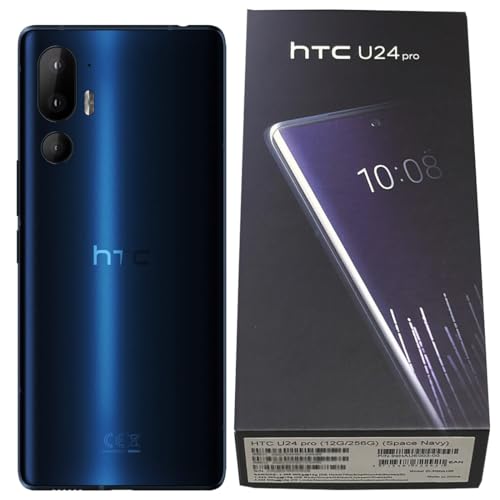
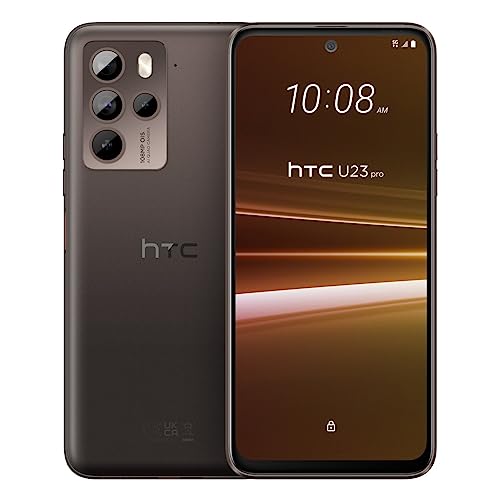
- U series: Modern high-end smartphones that replaced the One series, featuring devices like HTC U24 Pro and U23 Pro. They integrate advanced specs such as Snapdragon 7 Gen 3 chipsets, 120 Hz OLED displays, and triple 50 MP cameras with OIS. These phones support fast charging up to 60 W and IP67 resistance.
- Wildfire series: Entry-level budget options aimed at basic users, including models like Wildfire E5 Plus and Wildfire E3. They provide essential features like 4G connectivity, simple cameras, and compact designs. The series focuses on low-cost accessibility and has seen recent updates with lite versions.
- Butterfly series: Specialized lineup with large screens and high-resolution cameras, such as HTC Butterfly S and Butterfly 2. It emphasized multimedia with Full HD displays and water resistance in some models. HTC phased it out after 2014 in favor of other series.
- Evo series: Carrier-specific phones mainly for U.S. markets, like HTC Evo 4G and Evo 4G LTE. They pioneered LTE support and included extras like kickstands and MicroSD slots. The series ended around 2012 but set trends for fast connectivity.
How much do HTC smartphone costs?
HTC smartphone costs vary from about £170 for entry-level models to over £680 for premium devices. Prices depend on the series, release year, specifications, and market availability, as HTC no longer launches as many models as in its peak years. Older models can be found at reduced prices from resellers, while newer or flagship units like the HTC U series maintain higher price points.
The HTC Desire series usually targets the budget and mid-range segments with prices between £170 and £340, while the HTC U series focuses on higher-end specifications and design, with launch prices starting around £510 and going above £680 for the top variants.
HTC smartphones have an average price of £280 €, ranking #23 in price among smartphone brands (from cheapest to most expensive), and an average quality-price ratio score of 7.5, placing them in position #22.
(Note: Only brands with at least 6 smartphones in our database, released after 2020, were included.)
What should you consider while choosing the best HTC smartphone?
When choosing the best HTC smartphone for you, consider the following key specifications and features:
- Processor: The chipset determines your phone's performance and speed for daily tasks, gaming, and multitasking. Snapdragon processors handle intensive applications better, while MediaTek chips balance performance and battery efficiency. Higher-end models like the HTC U series feature flagship Snapdragon 8-series processors that deliver smooth performance across all applications.
- RAM: Memory capacity affects how many apps run simultaneously without slowdowns or crashes. 6GB RAM handles basic multitasking, while 8GB or 12GB supports heavy usage patterns and gaming. HTC flagship models typically include 8GB-12GB RAM configurations that maintain consistent performance throughout the day.
- Storage: Internal storage determines how many photos, videos, apps, and files you can store on your device. 128GB suits light users, but 256GB or 512GB accommodates extensive media libraries and large applications. Some HTC models support microSD expansion, which doubles your storage capacity for additional content.
- Camera: Camera systems vary significantly between models, with flagship devices featuring advanced sensors and computational photography. Multi-lens setups include ultra-wide, telephoto, and macro options that expand shooting versatility. HTC Edge series cameras excel in low-light photography and video stabilization for professional-quality results.
- Battery: Battery capacity and charging speeds impact daily usage patterns and convenience. 4,000-5,000mAh batteries support full-day usage, while fast charging reduces downtime between uses. HTC premium models include wireless charging and reverse charging capabilities that add flexibility to power management.
- Display: Screen size, resolution, and refresh rate affect visual experience and usability. OLED displays deliver vibrant colors and deep blacks, while higher refresh rates create smoother scrolling and gaming. HTC flagship phones feature 6.7-inch displays with 120Hz refresh rates that enhance media consumption and gaming performance.