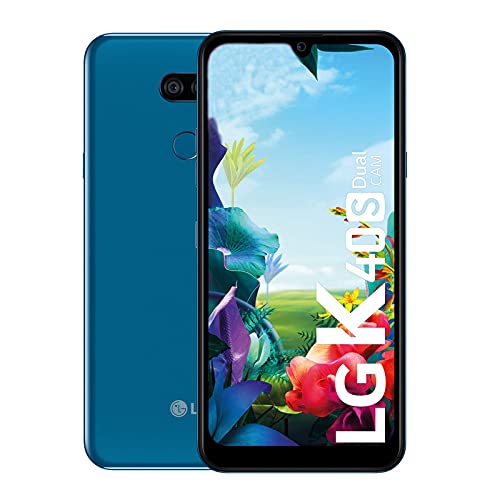
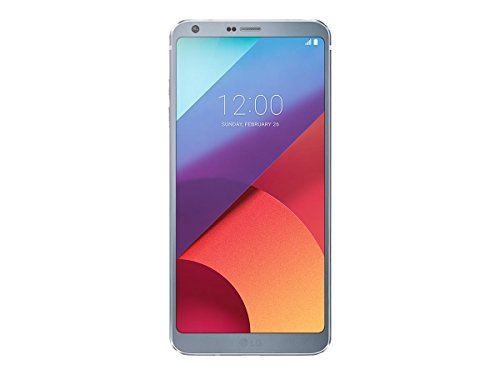
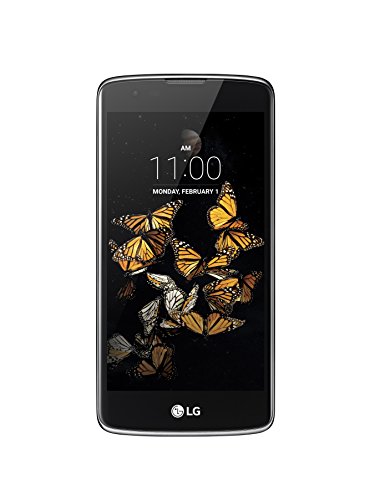
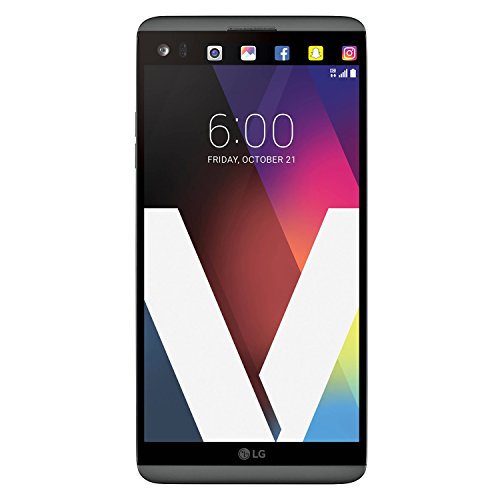
Are LG smartphones good?
LG smartphones achieve an average overall score of 6.3, placing them #32 among all smartphone brands, and have a user rating of 8, ranking #21 in user reviews.
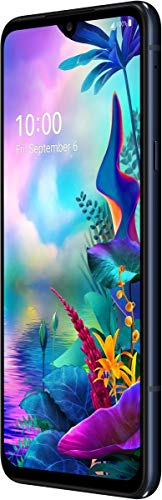
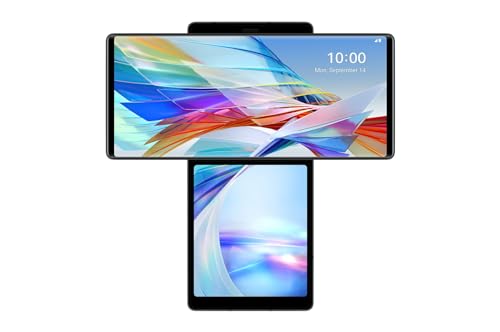
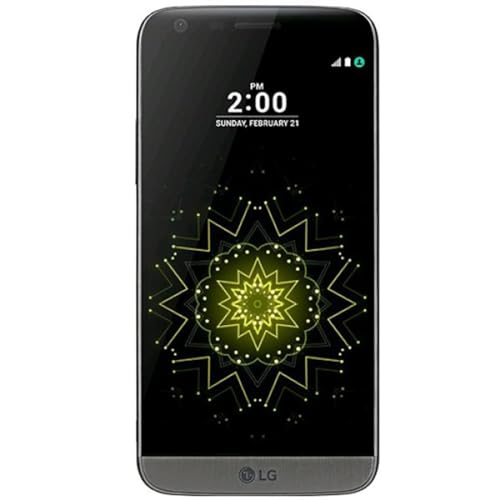
LG smartphones are no longer in production, as the company exited the smartphone market in 2021 after years of declining sales. When they were available, LG devices stood out for their innovative designs, such as dual-screen accessories, modular components in the LG G5, and unique form factors like the LG Wing. Many models featured high-quality OLED displays, solid audio performance with Quad DAC technology, and competitive camera setups. However, despite strong hardware in some flagship models, LG struggled to maintain consistent software updates and user experience, which affected its competitiveness against brands like Samsung, Apple, and Xiaomi.
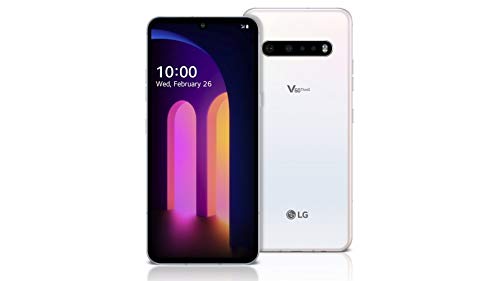
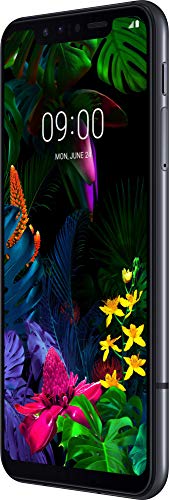
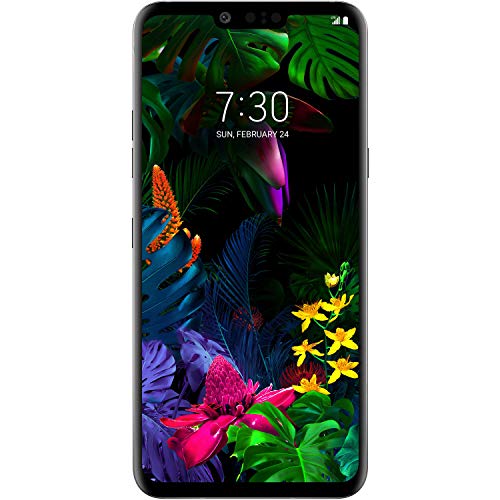
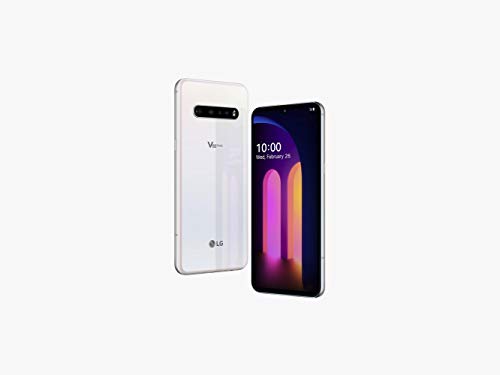
If you buy an LG smartphone today, you will likely find it as a used or refurbished device. While some high-end models like the LG V60 ThinQ and LG G8X still deliver solid performance, their lack of ongoing software support means outdated security patches and no access to the latest Android versions.
(Note: A total of 38 brands were evaluated in the comparison in the first paragraph. Only those with at least 6 smartphones in our database that were released after 2022 were included.)
The following chart ranks smartphone brands by their overall scores.
[horizontal-chart-10159175085548779702132798129126784463661195433505]
What are the main advantages of LG smartphones?
The main advantages of LG smartphones are as follows:
- Display quality: Many models use OLED or P-OLED panels with high resolution (up to 3200 × 1440), high brightness, and HDR10 support, which delivers vivid colors and deep blacks.
- Audio performance: LG smartphones often include a 32-bit Quad DAC for superior wired audio and support DTS:X 3D Surround Sound for enhanced speaker output.
- Camera versatility: Devices feature triple or quad camera systems with ultra-wide, standard, and telephoto lenses, often with resolutions up to 64 MP and advanced manual controls.
- Build durability: Several models meet MIL-STD-810G military standard for drop and shock resistance and have IP68 water and dust resistance.
- Expandable storage: Many LG smartphones include a microSD slot supporting cards up to 2 TB, which is rare among flagship devices.
- Battery features: Support for both wired fast charging (up to 25 W) and wireless charging (up to 15 W), with some models also supporting reverse wireless charging.
What are the main disadvantages of LG smartphones?
LG smartphones have the following disadvantages:
- Software updates: LG has slower and less consistent Android update schedules compared to other major brands.
- Market availability: Limited presence in certain regions, so finding newer models and service centers can be difficult.
- Processor competitiveness: Some models use chipsets that lag behind rivals in performance, especially in gaming and intensive tasks.
- Brand discontinuation: LG has exited the smartphone market since 2021, so future hardware support and accessories may become harder to find.
- Weight and size: Some high-end models are heavier than competitors, which affects one-handed use.
Who makes LG smartphones?
LG smartphones were designed and manufactured by LG Electronics, a prominent South Korean consumer electronics company and subsidiary of the broader LG Corporation. Over the years, LG Electronics developed a range of notable mobile devices—from early innovations like the LG Chocolate and LG Prada touchscreen phones to later models such as the LG G-series, V-series, and the swivel-screen LG Wing.
However, on April 5, 2021, LG Electronics officially announced the shutdown of its mobile phone division. This decision was driven by sustained heavy losses in the smartphone market and the rising costs of competing against global giants. Following this, the company continued providing support—such as software updates and service—for existing devices, but halted the production of new models.
What are the main LG smartphone series?
The main LG smartphone series are as follows:
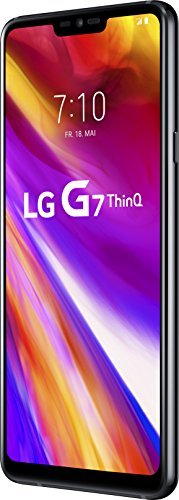
- LG G series: Flagship line from G2 to G8 (2013–2019). Snapdragon 8-class chips, QHD displays, OIS cameras, and premium builds; G5 used a modular design with add-on “Friends”. LG shifted focus away from G when V and Velvet took the lead.
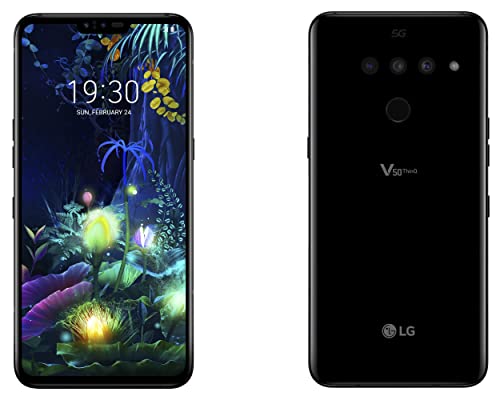
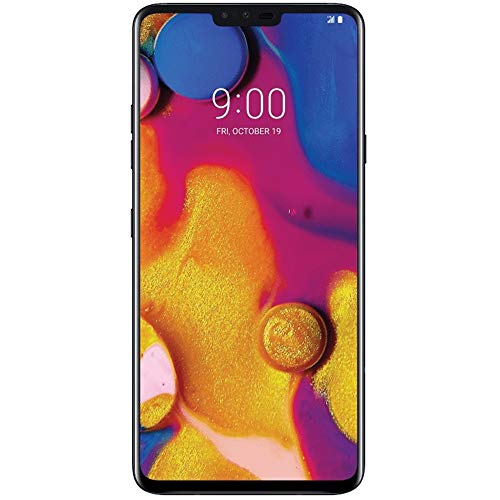
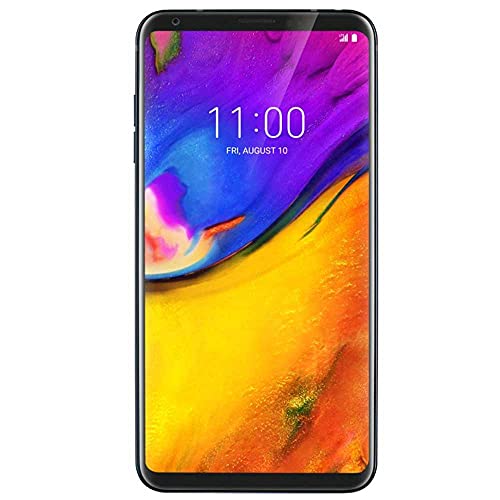
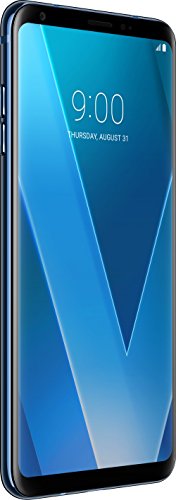
- LG V series: High-end, media-centric line. Large displays, 32-bit Quad DAC for wired audio, wide-angle cameras, and strong batteries; V10 and V20 added a small ticker display, while V30–V60 supported a clip-on Dual Screen and 5G. This became LG’s de facto flagship family late in its run.
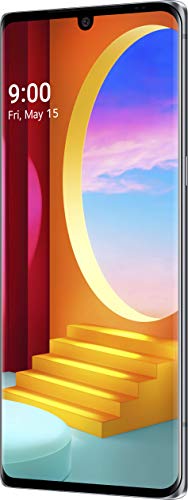
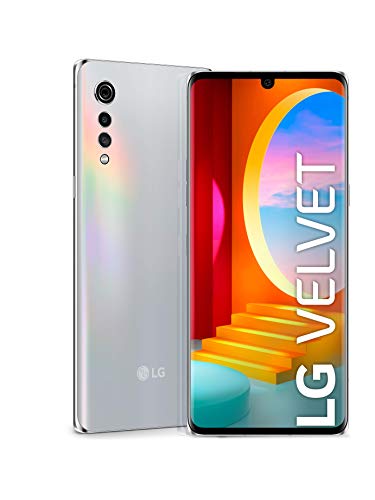
- LG Velvet: Design-first line that started in 2020. Slim body, curved glass, 6.8″ OLED, and 5G; models used Snapdragon 765G or a tuned 845 variant. Supported the Dual Screen accessory for two-app use.
- LG Wing: Explorer Project phone from 2020. A swivel main display revealed a smaller square screen, forming a T-shape for gimbal-style video controls and two-app layouts. Ran on Snapdragon 765G with 5G.
- LG K series: Budget line. Big screens, multi-camera setups, and durable builds; chips from MediaTek or Snapdragon 4xx, with select 5G variants such as K92 5G. Aimed at value buyers.
- LG Q series: Mid-range line tied to flagship design cues. FullVision 18:9 displays, slim bodies, and practical specs; typical Snapdragon 4xx/6xx chips and balanced cameras. Positioned between K and G/V.
- LG Stylo series: Mid-range phones with a built-in stylus. Large displays and long battery life; popular on North American carriers for notes and sketches without a premium price.
- LG X series: Feature-focused variants. X Power targeted long battery life, X Cam added dual cameras, X Screen used a secondary display, and X Venture leaned rugged. Each model served a specific need.
- LG W series: India-focused budget line. W10, W30, and W41 families used budget SoCs and multi-camera stacks to hit aggressive price points in online channels.
- Legacy Optimus/L series: Pre-2014 families that led into G. Optimus G set the template for later LG flagships, while the L series covered entry-level tiers with simple specs and low prices.
How much do LG smartphone costs?
LG smartphones are no longer in production, so current prices depend on remaining stock and second-hand availability.
In general, LG devices from their last active years ranged from budget models at around £130 to premium flagships that reached £700 or more. The exact cost now varies widely based on condition, storage capacity, and whether the phone is new or used.
In their final lineup, budget series like the LG K models typically cost between £130 and £220, while mid-range LG Q devices were in the £220 to £340 range. Premium series such as the LG G and LG V could cost from £430 up to £700, and the LG Wing — their last innovative model with a swivel screen — was originally sold at about £800 when launched.
Today, prices for these models are usually lower, especially for refurbished or used units, although rare or unused stock can still reach near-original retail values.
LG smartphones cost on average £335 €, ranking #25 in price among smartphone brands (from cheapest to most expensive), and have a quality-price ratio score of 6.9, placing them in position #37.
(Note: Only brands with at least 6 smartphones in our database were included.)
What should you consider while choosing the best LG smartphone?
When choosing the best LG smartphone, you should consider the following key technical specifications and features:
- Processor: Look for LG phones with Qualcomm Snapdragon processors as they power most LG models. Recent LG flagships like the Wing use Snapdragon 765G while premium models like the Velvet feature Snapdragon 845 processors. Budget options typically come with MediaTek Helio processors or entry-level Snapdragon variants such as the Snapdragon 215 in the K22 model. The processor determines overall performance and multitasking capabilities for apps and games.
- RAM: LG smartphones range from 2 GB RAM in budget models to 8 GB in premium devices like the Wing. Mid-range options like the V35 ThinQ typically feature 6 GB RAM. Higher RAM capacity allows smoother app switching and better multitasking performance. For basic usage, 3-4 GB suffices while power users should target 6-8 GB configurations.
- Storage: LG offers internal storage from 16 GB in entry-level phones up to 256 GB in premium models. Most LG phones support microSD expansion up to 2 TB, which adds significant storage flexibility. The Wing comes with 256 GB internal storage while budget models like the K40 start at 32 GB. Consider your photo, video, and app storage needs when selecting capacity.
- Camera: LG excels in camera innovation with models featuring dual, triple, or quad camera setups. The K61 features a 48 MP main camera, the highest resolution ever in an LG smartphone. The V60 ThinQ 5G offers a 64 MP primary sensor with optical image stabilization plus ultra-wide and depth cameras. Budget models typically feature single 8-13 MP rear cameras while flagships include multiple lenses for versatile photography.
- Battery: LG battery capacities range from 3,000 mAh in older G-series phones to 4,500 mAh in specialized models like the X Power2. Most recent LG phones feature 4,000-4,300 mAh batteries with fast charging support. The X Power2 delivers up to 15 hours of video playback thanks to its large 4,500 mAh capacity. Consider your usage patterns and charging habits when evaluating battery requirements.