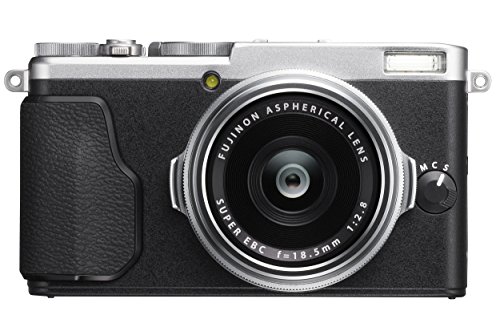
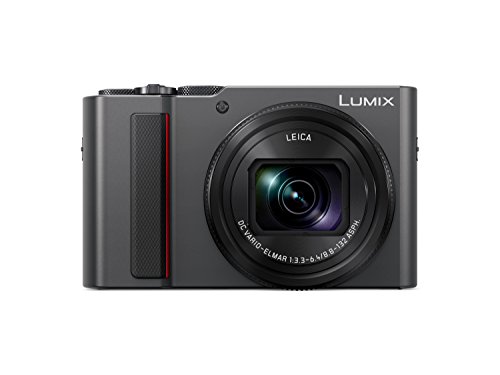
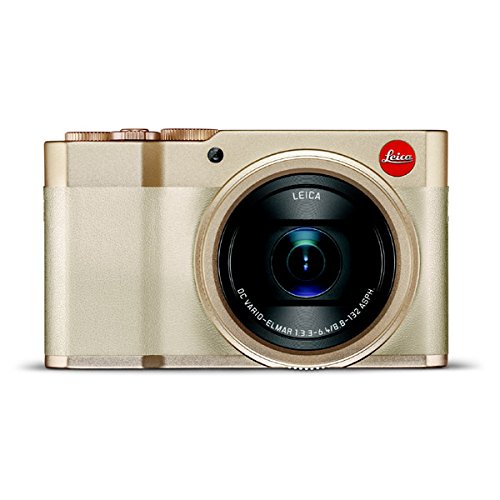
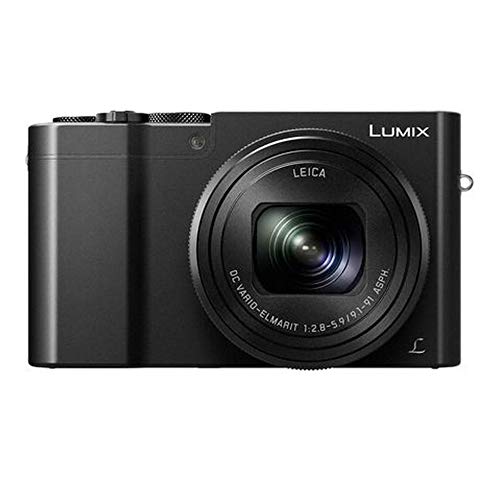
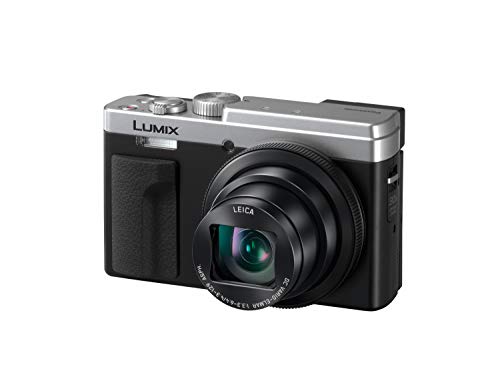
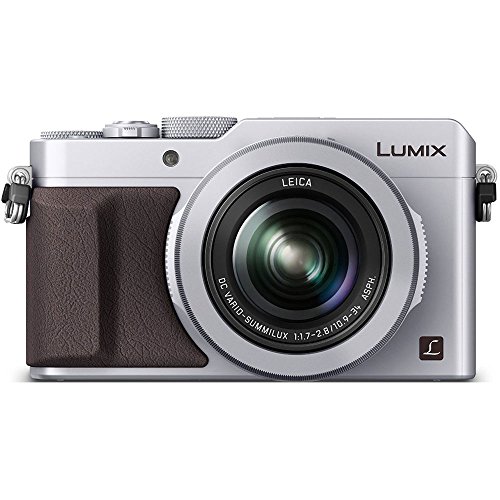
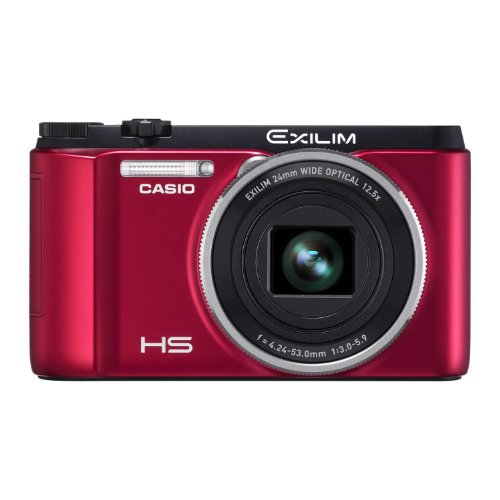
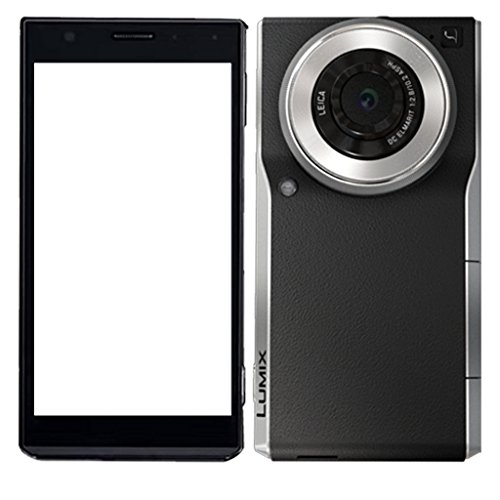
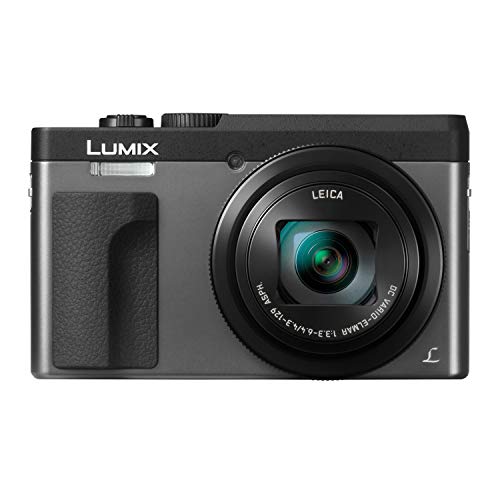
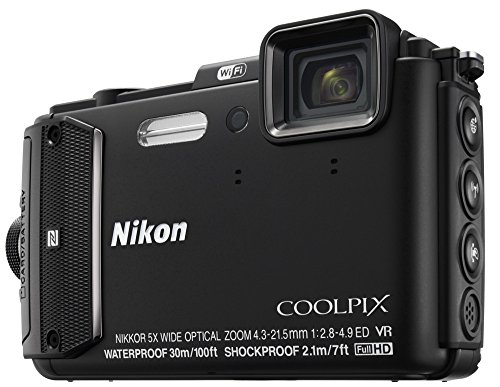
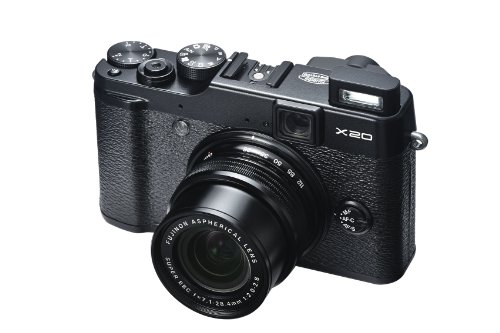
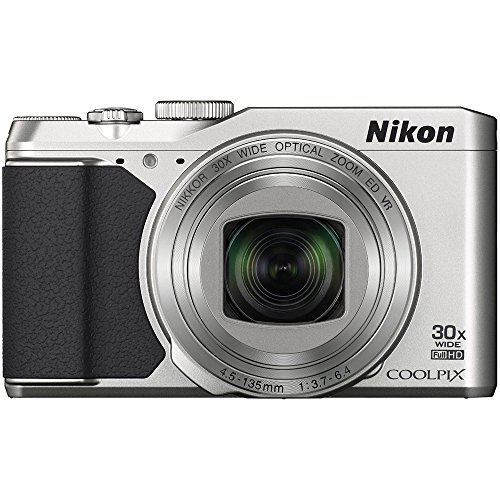
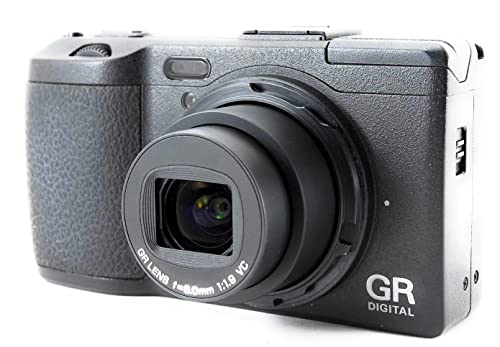
A good compact camera for travel combines genuinely portable dimensions with a versatile fixed lens, dependable stabilization, and image quality that remains useful beyond bright daylight. It should be small enough to carry every day without sacrificing the controls or grip needed to react quickly.
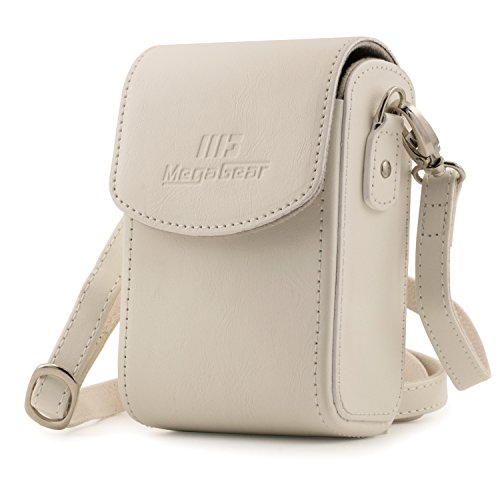
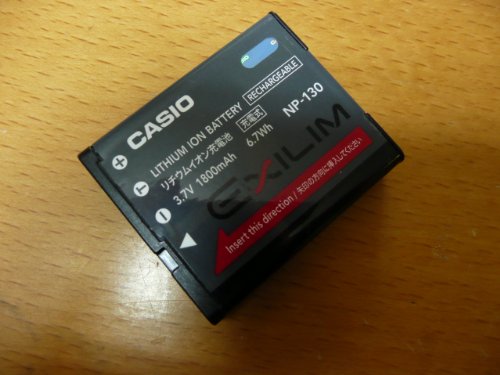
For genuine pocketability, a useful target is roughly 120–250 g with a retracting lens and a body depth near 30–45 mm. Long-zoom and premium large-sensor compacts commonly weigh about 300–500 g, so a small shoulder bag may be more realistic than a pocket. Check the complete kit as well: a protective case, spare battery, wrist strap, and separate charger can add more bulk than the body specification suggests.
For most trips, a lens beginning around 24–28 mm equivalent is wide enough for architecture, interiors, and landscapes, while a telephoto end between roughly 100 mm and 300 mm covers portraits and distant details. A 1-inch sensor offers a strong balance of low-light quality and zoom range, whereas APS-C compacts improve dynamic range and background separation but usually use shorter or fixed-focal-length lenses.
Travel reliability matters as much as headline image quality. Look for optical stabilization, RAW capture, autofocus that tracks people reliably, a battery rated near 250–400 shots, and USB-C charging that works from a power bank. Direct in-camera charging can also remove the need to carry a separate charger, making the complete travel setup smaller.
How much zoom is useful on a compact camera for travel?
For most travel photography, a 24–200 mm equivalent zoom is the most useful balance of wide-angle coverage, portrait flexibility, and manageable camera size. A lens starting at 24 mm is noticeably more practical than 28 mm for interiors, streets, and large buildings when there is little room to step backward.
A shorter 24–70 mm or 24–100 mm equivalent lens is enough for city breaks, food, people, and general sightseeing, and it can remain brighter at about f/1.8–2.8. That wider aperture helps keep ISO lower in museums, restaurants, and evening streets, so a short bright zoom may produce better travel photographs than a much longer but darker lens.
Reach around 200–360 mm equivalent is valuable for architectural details, compressed landscapes, performances, and animals at a distance. Extreme travel zooms can extend toward 600–720 mm equivalent, but they usually rely on a smaller sensor and apertures near f/5.6–6.3 at the long end, which increases noise and motion blur in weak light.
Compare focal length and aperture at both ends rather than the advertised zoom multiplier. Strong optical stabilization is particularly important beyond 200 mm, but it cannot freeze a moving subject, so autofocus performance and a sufficiently fast shutter speed still matter.