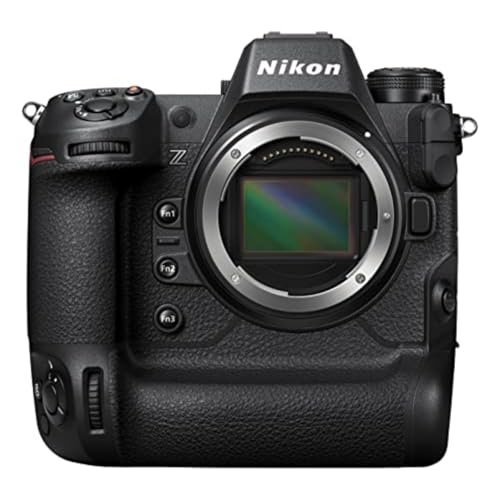
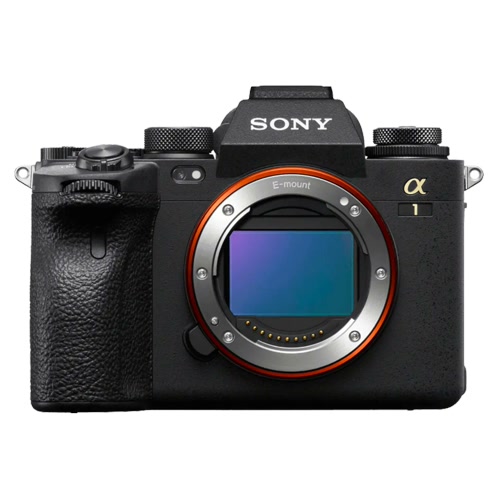
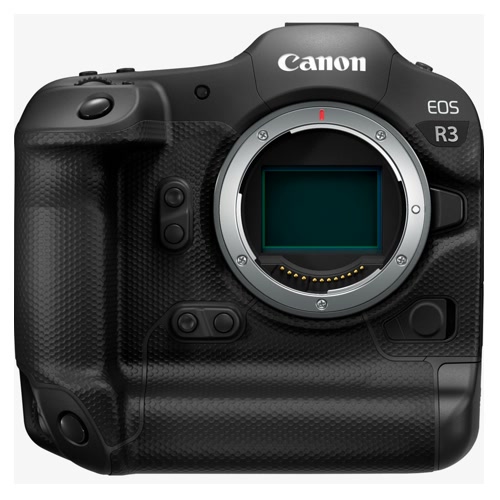
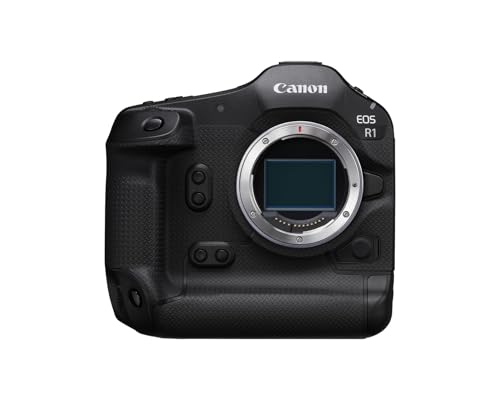
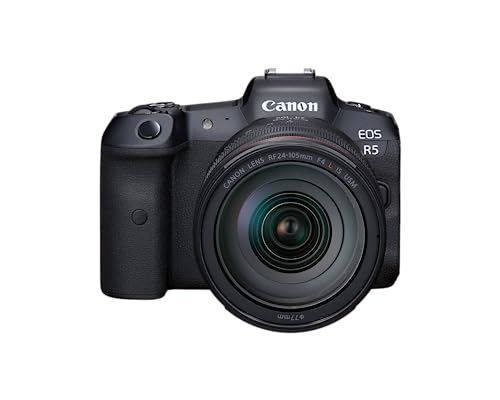
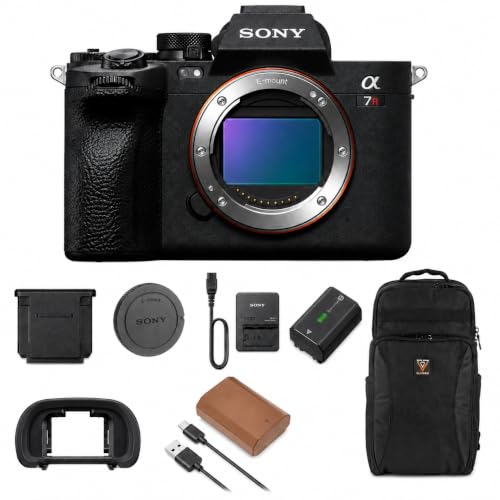
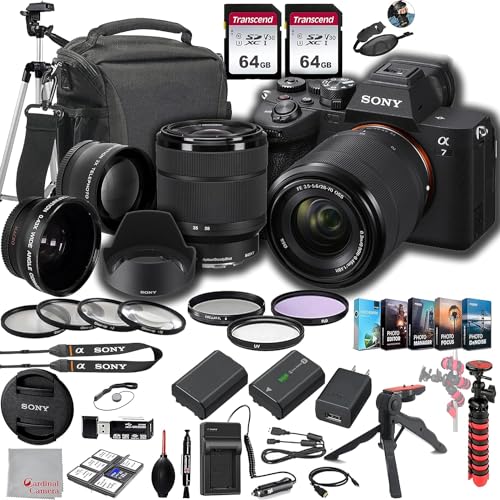
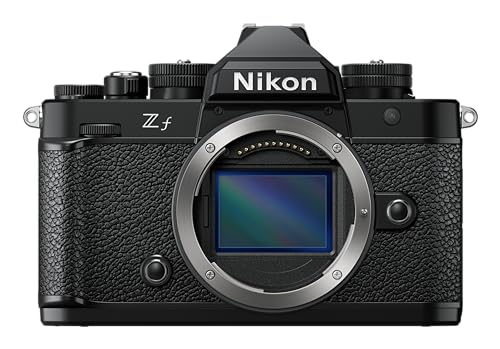
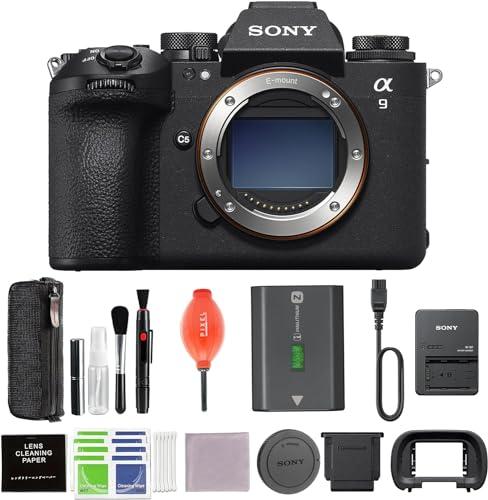
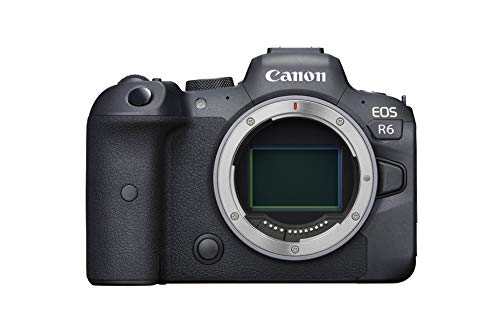
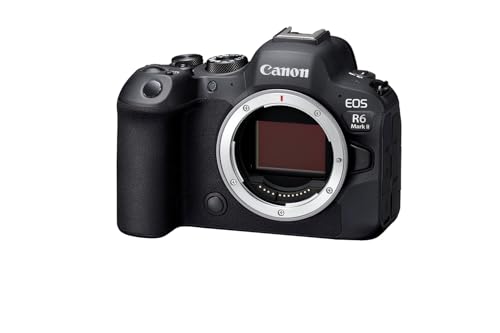
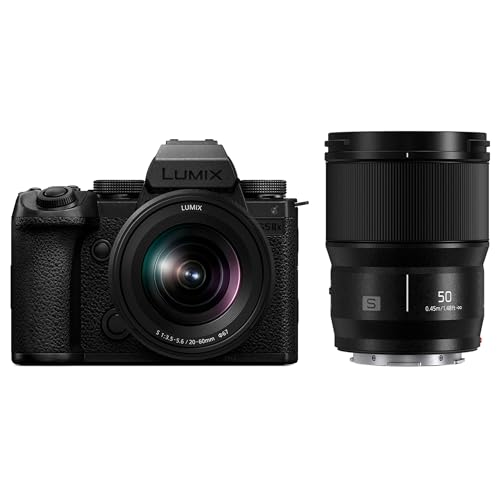
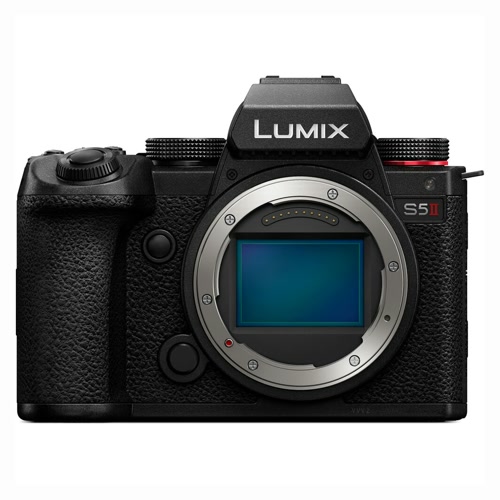
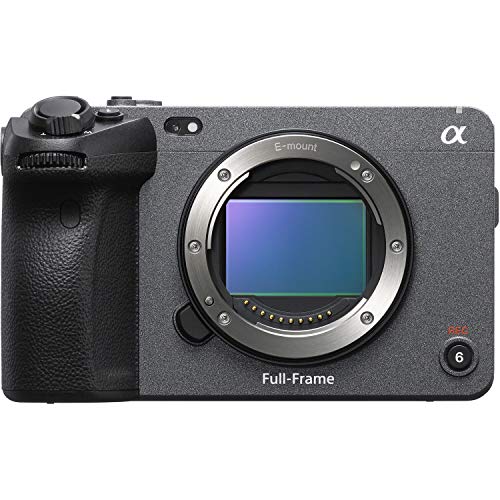
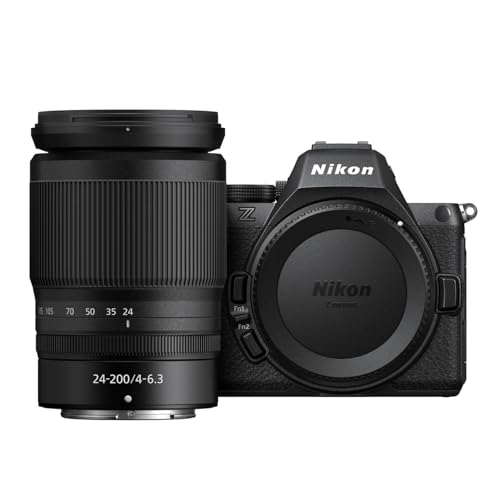
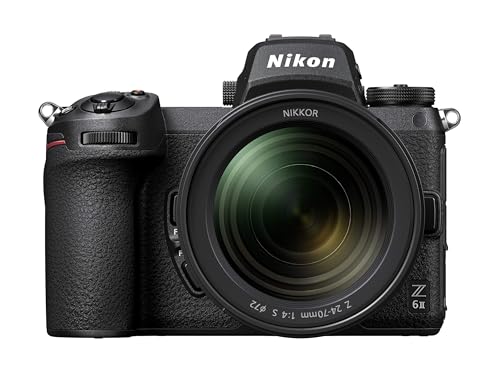
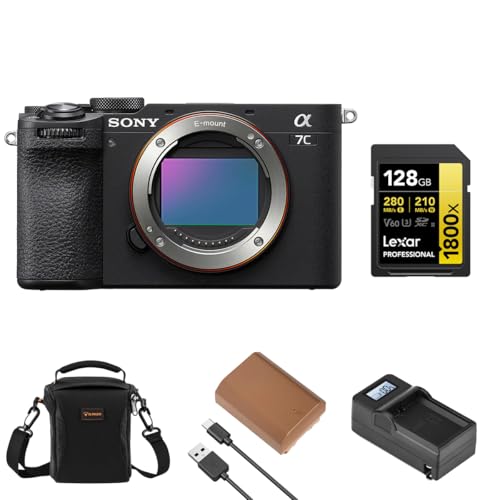
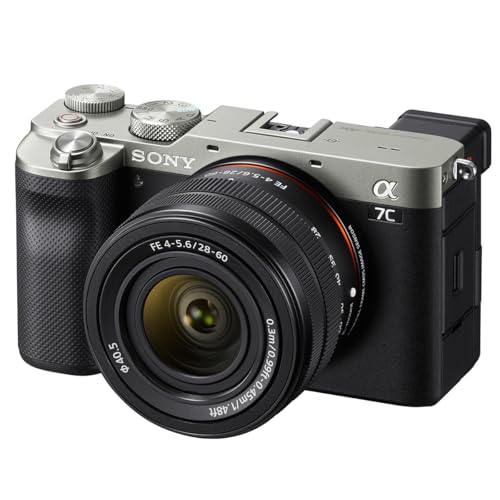
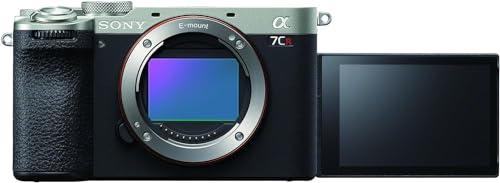
A full-frame mirrorless camera combines a 36 × 24 mm sensor with an electronic viewfinder and an interchangeable-lens mount, without the reflex mirror found in a DSLR. The sensor is about 2.3 times the area of APS-C and roughly four times the area of Four Thirds, giving the camera more room to collect light at the same exposure.
The larger format makes shallow depth of field easier with lenses such as a 35 mm, 50 mm, or 85 mm f/1.8 prime. It also supports wide-angle lenses at their intended field of view and generally provides cleaner high-ISO files, broader dynamic range, and more flexible RAW processing than smaller formats of a similar generation.
The trade-off is system size and cost. A compact full-frame body can still require large f/2.8 zooms or long telephotos, while high-resolution sensors demand sharper lenses, faster memory cards, and more storage. The format is most valuable when those image-quality benefits matter enough to justify the complete kit.
How good is image quality on full-frame mirrorless cameras?
Image quality on the best full-frame mirrorless cameras is excellent, particularly in low light and high-contrast scenes. Their 36 × 24 mm sensors provide a strong balance of dynamic range, noise control, color depth, and control over background blur.
Resolution spans different priorities. Models around 12–24 MP favor speed, video, and large pixels, while 40–61 MP bodies give landscape, studio, architecture, and commercial photographers more cropping and printing freedom. Pixel pitches can range from roughly 3.76 to 8.45 µm, so a lower-resolution sensor may retain cleaner texture at very high ISO even when a higher-resolution model records more detail in good light.
Lens quality remains decisive. A 61 MP sensor exposes weak corners, inaccurate focus, shutter shock, and insufficient shutter speed more clearly than a moderate-resolution body. High-resolution work benefits from sharp native lenses, stable technique, and RAW processing that controls noise without erasing fine detail.
Maximum standard ISO ratings commonly reach at least ISO 25,600, with some bodies extending far higher. Those numbers are not equally usable, so compare real texture, color retention, banding, and autofocus behavior in poor light rather than choosing from the largest ISO figure.