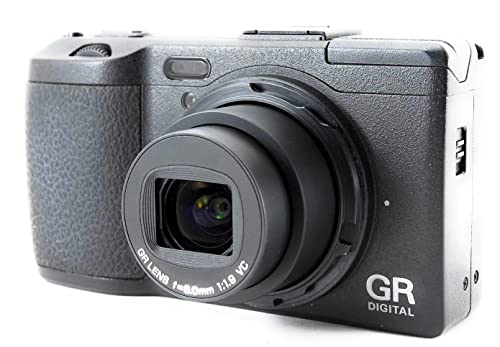
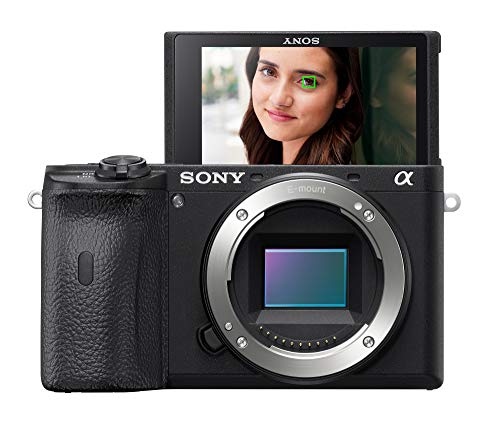
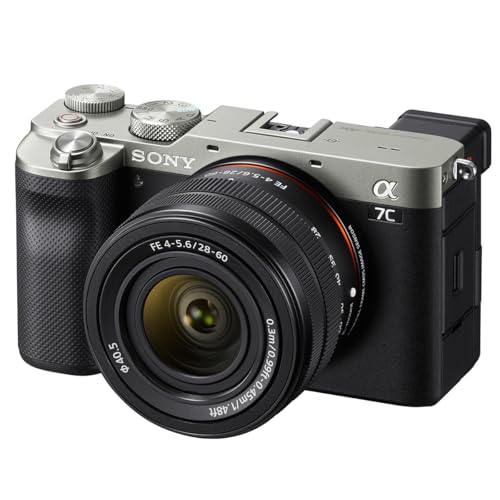
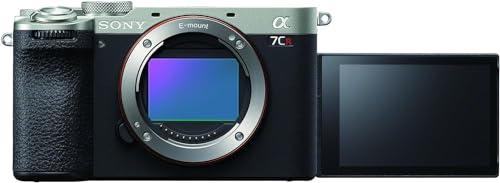
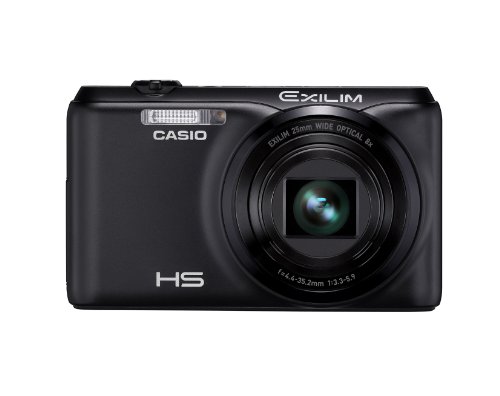
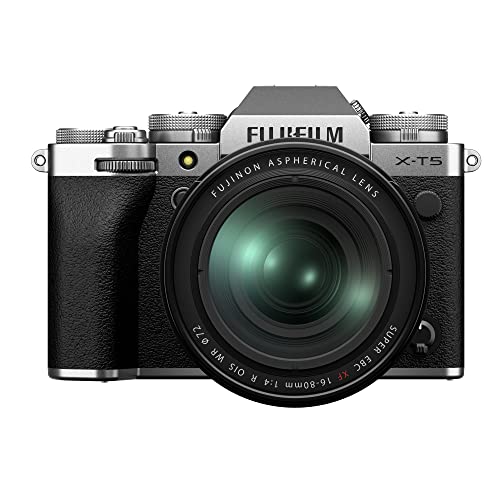
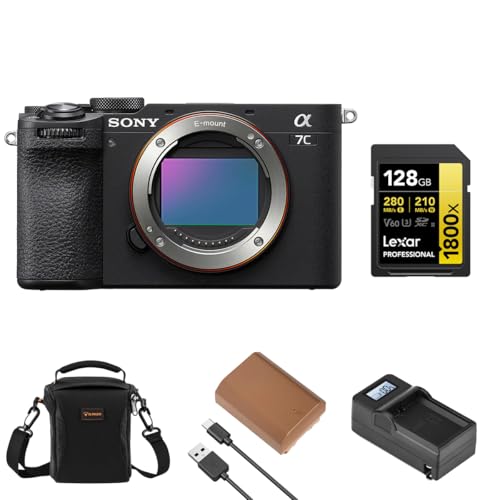
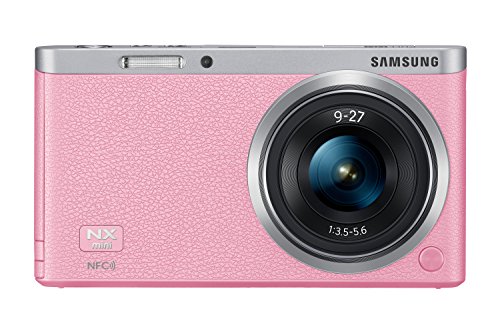
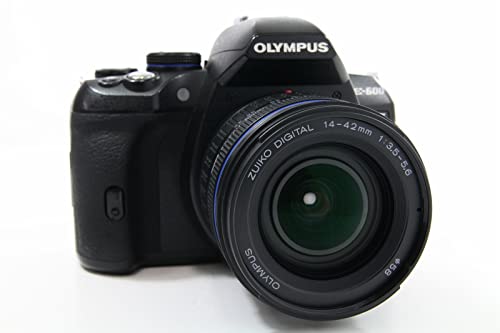
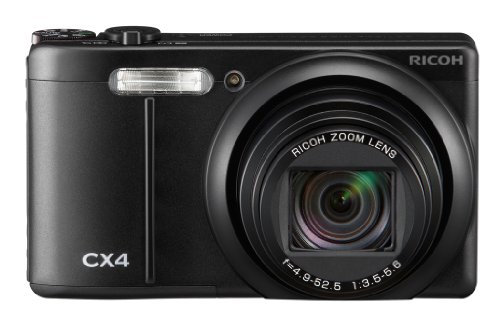
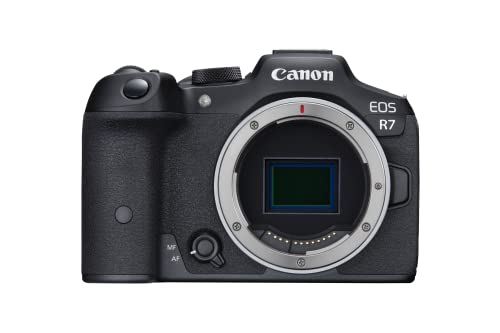
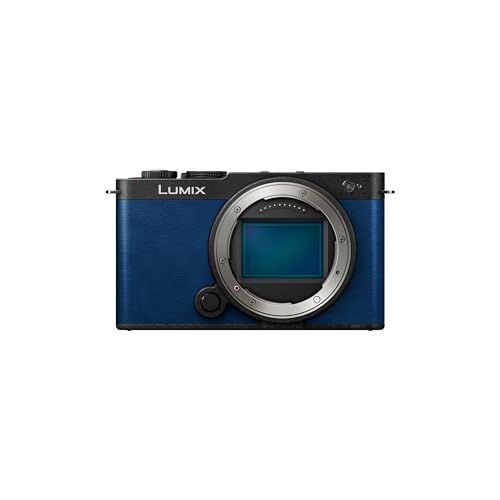
A camera is suitable for hiking when it is light enough to carry, protected enough for changing weather, and simple to access without removing a large backpack. The complete body-lens combination matters more than body weight alone.
Useful features include stabilization, a viewfinder visible in sun, USB charging, a tilting screen, RAW capture, and controls that work with gloves. Weather sealing reduces risk from drizzle and dust but does not make the camera waterproof.
One versatile lens usually beats several specialist lenses on a long route. A range around 24–120 mm equivalent covers landscapes, people, and details; 24–200 mm adds wildlife reach at the cost of aperture, size, or image consistency.
How much do size and weight matter on cameras for hiking?
Size and weight matter greatly because every camera gram competes with water, clothing, food, and safety equipment. A 300–500 g body with a 200–500 g lens is manageable for most day hikes, while a 1.5–2 kg camera kit becomes a significant load on steep or multi-day routes.
Balance and access also matter. A compact camera on a shoulder clip may be used often, while a lighter body buried inside the pack may miss changing light. Large lenses swing, catch straps, and require a deeper protective bag.
Choose the smallest system that still meets the required low-light, focal-length, and handling needs. Saving weight by using one versatile lens often matters more than choosing the absolute lightest body.
The chart below compares the weight distribution of hiking cameras.
[vertical-chart-08784060358811070449101776571876100382942284253647]
What battery life and charging options matter on cameras for hiking?
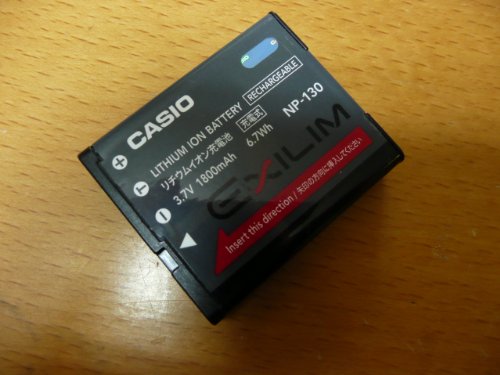
A hiking camera should last at least a full day of realistic use or support easy charging from a power bank. A CIPA rating around 300–500 shots is a useful baseline for mirrorless cameras, while DSLRs may exceed 800–1,000 shots through an optical viewfinder.
Cold weather, image review, GPS, wireless transfer, stabilization, and video reduce endurance. Carry a spare battery in an inner pocket and disable unnecessary radios when power matters.
USB-C charging or power delivery simplifies multi-day travel because the same power bank can charge a phone and camera. Confirm whether the camera can charge while switched off, operate while powered, and use a standard cable rather than a proprietary dock.