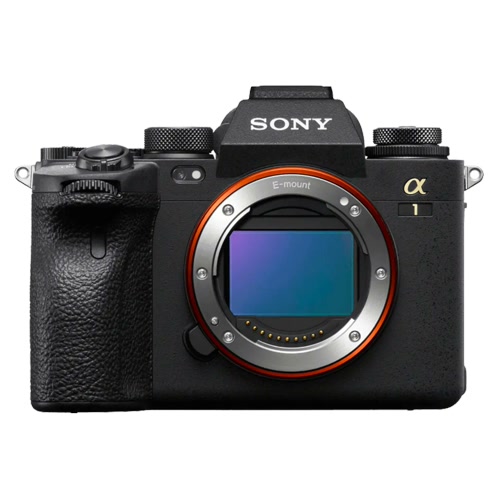
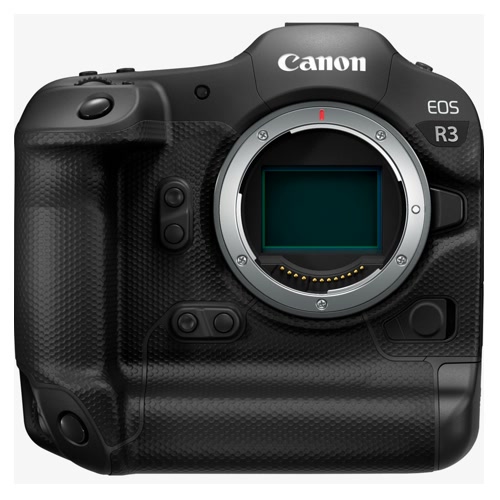
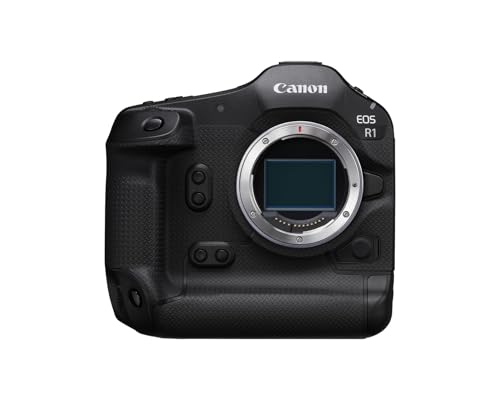
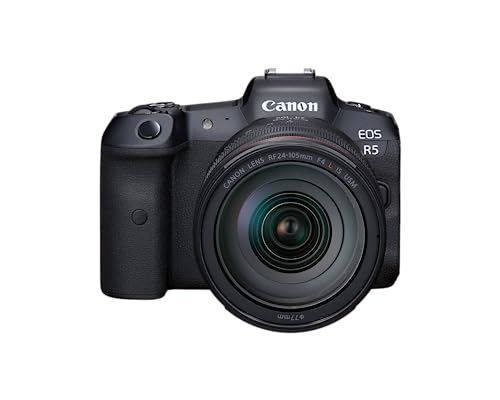
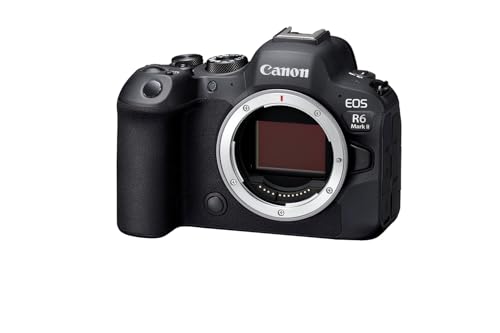
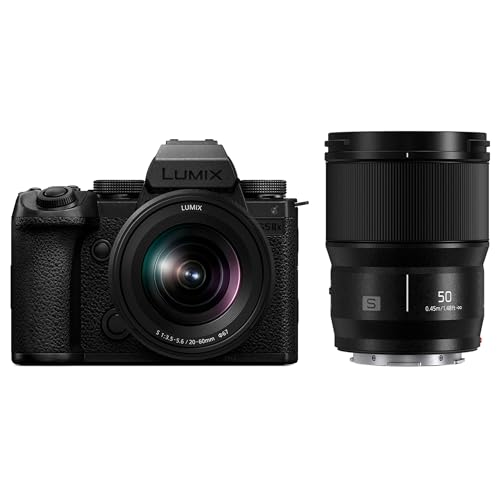
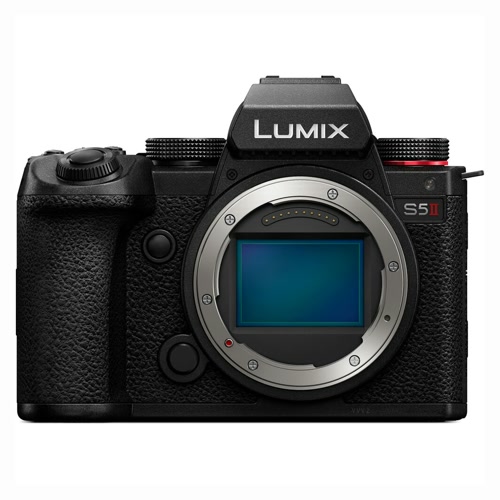
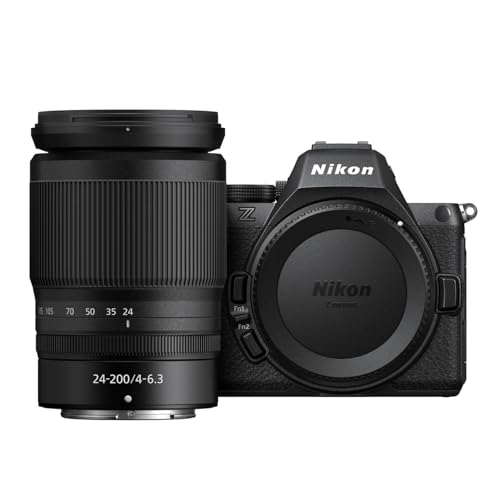
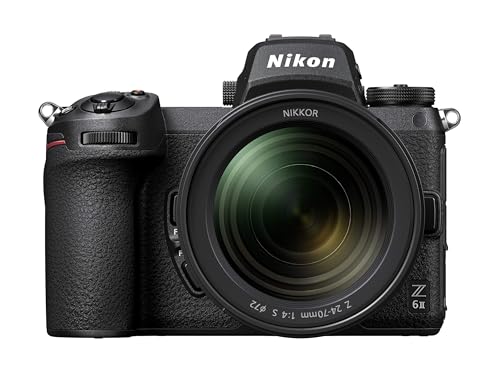
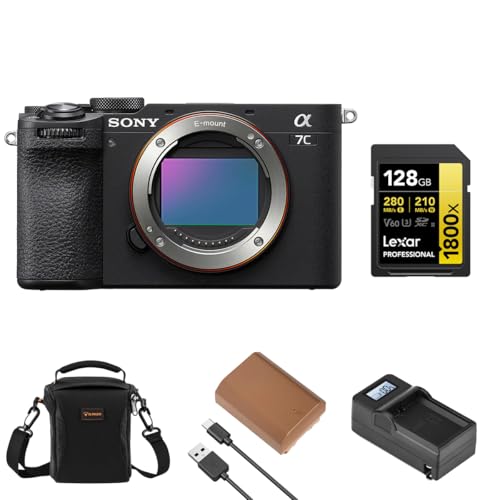
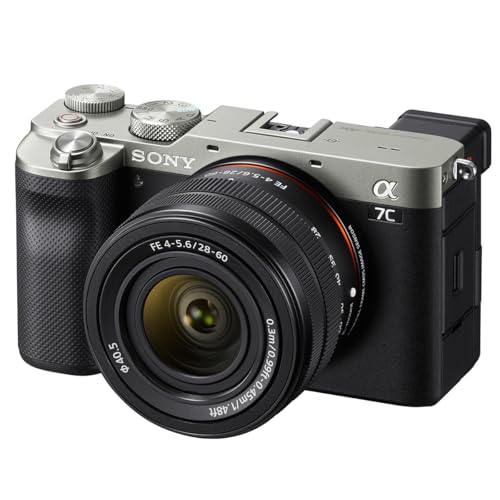
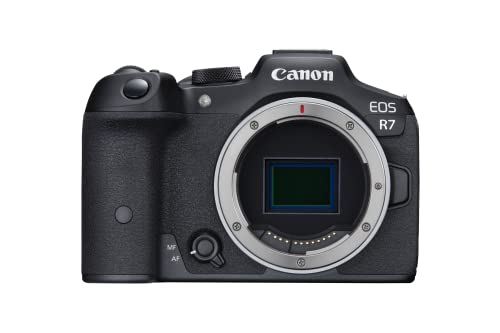
A camera is suitable for bird photography when it can acquire a small subject quickly, maintain focus through erratic movement, and record a useful sequence without the buffer stopping at the decisive moment. Broad phase-detection coverage and bird-eye or animal-eye detection are especially helpful when the bird occupies little of the frame or moves across branches, water, or uneven foliage.
Reach and crop flexibility must be balanced against light gathering. A 400–600 mm equivalent view covers many perched birds and birds in flight, while 20–33 MP gives room for moderate cropping; a smaller sensor increases pixel density and apparent reach, but high ISO and background separation generally favor larger sensors at comparable technology levels.
The body also needs a deep grip, a clear blackout-free or low-blackout viewfinder, quick autofocus-area controls, and enough battery life for long periods of observation. Weather sealing, stabilization, quiet or electronic shutter options, and customizable buttons become valuable in hides or when responding instantly to a bird taking off.
How important is autofocus on a camera for bird photography?
Autofocus is critical for bird photography because birds are small, fast, and frequently obscured by branches, reeds, waves, or other high-contrast detail. A system that recognizes a bird's head or eye can hold the intended subject more reliably than a generic wide-area mode, particularly when the eye covers only a few pixels in the viewfinder.
Coverage and tracking behavior matter more than the headline number of focus points. Look for phase-detection points across most of the frame, responsive subject switching, adjustable tracking sensitivity, and an autofocus area that can be made small enough to reject foreground twigs without becoming difficult to place on a flying bird.
Birds in flight require continuous autofocus at the actual burst setting. Some cameras reduce tracking updates, viewfinder refresh, bit depth, or focus calculations in their fastest modes, so verify performance at 8–20 fps rather than assuming the maximum advertised rate is fully functional.
Lens motors and aperture also affect results. Fast linear or ultrasonic motors respond better to sudden distance changes, while an f/4 or f/5.6 telephoto sends more light to the autofocus system than a lens that reaches f/8 at the long end; a focus limiter can prevent the lens from searching through irrelevant close distances.
What lens reach is best for bird photography?
A 400–600 mm equivalent field of view is the most useful general range for bird photography. Around 400 mm works well for larger birds, closer feeders, and birds in flight, while 500–600 mm fills the frame more effectively with small or distant subjects; 800 mm equivalent can help in open wetlands but makes finding and tracking a moving bird harder.
Sensor format changes the angle of view, not the physical focal length. A 300 mm lens frames like roughly 450 mm on a 1.5× APS-C body and 600 mm on a 2× Micro Four Thirds body, which can reduce lens size and cost, but full-frame cameras often provide cleaner high-ISO files and more latitude when the light is poor.
Reach must be considered with aperture, stabilization, close-focus distance, and weight. A 100–500 mm or 200–600 mm zoom is flexible for changing subject distance, while a 400 mm or 600 mm prime can be brighter or sharper but less adaptable; teleconverters add reach at the cost of light and may reduce autofocus speed or coverage.