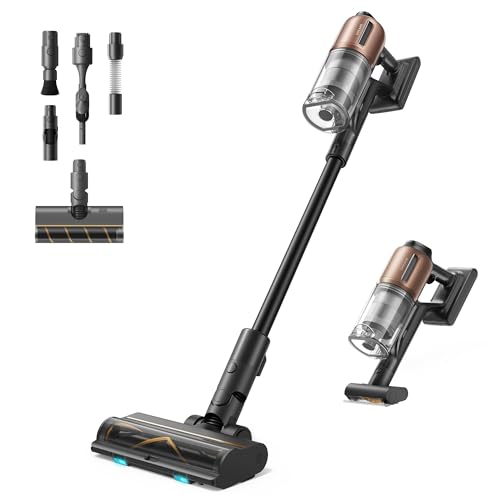
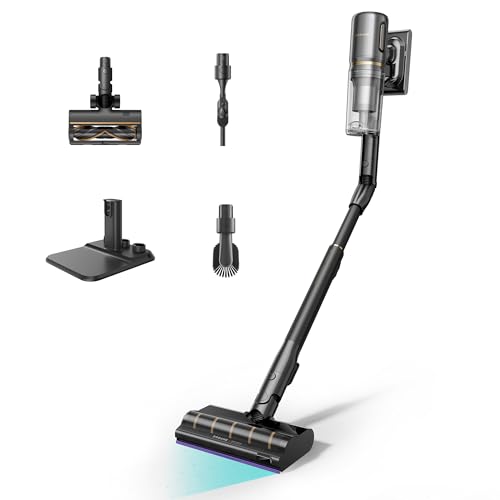
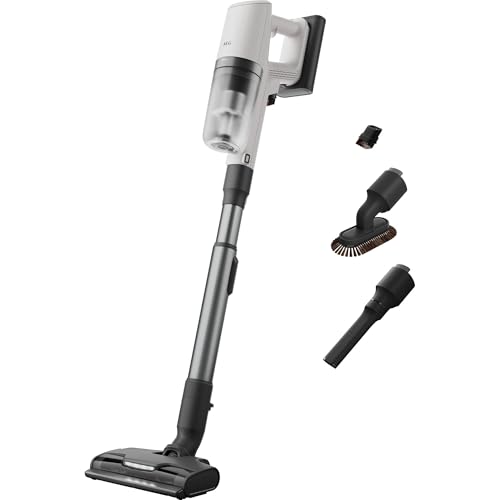
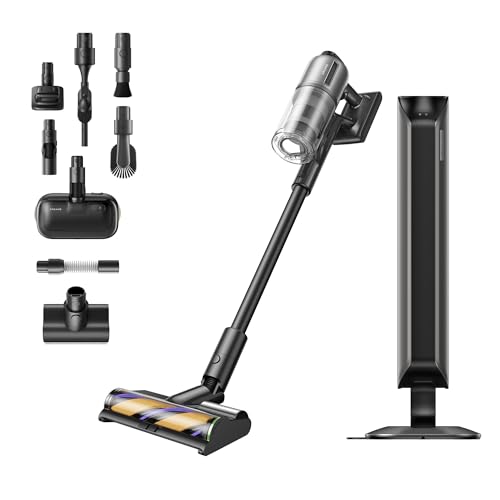
Which brands make the best vacuums for mattresses and sofas in 2026?
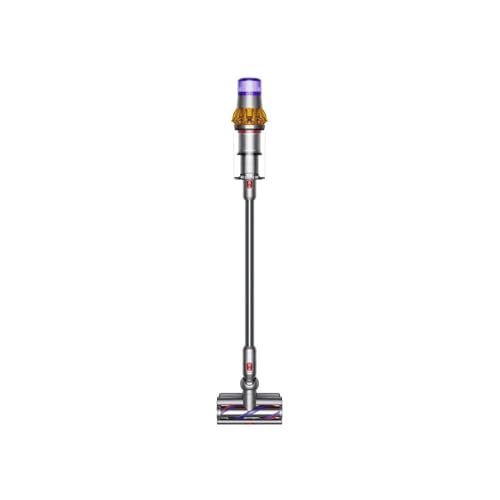
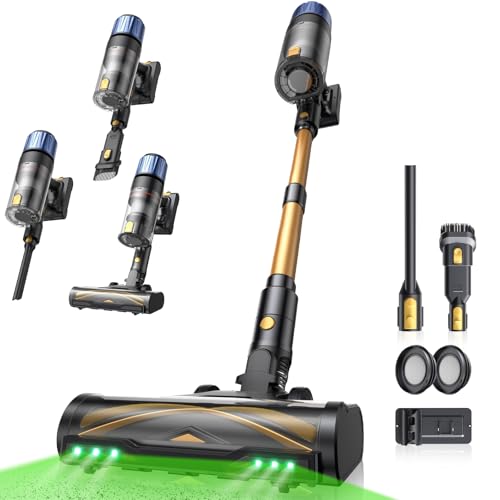
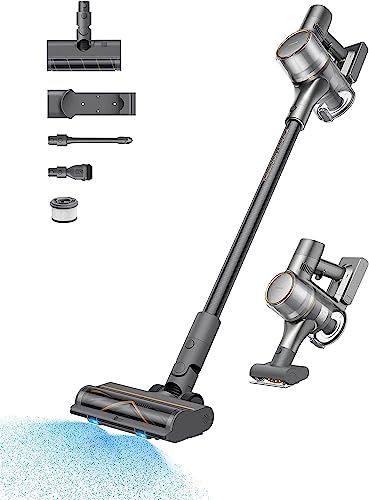
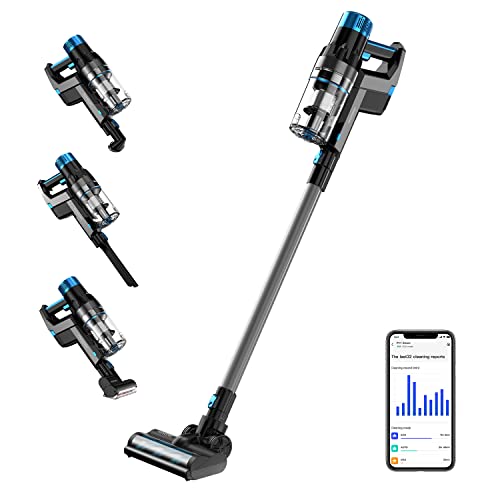
The best mattress-and-sofa-vacuum brands in 2026 are ranked below:
- Dreame (Average overall score: 8.5)
- BuTure (Average overall score: 8.4)
- Shark (Average overall score: 8.2)
- LG (Average overall score: 8.2)
- Samsung (Average overall score: 8.1)
The chart below ranks mattress-and-sofa-vacuum brands by average overall score.
[horizontal-chart-15477904898484253989049868023846150314631399105035]
What makes a vacuum cleaner suitable for mattresses and sofas?
A vacuum cleaner is suitable for mattresses and sofas when it combines controlled suction with a small head that stays flat on fabric. A plain wide upholstery nozzle handles loose dust and crumbs, while a compact motorized or turbine brush adds the agitation needed for pet hair and debris held between fibres.
The tool must suit the material. Delicate woven fabric, loose covers and buttoned upholstery need lower suction and smooth edges, while dense mattress ticking and durable sofa fabric can tolerate stronger agitation. A bypass vent or adjustable power prevents the nozzle from pulling fabric into the inlet.
Output matters, but it should not be judged in isolation. Among models we reviewed, published figures average around 170 AW, 20 kPa and 35 L/s; those are broad reference points, and the nozzle seal, brush speed and unclogged airflow path decide how much pickup reaches the surface.
Reach and handling determine whether the tools are practical. A light handheld unit is convenient for a single sofa, while a canister hose or detachable stick body reaches mattresses and stairs without placing the complete machine on the furniture.
The tools that work best on mattresses and sofas are as follows:
- Mini motorized brush: A compact powered roller gives the strongest agitation for pet hair and embedded debris on durable fabric. The brush should be removable, and the housing should have smooth edges that cannot snag seams.
- Turbine upholstery head: Airflow drives its roller, so it can add agitation to a canister without electrical contacts in the hose. Performance falls when the filter or airway is restricted, and a bypass vent helps on loose fabric.
- Wide upholstery nozzle: A suction-only fabric tool is gentle and covers flat cushions or mattress panels quickly. Lint strips or rubber fins improve hair pickup without the complexity of a powered roller.
- Crevice nozzle: A long narrow tool reaches sofa seams, bed frames, edges and gaps between cushions. Rounded edges and sufficient length matter more than maximum suction in tight fabric channels.
- Soft dusting brush: Soft bristles remove surface dust from headboards, frames and delicate furniture. Use low suction on loose textiles and keep the brush clean so trapped grit does not mark the material.
The chart below shows the share of vacuum cleaners for mattresses and sofas that include a mini motorized brush.
[pie-chart-15010292956105535073117792473293456507741949121803]
How much suction and agitation does upholstery cleaning need?
Upholstery cleaning generally needs moderate, controllable suction plus concentrated agitation rather than the highest available output. Around 100–200 AW is sufficient for most mattresses and sofas when measured comparably, while the models we reviewed average near 170 AW; published pressure and airflow figures cluster around 20 kPa and 35 L/s.
A mini powered or turbine brush is more effective than extra suction alone for pet hair and fibres held in textured material. Start with a lower setting on loose covers and delicate upholstery, then increase power only if the tool remains movable and the fabric does not lift into the inlet. Mattresses can tolerate firmer passes, but seams, labels and tufting still need care.
How much do vacuums for mattresses and sofas cost?
Vacuums supplied with an upholstery nozzle generally cost about £90-£390, with the middle of the market near £170. Budget models below roughly £130 can be suitable when the basic fabric tool, suction control and replacement filters are included.
From about £130 to £260, better hose reach, mini turbo tools, anti-tangle rollers and sealed filtration become easier to find. The tool package often matters more than a small difference in peak suction.
Premium systems above roughly £390 should add a genuinely effective powered upholstery head, replaceable batteries, durable hoses or a useful emptying dock. Confirm the exact package because similarly named variants can omit the tool that makes the vacuum suitable for sofas and mattresses.
The chart below shows the price distribution of vacuums for mattresses and sofas.
[vertical-chart-07920248474841697330068746623688833212113703219170]
What should you check before buying a vacuum for mattresses and sofas?
You should check the following factors before buying a vacuum for mattresses and sofas:
- Upholstery head design: Choose a wide smooth-edged nozzle for routine fabric and a compact powered or turbine brush for pet hair and textured material. Confirm that the head lies flat, fits between cushions and can be opened for cleaning.
- Suction output and control: Aim for roughly 100–200 AW for most upholstery when air watts are measured comparably. If only pressure or airflow is published, about 20 kPa or 30–35 L/s is a useful starting target, but adjustable power or a bypass vent is still needed to stop loose fabric sealing over the inlet.
- Brush agitation and hair handling: A motorized mini brush gives consistent agitation, while a turbine tool depends on airflow. Removable rollers, accessible end caps and anti-tangle combs reduce maintenance when long hair or thread wraps around the brush.
- Filtration and hygiene: Prefer a sealed airflow path and accessible filters, especially when removing dander or fine mattress dust. A genuine HEPA filter is commonly rated at 99.97% for 0.3-micrometre particles, but the housing must also prevent bypass leakage.
- Battery or cable reach: For cordless upholstery cleaning, aim for at least 45–60 minutes in a lower mode, 10–15 minutes at maximum power and a recharge time of about four hours or less. For longer sofa, mattress and stair sessions, prefer a corded canister with at least a 7 m cable plus hose reach.
- Weight and tool handling: For direct handheld use on furniture, aim for roughly 2 kg or less in the hand even if the complete vacuum weighs more. With a canister, keep the body on the floor and judge the hose, wand and tool weight rather than the total 3–8 kg machine weight.
- Capacity, fabric safety and parts: Around 0.4–1 L suits portable sticks, while larger canisters may hold 2–4 L. Check the furniture care label, test delicate fabric in a hidden area and verify replacement filters, rollers, batteries and upholstery tools for the exact model.