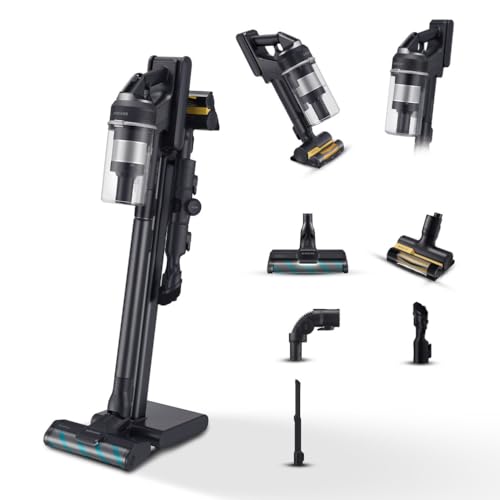
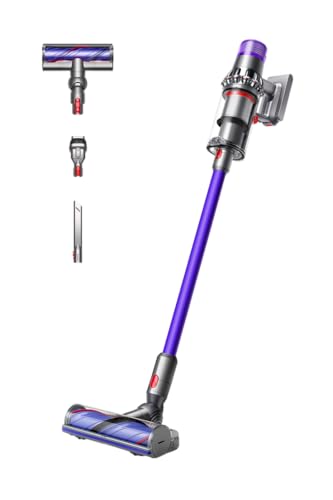
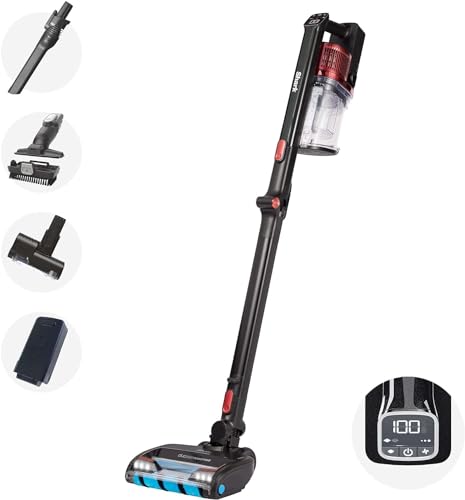
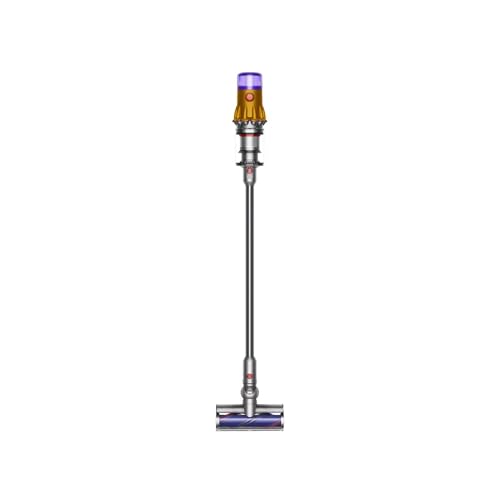
Which brands make the best vacuums for carpets in 2026?
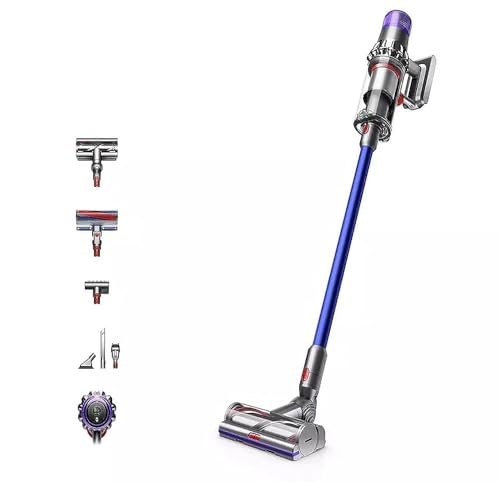
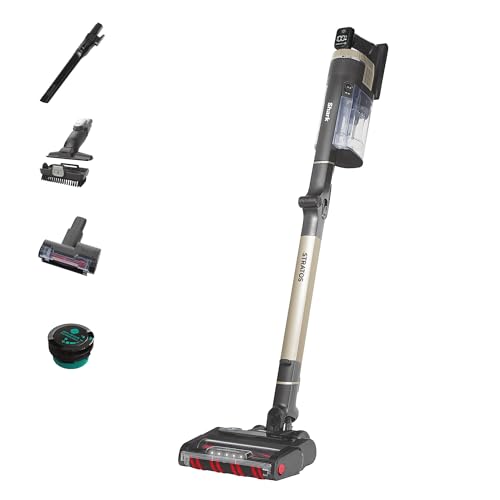
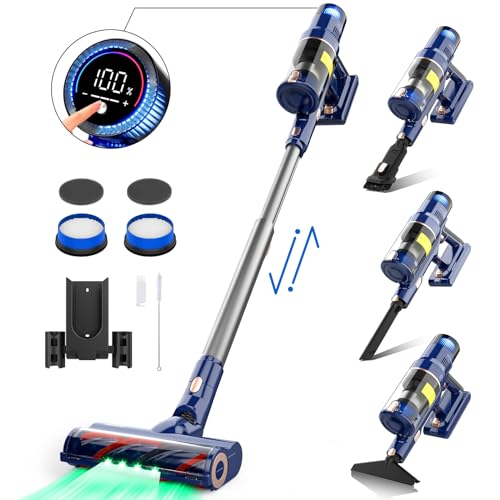
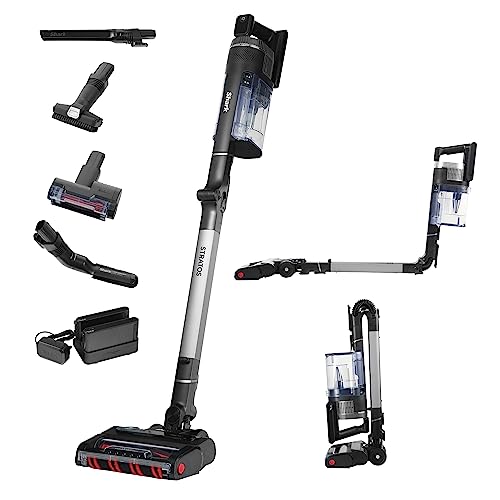
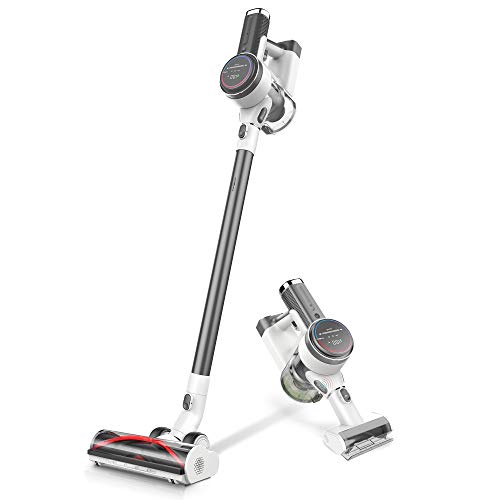
The best carpet-vacuum brands in 2026 are ranked below:
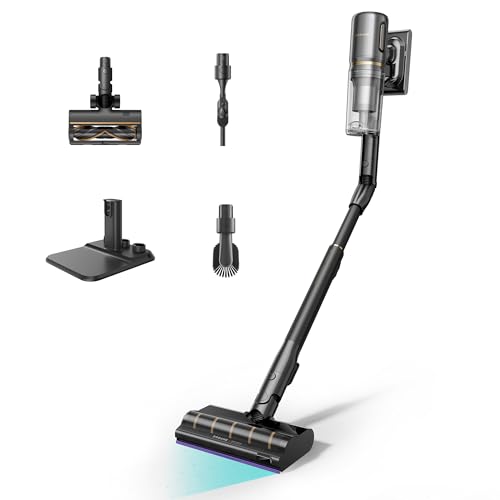
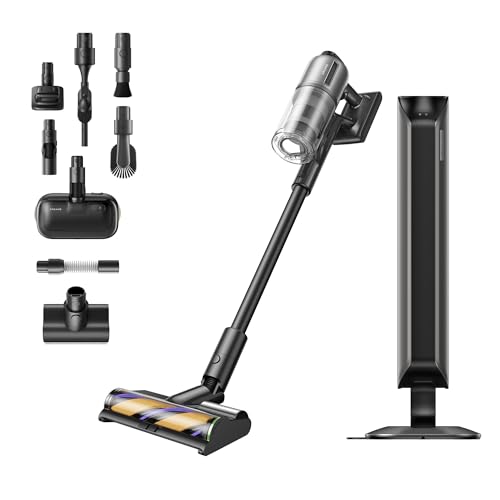
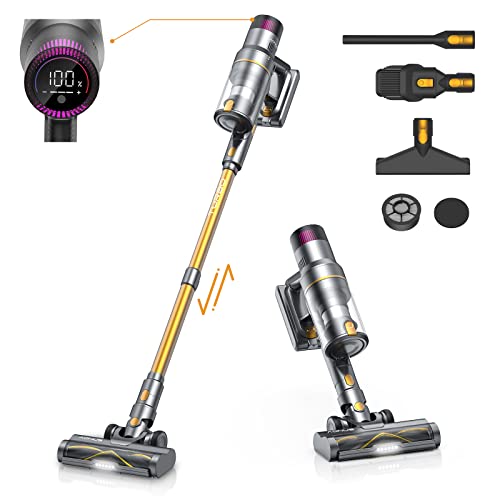
- Dreame (Average overall score: 8.5)
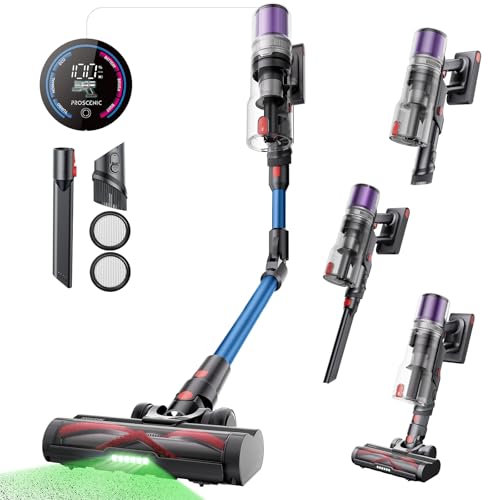
- Proscenic (Average overall score: 8.2)
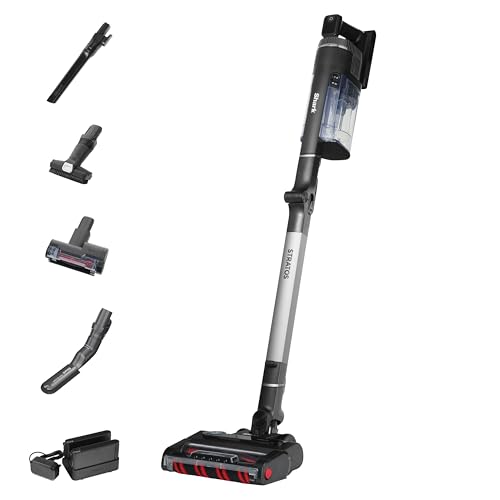
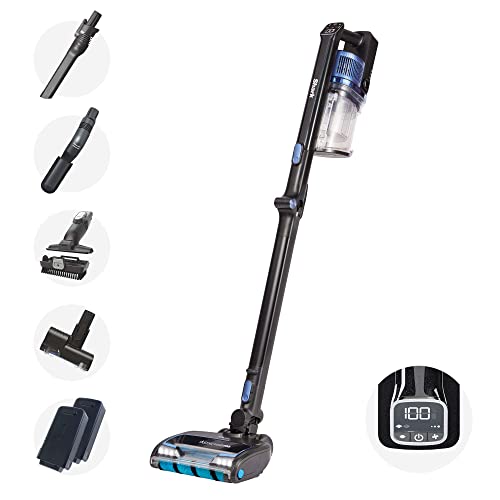
- Shark (Average overall score: 8.2)
- LG (Average overall score: 8)
- Rowenta (Average overall score: 8)
The chart below ranks carpet-vacuum brands by average overall score.
[horizontal-chart-13748633062376010751130868315111336941012301689945]
What makes a vacuum cleaner suitable for carpet cleaning?
A vacuum cleaner is suitable for carpet cleaning when it combines active brush agitation, controlled head height and sustained airflow through the pile. The brush must reach the fibres without digging in so deeply that the head becomes difficult to push, while the seal should concentrate suction without closing the airflow path.
Output above 100 AW is a useful starting point, but the complete cleaning system matters more than a peak number. Models we reviewed cluster around 190 AW, with many between roughly 120 and 300 AW; effective carpet pickup still depends on the roller pattern, edge sealing, belt condition and how well airflow holds as the bin or bag fills.
Which floorheads work best on carpets?
The floorheads that work best on carpets are as follows:
- Motorized brush-roll head: A powered roller provides the strongest agitation for embedded grit and pet hair. A removable brush bar and accessible end caps reduce the time spent cutting away wrapped fibres.
- Height-adjustable carpet head: Manual height settings let the roller contact low, medium and deep pile without choking the inlet. The lowest setting is not automatically best; the head needs enough clearance to preserve airflow.
- Auto-adjusting floorhead: Pressure sensors, floor detection or a floating soleplate can adapt to changing pile and hard-floor transitions. Check whether the automatic mode changes suction, brush speed, head height or only one of those variables.
- Turbine head: An airflow-driven brush improves carpet agitation on canister vacuums that lack electrical contacts in the wand. It is lighter and simpler than a motorized head but can slow down when the airflow path is restricted.
- Combination head with brush control: A switchable head suits homes with rugs and hard floors when the brush can be raised or stopped completely. Passive combination nozzles are less effective on deep carpet than a properly powered roller.
How do suction and height adjustment affect carpet cleaning?
Suction and height adjustment work together in carpet cleaning: suction moves air and debris, while the head setting determines whether that airflow reaches the base of the pile. A head set too low can clamp to the carpet and reduce airflow; one set too high loses agitation and leaves the roller above embedded dirt.
Around 150–250 AW is strong household output when measured on a comparable basis, while 300 AW or more provides extra headroom for dense carpet, pet hair and heavy debris. Based on our research, published pressure figures commonly fall around 15–30 kPa and airflow around 20–50 L/s, but neither measurement can be converted directly into air watts.
Manual height control is predictable across different rugs, while automatic suction or a floating head is more convenient when surfaces change frequently. Whichever system is used, the vacuum should remain easy to push, keep the brush turning and avoid pulling at loose rug edges.
The chart below shows the air-watt distribution of vacuums for carpets.
[vertical-chart-15026606224003873036091069272986826341123814674199]
How much do vacuums for carpets cost?
Vacuums for carpets generally cost about £100-£400, with the middle of the market near £220. Budget choices below roughly £170 can meet the 100 AW filter, but powered-head quality, height control, battery support and replacement rollers require closer checking.
From about £170 to £340, stronger powered heads, anti-tangle rollers and automatic controls become more common. Premium models above roughly £430 should add sustained high-power cleaning, a replaceable battery or durable corded system, effective filtration and serviceable floorheads rather than only a larger peak-suction figure.
The chart below shows the price distribution of vacuums for carpets.
[vertical-chart-05325635710421683823109379818385546209762564339033]
What should you check before buying a vacuum for carpets?
You should check the following factors before buying a vacuum for carpets:
- Carpet type and floorhead: Low-pile carpet needs less roller penetration than deep pile, while looped and delicate rugs may require the brush to stop completely. Choose a powered head with removable roller access and confirm that its bristles and height settings suit the exact flooring.
- Air-watt output: Aim for at least 100 AW for routine carpet cleaning, roughly 150–250 AW for stronger household pickup and 300 AW or more when dense pile, pet hair or heavy debris needs extra headroom. Compare values measured at the same point and mode because hose-end, motor-unit and floorhead figures are not equivalent.
- Pressure, airflow and head adjustment: If these separate figures are published, aim for roughly 15–30 kPa of pressure or 20–50 L/s of airflow as practical carpet-cleaning ranges; they describe different properties and cannot be converted into each other. Manual height control, automatic suction or a bypass vent should keep the head movable without sacrificing brush contact.
- Runtime or cable reach: For a cordless carpet vacuum, aim for at least 45–60 minutes in a lower mode, about 10 minutes or more at maximum power and a recharge time of roughly four hours or less. For a corded model, prefer at least a 7 m cable or about 10 m of total operating radius for sustained whole-room cleaning.
- Capacity and filtration: A 0.5–0.8 L stick bin suits shorter sessions, while roughly 1.5–3.5 L reduces interruptions in larger carpeted homes. A sealed exhaust path and accessible filters help retain fine dust, but clogged media also reduces carpet airflow.
- Weight and cleaning width: For a stick vacuum used on stairs, aim for roughly 3 kg or less; a corded canister or upright around 5–7 kg can be acceptable when most of the weight stays on the floor. A head around 240–300 mm balances carpet coverage with movement around furniture, with the wider end better for open rooms.
- Noise, rollers and parts: Prefer about 80 dB or below in the normal carpet mode, and aim closer to 75 dB when quieter operation matters; compare normal and boost figures separately. Verify availability of belts, brush rolls, filters, bags, batteries and the exact powered floorhead before buying.