
Are Nikon mirrorless cameras good?
Nikon mirrorless cameras are very good, especially for photographers who value comfortable grips, clear controls, strong image quality, and a growing Z-mount lens system. The current range spans compact DX bodies, affordable and enthusiast FX cameras, retro-styled models, high-resolution hybrids, and professional stacked-sensor bodies, while the FTZ adapter gives many Nikon DSLR owners a practical route to reuse F-mount lenses.
EXPEED 7 bodies such as Z50 II, Z5 II, Zf, Z6 III, Z8, and Z9 improve subject recognition, tracking, bursts, and video over earlier EXPEED 6 models. Z8 and Z9 use stacked sensors and Z6 III a partially stacked design, while Z lenses range from compact primes to f/1.2 and long S-line telephotos. Important limits remain: Nikon DX bodies lack IBIS, screw-drive F-mount lenses lose autofocus through FTZ, and video crops, rolling shutter, card needs, screens, and shutter designs vary. Nikon 1 uses the unrelated discontinued CX mount, not the current Z system.
What are the main Nikon mirrorless camera series?
The main Nikon mirrorless camera series and models are as follows:
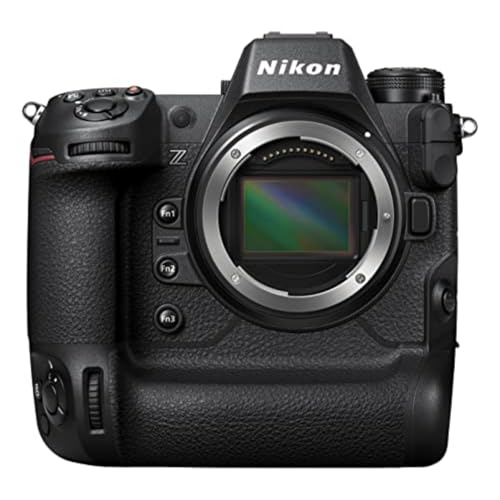
- Z9 and Z8: These professional FX cameras use approximately 45.7 MP stacked sensors, EXPEED 7 processing, electronic shutters, advanced subject detection, and demanding stills/video features. The Z9 integrates a vertical grip and maximum endurance, while the smaller Z8 delivers much of the same performance in a body better suited to travel, gimbals, and photographers who do not need the built-in grip.
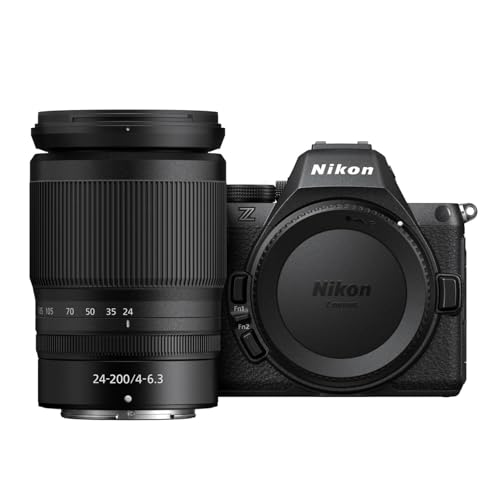
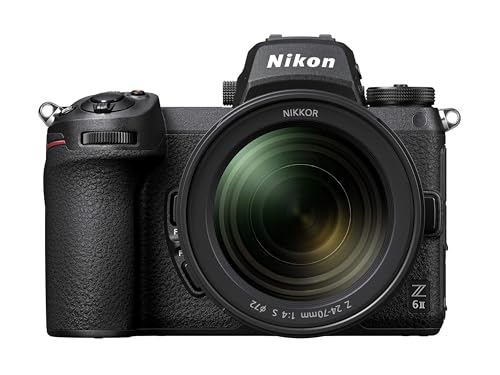
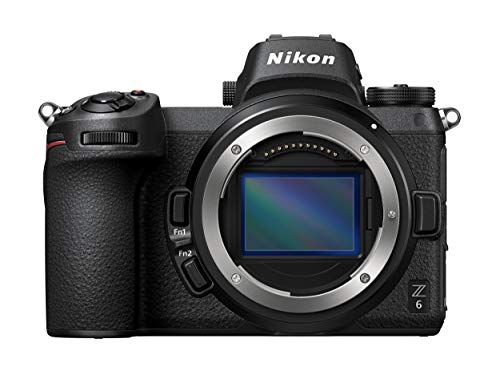
- Z6 series: Z6 cameras are Nikon's general-purpose full-frame hybrids, balancing resolution, low-light performance, autofocus, burst speed, and video. The Z6 III adds EXPEED 7 and a partially stacked sensor for faster readout and more advanced recording than the EXPEED 6-based Z6/Z6 II, but buyers should compare dynamic range, card slots, viewfinder, codecs, and crop behavior rather than treating every generation as equivalent.
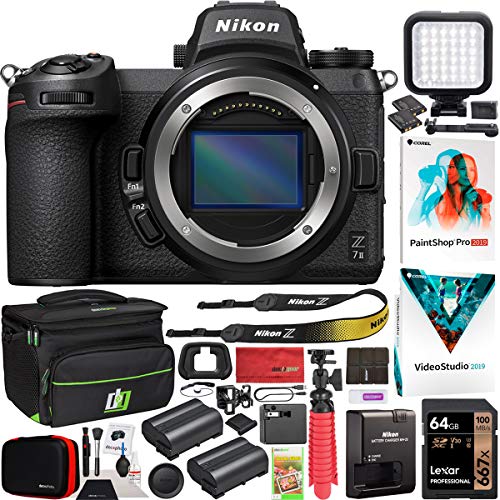
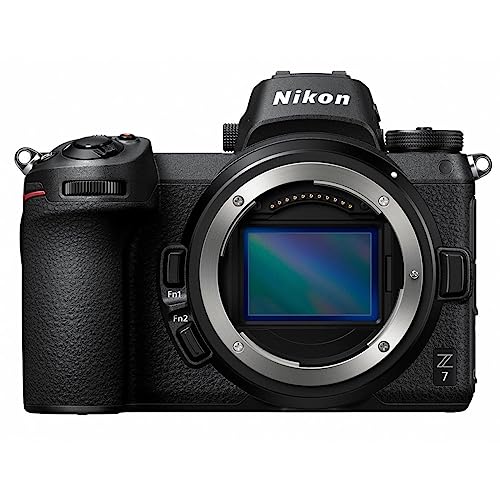
- Z7 series: Z7 and Z7 II bodies prioritize high-resolution full-frame stills for landscapes, studio work, architecture, and detailed cropping. Their approximately 45.7 MP conventional sensors deliver excellent detail and dynamic range, but they have slower readout and older autofocus logic than Z8/Z9, making the newer stacked models more suitable when action and advanced video matter equally.
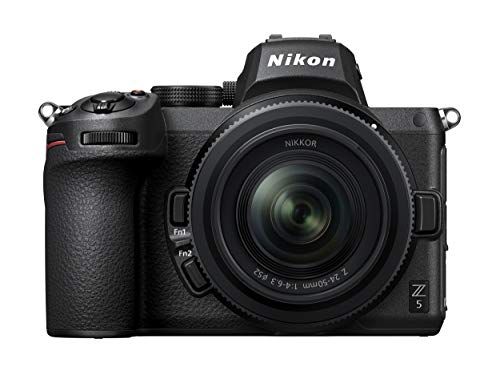
- Z5 series: Z5 cameras provide an accessible full-frame route with in-body stabilization and a conventional stills-oriented design. The newer Z5 II brings EXPEED 7-generation autofocus and video improvements, while the original Z5 remains more basic and applies important limitations in higher-end video modes; both are aimed below the Z6 line.
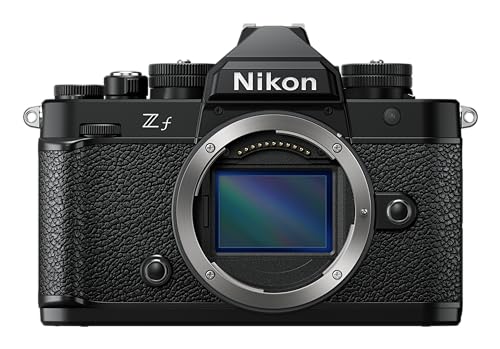
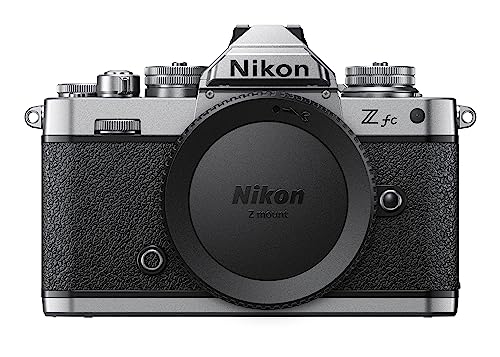
- Zf and Z fc: These models use Nikon-inspired external dials and retro styling, but the Zf is a full-frame FX camera with in-body stabilization and newer EXPEED 7 autofocus, whereas the Z fc is a smaller DX camera without IBIS. Their similar appearance hides major differences in sensor size, low-light capability, lens balance, battery, controls, and price.
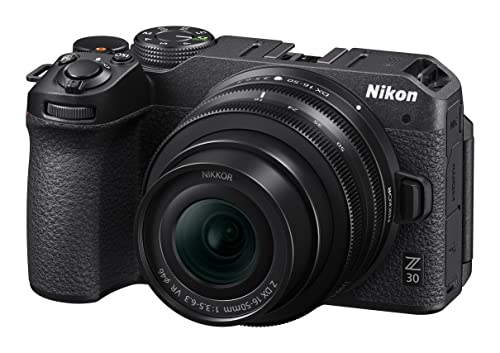
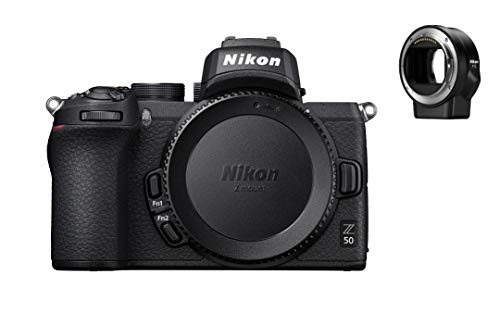
- Z50 and Z30 families: Z50/Z50 II are compact DX hybrids with electronic viewfinders, while Z30 removes the viewfinder and emphasizes creator video with a fully articulating screen. Z50 II adds newer EXPEED 7 autofocus and video features, but all use the 1.5× DX crop and rely on lens VR or electronic methods rather than in-body stabilization.
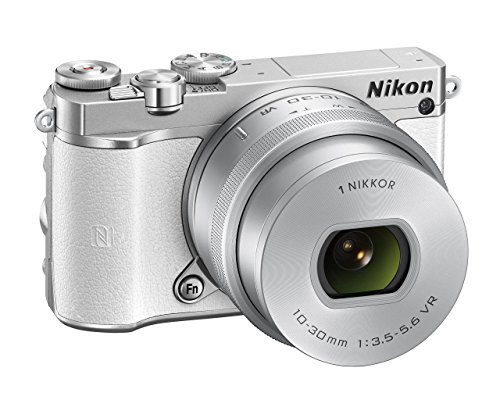
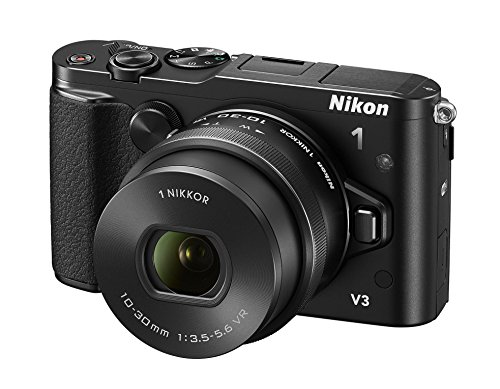
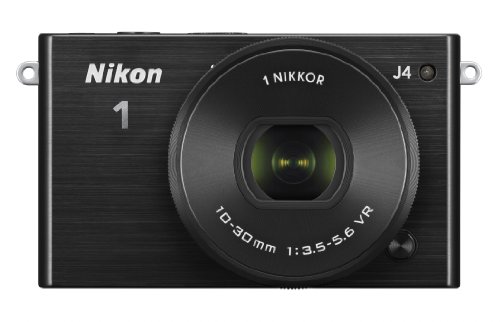
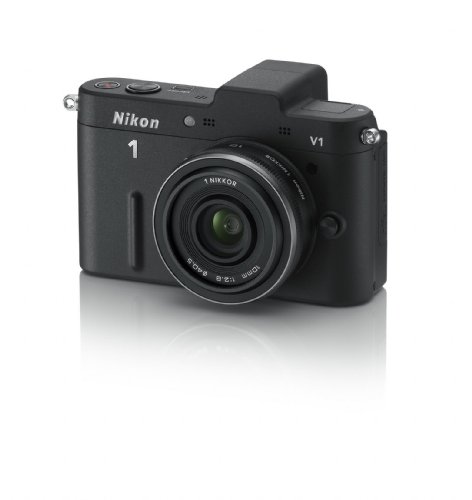
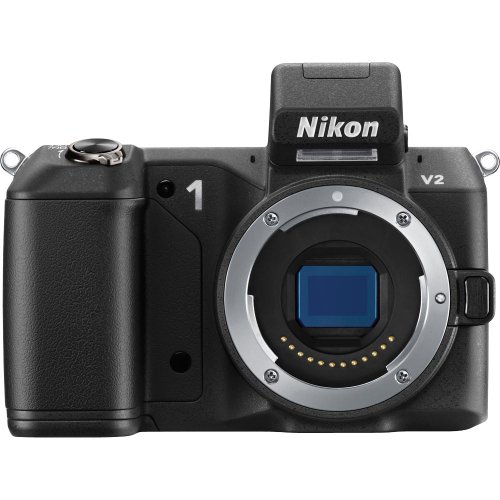
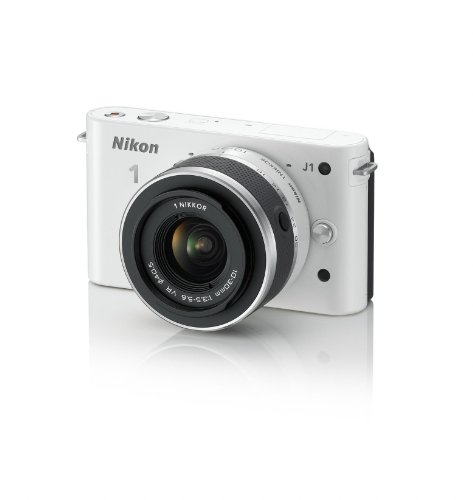
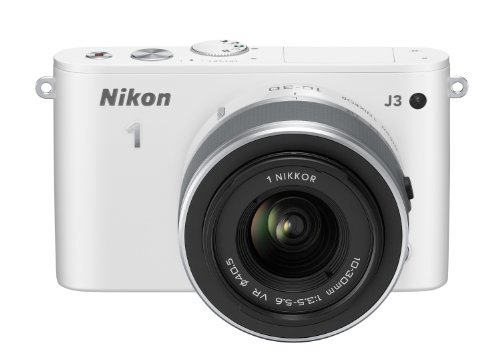
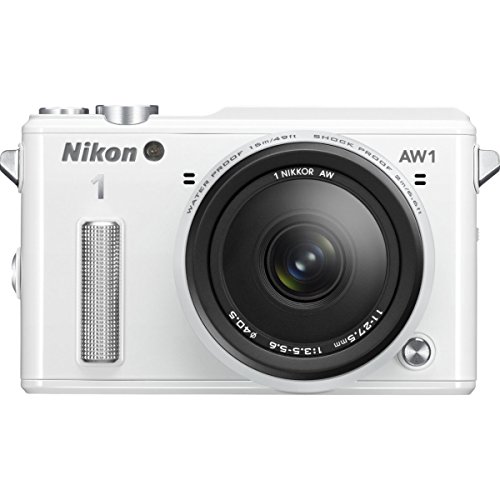
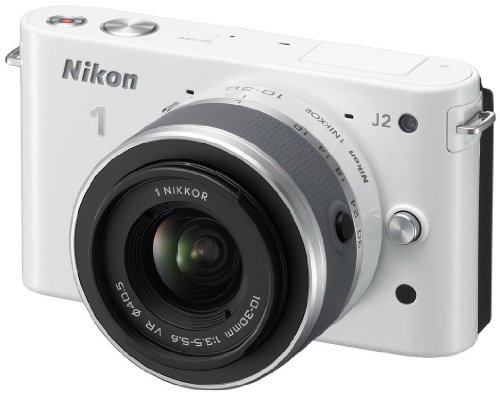
- Nikon 1 system: Nikon 1 J, S, V, and AW cameras use a small CX sensor and the discontinued Nikon 1 mount, not Z mount. Models such as the waterproof 1 AW1 and fast-shooting V series are historically interesting, but their lenses, batteries, accessories, and upgrade path are separate from current Nikon Z cameras.

How much do Nikon mirrorless cameras cost?
Current new Nikon Z mirrorless cameras generally cost about £500-£5,100 for the body or basic kit. Most DX and mainstream full-frame buyers will be comparing products between approximately £520 and £2,600, while Z8 and Z9 bodies occupy a separate professional tier.
DX cameras typically cost around £500-£820. Z30 is the creator-focused entry model, Z fc adds retro controls and a viewfinder, and Z50/Z50 II provide more conventional compact-camera handling; kit pricing depends on whether a 16–50 mm or two-lens package is included. None has in-body stabilization, so lens VR and the cost of a stabilized or wider lens should be considered.
FX bodies generally span £1,000-£2,600. Z5/Z5 II are the affordable full-frame options, Zf adds retro controls and newer processing, and Z6 III adds faster partially stacked readout and stronger hybrid video; Z7 II suits buyers prioritizing resolution. Z8 and Z9 cost roughly £2,600-£5,100, using stacked sensors, EXPEED 7, fast bursts, and demanding internal video modes. Budget separately for lenses and media: S-line f/2.8 zooms and fast primes often exceed £1,700, long telephotos cost much more, and high-end modes may require CFexpress Type B cards.
How do Nikon mirrorless cameras compare with Sony mirrorless models?
Nikon mirrorless cameras usually provide more substantial handling and strong stills-oriented features, while Sony offers more native lenses, more compact full-frame choices, and a longer-established mirrorless ecosystem. Both brands now deliver excellent subject detection and hybrid image quality, so the exact body tier matters.
Nikon ranges from DX bodies through Z6/Z7/Zf and professional Z8/Z9, while Sony spans APS-C Alpha, compact 7C, general-purpose 7, high-resolution 7R, and speed-focused 9/1 families. Current Nikon bodies cost about £500-£5,100 versus roughly £470-£6,500 for Sony, with mainstream kits overlapping around £500-£2,600. Sony offers more third-party lens choices; Nikon can be better value with a bundled Z lens or compatible F-mount glass. Compare stabilization, sensor readout, cards, viewfinders, video crops, and required lenses at the exact tier.
What should you consider while choosing the best Nikon mirrorless camera?
Consider the following points while choosing a Nikon mirrorless camera:
- Choose FX or DX deliberately: Z30, Z50/Z50 II, and Z fc use DX sensors with a 1.5× field-of-view crop, while Z5, Zf, Z6, Z7, Z8, and Z9 families use full-frame FX sensors. DX reduces body and lens size and adds apparent telephoto reach, while FX provides more low-light and shallow-depth-of-field flexibility with equivalent framing and aperture.
- Check the EXPEED and autofocus generation: Early Z5/Z6/Z7 and their second generations use EXPEED 6-era autofocus, while Z50 II, Z5 II, Zf, Z6 III, Z8, and Z9 bring newer EXPEED 7 subject recognition and tracking logic. Confirm which people, animal, bird, vehicle, or aircraft modes exist and whether they work in the required stills, burst, and video settings.
- Compare sensor readout and shutter design: Z8 and Z9 use fast stacked sensors and electronic shutters without a conventional mechanical shutter, Z6 III uses a partially stacked sensor, and other bodies use conventional sensors with slower electronic readout. For action, flash, artificial lighting, or video pans, compare rolling shutter, flicker handling, flash synchronization, RAW limitations, blackout behavior, and mechanical-shutter availability.
- Verify stabilization on the exact body: Most Nikon FX Z bodies provide in-body stabilization, while Z30, Z50, Z50 II, and Z fc do not. Lens VR can stabilize supported DX lenses, and selected body/lens combinations add coordinated stabilization features, but handheld video and long-lens performance should be checked with the actual lens and mode.
- Plan Z and FTZ lens compatibility: Native Z lenses provide the intended autofocus, communication, correction, and video behavior, while FTZ/FTZ II adapters support many F-mount lenses with important limits. AF-S, AF-I, and AF-P lenses can retain autofocus, but screw-drive AF/AF-D lenses require manual focus; DX lenses also crop FX bodies, and teleconverters or specialist lenses need exact compatibility checks.
- Inspect the complete video specification: Check resolution, frame rate, sensor crop, oversampling, bit depth, codec, internal RAW or ProRes options, recording duration, and heat behavior. Z8/Z9 and Z6 III offer demanding internal formats, while entry DX and older FX bodies have more limited crops or codecs; high-end modes can require fast CFexpress Type B cards and substantial storage.
- Match handling, screen, and storage to the job: Z9 includes a vertical grip, Z8 provides pro controls in a smaller body, Zf/Z fc prioritize external dials, and Z30 omits the electronic viewfinder. Compare tilting versus fully articulating screens, joystick and button layout, weather sealing, battery type, USB power, single/dual slots, and whether the camera uses SD, CFexpress Type B, or both.
- Price the complete system and upgrade path: Include the exact Z lenses, FTZ adapter where needed, batteries, charger, cards, grip, audio accessories, and computer/storage requirements for large RAW or video files. Nikon 1 CX-mount lenses do not adapt into a normal Z-system upgrade path, while an existing F-mount collection may reduce lens cost only if its autofocus and frame-coverage limits remain acceptable.